



Non-stick cookware has become an essential part of modern kitchens because it makes cooking easier, requires less oil, and simplifies cleaning. Whether you're preparing fluffy omelettes, crispy dosas, stir-fried vegetables, or pancakes, a quality non-stick pan delivers effortless food release and convenient everyday cooking.
However, many home cooks eventually notice the non-stick coating beginning to peel or flake, leading them to ask, "What causes non-stick coating to peel?"
In most cases, peeling is not caused by a manufacturing defect but by everyday wear, improper usage, or incorrect maintenance. Understanding the common causes can help you extend the life of your cookware and maintain its cooking performance for years.
If you're looking for cookware designed for durability and everyday convenience, Meyer Non-Stick Cookware combines advanced coating technology with quality construction to deliver reliable performance when cared for properly.
Table of Contents
Is It Normal for Non-Stick Coating to Wear Over Time?
Yes.
Like any frequently used kitchen tool, non-stick cookware experiences natural wear over time. The cooking surface gradually ages with regular use, especially if it is exposed to high temperatures or improper handling.
A premium-quality pan that is properly maintained generally lasts much longer than cookware that is regularly subjected to harsh cooking and cleaning practices.
Cooking on Excessively High Heat
One of the most common reasons non-stick coatings deteriorate prematurely is repeated cooking over very high heat.
Modern non-stick cookware performs best over low to medium heat because the coating releases food efficiently without requiring extremely high temperatures.
Repeated overheating may gradually weaken the coating, reducing its performance and eventually leading to peeling.
For everyday cooking:
-
Use low to medium heat for most recipes.
-
Preheat the pan gently.
-
Avoid heating an empty pan for extended periods.
Heating an Empty Pan
Leaving an empty non-stick pan on a hot burner is another major cause of coating damage.
Without food or cooking oil to absorb the heat, the temperature of the cookware can rise rapidly, placing unnecessary stress on the non-stick surface.
Instead:
-
Add a small amount of oil before prolonged heating.
-
Begin cooking soon after preheating.
This simple habit helps preserve the coating.
Using Metal Utensils
Sharp metal utensils are among the leading causes of scratches and coating damage.
Repeated contact with:
-
Metal spatulas
-
Metal spoons
-
Forks
-
Knives
-
Whisks
can gradually scratch the cooking surface.
Over time, these scratches may weaken the coating and contribute to peeling.
To help extend the life of your cookware, use:
-
Wooden utensils
-
Silicone utensils
-
Nylon utensils
These materials are much gentler on the cooking surface.
Abrasive Cleaning
Aggressive cleaning methods can also damage the coating.
Avoid using:
-
Steel wool
-
Metal scrubbers
-
Abrasive cleaning pads
-
Harsh scouring powders
Instead, wash your cookware using:
-
Warm water
-
Mild dishwashing liquid
-
A soft sponge or microfiber cloth
Gentle cleaning preserves both the appearance and performance of the cookware.
Frequent Dishwasher Cleaning
While some non-stick cookware is labelled dishwasher-safe, frequent dishwasher use may expose cookware to strong detergents and high washing temperatures that can gradually affect its appearance and lifespan.
Hand washing with a soft sponge is often the gentlest option for preserving long-term performance.
Always follow the care instructions provided by the manufacturer.
Stacking Cookware Without Protection
Many people stack cookware directly on top of each other for storage.
When pans rub against one another, the cooking surface may develop scratches that gradually weaken the coating.
Using:
-
Pan protectors
-
Soft kitchen towels
-
Protective liners
between stacked cookware helps minimise unnecessary wear.
Sudden Temperature Changes
Placing a very hot pan directly into cold water may cause thermal shock.
Repeated sudden temperature changes can place stress on both the cookware body and the coating over time.
Instead:
-
Allow the pan to cool naturally.
-
Wash only after it has cooled to a safe temperature.
Cutting Food Inside the Pan
Using knives or pizza cutters directly on the cooking surface creates deep scratches that permanently damage the coating.
Always transfer food to a cutting board before slicing.
Normal Wear from Everyday Cooking
Even when cookware is properly maintained, the non-stick surface gradually experiences natural wear.
Factors influencing lifespan include:
-
Frequency of use
-
Cooking temperatures
-
Cleaning methods
-
Type of utensils
-
Overall maintenance
Eventually, every non-stick coating reaches the end of its useful life and should be replaced when it no longer performs effectively.

How to Prevent Non-Stick Coating from Peeling
Simple habits can significantly extend the lifespan of your cookware.
-
Cook mainly on low to medium heat.
-
Avoid overheating an empty pan.
-
Use wooden, silicone, or nylon utensils.
-
Wash with a soft sponge.
-
Avoid abrasive cleaners.
-
Allow cookware to cool before washing.
-
Store carefully to prevent scratches.
-
Follow the manufacturer's care instructions.
Consistent care helps preserve the cooking surface and maintain excellent food release.
Signs It's Time to Replace Your Non-Stick Pan
If you notice any of the following, replacing the cookware is usually the best option:
-
Peeling or flaking coating.
-
Deep scratches across the cooking surface.
-
Food sticking regularly despite proper cooking techniques.
-
Uneven cooking performance.
-
Warped base.
-
Difficulty cleaning the surface.
A damaged non-stick coating cannot be restored like cast iron seasoning.
Why Choose Meyer Non-Stick Cookware?
Meyer Non-Stick Cookware is designed to make everyday cooking simple, efficient, and enjoyable.
Featuring advanced non-stick coating technology, Meyer cookware delivers smooth food release and even heating across a wide variety of recipes. Whether you're preparing omelettes, dosas, stir-fries, pancakes, sautéed vegetables, or quick family meals, it provides dependable performance day after day.
Key features include:
-
Advanced non-stick coating for easy food release.
-
Even heat distribution for consistent cooking.
-
Low-oil cooking convenience.
-
Comfortable ergonomic handles.
-
Easy-to-clean cooking surface.
-
Suitable for everyday use.
-
Available in frypans, kadais, tawas, sauté pans, grill pans, and cookware sets.
With proper care, Meyer Non-Stick Cookware is designed to provide reliable cooking performance and lasting convenience.
Common Myths About Peeling Non-Stick Coatings
Myth: Every peeling pan has a manufacturing defect.
Most peeling occurs because of repeated overheating, improper utensils, abrasive cleaning, or normal wear over time.
Myth: High heat makes non-stick cookware perform better.
Non-stick cookware is designed to cook efficiently on low to medium heat. Excessive heat can shorten the life of the coating.
Myth: Scratches don't matter.
Deep scratches can weaken the coating and contribute to peeling while reducing cooking performance.
Myth: A peeling coating can be repaired.
Unlike cast iron seasoning, non-stick coatings cannot be restored once they begin peeling. Replacing the cookware is the safest and most effective solution.
Conclusion
Non-stick coating usually peels because of a combination of everyday wear and improper care. Common causes include cooking on very high heat, overheating an empty pan, using metal utensils, abrasive cleaning, improper storage, and natural ageing of the coating.
Fortunately, many of these issues can be prevented by following simple care practices, such as cooking over low to medium heat, using non-metal utensils, cleaning gently, and storing cookware carefully.
Meyer Non-Stick Cookware is thoughtfully engineered to deliver excellent cooking performance, effortless food release, and long-lasting durability. With proper use and maintenance, it can remain a reliable companion in your kitchen, helping you prepare delicious meals with confidence every day.
MORE FROM BLOG
Top Collections

Best Non Stick Roti Tawa in India For Minimal Oil Cooking
2 Items
Best Non Stick Roti Tawa Price: Cookware For Everyone
2 Items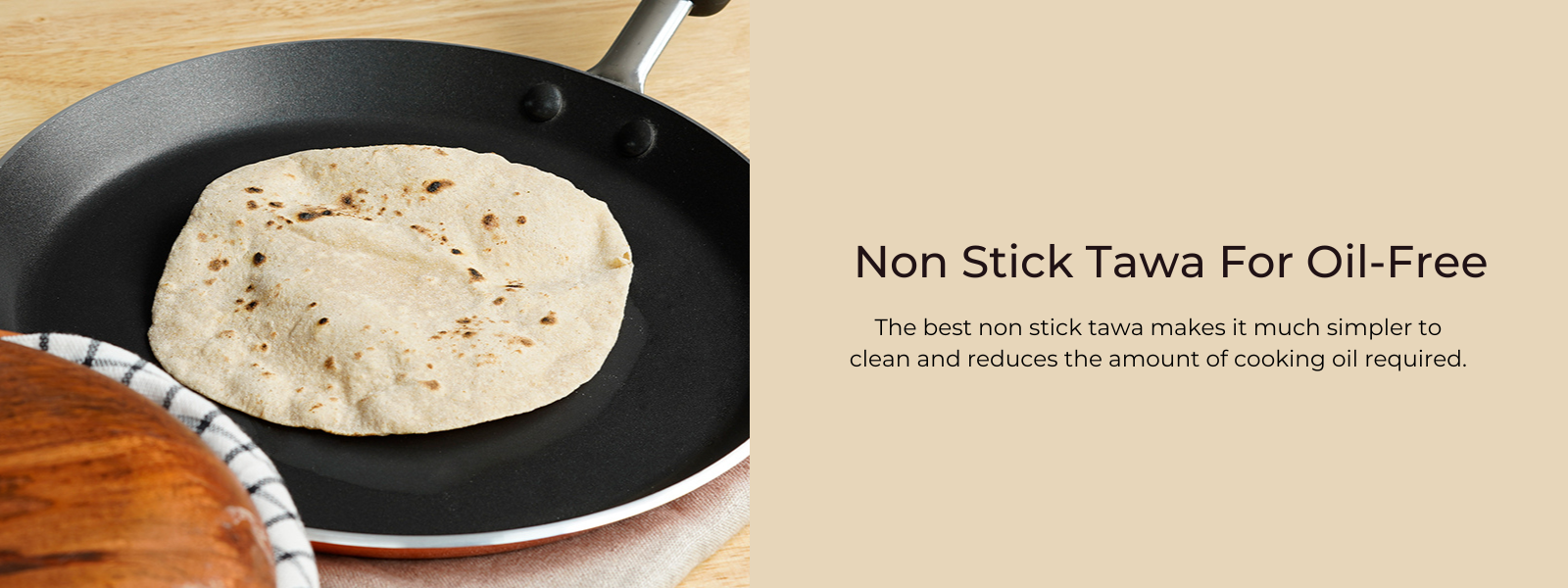
Best Non Stick Tawa For Oil-Free Cooking In 2023
2 Items
Can Non-Stick Cookware Be Used for Making Sabzi and Omelettes Daily?
2 Items
How to Extend the Life of Your Non-Stick Bakeware
2 Items


Leave a comment