



There is a common assumption that professional chefs use elaborate, expensive cookware collections at home. The reality is quite the opposite. Most chefs rely on a small, carefully chosen set of high-performance cookware that delivers consistency, durability, and control.
Instead of focusing on quantity or aesthetics, chefs prioritize materials that perform well under real cooking conditions. Their kitchens are built around versatility, efficiency, and long-term value—principles that are just as relevant for Indian households.

Table of Contents
- The Chef Mindset: Function Over Everything
- The Core Materials Chefs Use at Home
- Stainless Steel: The Everyday Essential
- Cast Iron: Built for Heat and Longevity
- Carbon Steel: The Professional Favorite
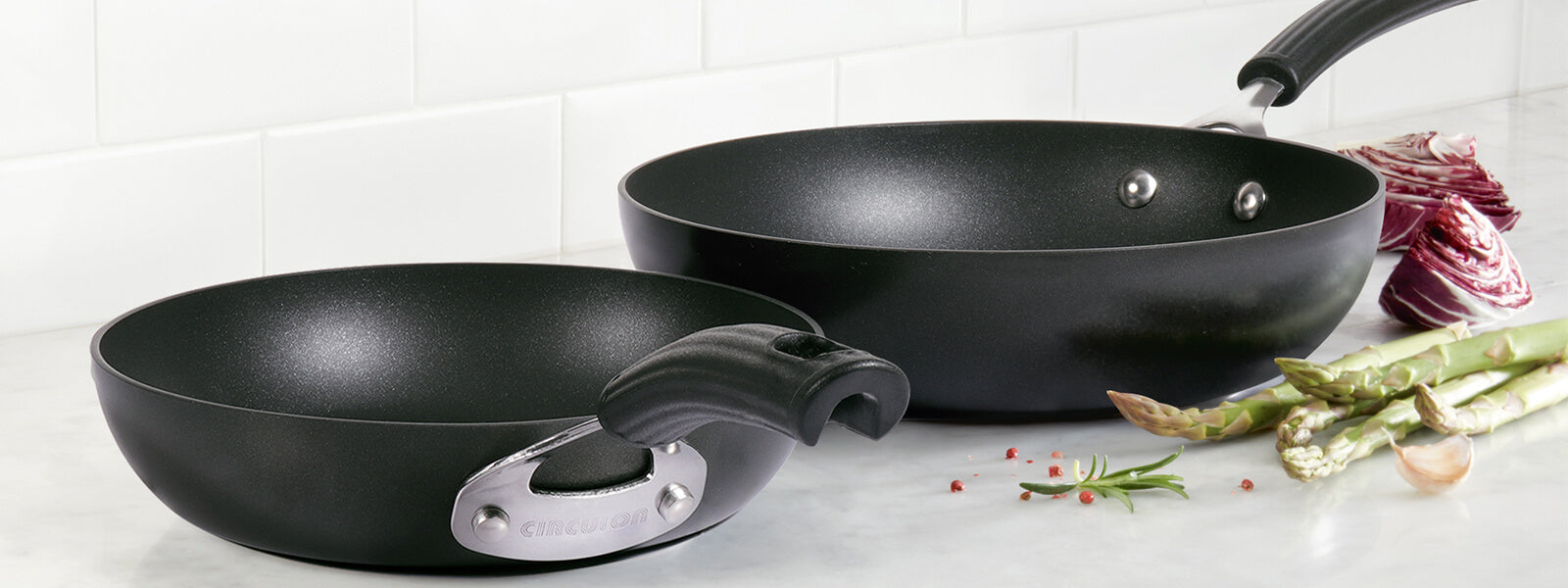
- Non-Stick Cookware: Used Selectively
- Heavy Pots and Dutch Ovens
- Saucepan and Stockpot: Everyday Utility
- What Chefs Avoid in Home Kitchens
- A Realistic Chef-Style Cookware Setup
- How This Translates to Indian Kitchens
- Why Fewer Pieces Work Better
- Building Your Own Chef-Style Kitchen
- Final Thoughts
The Chef Mindset: Function Over Everything
Professional chefs do not choose cookware based on trends or appearance. Their decisions are driven by:
-
Heat control
-
Durability
-
Versatility
-
Ease of maintenance
Most chefs avoid large cookware sets and instead build a collection of “workhorse” pieces that can handle multiple cooking tasks. This approach not only improves efficiency but also ensures that every piece in the kitchen is used regularly.
The Core Materials Chefs Use at Home
Understanding the materials chefs prefer is the key to building a similar setup.
Stainless Steel: The Everyday Essential
Stainless steel is the most widely used cookware material among chefs, both professionally and at home.
Why chefs rely on it:
-
Handles high heat without damage
-
Does not react with acidic ingredients
-
Extremely durable and long-lasting
-
Ideal for searing, sautéing, and making sauces
Triply stainless steel cookware, which features an aluminium core between layers of steel, offers even heat distribution and better cooking control.
In Indian kitchens, stainless steel is particularly useful for:
-
Bhunao techniques
-
Gravies and curries
-
Tadka preparation
Cookware from Meyer is engineered to deliver consistent heat and durability, making it well-suited for both professional and home cooking environments.
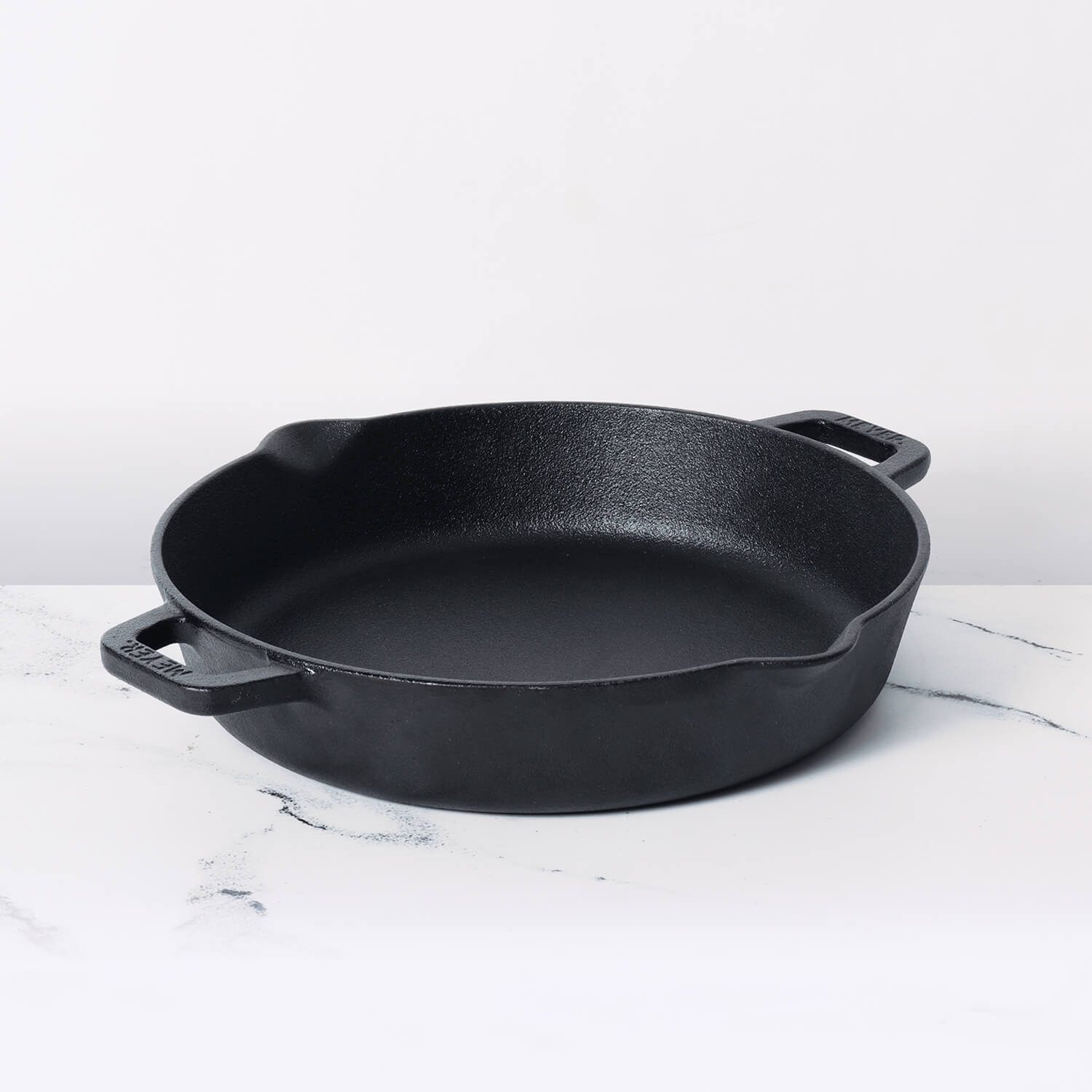
Cast Iron: Built for Heat and Longevity
Cast iron is another favorite among chefs for its ability to retain and distribute heat evenly.
Benefits include:
-
Excellent heat retention
-
Naturally develops a non-stick surface over time
-
Ideal for high-heat cooking and frying
-
Extremely durable and long-lasting
Chefs often use cast iron for:
-
Searing meats
-
Frying
-
Making flatbreads like rotis or dosas
Pre-seasoned cast iron cookware from Meyer offers the advantage of ready-to-use convenience while maintaining traditional cooking benefits.
Carbon Steel: The Professional Favorite
Carbon steel is widely used in professional kitchens but is less common in home setups.
Why chefs prefer it:
-
Heats quickly and evenly
-
Responds rapidly to temperature changes
-
Becomes naturally non-stick with use
It combines the strengths of cast iron and stainless steel, making it ideal for precise cooking tasks.
Non-Stick Cookware: Used Selectively
Despite their expertise, chefs do use non-stick cookware at home—but in a limited and specific way.
Common uses:
-
Eggs and omelettes
-
Pancakes and dosas
-
Delicate foods like fish
Non-stick cookware offers convenience and ease of use, especially for low-oil cooking. However, chefs typically invest in high-quality non-stick pans that can withstand regular use without degrading quickly.
Advanced ceramic-coated cookware from Meyer provides a more durable and modern alternative for everyday cooking.
Heavy Pots and Dutch Ovens
For slow cooking and one-pot meals, chefs often use heavy pots such as Dutch ovens or deep stainless steel vessels.
These are ideal for:
-
Stews and slow-cooked dishes
-
Soups and broths
-
Bulk cooking
In Indian kitchens, a deep kadai or heavy-bottomed pot serves a similar purpose.
Saucepan and Stockpot: Everyday Utility
No kitchen is complete without a saucepan.
Chefs use it for:
-
Making sauces
-
Boiling liquids
-
Cooking dals and soups
A well-constructed stainless steel saucepan ensures even heating and durability for daily use.
What Chefs Avoid in Home Kitchens
Understanding what chefs avoid is just as important.
Most chefs steer clear of:
-
Large cookware sets with unnecessary pieces
-
Thin, lightweight pans that heat unevenly
-
Low-quality non-stick cookware
-
Purely decorative or trend-driven cookware
These items often fail to deliver performance and need frequent replacement.
A Realistic Chef-Style Cookware Setup
A typical chef-inspired home kitchen includes:
-
One stainless steel sauté pan or kadai
-
One cast iron or carbon steel pan
-
One non-stick fry pan
-
One saucepan
-
One large pot or deep kadai
This compact setup covers almost all cooking needs without clutter.
How This Translates to Indian Kitchens
Interestingly, the cookware preferences of professional chefs align perfectly with Indian cooking requirements.
-
Stainless steel works well for curries, dals, and tadka
-
Cast iron is ideal for rotis, dosa, and frying
-
Non-stick simplifies breakfast and quick meals
-
Kadai handles deep cooking and mixing
Cookware collections from Meyer are designed with these needs in mind, offering a balance of performance and practicality.
Why Fewer Pieces Work Better
One of the biggest lessons from professional chefs is that more cookware does not mean better cooking.
Using fewer, high-quality pieces:
-
Improves efficiency
-
Reduces clutter
-
Enhances cooking control
-
Saves money in the long run
Every piece serves a purpose, and nothing goes unused.
Building Your Own Chef-Style Kitchen
To replicate a professional approach at home:
-
Start with essential cookware pieces
-
Choose materials based on your cooking style
-
Invest in durability rather than quantity
-
Add pieces gradually as needed
This ensures a well-balanced and cost-effective kitchen setup.
Final Thoughts
Professional chefs approach cookware with a clear philosophy: performance matters more than appearance. Their kitchens are built around durable, versatile tools that deliver consistent results.
By adopting this approach, you can transform your own cooking experience without overspending or overcomplicating your kitchen.
Whether you are an everyday home cook or someone who enjoys experimenting with recipes, choosing the right cookware can make a significant difference. With thoughtfully engineered options from Meyer, it becomes easier to bring professional-level efficiency and reliability into your home kitchen.
In the end, cooking like a chef is not about having more—it is about having the right tools and using them well.
MORE FROM BLOG
Top Collections
Best Non-Stick Cookware Sets For Your Kitchen
2 Items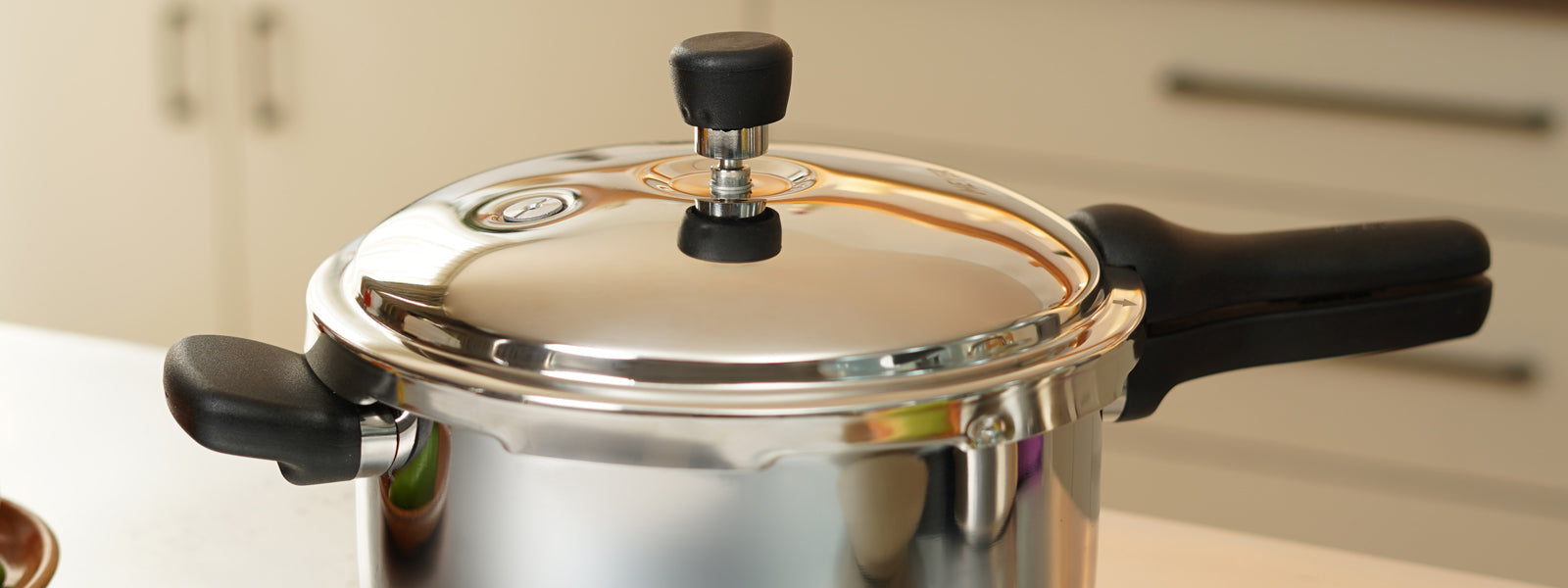
Best Stainless Steel Cookers for Daily Cooking
2 Items
Choosing the Right Kadai Size: A Guide to Meyer’s 3-Piece Kadai Set
2 Items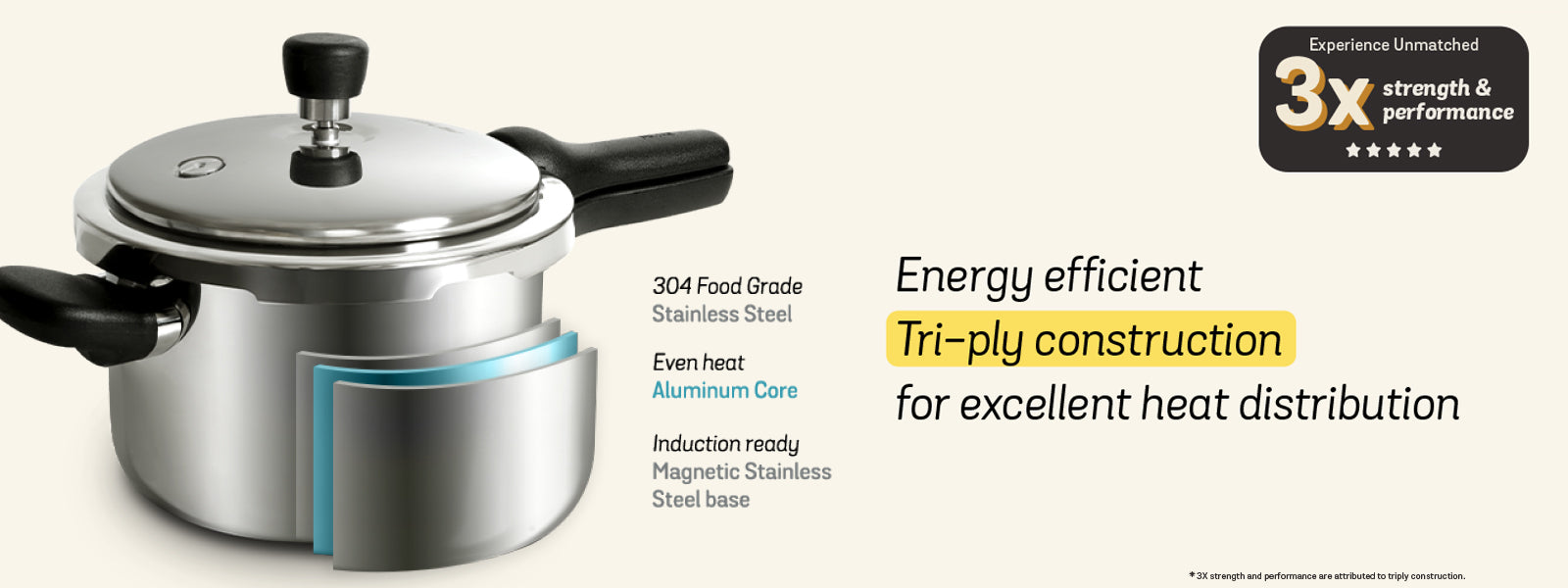
Cooker Sets: A Convenient Option for Every Kitchen
2 Items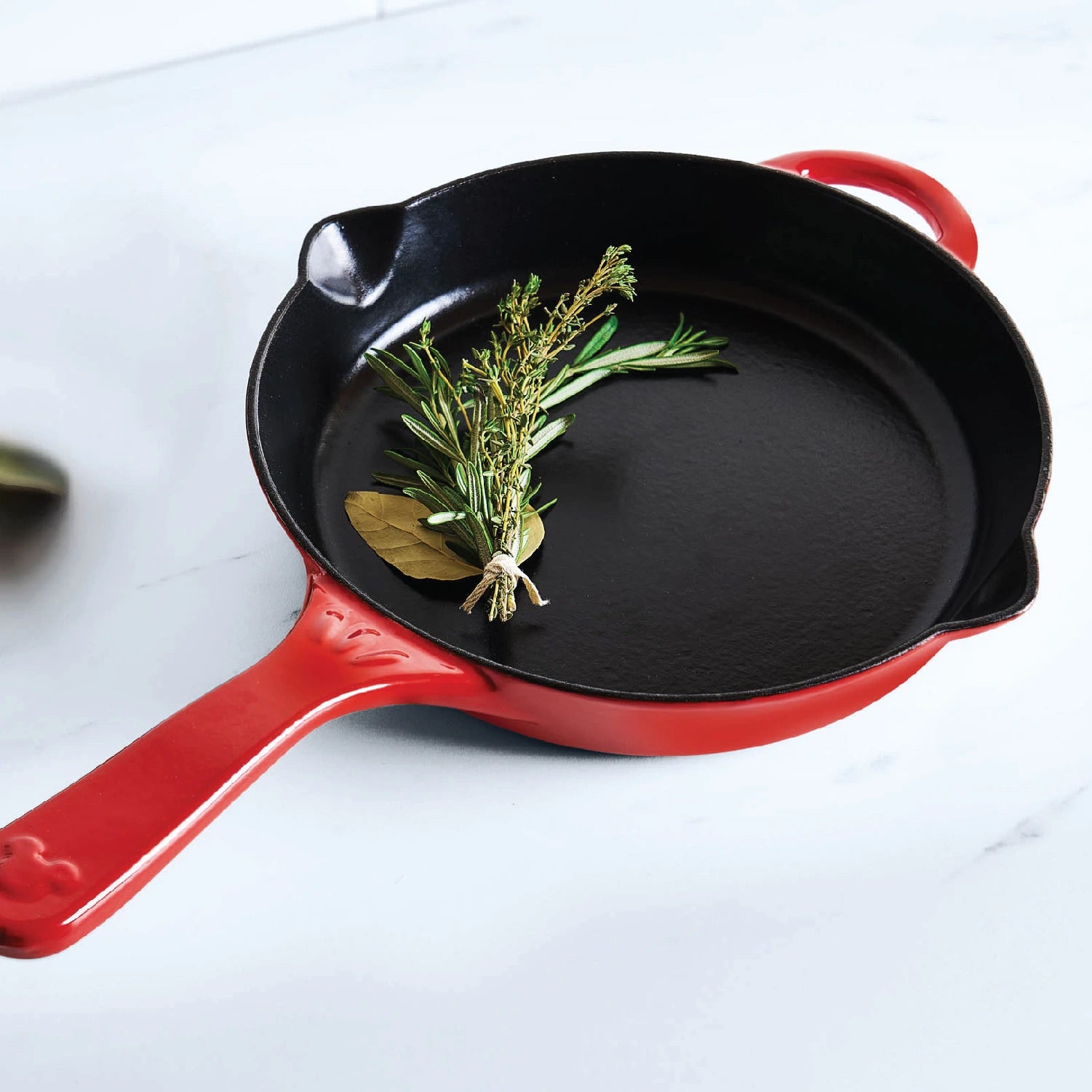


Leave a comment