



Few kitchen frustrations are as common as a curry that sticks and burns at the bottom while remaining watery or undercooked on top. Whether you’re preparing a slow-simmered dal, a rich paneer gravy, or a traditional chicken curry, uneven heat distribution is usually the real culprit—not the recipe.
Understanding how heat behaves in different cookware, how flame control works, and which materials suit Indian cooking can help you avoid burnt bases and achieve evenly cooked, flavourful curries every time.
Table of Contents
- 1. The Science Behind Curry Burning at the Bottom
- 2. How Cookware Material Affects Heat Distribution
- 3. Flame Control: A Hidden Cause of Burnt Curry
- 4. Stirring Technique Matters More Than You Think
- 5. Why Heavy-Bottomed Cookware Makes a Difference
- 6. Lid Usage and Steam Balance
- 7. Simple Fixes to Prevent Curry from Burning
- 8. Final Thoughts
The Science Behind Curry Burning at the Bottom
When a pot heats unevenly, the base becomes significantly hotter than the sides. Thick gravies with onions, tomatoes, or ground spices settle at the bottom, where sugars and starches caramelise quickly. Without proper heat spread, these ingredients scorch before the curry has time to cook through.
This problem becomes worse during:
- Slow cooking on high flame
- Cooking in thin or low-quality cookware
- Preparing thick gravies that require frequent stirring
The solution lies in understanding heat distribution—how evenly heat travels across the base and walls of your pan.

How Cookware Material Affects Heat Distribution
Thin Aluminium or Lightweight Steel
Lightweight pans heat up fast but don’t retain heat well. Hot spots form quickly, causing curry to burn in patches. These pans also cool down unevenly when ingredients are added, leading to inconsistent cooking.
Stainless Steel (Single Layer)
Single-layer stainless steel cookware looks durable but often conducts heat poorly. Without a bonded base, heat concentrates at the center, increasing the risk of sticking and burning.
Tri-Ply or Clad Stainless Steel
Tri-ply cookware—made with an aluminium core sandwiched between stainless steel layers—distributes heat evenly across the base and up the sides. This ensures slow, uniform cooking, ideal for gravies, dals, and curries that need time to develop flavour.
Cast Iron and Heavy-Bottomed Cookware
Cast iron and thick-bottomed vessels excel at heat retention. Once heated properly, they maintain consistent temperature, reducing the risk of burning—provided you cook on low to medium heat.
Meyer Merlot Non-Stick Open Frypan, 28cm
Flame Control: A Hidden Cause of Burnt Curry
Even the best cookware can fail if the flame is too high. Indian curries require gentle simmering, not aggressive boiling. High heat causes:
-
Rapid evaporation, thickening the curry too fast
-
Ingredients settling and sticking at the bottom
-
Uneven cooking between layers
Using medium to low heat allows flavours to develop slowly while protecting the base from scorching.
Stirring Technique Matters More Than You Think
Curry is not a “set and forget” dish. Thick gravies need regular, deliberate stirring—especially scraping the bottom. However, excessive stirring on high heat can also damage texture.
Best practice:
-
Stir every 2–3 minutes during simmering
-
Use a flat-edged spatula to reach the base
-
Stir gently but thoroughly
Why Heavy-Bottomed Cookware Makes a Difference
Heavy-bottomed cookware acts as a buffer between the flame and your food. The thickness spreads heat gradually, preventing sudden temperature spikes that cause burning. This is especially important for:
- Onion-tomato masala bases
- Cream-based curries
- Lentils and legumes cooked over long durations
Lid Usage and Steam Balance
Cooking with the lid fully closed traps steam, which can cause the curry to thicken unevenly and stick at the bottom. On the other hand, cooking uncovered can dry out the base too quickly.
For best results:
- Cook partially covered during simmering
- Open and stir at regular intervals
- Adjust liquid levels as needed
Simple Fixes to Prevent Curry from Burning
- Use thick-bottomed or tri-ply cookware for even heat distribution
- Always preheat cookware on low to medium flame
- Add liquids gradually and stir well
- Lower the heat once the curry starts bubbling
- Avoid rushing slow-cooked dishes
Final Thoughts
If your curry consistently burns at the bottom, the issue is rarely your cooking skill. It’s almost always a combination of uneven heat distribution, incorrect cookware, and high flame control. Choosing the right pan and cooking patiently can completely transform your results.
When heat is evenly spread and controlled, curries cook uniformly, flavours deepen naturally, and sticking becomes a thing of the past—giving you perfect, restaurant-style results right from your home kitchen.
MORE FROM BLOG
Top Collections
Brighten up your Holi with colourful cookware
2 Items
How does cookware impact your health?
2 Items
Turn Stainless Steel Pan Into Non-Stick
2 Items
How to turn cast iron into non-stick cookware
2 Items
How to Use Non-Stick Cookware for Baking and Frying
2 Items
Is a cast iron cookware worth it?| A-Z about cast iron skillet
2 Items
Is Cast Iron Cookware Safe? Find out!
2 Items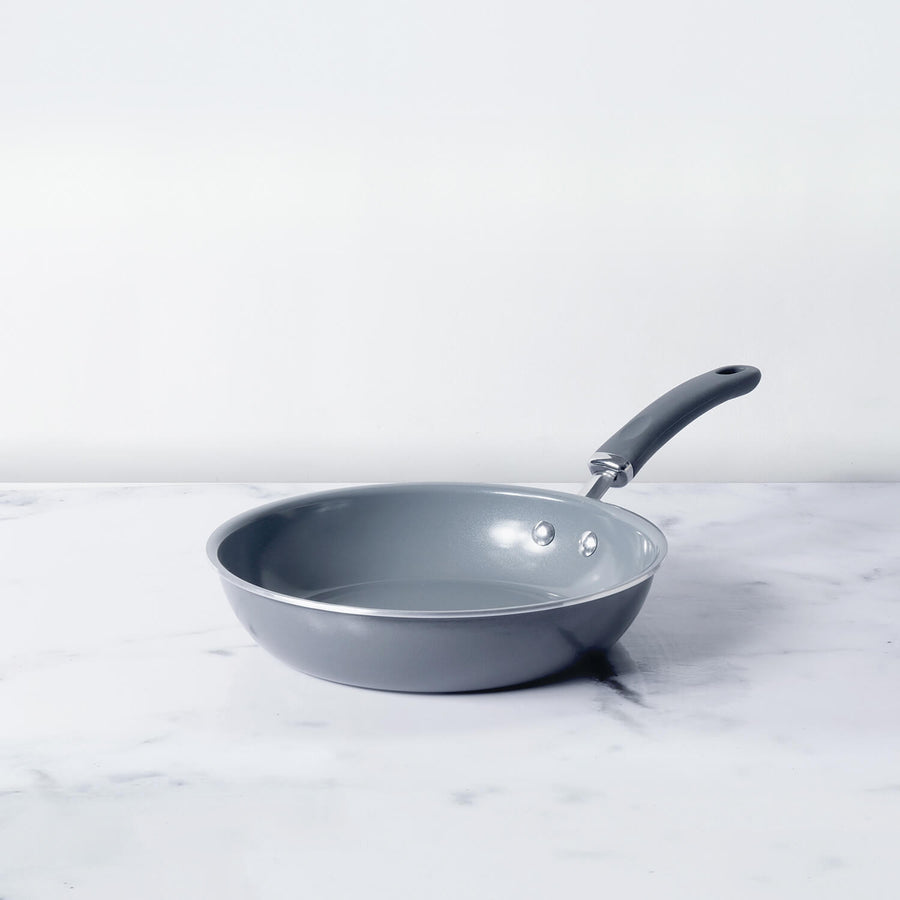


Leave a comment