



In today’s fast-paced Indian households, cookware is no longer judged only by how well it cooks, but also by how comfortable it feels in daily use. From early morning breakfasts to elaborate lunches and light dinners, Indian cooking involves frequent lifting, stirring, washing, and storage. This is where ceramic cookware stands out. Many home cooks notice immediately that ceramic cookware feels lighter, easier to handle, and less tiring compared to traditional options like cast iron, heavy stainless steel, or hard anodized cookware.
But this lightness is not accidental or superficial. It is the result of thoughtful material engineering, modern construction techniques, and a deep understanding of everyday cooking needs. Let’s explore in detail why ceramic cookware feels lighter and easier to handle, and why it has become a preferred choice for modern Indian kitchens.
Table of Contents
- 1. Ceramic Cookware Is Not Solid Ceramic
- 2. Aluminium Core Keeps Weight Low Without Compromising Strength
- 3. Efficient Heat Distribution Reduces the Need for Bulk
- 4. Faster Heat Response Means Easier Control
- 5. Ergonomic Handle Design Improves Handling
- 6. Naturally Non-Stick Surface Reduces Physical Effort
- 7. Less Oil, Less Residue, Less Scrubbing
- 8. Ideal for Multiple Cooking Sessions in a Day
- 9. Easier to Store and Stack
- 10. Beginner-Friendly by Design
- 11. Comfortable for Seniors and Health-Conscious Families
- 12. Designed for Modern Cooking Lifestyles
- 13. Final Thoughts
Ceramic Cookware Is Not Solid Ceramic
One of the most common misconceptions is that ceramic cookware is made entirely of ceramic. In reality, most high-quality ceramic cookware uses a metal core, typically aluminium, with a ceramic-based non-stick coating applied on the cooking surface.
Why this matters:
-
Aluminium is naturally lightweight
-
It offers excellent heat conductivity
-
It allows cookware to stay strong without becoming bulky
The ceramic layer enhances cooking performance and safety without adding unnecessary weight. In thoughtfully designed ranges like Meyer Anzen ceramic cookware, this balance ensures the cookware feels light in hand while remaining sturdy and reliable for daily use.

Aluminium Core Keeps Weight Low Without Compromising Strength
Compared to cast iron or thick stainless steel, aluminium is significantly lighter. Yet, when used correctly, it is more than capable of handling Indian cooking techniques such as sautéing, shallow frying, simmering gravies, and reheating leftovers.
Because ceramic cookware relies on aluminium:
- The pan heats quickly even on low to medium flame
- There is no need for thick, heavy walls
- Cooking becomes energy-efficient and controlled
This means you get excellent performance without the wrist strain commonly associated with heavier cookware.
Efficient Heat Distribution Reduces the Need for Bulk
Traditional cookware often depends on mass to manage heat. Cast iron needs thickness to retain heat, and stainless steel relies on multiple layers for even cooking. Ceramic cookware, however, works differently.
The ceramic coating:
-
Spreads heat evenly across the surface
-
Prevents hot spots that cause food to stick or burn
-
Allows efficient cooking at lower temperatures
Because heat is distributed efficiently, the cookware does not need to be thick or heavy. This is one of the key reasons ceramic pans and kadais feel noticeably lighter while still delivering consistent cooking results.
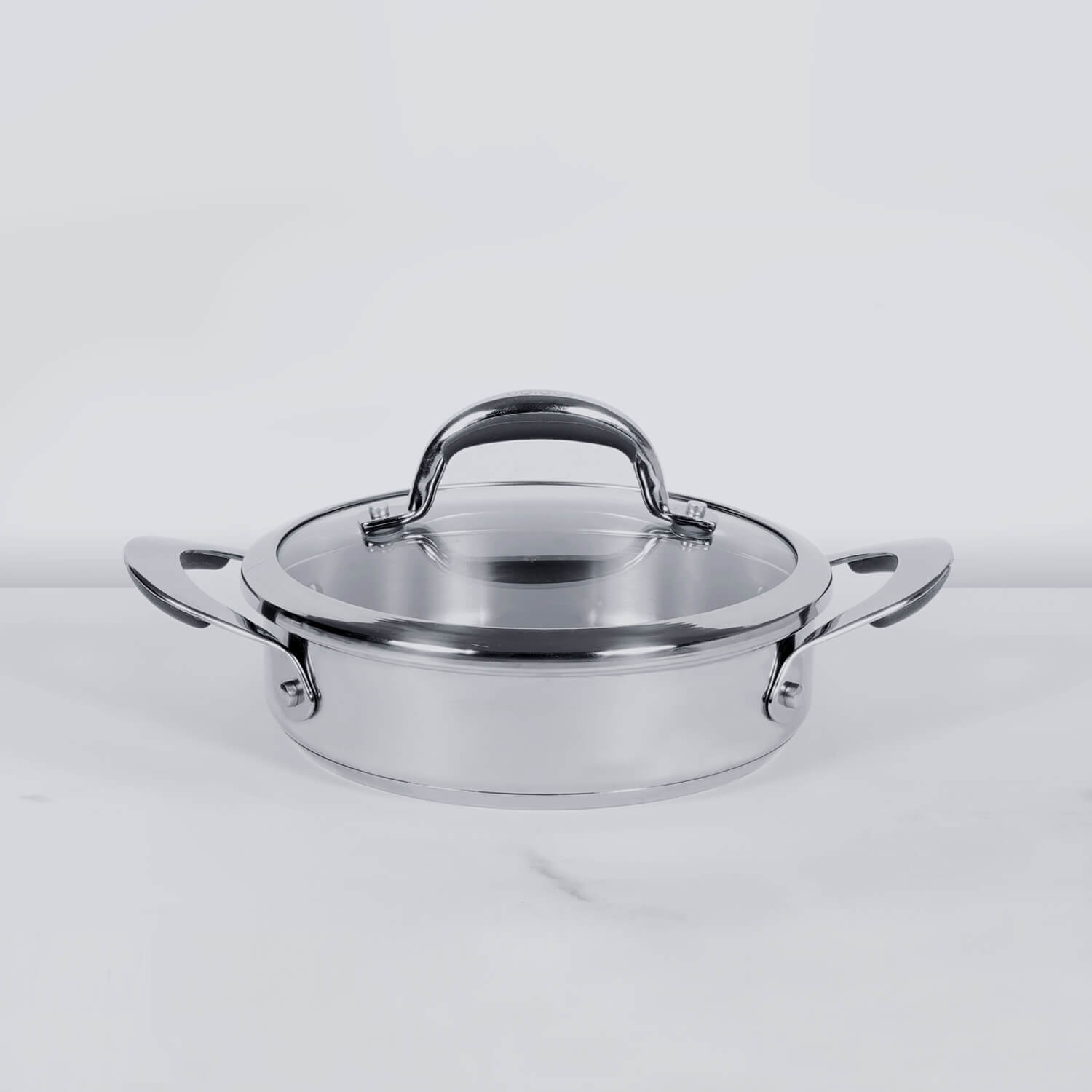
Meyer Anzen Ceramic Coated Cookware 24cm Sauteuse with Lid
Faster Heat Response Means Easier Control
Ceramic cookware responds quickly to changes in heat. When you increase or reduce the flame, the cookware reacts almost immediately.
This fast heat response:
-
Prevents overcooking
-
Reduces the need for constant lifting and adjusting
-
Makes cooking more intuitive and less tiring
For Indian dishes that require attentive cooking—like bhindi, jeera aloo, or light curries—this responsiveness adds to the feeling of ease and control.
Ergonomic Handle Design Improves Handling
Weight alone does not define how easy cookware feels. Handle design plays an equally important role.
Modern ceramic cookware typically features:
- Ergonomically shaped handles
- Lightweight, heat-resistant materials
- Balanced attachment to the pan body
In premium ceramic ranges such as Meyer Anzen, the handles are designed to distribute weight evenly. Even when the pan contains food, it feels stable rather than front-heavy, making lifting, tilting, and transferring food comfortable.
Naturally Non-Stick Surface Reduces Physical Effort
Another reason ceramic cookware feels easier to handle is its naturally smooth cooking surface.
Because food releases easily:
- Stirring requires less force
- There is minimal scraping or resistance
- Flipping, tossing, and pouring feel effortless
Whether you are making cheelas, vegetable stir-fries, or reheating dal, the cookware works with you rather than against you. This reduces hand fatigue and makes cooking more enjoyable, especially for beginners or elderly users.
Less Oil, Less Residue, Less Scrubbing
Indian cooking often involves spices, masalas, and oil. In heavier cookware, food residue can stick stubbornly, making cleaning laborious.
Ceramic cookware changes this experience:
-
Requires less oil for cooking
-
Prevents masala from clinging to the surface
-
Cleans easily with gentle washing
Since the cookware is light, lifting it for washing or rinsing is also easier. This daily convenience contributes significantly to its popularity in Indian homes.
Ideal for Multiple Cooking Sessions in a Day
Most Indian households cook more than once a day. Breakfast, lunch, evening snacks, and dinner all involve cookware movement.
Lightweight ceramic cookware:
- Reduces cumulative fatigue
- Makes frequent handling easier
- Feels comfortable even after repeated use
This is particularly beneficial for homemakers, working professionals, and anyone who manages cooking alongside other responsibilities.
Easier to Store and Stack
Heavy cookware can be difficult to store, especially in compact kitchens. Ceramic cookware, being lighter and slimmer in profile, is easier to stack and organize.
This makes it:
-
More suitable for modular kitchens
-
Easier to access from cabinets
-
Safer to handle in overhead storage
Well-designed ceramic cookware fits naturally into modern Indian kitchen layouts.
Beginner-Friendly by Design
For those new to cooking, heavy cookware can feel intimidating. Ceramic cookware offers a gentler learning curve.
Its lightness helps beginners:
- Build confidence while cooking
- Handle pans safely
- Focus on technique rather than physical effort
This is one reason ceramic cookware is often recommended for young couples setting up their first kitchen.
Comfortable for Seniors and Health-Conscious Families
As families become more health-conscious, ease of use becomes just as important as cooking performance. Lightweight ceramic cookware is especially appreciated by:
- Senior family members
- People with wrist or shoulder discomfort
- Anyone looking to reduce strain during daily chores
When combined with toxin-free coatings, ceramic cookware supports both physical comfort and peace of mind.
Designed for Modern Cooking Lifestyles
Ceramic cookware aligns well with how Indian kitchens are evolving today:
- Health-focused cooking with less oil
- Quick meals without long prep
- Safe, easy-to-maintain cookware
Brands like Meyer Anzen reflect this shift by offering ceramic cookware that balances lightness, durability, and everyday practicality without compromising safety or performance.
Final Thoughts
Ceramic cookware feels lighter and easier to handle because it is intelligently engineered for real kitchens and real cooking habits. The use of a lightweight aluminium core, efficient ceramic coating, ergonomic handles, and responsive heat performance eliminates unnecessary bulk while enhancing comfort.
For Indian households that cook daily, this lightness translates into less fatigue, better control, and a more enjoyable cooking experience. High-quality ceramic cookware, such as Meyer Anzen, demonstrates that cookware does not need to be heavy to be reliable.
If you value comfort, safety, and ease of use without sacrificing performance, ceramic cookware is a smart and practical choice for everyday Indian cooking.
MORE FROM BLOG
Top Collections

Bakeware Essentials: Choosing Between Metal, Glass, and Ceramic
2 Items
Can Ceramic Cookware Be Used for Breakfast and Light Meals?
2 Items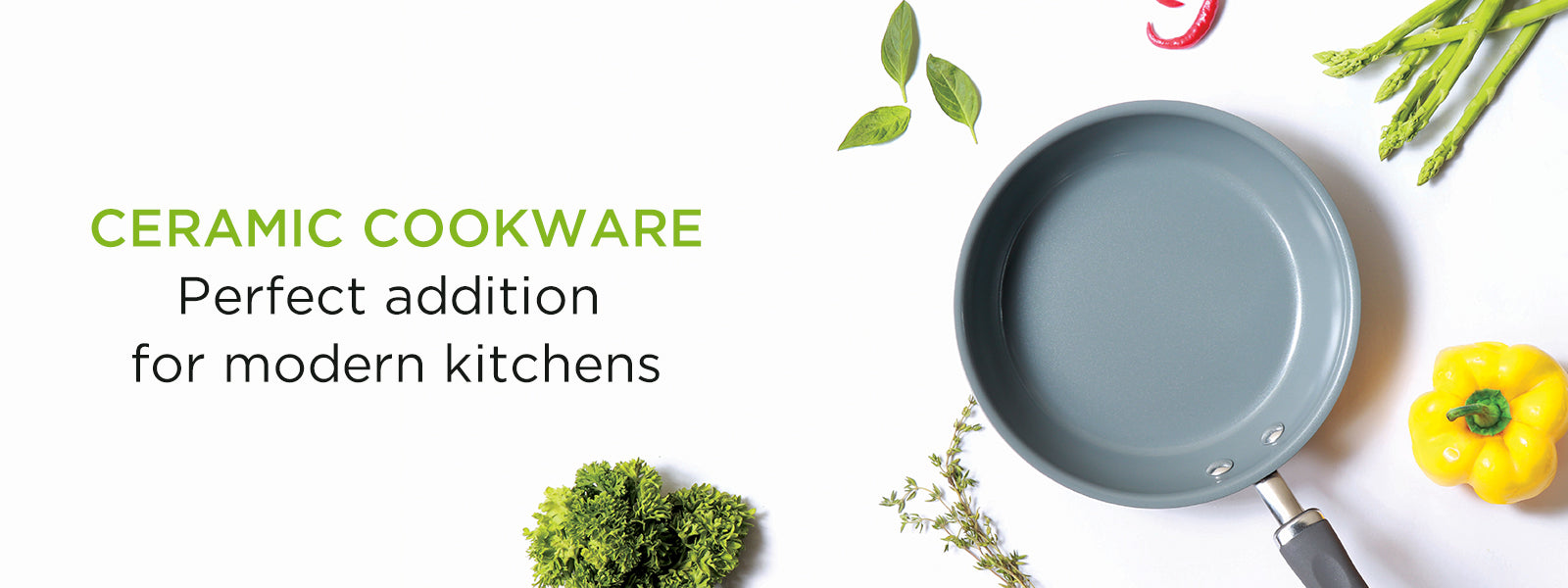
Health Benefits Of Cooking In Ceramic Cookware
2 Items
How Does Ceramic Cookware Prevent Food from Sticking Naturally?
2 Items
Is ceramic cookware good for health-conscious Indian families?
2 Items


Leave a comment