



Boiling milk seems simple, yet it’s one of the most common kitchen frustrations. You place milk on the stove, turn away for a moment, and return to find a stubborn layer stuck to the bottom of the pan—sometimes even burnt. This not only affects taste and smell but also makes cleaning difficult.
Understanding why milk sticks—and how to prevent it—can completely transform your cooking experience. With the right techniques and cookware, you can boil milk smoothly without burning or sticking.
Table of Contents
Why Does Milk Stick to the Bottom of a Pan?
Milk is not just a liquid—it is a complex mixture of water, proteins, fats, and natural sugars. Each of these components reacts differently when exposed to heat.
1. Milk Proteins Settle and Stick
Milk contains proteins like casein and whey. When heated, these proteins tend to settle at the bottom of the pan. As the temperature rises, they begin to coagulate and stick to the surface.
If the heat is too high or uneven, these proteins cook faster at the base than in the rest of the milk, forming a layer that clings to the pan.
2. Natural Sugars Caramelise
Milk contains lactose, a natural sugar. When exposed to high heat for extended periods, lactose begins to caramelise. This process causes browning and contributes to the burnt, sticky residue at the bottom.
3. Uneven Heat Distribution
If your cookware does not distribute heat evenly, certain areas of the pan become hotter than others. These hotspots cause milk solids to burn quickly, leading to sticking.
This is why the quality of the pan plays a significant role. Well-designed cookware ensures consistent heating, reducing the chances of milk burning at one spot.
4. Lack of Movement
Milk needs gentle movement while heating. When left completely undisturbed, the heavier components settle at the base and begin to stick.

How to Prevent Milk from Sticking
The good news is that milk sticking is completely preventable with a few simple adjustments.
1. Always Use Low to Medium Heat
One of the biggest mistakes is boiling milk on high heat.
High heat:
-
Causes proteins to stick quickly
-
Leads to rapid caramelisation
-
Creates burnt patches
Instead, always heat milk on low to medium flame. This allows gradual heating and prevents sudden sticking at the base.
2. Stir Frequently
Stirring is one of the simplest yet most effective techniques.
Gentle stirring:
-
Keeps proteins from settling
-
Distributes heat evenly
-
Prevents buildup at the bottom
You don’t need to stir constantly, but stirring every few seconds makes a big difference.
3. Rinse the Pan with Water Before Adding Milk
A traditional kitchen trick that works surprisingly well:
-
Rinse the pan with a little water
-
Do not wipe it completely dry
-
Then add milk
The thin layer of water creates a barrier between the milk and the metal surface, reducing the chances of sticking.
4. Use a Heavy-Bottom Pan
The type of cookware you use matters significantly.
A heavy-bottom pan:
-
Distributes heat evenly
-
Reduces hotspots
-
Prevents burning
Cookware designed with thick bases and even heat distribution—like those from Meyer—can greatly reduce the chances of milk sticking or burning.
5. Avoid Leaving Milk Unattended
Milk is one of those ingredients that requires attention.
Leaving it unattended:
-
Increases chances of sticking
-
Can lead to boiling over
-
Causes uneven heating
Even a short distraction can result in burnt residue.
6. Use a Flame Diffuser (Optional but Effective)
A flame diffuser is a simple tool placed between the stove and the pan.
It helps:
-
Reduce direct heat intensity
-
Distribute heat more evenly
-
Prevent burning
This is especially useful if your stove flame is strong or uneven.
7. Don’t Scrape the Bottom While Cooking
If milk starts sticking slightly, avoid aggressively scraping the bottom while it’s still on heat.
This can:
-
Mix burnt particles into the milk
-
Affect taste and colour
Instead, reduce heat and stir gently from the top.
8. Maintain the Right Quantity
Using too little milk in a large pan can increase the chances of sticking because:
-
Heat spreads over a larger surface
-
Milk layer becomes thinner
-
Bottom heats faster
Using an appropriately sized pan helps maintain even heating.
Common Mistakes That Lead to Sticking
-
Using high heat for faster boiling
-
Not stirring at all
-
Using thin or poor-quality cookware
-
Leaving milk unattended
-
Heating milk in a completely dry pan
Avoiding these small mistakes can make a noticeable difference.
What to Do If Milk Has Already Stuck
If you notice milk sticking:
-
Turn off or reduce the heat immediately
-
Do not scrape aggressively
-
Transfer the unstuck milk to another container if needed
For cleaning:
-
Soak the pan in warm water
-
Add a little baking soda if required
-
Let it sit before gently scrubbing
Why Cookware Quality Matters
The performance of your cookware directly affects how milk behaves while heating.
Good cookware:
-
Ensures even heat distribution
-
Prevents hotspots
-
Reduces sticking and burning
-
Makes cleaning easier
Trusted cookware brands like Meyer focus on engineering products that support everyday Indian cooking needs, including tasks like boiling milk, which require gentle and controlled heat.
Final Thoughts
Milk sticking to the bottom of a pan is a common issue, but it is entirely preventable once you understand the reasons behind it. It’s not about complicated techniques—it’s about controlling heat, maintaining movement, and using the right cookware.
Simple habits like heating on a low flame, stirring regularly, and preparing the pan correctly can completely change the outcome. Over time, these practices become second nature, and boiling milk becomes effortless rather than frustrating.
It’s also important to recognise that milk is sensitive to heat. Treating it gently ensures not just better results but also preserves its taste and nutritional value.
MORE FROM BLOG
Top Collections

26 cm Triply Tope – The Best Cookware for Festive Cooking
2 Items
Everyday Indian Dishes Made Easy with a Triply Tope
2 Items
Festive Cooking with Large-Sized Triply Tope
2 Items
How to Select Between 18 cm and 20 cm Triply Tope
2 Items
How to Select the Right Triply Tope Based on Family Size
2 Items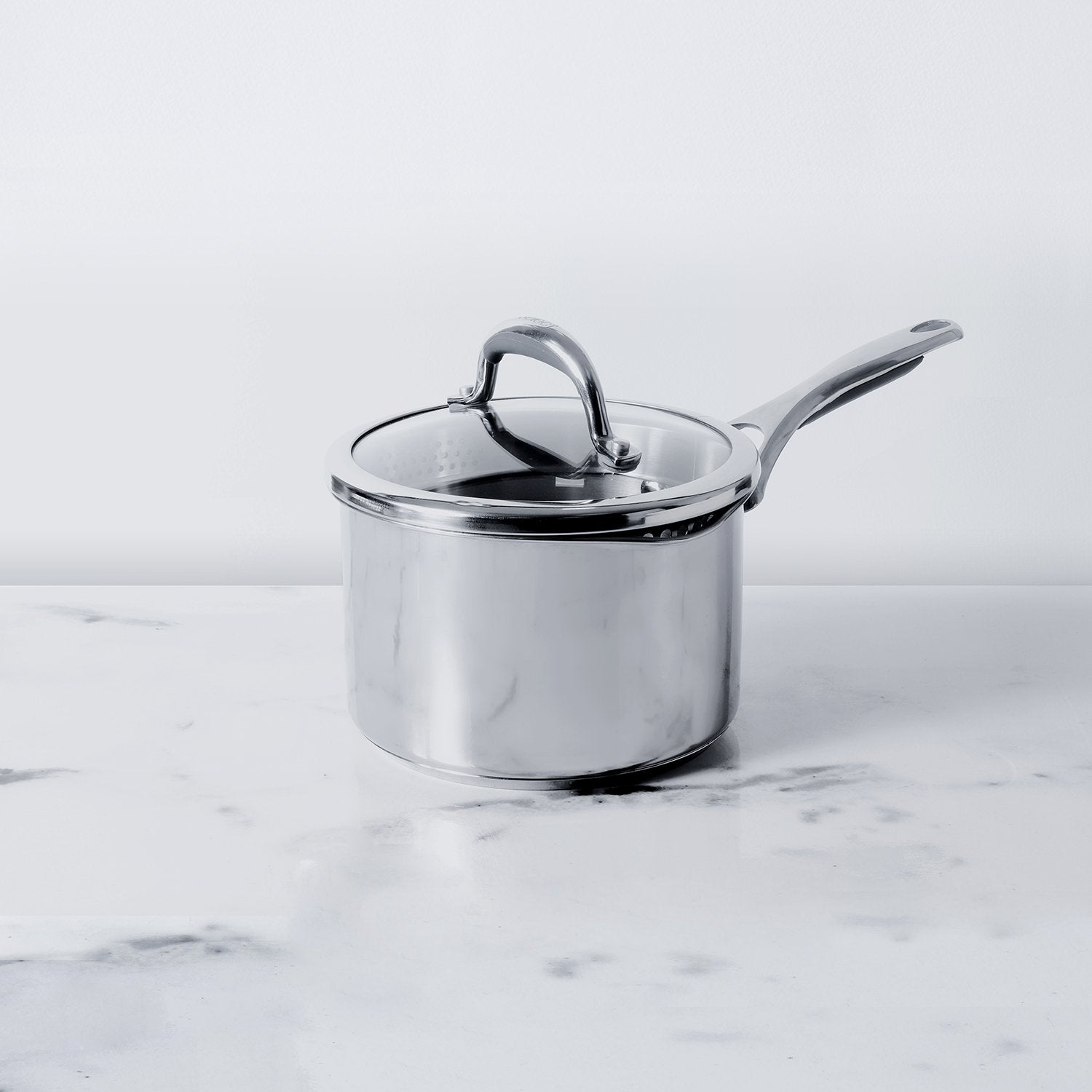


Leave a comment