



Cast iron cookware is making a strong comeback in Indian kitchens — not as a trend, but as a return to trusted cooking wisdom. With growing awareness around health, safety, and long-term value, Indian home cooks are rediscovering why cast iron was once the backbone of everyday cooking.
Modern, thoughtfully designed cast iron cookware — such as Meyer’s pre-seasoned cast iron range — has made this traditional material easier, safer, and more practical for today’s kitchens.
Table of Contents
- 1. Cast Iron Has Always Been a Part of Indian Cooking Culture
- 2. Health Concerns Are Bringing Cast Iron Back Into Focus
- 3. Better Heat Retention for Authentic Indian Flavours
- 4. Food Tastes Better With Regular Use
- 5. Built for the Demands of Indian Kitchens
- 6. Compatible With Modern Indian Cooking Setups
- 7. Supports Low-Oil, Mindful Cooking
- 8. Sustainability and Long-Term Value
- 9. Modern Cast Iron Is Easier Than Ever to Use
- 10. Conclusion
Cast Iron Has Always Been a Part of Indian Cooking Culture
Long before nonstick and aluminium cookware became common, Indian kitchens relied heavily on cast iron. From tawas for rotis and dosas to heavy-bottomed kadais and Dutch ovens for slow-cooked curries, cast iron was the material of choice.
Indian cooking methods such as:
- Slow simmering dals and gravies
- High-heat tadka and bhuna masalas
- Shallow frying snacks
- One-pot comfort meals
are naturally suited to cast iron cookware because it handles both high heat and long cooking durations exceptionally well.
Meyer’s cast iron cookware continues this legacy, offering shapes and sizes that work seamlessly with traditional Indian recipes while fitting modern kitchens.

Health Concerns Are Bringing Cast Iron Back Into Focus
One of the biggest reasons for the renewed popularity of cast iron cookware in India is health awareness.
Indian consumers today are more conscious about:
- Chemical coatings wearing off
- Long-term exposure to synthetic nonstick surfaces
- Safety of cookware used daily
Cast iron cookware offers a reassuring alternative:
- Naturally toxin-free
- No artificial coatings
- Safe for everyday Indian cooking
Meyer’s pre-seasoned cast iron cookware is designed to be naturally nonstick over time, without relying on chemical layers, making it a preferred choice for health-conscious households.
Meyer Enamel Cast Iron Skillet 26cm, Grey
Better Heat Retention for Authentic Indian Flavours
Indian dishes depend heavily on temperature control — from properly sautéed onions to well-bloomed spices.
Cast iron cookware is known for:
-
Excellent heat retention
-
Stable cooking temperature
-
Even heat distribution
This ensures:
-
No burning at the base of gravies
-
Better caramelisation of masalas
-
Deeper, richer flavours
Whether it’s rajma, chole, sambhar, or vegetable curries, cooking in a cast iron Dutch oven or kadhai — like those in Meyer’s cast iron cookware range — allows flavours to develop slowly and evenly.
Food Tastes Better With Regular Use
Unlike many modern cookware materials, cast iron cookware improves with age.
With regular use and proper seasoning:
- The cooking surface becomes smoother
- Less oil is required
- Food releases more easily
- Flavours deepen over time
Meyer’s pre-seasoned cast iron cookware gives home cooks a head start, making it easier to experience these benefits from the very beginning — even for those new to cast iron cooking.
Built for the Demands of Indian Kitchens
Indian kitchens are not gentle:
-
High flame usage
-
Frequent stirring
-
Metal spatulas
-
Daily cooking, not occasional use
Cast iron cookware is extremely durable:
- Resistant to warping
- No peeling or chipping
- Designed to last decades
Meyer’s cast iron cookware is crafted to withstand everyday Indian cooking, making it a reliable investment rather than a short-term purchase.
Compatible With Modern Indian Cooking Setups
Today’s Indian kitchens often use:
- Gas stoves
- Induction cooktops
- Ovens
- Multi-purpose cooking setups
High-quality cast iron cookware, including Meyer’s cast iron frypans and Dutch ovens, works efficiently across:
- Gas
- Induction
- Oven cooking
This versatility makes cast iron suitable for both traditional homes and contemporary urban kitchens.
Supports Low-Oil, Mindful Cooking
As more Indian households aim to:
- Reduce oil consumption
- Eat home-cooked meals
- Avoid excessive frying
Cast iron cookware becomes especially relevant.
A well-seasoned cast iron surface:
-
Requires less oil
-
Prevents food from sticking naturally
-
Supports healthier cooking without compromising taste
Meyer’s cast iron cookware allows Indian home cooks to prepare everyday meals with better control over oil and heat, supporting long-term health goals.
Sustainability and Long-Term Value
Cast iron cookware aligns with the growing preference for:
- Sustainable kitchen products
- Long-lasting materials
- Reduced replacement cycles
Unlike disposable or short-life cookware, cast iron:
-
Can last generations
-
Improves with care
-
Reduces kitchen waste
Choosing a durable cast iron range like Meyer’s is both an eco-conscious and economical decision for Indian households.
Modern Cast Iron Is Easier Than Ever to Use
Earlier, many home cooks avoided cast iron due to:
- Rust concerns
- Complicated seasoning
- Heavy maintenance
Modern pre-seasoned cast iron cookware has changed that perception.
Meyer’s cast iron cookware is:
-
Pre-seasoned and ready to use
-
Easier to maintain
-
Designed for modern convenience while retaining traditional performance
This makes cast iron accessible even to first-time users.
Conclusion: Cast Iron’s Comeback Is Built on Trust, Not Trend
Cast iron cookware is popular in Indian kitchens again because it solves real, everyday cooking needs — health, flavour, durability, and versatility.
With thoughtfully designed, pre-seasoned options like Meyer’s cast iron cookware, Indian home cooks no longer have to choose between tradition and modern convenience. They get both.
As Indian kitchens continue to value authentic cooking, long-term safety, and sustainable choices, cast iron cookware is not just returning — it is here to stay.
MORE FROM BLOG
Top Collections
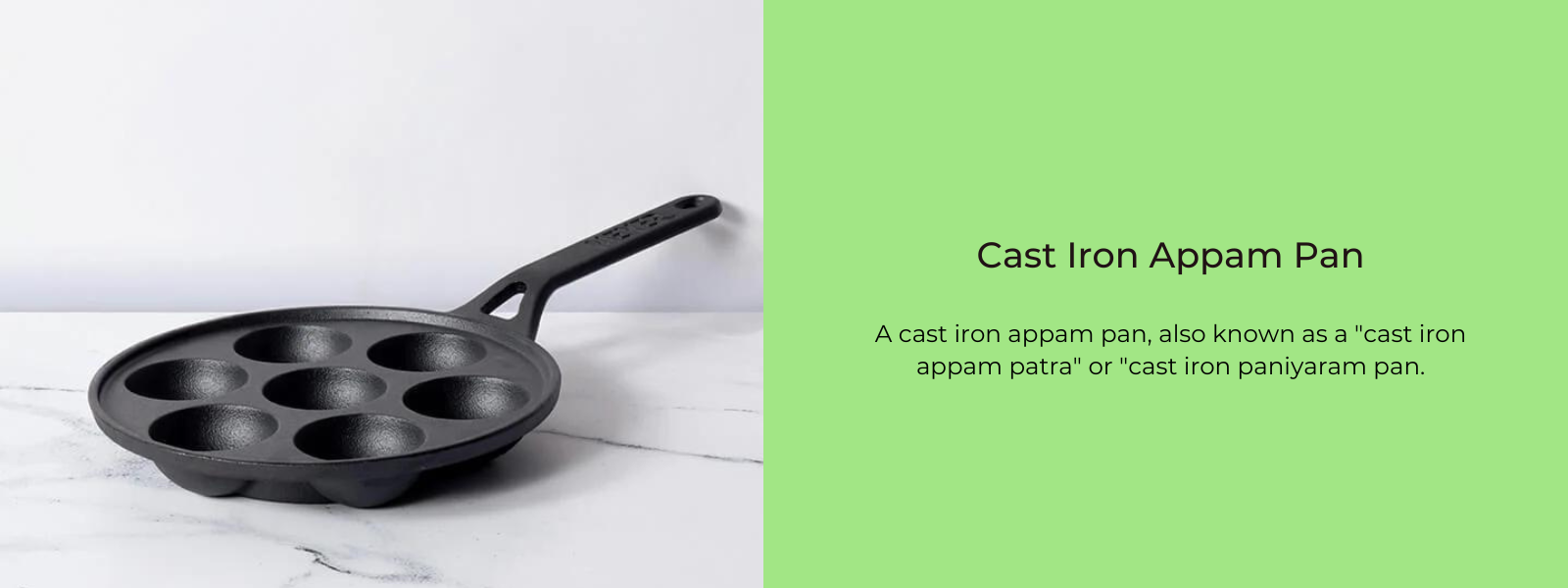
Cast Iron Appam Pan: Cookware That Lasts For Lifetime
2 Items
Cast Iron Cookware: Best Practices for Cleaning and Storage
2 Items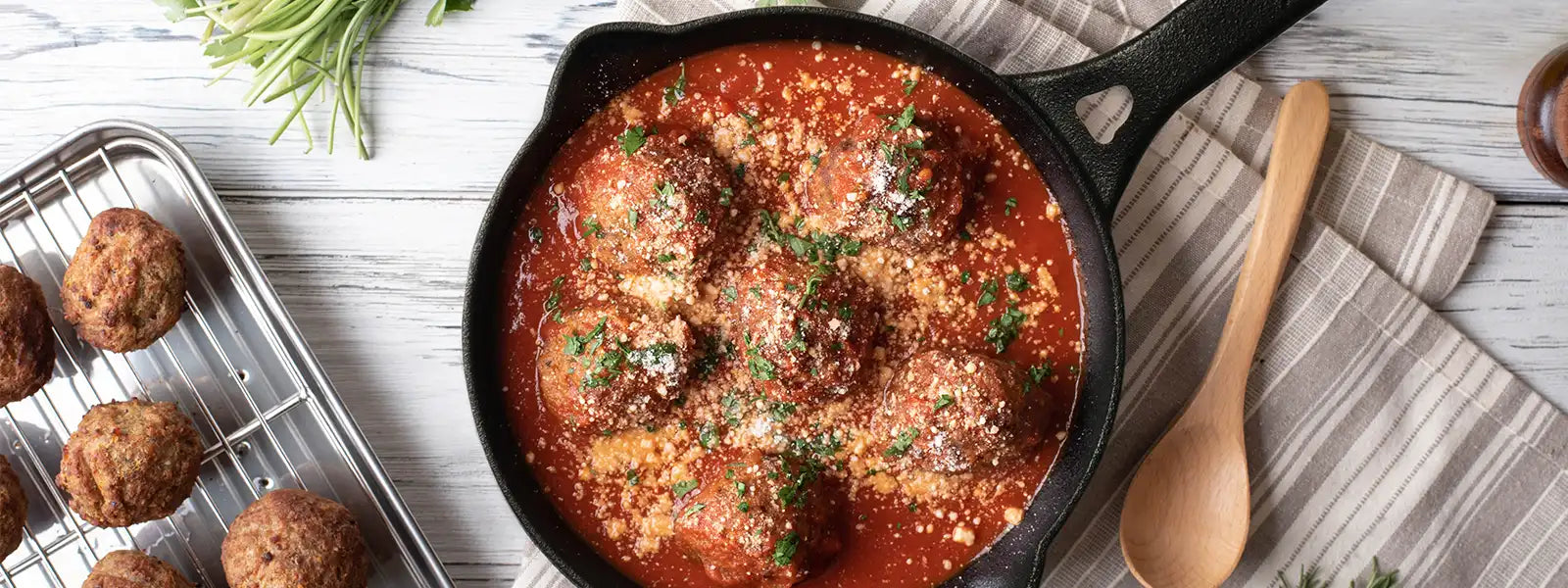
Cast iron cookware for Indian Curries
2 Items
Cast Iron Cookware: The Ultimate Guide to Cooking on an Open Fire
2 Items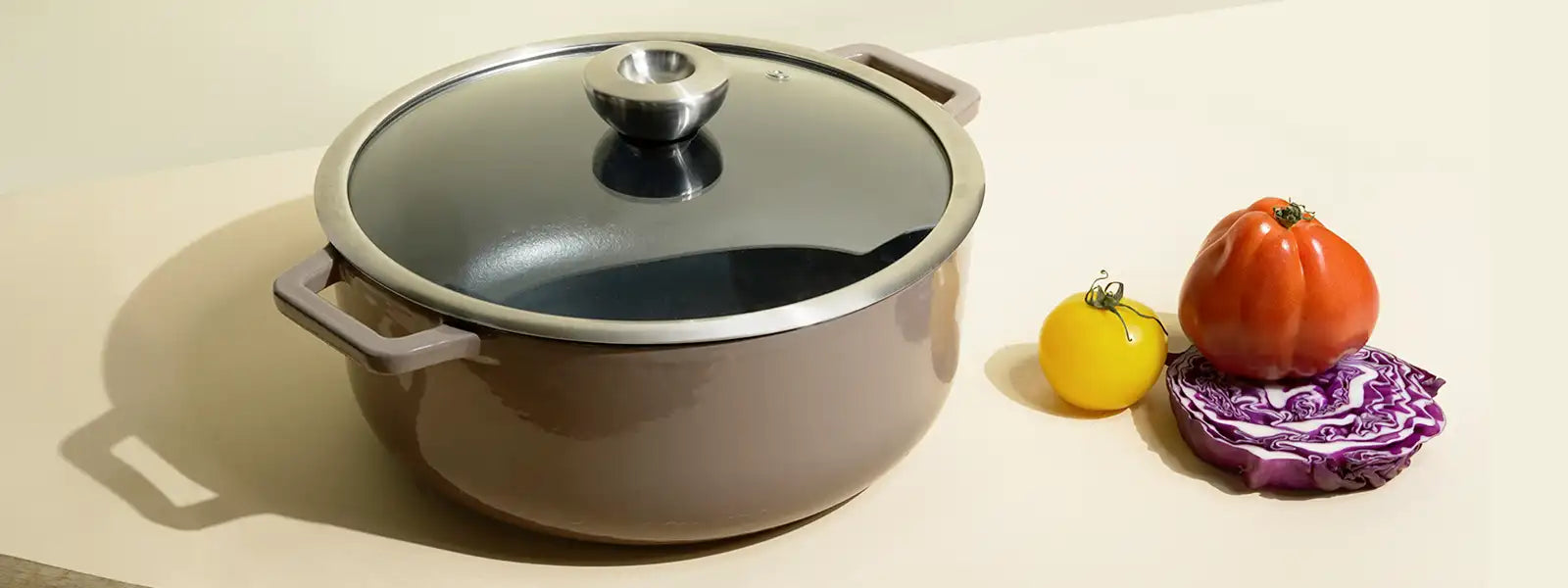
Enameled Cast Iron Vs Cast Iron. Which is better?
2 Items


Leave a comment