



Bringing home a brand-new non-stick pan is always exciting—sleek surface, effortless cooking, and minimal oil usage. But for many users, the first few cooking sessions come with an unexpected surprise: a faint smell or odour when the pan heats up.
If you’ve experienced this, you’re not alone. The good news is that in most cases, this odour is completely normal and temporary. However, understanding the reason behind it—and knowing how to handle it correctly—can make all the difference in ensuring safe, long-lasting use of your cookware.
Table of Contents
- 1. Understanding Non-Stick Cookware
- 2. Why Does a New Non-Stick Pan Smell?
- 3. Is the Odour Harmful?
- 4. How to Remove the Odour from a New Non-Stick Pan
- 5. How Long Will the Smell Last?
- 6. Preventing Odours in the Long Run
- 7. Common Myths About Non-Stick Odours
- 8. Why Choosing the Right Cookware Matters
- 9. Final Thoughts
Understanding Non-Stick Cookware: What’s Behind the Coating?
Modern non-stick cookware is designed for convenience, efficiency, and healthier cooking. Most high-quality non-stick pans use advanced coatings such as PTFE, which creates a smooth, low-friction surface that prevents food from sticking.
These coatings are:
-
Safe for cooking at recommended temperatures
-
Designed to reduce oil consumption
-
Engineered for durability and ease of cleaning
Premium cookware ranges further enhance these coatings with multi-layer technology, ensuring better performance and longevity.

Why Does a New Non-Stick Pan Smell?
1. Burn-Off of Manufacturing Residues
During production, cookware often goes through multiple finishing processes. To protect the surface during storage and shipping, a thin layer of oil or protective residue may remain.
When you heat the pan for the first time, this layer burns off, releasing a mild odour. This is completely normal and usually disappears after the first few uses.
2. Initial Stabilisation of the Coating
When the non-stick coating is heated for the first few times, it undergoes a stabilisation process. This can release a faint smell, especially if the pan is heated empty or on high heat.
This is not a sign of damage—it’s simply the coating settling into regular use.
3. Packaging-Related Odours
Sometimes, the smell comes from external sources rather than the pan itself:
-
Plastic wrapping
-
Cardboard packaging
-
Storage environments
These odours can get absorbed and become noticeable when the pan is heated.
4. Overheating the Pan (Common Mistake)
One of the biggest triggers for unpleasant odours is overheating.
Heating an empty non-stick pan or exposing it to very high temperatures can cause the coating to emit fumes. While occasional mild overheating isn’t dangerous, repeated exposure can degrade the coating over time.
Is the Odour Harmful?
In Most Cases: No
A mild smell during the first few uses is generally harmless, especially when:
- The pan is used on low to medium heat
- It is not overheated
- The kitchen is well-ventilated
Modern non-stick cookware is manufactured to meet strict safety standards and is typically PFOA-free, making it suitable for everyday cooking.
When Should You Be Concerned?
While initial odours are normal, you should pay attention if:
- The smell is strong, sharp, or chemical-like
- It persists beyond 3–4 uses
- The coating shows signs of damage (bubbling, peeling, or discolouration)
These may indicate overheating, misuse, or a quality issue.
How to Remove the Odour from a New Non-Stick Pan
1. Wash Thoroughly Before First Use
Always clean your pan before cooking:
-
Use warm water and mild dish soap
-
Clean with a soft sponge
-
Rinse and dry completely
2. Do a Light Pre-Use Conditioning
While non-stick cookware doesn’t require traditional seasoning, a simple step helps reduce odours:
- Heat the pan on low
- Add a teaspoon of oil
- Spread evenly and wipe off excess
3. Avoid Heating an Empty Pan
Never preheat a non-stick pan without oil or food.
Empty heating can:
- Cause odour
- Damage the coating
- Reduce the lifespan of the cookware
4. Use Low to Medium Heat
Non-stick cookware performs best on moderate heat.
Cooking on the right heat:
-
Prevents fumes
-
Preserves coating integrity
-
Enhances longevity
5. Ensure Proper Ventilation
During the first few uses:
-
Switch on the exhaust fan
-
Open kitchen windows
This helps disperse any temporary odours quickly.
How Long Will the Smell Last?
In most cases:
-
The smell disappears within 1 to 3 uses
-
It does not return with proper care
If the odour persists, review your cooking practices or check the cookware quality.
Preventing Odours in the Long Run
To keep your non-stick cookware fresh and odour-free:
- Clean after every use
- Avoid burnt oil buildup
- Use wooden or silicone utensils
- Store in a dry place
- Avoid abrasive cleaners or metal scrubbers
Consistent care plays a major role in maintaining both performance and hygiene.
Common Myths About Non-Stick Odours
Myth 1: Smell Means Toxic Chemicals
A mild smell during first use is normal and not harmful.
Myth 2: All Non-Stick Coatings Are Unsafe
Modern coatings are rigorously tested and safe when used correctly.
Myth 3: High Heat Improves Cooking
Non-stick cookware works best on medium heat—high heat can damage it.
Why Choosing the Right Cookware Matters
The quality of your non-stick pan plays a crucial role in:
-
Safety
-
Performance
-
Odour control
-
Durability
Well-designed cookware ensures better heat distribution, reduced chances of overheating, and a more stable cooking experience from the very first use.
Final Thoughts
A new non-stick pan releasing a slight odour can feel concerning at first, especially when you’re expecting a seamless cooking experience. However, in reality, this is simply a natural part of the pan’s transition from factory-finished to kitchen-ready. The initial smell is typically caused by harmless residues or the first-time heating of the coating and is not a sign of danger when the cookware is used correctly.
What truly matters is how you respond to it. Taking a few simple steps—like washing before first use, avoiding empty heating, cooking on moderate heat, and ensuring good ventilation—can quickly eliminate the odour and set the foundation for long-term performance. These habits not only address the initial smell but also protect the integrity of the non-stick surface over time.
It’s also important to recognise that non-stick cookware is designed for efficiency, not extreme heat. When used within recommended conditions, it remains one of the safest and most convenient options for everyday cooking, especially in busy kitchens where ease and speed matter.
In the long run, a well-maintained non-stick pan rewards you with consistent cooking results, easy cleaning, and a hassle-free experience. Instead of worrying about the initial odour, consider it a short-lived phase—one that quickly fades as your cookware settles into regular use. With mindful handling and the right practices, your non-stick pan will continue to perform reliably, making everyday cooking smoother, safer, and more enjoyable.
MORE FROM BLOG
Top Collections
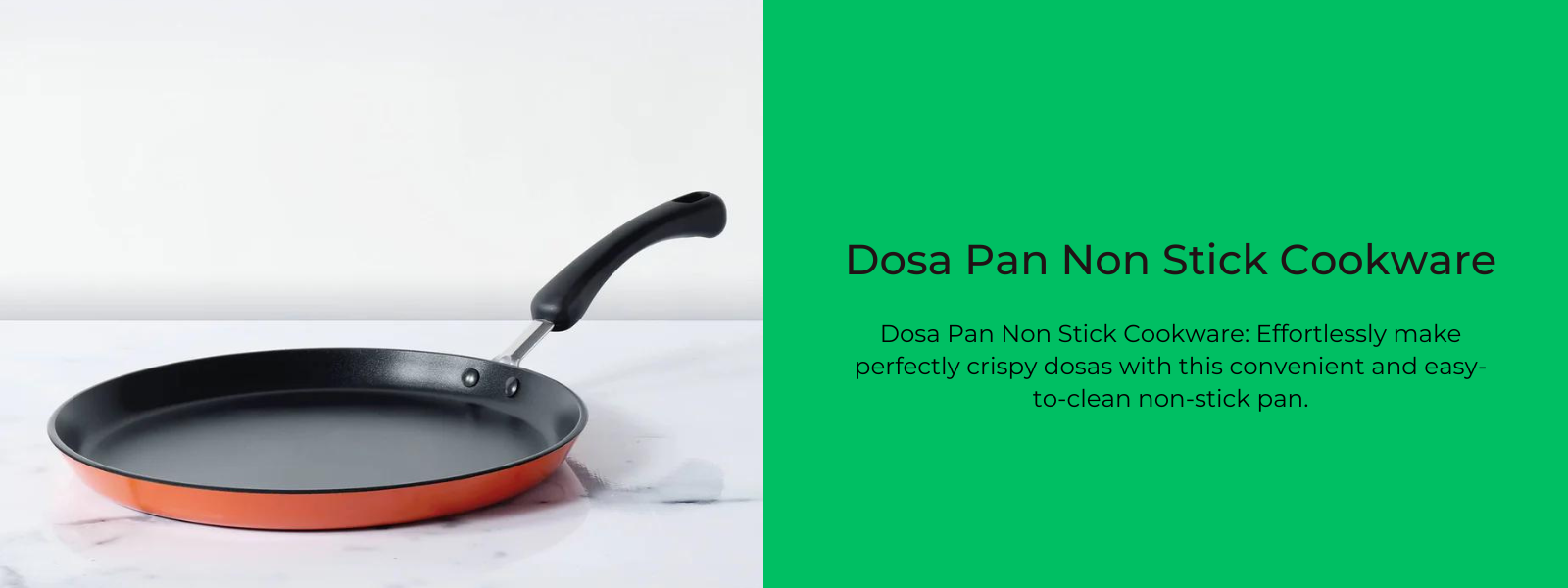
Best Dosa Pan Non Stick Cookware In India
2 Items
Best Non Stick Roti Tawa Price: Cookware For Everyone
2 Items
Can Cast Iron cookware surface become Non-stick?
2 Items
Can Non-Stick Cookware Be Used for Making Sabzi and Omelettes Daily?
2 Items
How to Select the Best Non-Stick Pans for Baking Cakes and Cookies
2 Items


Leave a comment