



If your cookware feels sticky even after a proper wash, you’re experiencing one of the most common after-effects of Indian cooking. Thick gravies, oily tadkas, caramelised onions, ghee-rich halwas, and spice-heavy masalas tend to leave behind stubborn residues that cling to the pan long after cooking is done. These residues not only affect cooking performance but also shorten the lifespan of your cookware if not cleaned correctly.
Understanding why cookware becomes sticky—and how to clean it safely—helps keep your pans performing like new, whether you’re using stainless steel, hard-anodised, non-stick, ceramic, or cast iron. High-performing cookware such as Meyer Merlot, Circulon, Meyer Accent, or Meyer Cast Iron can help reduce stickiness, but even premium surfaces need the right care.
Table of Contents
Why Your Cookware Turns Sticky After Indian Cooking
1. Oil Polymerisation from High-Heat Tadka
Indian tempering often uses oils like mustard, peanut, and coconut—oils that have lower smoke points. When heated beyond these points, the oil polymerises and turns into a thick, sticky residue.
This varnish-like layer sticks to the base and sides, especially on stainless steel and cast iron cookware.
Why it’s worse in Indian kitchens:
- High-heat frying of spices
- Repeated tadka for dals and sabzis
- Use of ghee, which burns quickly
- Thin pans overheating faster
Cookware with even heating—such as Meyer Presta or Circulon’s raised-circle technology—helps reduce polymerisation.
2. Masala Oils and Spice Pigments
Turmeric, red chili powder, coriander, cumin, and garam masala all release aromatic oils when heated.
These spice oils bind tightly with cooking fat and form a sticky orange-yellow film.
This film adheres strongly to:
- Non-stick coatings
- Stainless steel
- Hard-anodised interiors
Non-stick collections like Meyer Merlot reduce sticking during cooking, but spice pigments still need proper cleaning afterward.
3. Milk Solids, Onions & Sugar Residue
Many Indian dishes include:
- Milk
- Paneer
- Cream
- Caramelised onions
- Jaggery
- Sugar
These ingredients create sticky layers because they caramelise quickly and cling to the cooking surface—especially when simmered for long periods.
This is why dishes like:
- Halwa
- Kheer
- Butter chicken
-
Paneer masala
often leave sticky, brownish patches.
4. Uneven Heat from Thin or Low-Quality Cookware
Thin cookware develops hot spots, causing certain areas to burn food faster while others remain undercooked.
This results in:
-
Burnt oil patches
-
Sticky centres
-
Hard-to-clean edges
Tri-ply steel like Meyer Trvantage or heavy bases like Meyer Cast Iron prevent this by distributing heat evenly.
5. Using Wrong Cleaning Tools
Metal scrubbers, harsh powders, and steel wool may feel effective, but they create microscopic scratches.
These scratches trap:
- Oil
- Masala residue
- Burnt spices
Over time, the pan feels sticky even when freshly washed.
6. Leftover Detergent Film
Sometimes cookware feels sticky because detergent was not fully rinsed. This film attracts dust and oil and forms a dull, tacky layer.
This is especially common with:
-
Non-stick pans
-
Ceramic cookware
-
Enamelled surfaces

How to Fix Sticky Cookware After Indian Cooking
1. Hot Water + Dish Soap Degreasing (Universal Method)
Safe for all cookware, including non-stick, ceramic, cast iron (for initial cleaning), stainless steel, and enamel.
Steps:
-
Fill the cookware with very hot water.
-
Add a small amount of dish soap.
-
Let it soak for 30 minutes.
-
Scrub gently with a soft sponge.
This method removes fresh oils and masala residues quickly and safely.
2. Baking Soda + Boiling Water (Stainless Steel & Hard-Anodised Only)
Ideal for tri-ply steel like Meyer Presta or hard-anodised cookware like Meyer Accent.
Steps:
-
Add water to the pan and bring to a boil.
-
Add 1–2 teaspoons baking soda.
-
Simmer for 5–7 minutes.
-
Let it cool and scrub lightly.
This removes polymerised oils effectively.
3. Vinegar Steam Clean (For Deep Stickiness)
Great for stubborn stains on stainless steel.
Steps:
-
Add equal parts vinegar and water.
-
Heat until steaming.
-
Turn off heat, cool, and wipe.
Avoid frequent use on enamel or non-stick.
4. Lemon + Salt Scrub (Natural Option)
A traditional Indian kitchen hack for stainless steel.
Steps:
-
Sprinkle coarse salt.
-
Use a cut lemon to gently scrub.
-
Rinse and dry immediately.
This lifts sticky films, odours, and yellow masala stains.
5. Re-Seasoning (For Cast Iron or Carbon Steel)
If Meyer Cast Iron feels sticky, seasoning helps reset the surface.
Steps:
-
Wash thoroughly and dry completely.
-
Apply a thin layer of oil.
-
Heat until the oil lightly smokes.
-
Cool and wipe excess.
This creates a smooth, naturally non-stick surface.
6. Use Degreasing Sprays (For Non-Stick Cookware Like Meyer Merlot)
Non-stick cookware should never be scrubbed aggressively.
A mild, non-abrasive degreasing spray loosens oil films without harming the coating.
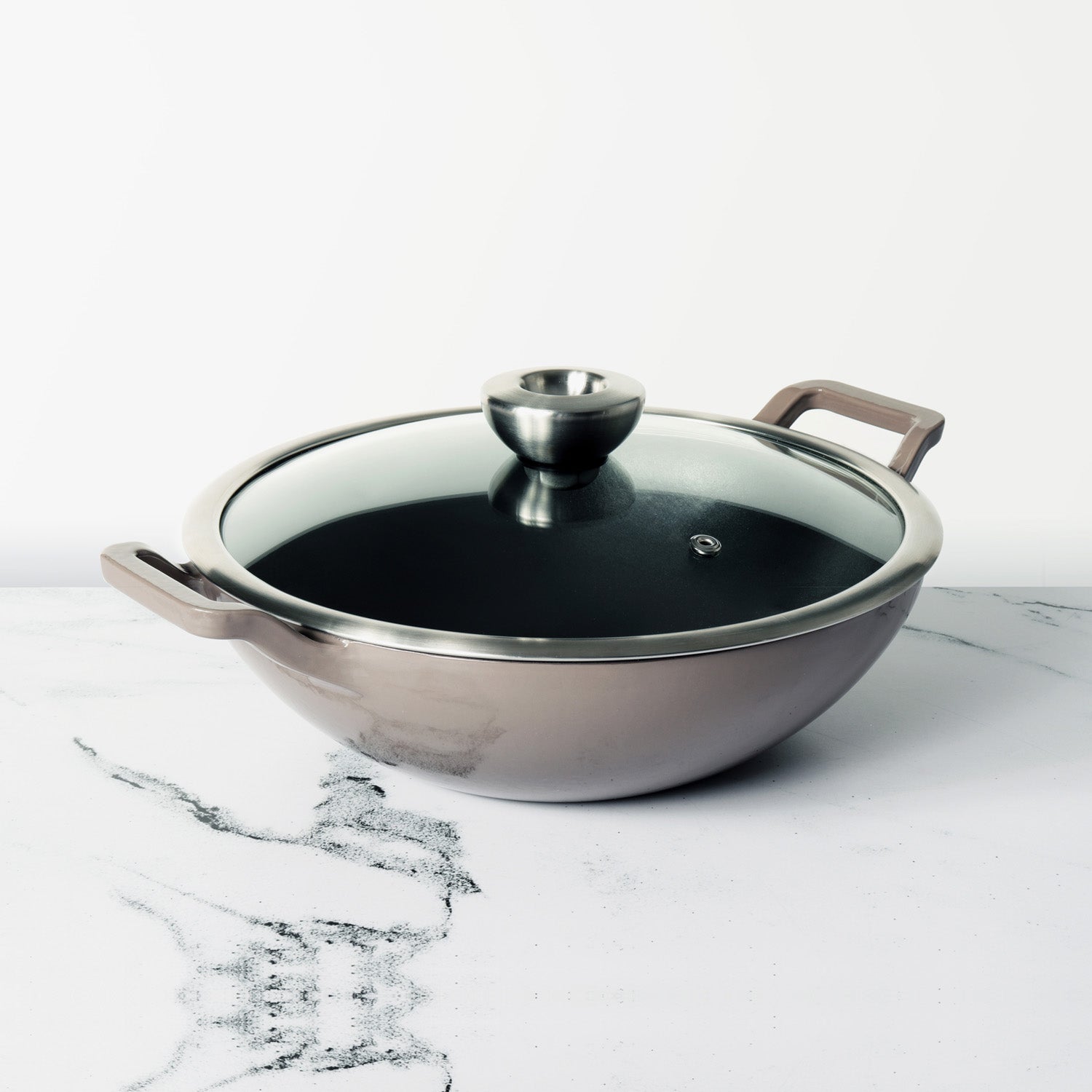
Meyer Anzen Ceramic Coated Cookware 26cm Kadai with Lid
Cookware-Specific Tips
Stainless Steel
-
Excellent for high-heat cooking
-
Handles alkaline cleaning (baking soda)
-
More resistant to stickiness with proper preheating
Hard-Anodised
- Dense, durable surface
- Withstands boiling with baking soda
- Avoid metal scrubs
Non-Stick
- Use only soft sponges
- Avoid overheating
- Clean immediately after use
Cast Iron
-
May feel sticky if not seasoned correctly
-
Clean with warm water and a stiff brush
-
Re-season regularly
How to Prevent Stickiness: Practical Kitchen Hacks
1. Preheat Cookware Properly
Stainless steel should undergo the “water drop test”
– Add a drop of water
– If it dances, it’s ready
2. Don’t Overheat Oil
Turn the heat down before adding spices.
3. Deglaze After Cooking
Add a splash of hot water while pan is still warm to loosen masala residue.
4. Use Enough Fat
Too little oil burns; too much leaves sticky residue.
5. Store Only When Dry
Moisture traps dust and oil, making pans feel tacky.
6. Avoid Metal Scrubbers
Protect the cookware surface to prevent oil-catching scratches.
Conclusion
Sticky cookware is a natural outcome of Indian cooking, but with the right methods—and the right cookware—you can avoid buildup and keep your pans spotless. Whether you cook on triply, non-stick, cast iron or hard-anodised surfaces, a combination of proper heat control, safe cleaning practices, and traditional kitchen hacks can keep your cookware performing beautifully for years.
MORE FROM BLOG
Top Collections
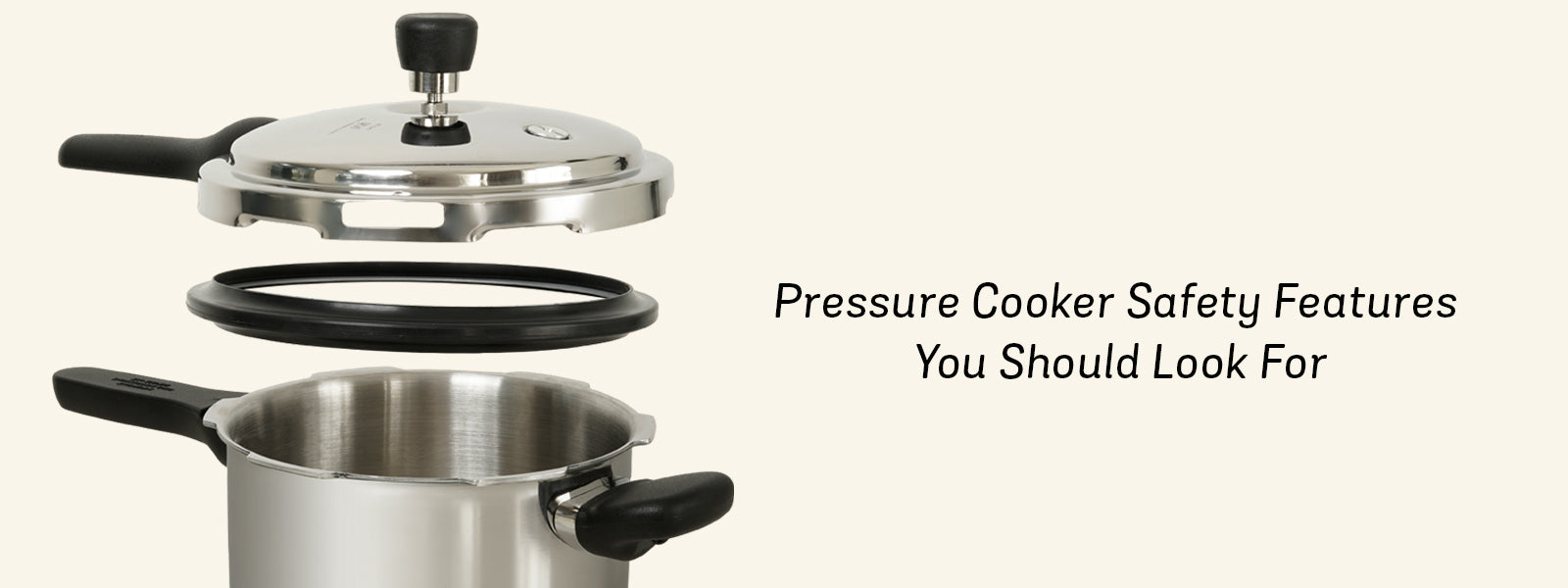
10 Litre Pressure Cookers for Large Families
2 Items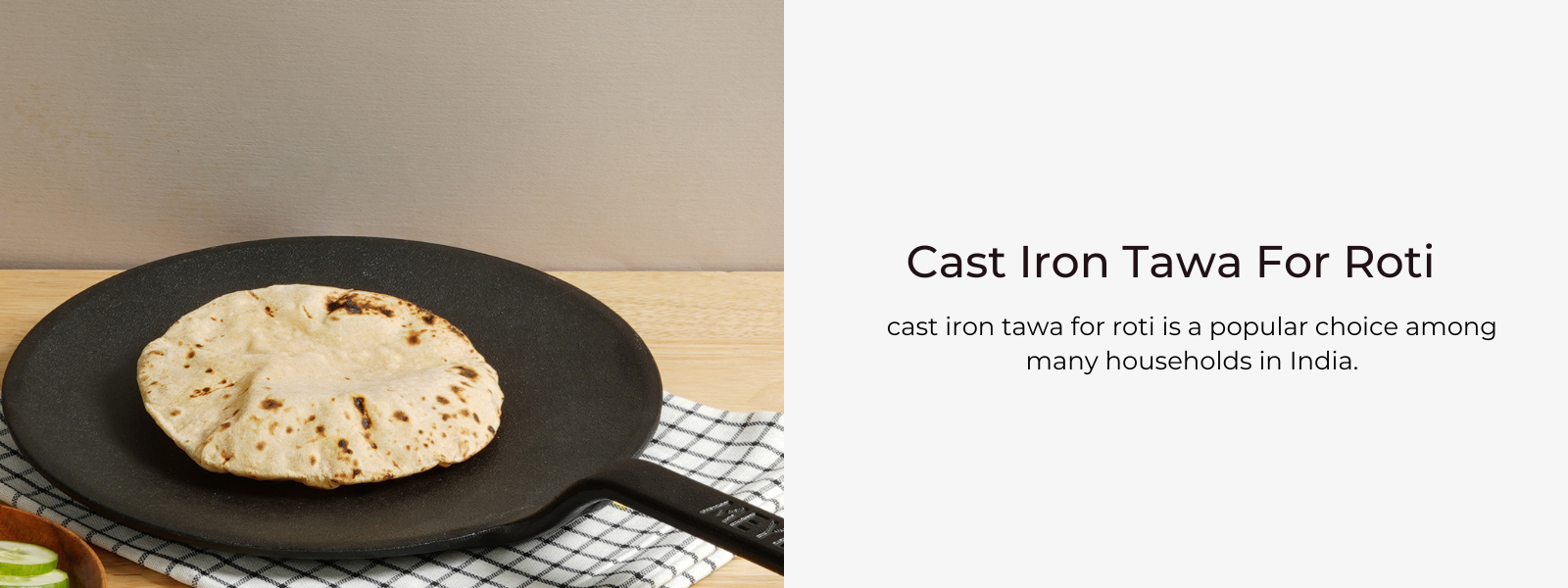
Best Cast Iron Tawa For Roti In India For Easy Cooking
2 Items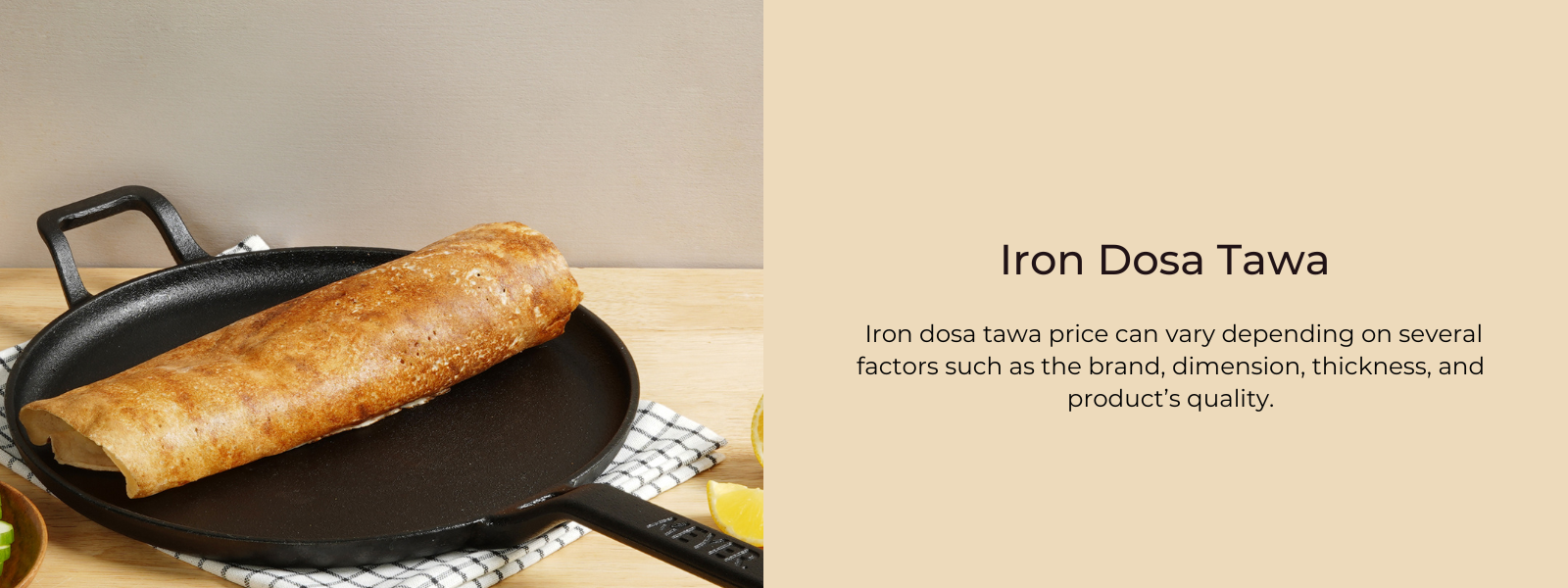
Best Iron Dosa Tawa Price: Pre-seasoned Cast Iron Tawa at a Special Rate
2 Items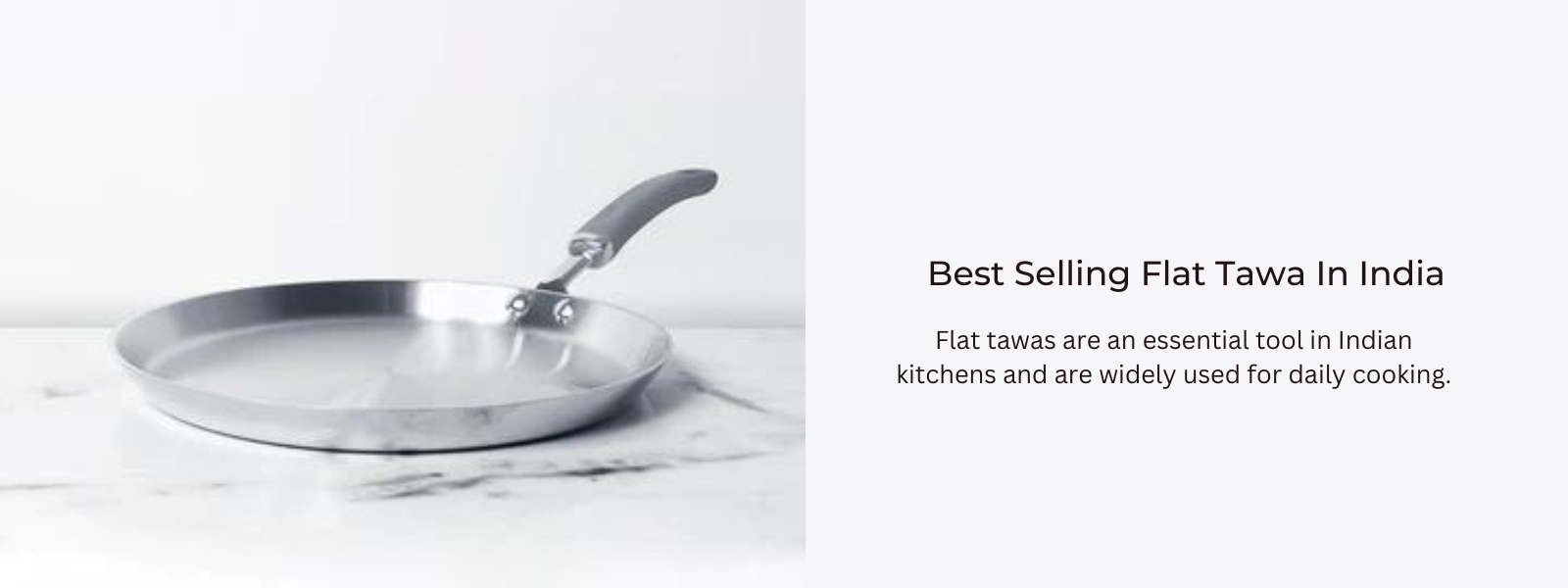
Best Selling Flat Tawa In India For Daily Cooking
2 Items
Best tools to help you lose weight in 2023
2 ItemsFrom Our Shop


Leave a comment