



Dal is more than just a dish in Indian households—it’s comfort, nourishment, and routine all rolled into one. From a simple weekday meal to a wholesome weekend lunch, dal is often the centerpiece of the plate. That’s why it can be especially frustrating when something as basic goes wrong. Opening your pressure cooker to find dal burnt and stuck at the bottom not only affects the taste with a bitter, smoky flavour but also makes cleaning a tedious task.
The truth is, burnt dal isn’t bad luck—it’s usually the result of a few small but important missteps. Once you understand how heat, water, and cookware interact, you can completely avoid this issue. And with more controlled cooking solutions like the Meyer Presta Stainless Steel Cookware, achieving perfectly cooked, smooth dal becomes much easier and far more consistent.
Table of Contents
- 1. Why Does Dal Burn in a Pressure Cooker?
- 2. Not Enough Water
- 3. Cooking on High Heat Throughout
- 4. Not Stirring Before Closing the Lid
- 5. Thick or Overly Starchy Consistency
- 6. Limitations of Traditional Pressure Cooking
- 7. Adding Tadka Too Early
- 8. Residue and Poor Cleaning
- 9. Cooking Very Small Quantities
- 10. Signs Your Dal Is About to Burn
- 11. Why Meyer Presta Enhances Dal Cooking
- 12. Final Thoughts
Why Does Dal Burn in a Pressure Cooker?
Dal burns when the balance between liquid, heat, and cooking time is disrupted. Inside a pressure cooker, everything happens quickly and under high pressure, which leaves little room for correction once the lid is sealed. If the conditions inside aren’t right from the start, the dal can settle at the bottom, lose moisture, and begin to stick and burn before it has a chance to cook evenly.
Understanding these causes in detail is the first step toward fixing the problem for good.
One of the most common reasons for burnt dal is insufficient water. Dal needs enough liquid not just to cook, but to remain suspended and move freely as heat builds. When there isn’t enough water, the dal quickly absorbs whatever is available, leaving the bottom layer dry and exposed to direct heat. As the temperature rises, this dry layer begins to stick to the base of the cooker and eventually burns, creating that unpleasant smell and taste. This is especially common with thicker dals like toor or masoor, which naturally absorb more water. To avoid this, it’s important to be slightly generous with water, especially if you’re unsure about the exact ratio. You can always simmer the dal later to achieve your desired consistency, but once it burns, there’s no going back. Pressure cooking often gives the impression that higher heat means faster results, but in reality, it can do more harm than good. When dal is cooked on high heat throughout, the base of the cooker becomes excessively hot even before enough steam has built up inside. This intense heat causes the dal at the bottom to cook faster than the rest, leading to uneven cooking and eventual burning. The upper layers may still be undercooked while the bottom layer sticks and scorches. A more effective approach is to start on medium heat and allow the pressure to build gradually. Once the first whistle is reached, lowering the heat ensures gentle, even cooking. This simple adjustment can make a significant difference in preventing burnt dal. It may seem like a small step, but not stirring the dal before sealing the pressure cooker can lead to uneven cooking. When dal, water, and spices are added without mixing, heavier particles tend to settle at the bottom. This creates a dense layer that is more prone to direct heat exposure. As cooking begins, this layer heats up faster than the rest, increasing the chances of sticking and burning. Taking a few seconds to stir everything together ensures that the dal is evenly distributed in the water, creating a uniform cooking environment. It’s a simple habit that can prevent a common kitchen mishap. Certain dals naturally become thick and starchy when cooked, especially if they have been soaked for long periods or ground slightly. While this is great for texture, it can pose a challenge during pressure cooking. A thicker mixture doesn’t circulate as easily, which means the bottom layer is more likely to remain in constant contact with heat. This increases the risk of sticking and burning, particularly if the water content is low. To manage this, it’s important to maintain a slightly thinner consistency before pressure cooking. You can always thicken the dal later by simmering it uncovered, but starting with a thick mixture often leads to problems. While pressure cookers are convenient, they don’t always offer the level of control needed for delicate dishes like dal. Once the lid is closed, you can’t adjust or monitor what’s happening inside. This lack of visibility makes it easier for things to go wrong without warning. This is where cookware like the Meyer Presta Stainless Steel Cookware becomes incredibly useful. Designed for even heat distribution and better control, it allows you to cook or finish dal on an open flame, where you can monitor consistency, adjust heat, and stir as needed. The result is a smoother, more evenly cooked dal with no risk of burning at the base. Tadka is what gives dal its signature aroma and flavour, but timing matters. Adding oil, ghee, or spices directly into the pressure cooker before cooking can sometimes backfire. These ingredients tend to settle at the bottom, where they are exposed to direct heat. This not only increases the chances of burning but can also cause the spices to turn bitter. For best results, it’s always advisable to prepare and add the tadka after the dal has been pressure cooked. Finishing the dal in a pan from the Meyer Presta range allows you to control the heat and blend flavours beautifully without the risk of scorching. A frequently overlooked cause of burnt dal is leftover residue from previous cooking. Even a thin layer of burnt food stuck to the base of the cooker can act as a hotspot, causing fresh dal to stick and burn more quickly. Ensuring that your cooker is thoroughly cleaned before use is essential. A clean cooking surface promotes even heat distribution and reduces the likelihood of burning. Cooking a small quantity of dal may seem easier, but it often requires more attention. With less volume, there is less water and less buffer against heat, which means the dal can dry out and burn faster. In such cases, it’s important to adjust both water and cooking time accordingly. Alternatively, using a controlled cooking vessel like those from the Meyer Presta range allows for better handling of smaller quantities, as you can monitor the cooking process more closely. Often, your kitchen will give you subtle warning signs before the dal actually burns. A faint burnt smell, unusual sticking sounds, or irregular steam release are all indicators that something isn’t right. Recognizing these signs early and switching off the heat can help prevent further damage. Acting quickly can sometimes save the dish before it becomes completely unusable. The Meyer Presta Stainless Steel Cookware is designed for everyday Indian cooking, where control and consistency are key. Its stainless steel construction ensures durability and safety, while its even heat distribution minimizes the chances of hotspots and burning. Cooking or finishing dal in such cookware allows you to maintain a gentle simmer, stir when needed, and adjust consistency gradually. This level of control simply isn’t possible in a closed pressure cooker. Burnt dal is not an unavoidable kitchen problem—it’s a result of imbalance in technique and conditions. By paying attention to water levels, heat control, and proper mixing, you can eliminate the risk almost entirely. Moving beyond pressure-only cooking and incorporating controlled methods with cookware like the Meyer Presta Stainless Steel Cookware gives you confidence and consistency in your cooking. With a little awareness and the right tools, every bowl of dal can turn out just the way it should be—smooth, flavourful, and perfectly cooked, without a hint of burning. 
Not Enough Water
Cooking on High Heat Throughout
Not Stirring Before Closing the Lid
Thick or Overly Starchy Consistency
Limitations of Traditional Pressure Cooking
Adding Tadka Too Early
Residue and Poor Cleaning
Cooking Very Small Quantities
Signs Your Dal Is About to Burn
Why Meyer Presta Enhances Dal Cooking
Final Thoughts: Perfect Dal is About Balance and Control
MORE FROM BLOG
Top Collections
10 Litre Pressure Cookers for Community Cooking
2 Items
How to Clean and Maintain Non-Stick Pressure Cookers
2 Items
How to Make Steamed Modaks for Ganesh Chaturthi in a Pressure Cooker
2 Items
How to Prepare Traditional South Indian Idli in a Pressure Cooker
2 Items
How to Use a Pressure Cooker on an Induction Cooktop
2 Items
Kharvas Recipe: Traditional Maharashtrian Sweet Using Pressure Cooker
2 Items
Non-Stick Pressure Cookers: Pros and Cons
2 Items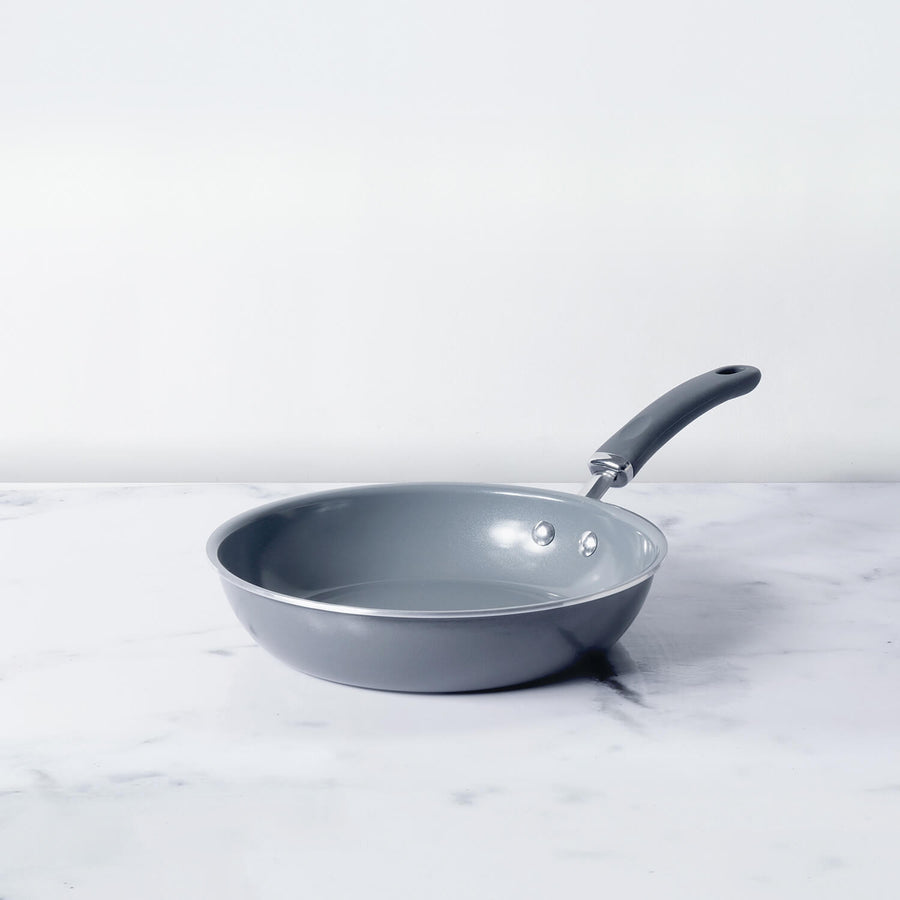


Leave a comment