



A perfect dosa is thin, crisp, evenly browned, and releases effortlessly from the pan. While batter fermentation and spreading technique are important, the material of your dosa pan is the true game-changer. Many common dosa problems—sticking, uneven colour, sogginess, or excessive oil use—are directly linked to the wrong cookware.
Understanding how different pan materials behave under heat can completely transform your dosa-making experience.
Table of Contents
How Pan Material Affects Dosa Texture and Taste
Dosas require a cooking surface that heats evenly and maintains a steady temperature. The right material ensures:
-
Uniform browning from centre to edge
-
Crisp texture without burning
-
Minimal oil usage
-
Smooth release without tearing
Pan material also impacts how quickly heat recovers between dosas, which is especially important when cooking multiple dosas back-to-back.

Cast Iron Dosa Tawa: The Traditional Choice That Still Wins
Cast iron remains the gold standard for dosa cooking in Indian kitchens.
-
Excellent heat retention ensures consistent results
-
Naturally non-stick when well seasoned
-
Enhances crispness and flavour over time
A Meyer Pre-Seasoned Cast Iron Flat Dosa Tawa is ideal for traditional dosas, masala dosas, rava dosas, and even uttapams. Once heated properly, it requires very little oil and produces restaurant-style crispness.
With regular use, cast iron improves, making each dosa better than the last.
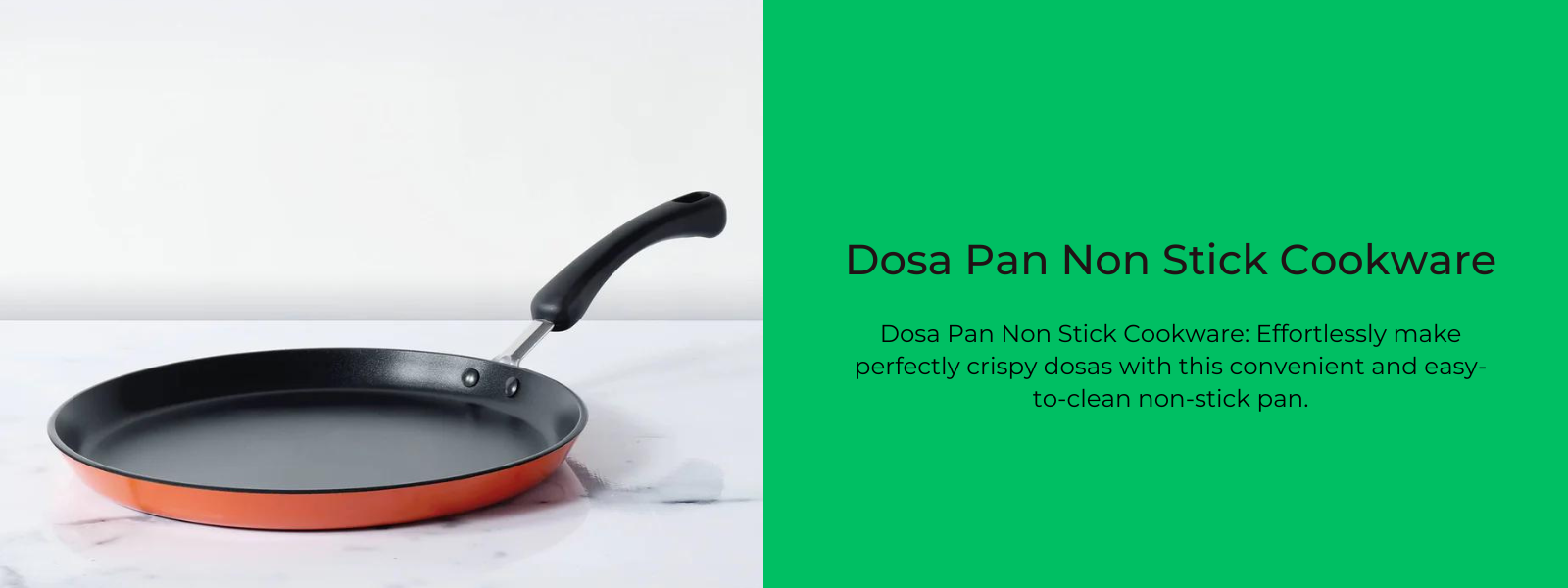
Non-Stick Dosa Tawas: Convenience for Everyday Cooking
Non-stick dosa pans are popular for their ease of use, especially in modern kitchens.
- Requires minimal oil
- Easy batter spreading
- Simple cleaning and maintenance
High-quality non-stick tawas are ideal for quick breakfasts and consistent results. While they may not achieve the same deep crispness as cast iron, they are excellent for everyday dosa cooking with less effort.
Meyer Pre-Seasoned Cast Iron Flat Dosa Tawa, 24 cm, Black
Hard Anodized Aluminium: A Balanced Alternative
Hard anodized aluminium pans combine durability with efficient heat distribution.
-
Heats quickly and evenly
-
More resistant to warping than regular aluminium
-
Suitable for gas and induction stoves
They offer a good balance between traditional performance and modern convenience, making them a popular choice for home cooks.
Why Stainless Steel Isn’t Ideal for Dosas
Stainless steel cookware excels in many areas, but dosa-making isn’t one of them.
-
Dosa batter sticks easily
-
Requires higher oil usage
-
Demands precise temperature control
Unless heavily seasoned and used by experienced cooks, stainless steel pans can make dosa preparation frustrating rather than enjoyable.
Choosing the Right Pan Based on Your Cooking Style
If you love crispy, authentic dosas and don’t mind a little maintenance, cast iron is unmatched. If convenience and speed matter more, non-stick or hard anodized pans are practical. For beginners, non-stick is often the easiest way to achieve consistent results.
Matching your pan to your lifestyle ensures better outcomes every time.
Pro Tips for Making Perfect Dosas on Any Pan
-
Always preheat the pan before pouring batter
-
Lightly oil the surface before spreading
-
Use medium heat for even cooking
-
Let the dosa release naturally before lifting
Proper heat management and patience matter just as much as the pan itself.
Conclusion
The secret to perfect dosas isn’t hidden in complex recipes—it lies in choosing the right pan material. When your cookware supports your technique, dosa-making becomes effortless, enjoyable, and consistently delicious.
Invest in the right pan, and every dosa will tell the difference.
MORE FROM BLOG
Top Collections
Best Dosa Pan Non Stick Cookware In India
2 Items
Best Tawa Dosa For Evenly Cooked Dosa
2 Items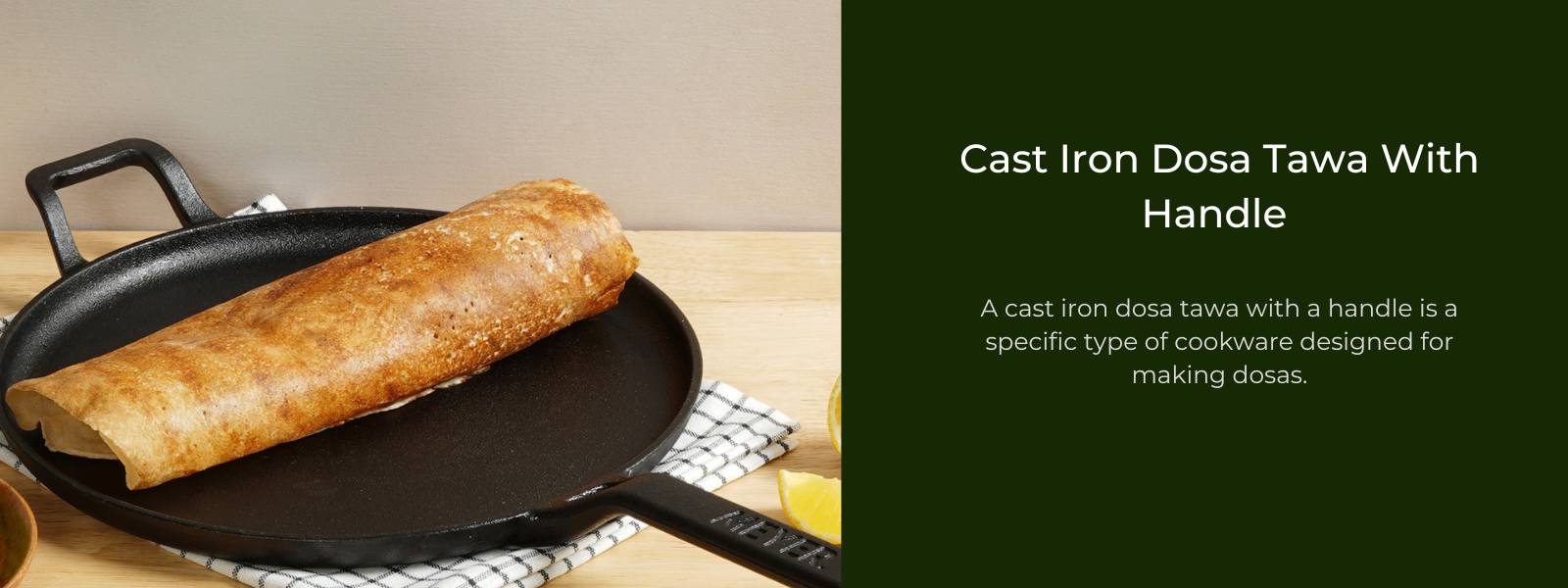
Cast Iron Dosa Tawa With Handle For Ease Of Use
2 Items
Easy-To-Use Flat Dosa Tawa In India
2 Items
Induction Base Dosa Tawa For Effective Cooking
2 Items
Non Reactive & Sturdy Steel Dosa Tawa In India
2 Items


Leave a comment