



Indian cooking is known for its rich flavors, aromatic spices, and high-heat cooking techniques. Whether it is tempering mustard seeds for dal, sautéing onions for curries, or stir-frying vegetables, many Indian recipes begin with heating oil or ghee. However, when the cookware does not distribute heat evenly or when oil overheats, excessive smoke can quickly fill the kitchen.
While ingredients and cooking methods certainly influence smoke levels, the cookware you use plays a surprisingly important role. High-quality cookware can help regulate temperature, distribute heat evenly, and prevent oil from burning too quickly — all of which reduce smoke during cooking.
Understanding how cookware impacts smoke can help home cooks create a healthier and more comfortable cooking environment.
Table of Contents
- 1. Why Smoke Happens During Cooking
- 2. The Role of Cookware Material in Reducing Smoke
- 3. Cookware Thickness Matters
- 4. The Shape of Cookware and Smoke Control
- 5. How Good Cookware Improves Heat Control
- 6. Practical Tips to Reduce Smoke While Cooking
- 7. Benefits of Smoke-Reducing Cookware
- 8. Why Premium Cookware Makes a Difference
- 9. Conclusion
Why Smoke Happens During Cooking
Smoke appears when cooking oils reach their smoke point — the temperature at which oil begins to break down and burn. When this happens, the oil releases visible smoke and can also develop unpleasant flavors.
Several factors contribute to excessive smoke during Indian cooking:
-
Uneven heat distribution in cookware
-
Overheating of oil due to thin pans
-
Food sticking and burning on hot surfaces
-
Sudden temperature spikes from poor heat control
Cookware that maintains stable and controlled heat can significantly reduce these problems.

The Role of Cookware Material in Reducing Smoke
Different cookware materials behave differently when exposed to heat. Choosing cookware that distributes heat evenly helps prevent oil from overheating in small hot spots.
Stainless Steel Cookware
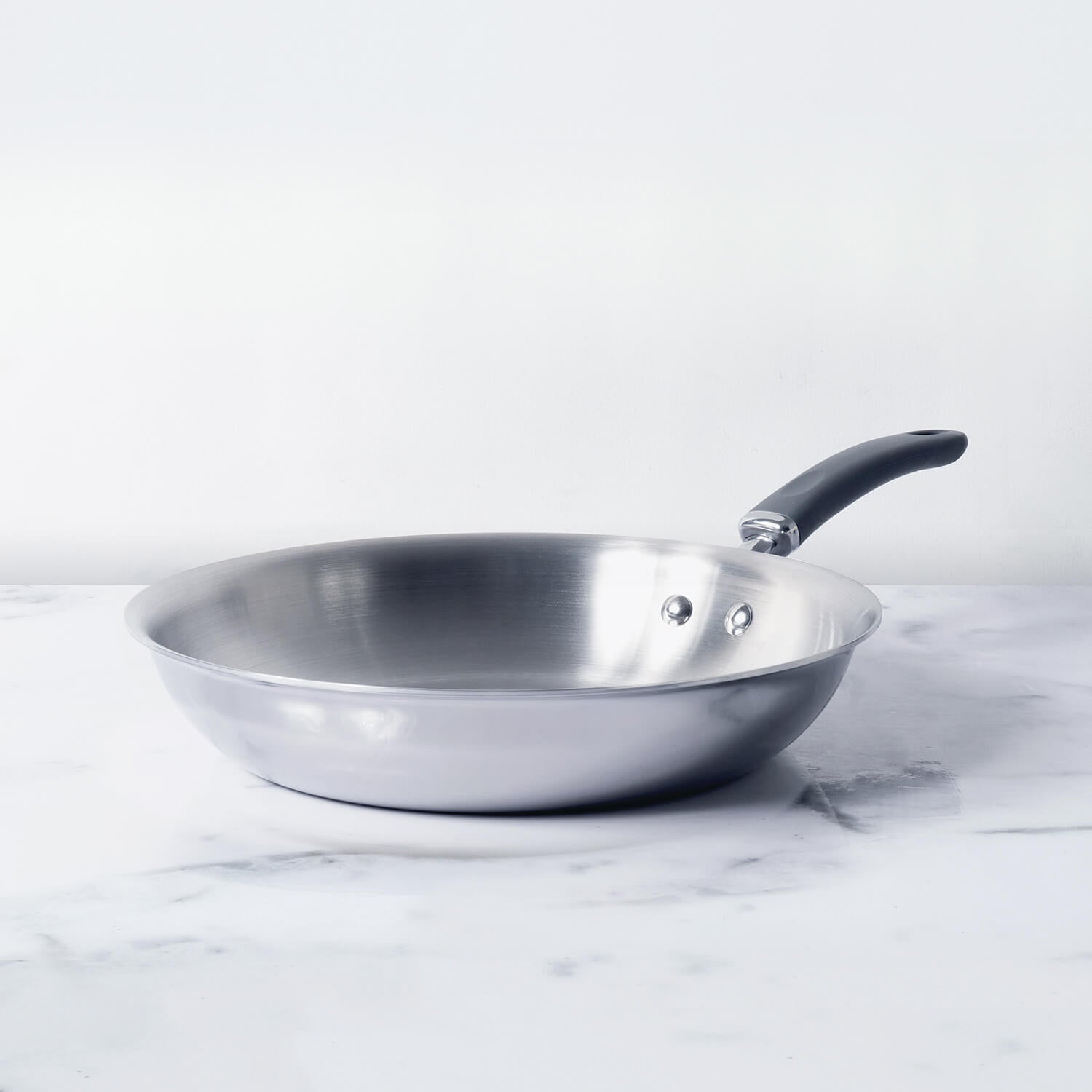
High-quality stainless steel cookware with an aluminum or copper core distributes heat evenly across the cooking surface. This reduces the formation of hot spots that can burn oil quickly.
Premium stainless steel cookware ranges such as those designed with multi-layer construction help maintain controlled heat levels, making them ideal for sautéing spices, cooking curries, and preparing everyday Indian meals.
Nickel-free stainless steel cookware options, such as those offered by Meyer, also provide a safe and durable cooking surface while maintaining excellent heat distribution.
Hard Anodized Cookware
Hard anodized cookware is known for its durability and consistent heating performance. The thick base helps maintain stable temperatures, preventing sudden heat spikes that cause oil to smoke.
Because hard anodized cookware retains heat well, it allows cooks to use medium heat instead of high heat, which naturally reduces smoke production during cooking.
Cookware ranges like Meyer Accent Hard Anodized cookware are designed to handle high-heat Indian cooking techniques while keeping temperature under control.
Cast iron cookware heats slowly but retains heat extremely well. This helps maintain steady cooking temperatures and reduces sudden overheating.
When properly seasoned, cast iron surfaces also reduce sticking, which means food is less likely to burn and produce smoke. Enamelled cast iron cookware further enhances this benefit by providing a smoother cooking surface.
Non-stick cookware allows cooking with less oil, which naturally reduces smoke. Since food releases easily from the surface, there is less risk of ingredients burning and creating smoke.
Modern non-stick cookware designed with safe coatings and thick bases helps maintain even heating, making it suitable for dishes like omelettes, pancakes, stir-fried vegetables, and quick curries.
Brands like Meyer offer high-quality non-stick cookware engineered for everyday cooking with controlled heat performance.
Cookware Thickness Matters
Thin cookware heats up very quickly but also creates uneven temperature zones. These hot spots can cause oil to burn in certain areas while the rest of the pan remains cooler.
Thick cookware bases help distribute heat gradually and evenly. This ensures oil heats up uniformly instead of overheating in isolated areas.
Cookware designed with thick bases or multi-layer construction allows cooks to maintain medium heat levels instead of relying on high heat, which reduces smoke during cooking.
The Shape of Cookware and Smoke Control
The shape of cookware also influences how oil and ingredients behave during cooking.
Deep cookware such as a kadhai helps keep oil concentrated in the center. This allows better temperature control and reduces excessive heating across a wide surface area.
The curved sides also allow ingredients to be moved quickly, preventing them from burning and producing smoke.
Flat fry pans are ideal for shallow frying and sautéing. However, if the pan is too thin or unevenly heated, oil may overheat quickly.
Using a high-quality fry pan with thick construction helps maintain balanced heat across the cooking surface, reducing smoke during frying.
Sauce pans are designed for simmering and slow cooking. Their deeper structure and smaller base help maintain gentle heat levels, which is ideal for dishes like dal, gravies, and sauces.
Since the oil is not exposed to excessive surface heat, smoke formation is naturally minimized.
How Good Cookware Improves Heat Control
Good cookware helps regulate heat more effectively. Instead of reacting instantly to high flame, it absorbs heat gradually and distributes it evenly.
This allows cooks to:
-
Use medium heat instead of high heat
-
Maintain consistent cooking temperatures
-
Prevent oil from overheating
-
Reduce burning of spices and ingredients
All of these factors help reduce smoke while cooking Indian food.
Practical Tips to Reduce Smoke While Cooking
In addition to choosing the right cookware, a few cooking practices can further minimize smoke in the kitchen.
Use Moderate Heat
Many Indian dishes do not require extremely high heat. Medium heat is usually sufficient for sautéing spices and cooking curries.
Cookware with good heat retention makes it easier to maintain steady cooking temperatures.
Preheat Cookware Properly
Heating cookware gradually before adding oil ensures even temperature distribution. Adding oil to a properly heated pan prevents sudden overheating.
Avoid Overheating Oil
If oil begins to smoke, it has already crossed its smoke point. Lower the heat and allow the pan to cool slightly before continuing.
Cookware that distributes heat evenly helps prevent this situation.
Keep Cookware Clean
Residue from previous cooking can burn quickly and produce smoke. Keeping cookware clean helps maintain a smooth cooking surface and prevents burning.
Benefits of Smoke-Reducing Cookware
Using cookware designed for heat control provides several advantages beyond reducing smoke.
Healthier Cooking Environment
Less smoke means fewer airborne irritants in the kitchen, making cooking more comfortable.
Better Flavor
Oil that does not burn retains its natural flavor, improving the taste of dishes.
Energy Efficiency
Cookware that distributes heat well allows cooking on lower flame settings.
Improved Cooking Experience
Consistent heat makes cooking easier and more predictable, especially for complex Indian recipes.
Why Premium Cookware Makes a Difference
Investing in high-quality cookware significantly improves cooking performance. Well-designed cookware combines durable materials, thick bases, and thoughtful construction to deliver stable and controlled heat.
Brands like Meyer offer cookware ranges that are specifically designed for Indian cooking styles, including stainless steel, hard anodized, cast iron, and advanced non-stick cookware.
These cookware collections help home cooks achieve better cooking results while minimizing issues such as excessive smoke, uneven heating, and burning.
Conclusion
Smoke during cooking is often caused by overheating oil or uneven heat distribution — problems that can be significantly reduced with the right cookware. Materials such as stainless steel, hard anodized aluminum, cast iron, and high-quality non-stick surfaces provide better heat control and prevent oil from burning quickly.
Cookware with thick bases, even heat distribution, and thoughtful design allows home cooks to prepare Indian dishes more comfortably while maintaining the authentic flavors of traditional recipes.
By choosing well-constructed cookware designed for everyday Indian cooking, you can reduce smoke in the kitchen, improve cooking efficiency, and enjoy a healthier and more pleasant cooking experience.
MORE FROM BLOG
Top Collections

26 cm Triply Tope – The Best Cookware for Festive Cooking
2 Items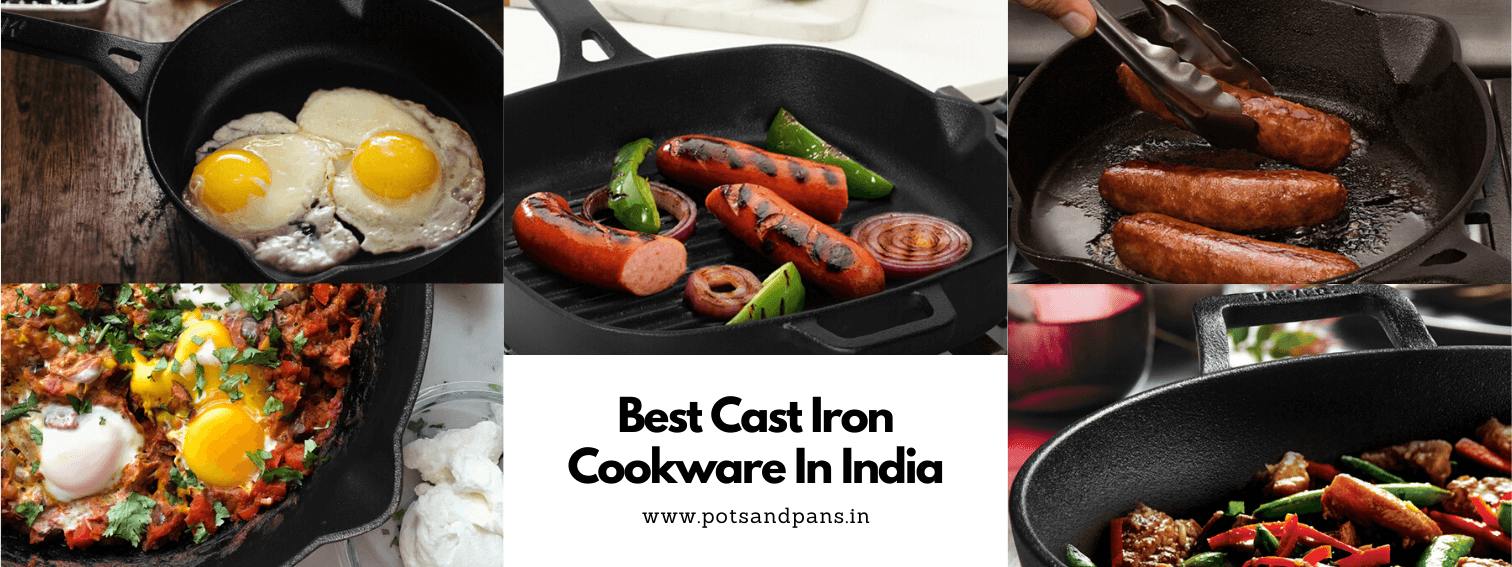
Best Cast Iron Cookware In India For Indian Food
2 Items
Best Iron Tawa For Roti: Cookware For Indian Food
2 Items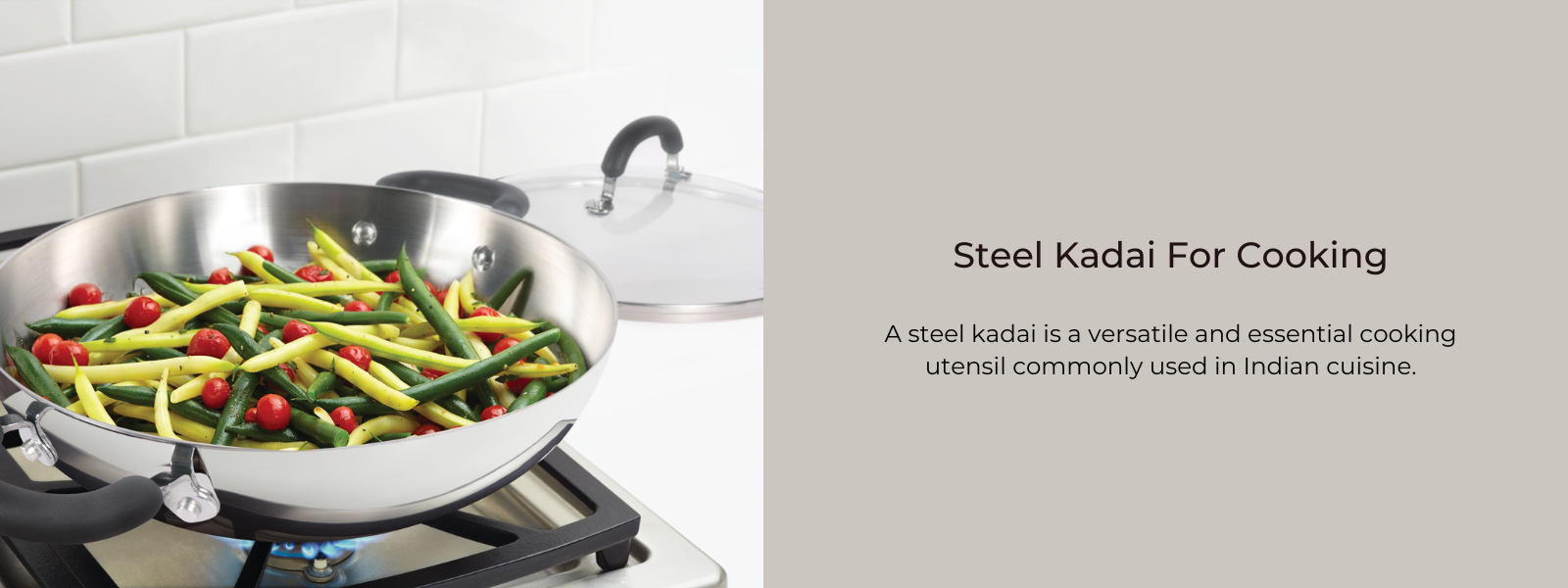
Steel Kadai For Cooking: Versatile Cookware For Indian Meals
2 Items
Can Ceramic Cookware Handle Everyday Indian Meals?
2 Items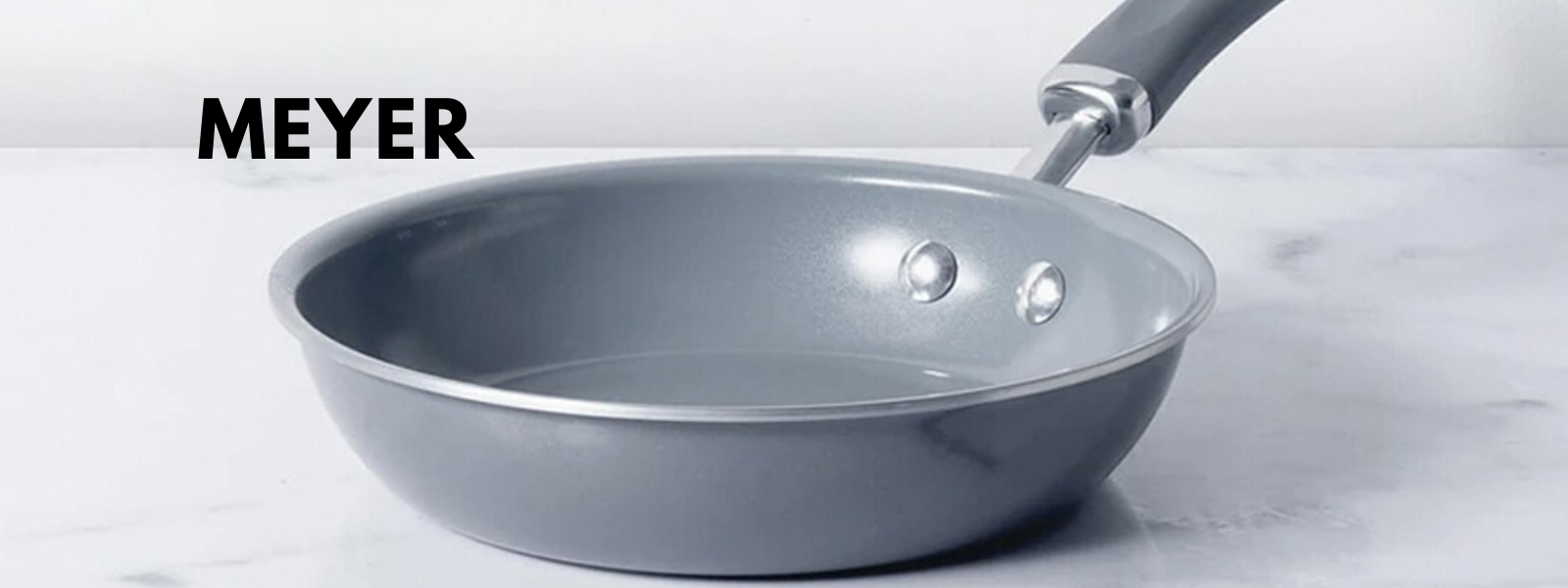
Can One Pan Do It All? Exploring Multi-Use Cookware in 2025
2 Items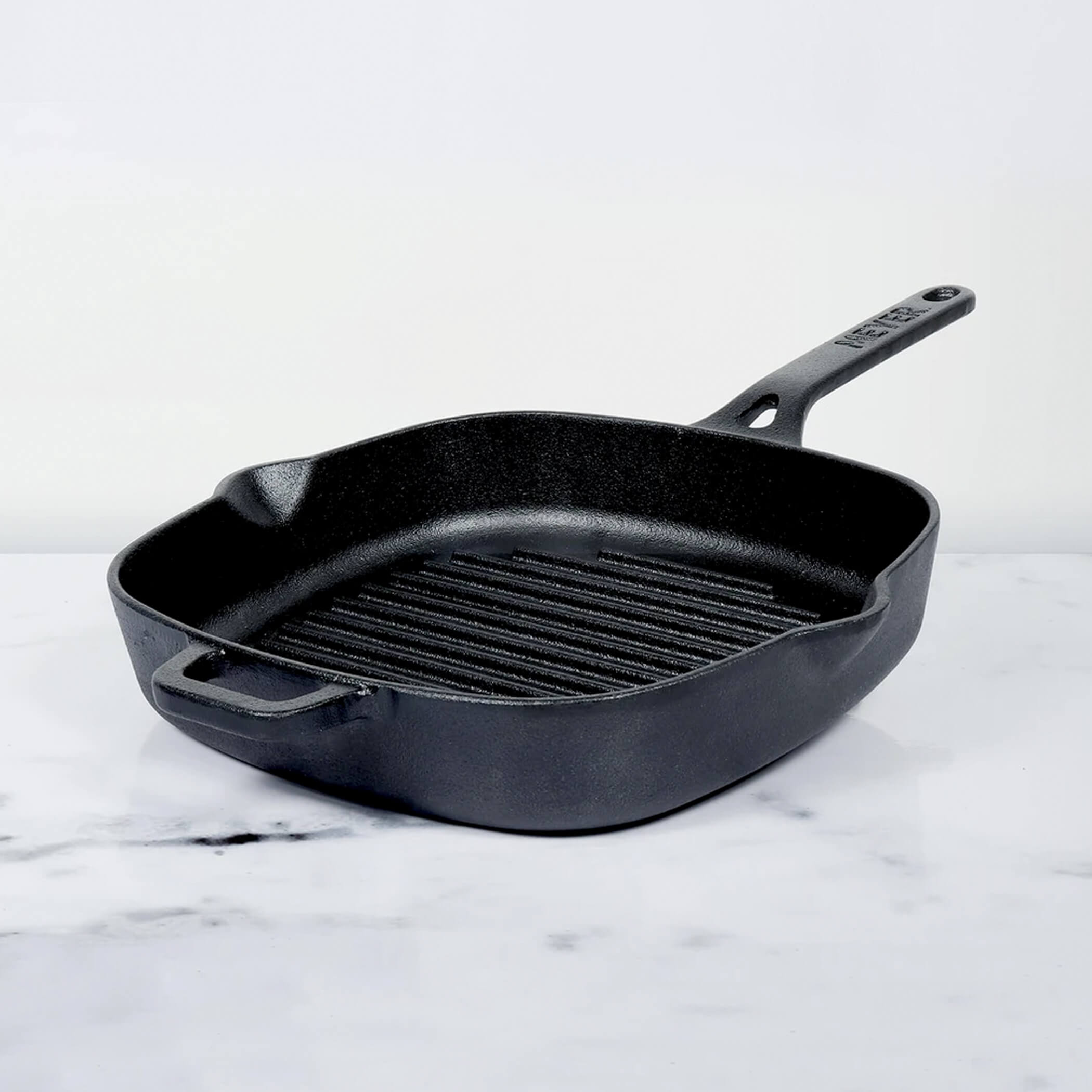


Leave a comment