



Indian cooking is flavourful, aromatic, and deeply satisfying—but it can be tough on your cookware. Oil splatters, haldi stains, onion-garlic aromas, and masala residues build up quickly if not cleaned properly. Whether you use stainless steel, cast iron, non-stick, hard-anodized, or ceramic-coated pans, a simple daily cleaning routine can keep everything spotless and long-lasting.
A well-maintained kitchen doesn’t just look tidy; it also keeps cookware performing efficiently and hygienically. With a few smart habits and the right products (including durable options like Meyer Stainless Steel, Meyer Cast Iron, and Circulon Non-Stick), you can make cookware care easy and effortless.
Table of Contents
Why Indian Cookware Needs Daily Care
Indian dishes involve:
- High-heat cooking
- Strong spices like turmeric, chilli, mustard
- Tempering (tadka) in ghee/oil
- Frequent frying
- Sautéing with onion, garlic, tomatoes
These create stubborn residues that, when left unattended, cause:
- Greasy surfaces
- Sticky bases
- Burn marks
- Permanent stains
- Unpleasant smells
- Reduced cookware lifespan
Daily care prevents long-term buildup and keeps cookware looking new.

A Simple Daily Cleaning Routine (Step-by-Step)
1. Let Cookware Cool Down Naturally
Never pour cold water on a hot pan—it causes warping and weakens the metal.
Allow pans to rest for 5–10 minutes before cleaning.
2. Soak Immediately After Cooking
A quick soak prevents food from drying and sticking.
- For stainless steel (like Meyer Select Stainless Steel): Use warm water and mild dish soap.
- For cast iron (such as Meyer Pre-Seasoned Cast Iron): Use warm water only, no soap.
- For non-stick (like Circulon Momentum): Use lukewarm water.
A 10-minute soak alone can remove 70% of stuck food.
3. Use the Right Scrubber for Each Cookware
Using the wrong scrubber is the biggest cause of scratches.
- Stainless Steel: Soft scrub pad or sponge
- Non-stick: Only soft sponge
- Cast Iron: Coconut coir or soft scrubber
- Hard-Anodised: Non-abrasive sponge
- Enamelled Cast Iron: Nylon scrubber
Avoid steel wool unless specifically recommended by the brand.
4. Remove Turmeric and Oil Stains Daily
Haldi stains become permanent fast. Daily treatment helps.
-
Mix 1 tsp baking soda + few drops of dish soap
-
Apply on stained area
-
Scrub gently
-
Rinse thoroughly
For stainless steel, you can also simmer water with lemon to release stains.
5. Degrease After Spicy or Oily Cooking
For tadka, curries, and deep-frying residues:
- Apply white vinegar around greasy zones
- Let it sit for 10 minutes
- Wash normally
This removes onion-garlic smells and oily films.
6. Dry Immediately
Moisture leads to:
- Water spots
- Rust (especially on cast iron)
- Streaks on stainless steel
Wipe cookware with a soft cotton cloth right after rinsing.
7. Season Cookware That Needs It
Some cookware types perform best when lightly seasoned.
-
Cast Iron & Pre-Seasoned Cast Iron: Apply a few drops of oil and heat for 1–2 minutes.
-
Carbon Steel: Same seasoning process as cast iron.
This keeps the surface smooth, naturally non-stick, and rust-free.
8. Store Cookware Properly
Stacking without protection causes scratches.
- Use cloth separators between pans
- Hang cast iron or heavy skillets
- Keep lids slightly open to avoid odour build-up
- Dry thoroughly before storing
Proper storage adds years to your cookware’s life.
MEYER 3pcs Cookware Set
Additional Care Tips for Indian Kitchens
1. Avoid High Flame on Empty Pans
This is a common mistake that causes discolouration, warping, and coating damage. Cookware like Meyer Stainless Steel Triply heats quickly—medium flame is enough.
2. Don’t Overuse Dishwashing Liquid
Excessive detergent leaves chemical residue and dulls the shine. Use just a few drops daily.
3. Clean the Outside as Well
Spillovers from curries and frying accumulate outside the pan, damaging handles and bottoms. Use vinegar water to wipe the exterior.
4. Avoid Harsh Cleaners
Indian stores often sell abrasive powders that damage cookware. Stick to:
- Mild dish soap
- Baking soda
- White vinegar
- Lemon
Simple ingredients give powerful results without harm.
5. Weekly Deep Cleaning Routine
Along with daily care, follow a weekly routine:
-
Boil water + vinegar in stainless steel pans
-
Scrub oil rings from non-stick cookware
-
Re-season cast iron
-
Remove mineral deposits from kettles
-
Clean lids, knobs, and handles thoroughly
This keeps cookware performing at its best.
Best Cookware That Survives Daily Indian Cleaning
Using durable cookware reduces maintenance and prolongs lifespan. Some reliable options include:
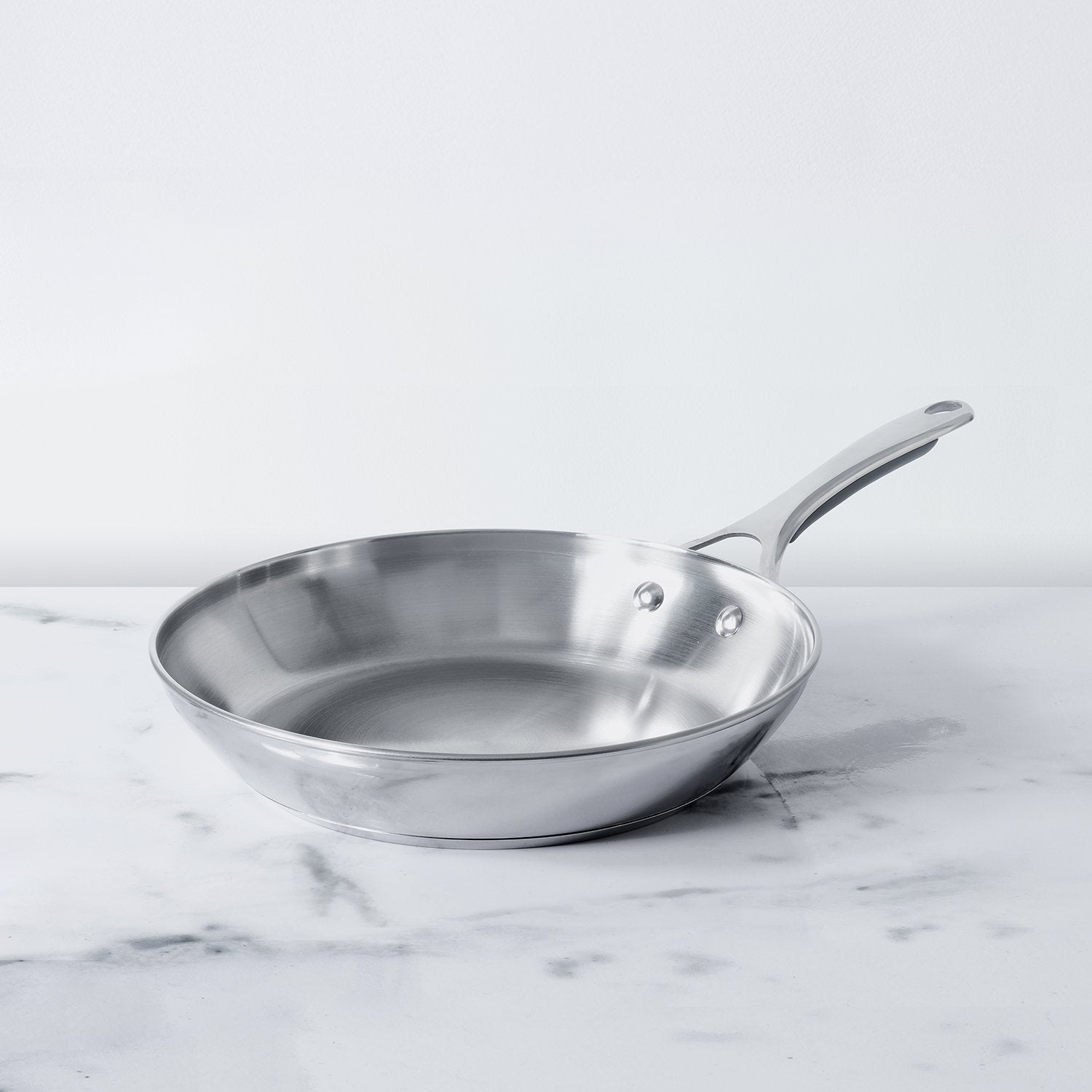
- Meyer Triply Stainless Steel – tough, even-heating, and easy to clean
- Meyer Pre-Seasoned Cast Iron – perfect for tawa, frying, and everyday searing
- Circulon Non-Stick – abrasion-resistant and designed for low-oil Indian cooking
- Meyer Enamelled Cast Iron – easy to wash, odour-resistant, ideal for rich gravies
Choosing the right material can cut your cleaning time in half.
Conclusion
Daily cookware cleaning in Indian kitchens doesn’t need to be complicated. With the right routine, gentle cleaners, and durable cookware, you can maintain spotless pans, prevent stains, and preserve flavour and hygiene. Whether you use stainless steel, cast iron, hard-anodised, or non-stick cookware, consistent care will ensure they shine for years and support healthier cooking.
MORE FROM BLOG
Top Collections

1 Litre Steel Cookers: A Guide to Mini Meals
2 Items
Appam Pan Non Stick Makes Cooking Easy
2 Items
Bakeware Essentials: Choosing Between Metal, Glass, and Ceramic
2 Items
Bakeware Materials Explained: Aluminum, Glass, Ceramic, and More
2 Items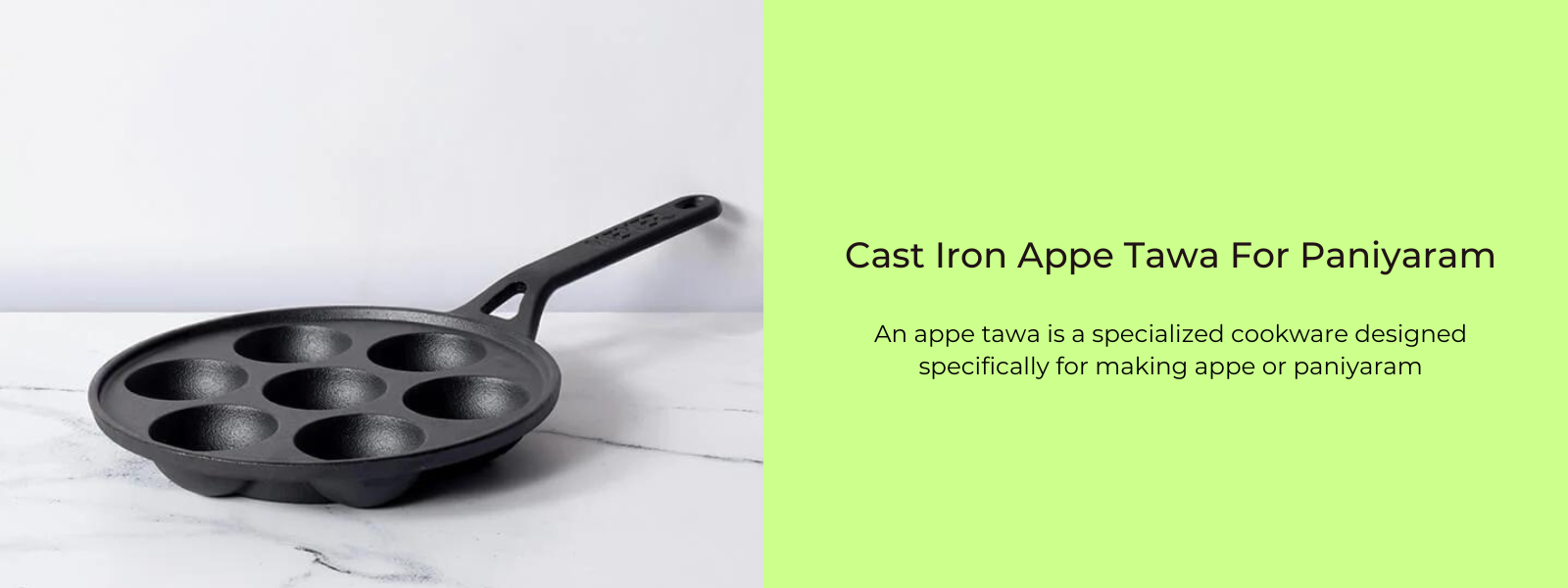
Best Cast Iron Appe Tawa For Paniyaram
2 Items
Best Cast Iron Cookware In India For Indian Food
2 Items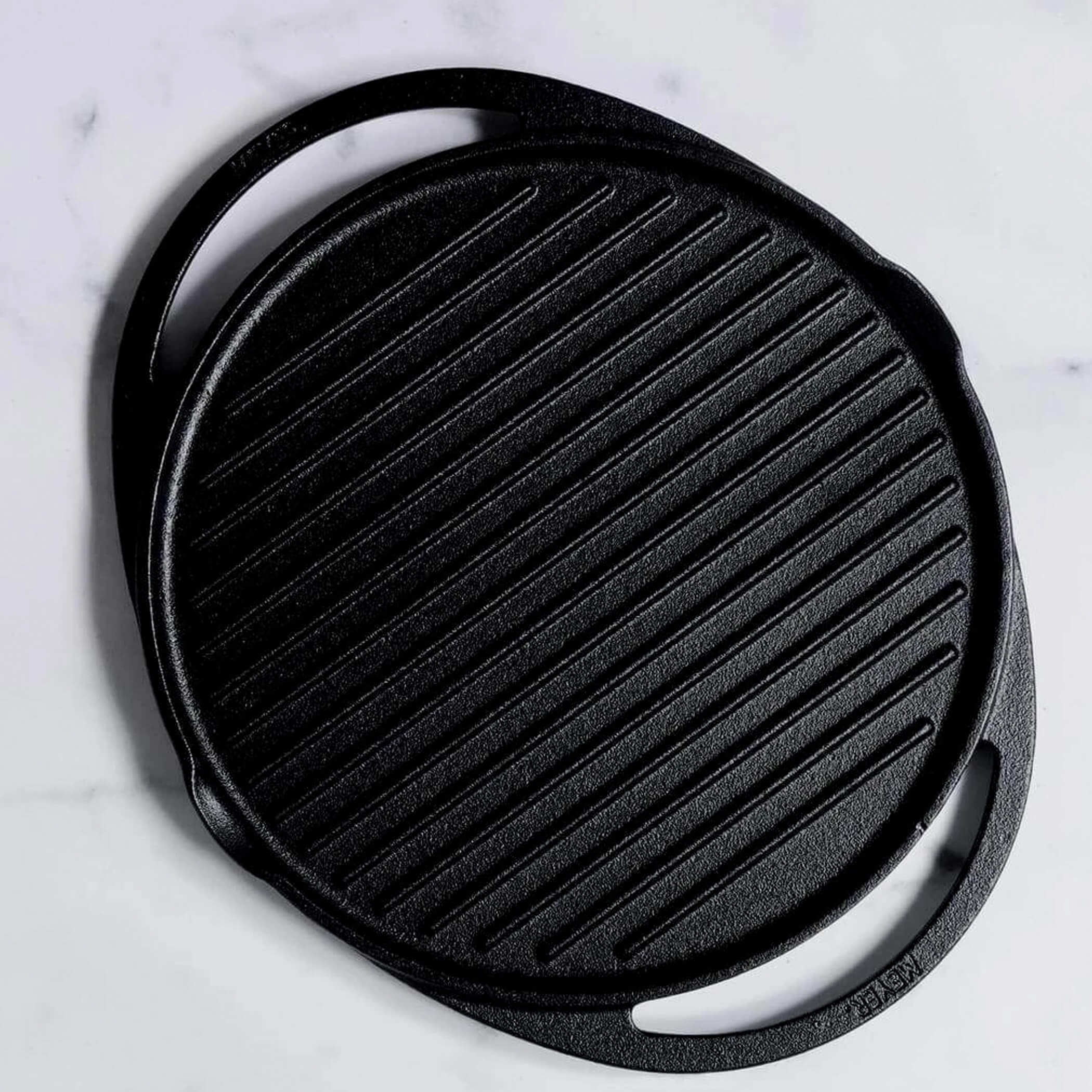


Leave a comment