



Gut health is at the heart of overall wellbeing. A balanced gut microbiome improves digestion, boosts immunity, stabilises mood, and enhances nutrient absorption. One of the simplest and most powerful ways to nourish your gut is through fermented foods. India has a rich tradition of fermentation—idli-dosa batter, kanji, pickles, dhokla batter, dahi, and more.
But while we focus on ingredients and technique, we often ignore something equally important—the vessel used for fermentation. The right cookware can improve fermentation quality, enhance flavour, prevent contamination, and support beneficial bacteria growth.
This guide will help you choose the best vessels for fermenting foods and show how a few thoughtfully selected pieces—like Meyer Anzen ceramic cookware or Meyer Cast Iron Kadai—can make your fermentation journey safer and more effective.
Table of Contents
Why the Right Fermentation Vessel Matters
Fermentation depends on:
- Stable, gentle warmth
- Airflow control
- Non-reactive surfaces
- Moisture retention
- Prevention of unwanted bacteria
The material of your cookware influences all of these. Poor choices can lead to off-flavours, slow fermentation, or even spoilage.
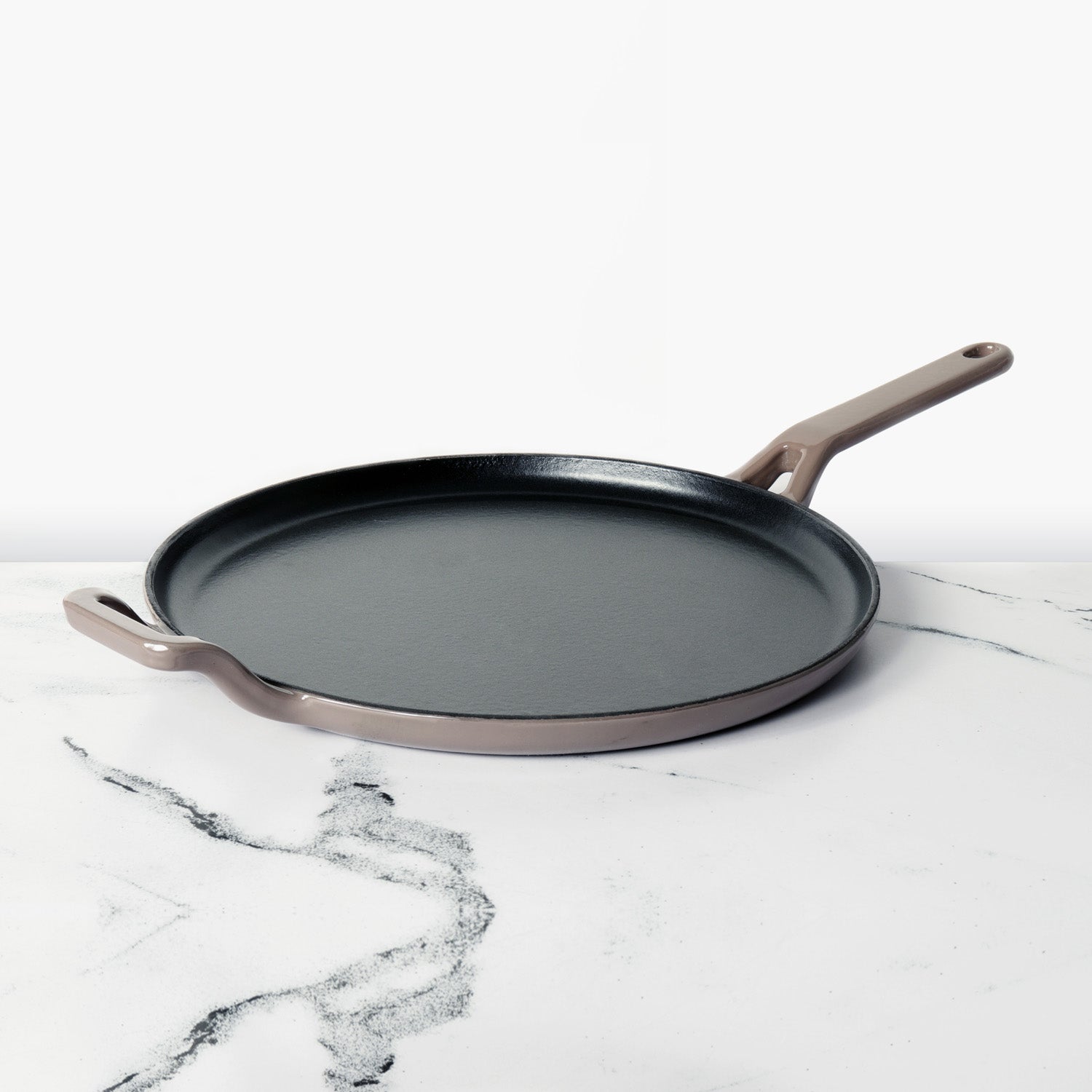
1. Ceramic Cookware – Ideal for Slow, Even Fermentation Ceramic vessels have been used in Indian households for centuries for making curd, pickles, and soaked grains. Modern ceramic cookware like Meyer Anzen, made with a safe, toxin-free ceramic coating, provides a non-reactive surface perfect for fermenting foods that need stable warmth. Best for: Curd Dosa/idli batter Kanji Pickles Benefits: 2. Glass Jars – Perfect for Pickles and Probiotic Drinks Glass is completely inert, making it excellent for fermenting foods with high acidity. It does not react with turmeric, chilli, salt, or acidic liquids in kanji or vinegar-based pickles. Best for: Beetroot kanji Lemon or chilli pickles Kombucha (secondary fermentation) Benefits: 3. Stainless Steel – Great for Everyday Fermentation High-quality stainless steel is safe, durable, and widely used for making idli-dosa batter across Indian homes. Stainless steel retains warmth longer, supporting steady fermentation. You may opt for Meyer Presta tri-ply stainless steel, which provides excellent insulation due to its layered construction. Best for: Benefits: 4. Cast Iron – Supports Warmth-Dependent Fermentation Cast iron is not often used as the fermentation vessel, but it plays a critical supportive role. Fermentation thrives in warm environments, and cast iron retains heat beautifully. For example, after warming milk in a Meyer Pre-Seasoned Cast Iron Kadai, transferring it to another vessel helps curd set faster because the starting temperature remains optimal. Best used when: Heating milk before setting curd Soaking grains before fermentation Preparing pre-fermentation mixtures Benefits: Naturally retains heat Helps ingredients reach the right temperature for probiotics 5. Clay Pots – Traditional and Highly Effective Clay or earthen pots promote airflow and retain moisture, making them excellent for fermenting foods like curd and pickles. They maintain a cool internal temperature in hot Indian weather. Best for: Curd Pickles Traditional drinks (kanji, buttermilk) Benefits: Natural porous structure enhances flavour Allows probiotics to thrive Adds earthy aroma to foods Meyer Pre-Seasoned Cast Iron Grill Pan, 25 cm, Black
1. Homemade Curd (Dahi) Best vessels: Ceramic (Meyer Anzen), stainless steel, clay 2. Idli/Dosa Batter Best vessels: Stainless steel (tri-ply preferred) 3. Pickles (Achar) Best vessels: Ceramic, glass 4. Beetroot or Carrot Kanji Best vessels: Glass jars 5. Dhokla/Khandvi Batter Best vessels: Stainless steel 6. Rice Water Ferment (Pakhala or Probiotic Rice Drink) Best vessels: Clay or ceramic 1. Keep Vessels Moisture- and Contaminant-Free Even one drop of soap residue can hinder fermentation. Rinse vessels thoroughly. 2. Maintain Optimal Warmth Wrap stainless steel vessels in a cloth or keep near a warm corner of the kitchen. 3. Avoid Reactive Metals Aluminium and low-grade metals can interfere with acid-based ferments. 4. Leave Enough Space Fermentation causes bubbling and expansion—always fill only up to 70%. 5. Use Clean, Filtered Water Chlorine in tap water can inhibit beneficial bacteria. Fermentation is a beautiful blend of tradition, science, and flavour—and choosing the right vessel is a key part of the process. Whether you’re fermenting curd in a Meyer Anzen ceramic pot, preparing dosa batter in a stainless steel bowl, or storing pickles in glass jars, the material of your cookware can significantly improve the quality and health benefits of your fermented foods. By selecting non-reactive, safe, and high-quality cookware, you not only protect your gut health but also elevate everyday Indian meals with richer flavours and deeper nourishment. 
Best Vessels for Fermented Foods in Indian Kitchens
Best Fermented Foods for Gut Health (with Recommended Vessels)
Curd thrives in gentle warmth; ceramic and steel retain temperature well.
Stainless steel supports long, slow fermentation that creates perfect batter fluffiness.
Avoid metal vessels as salt and acids can cause reactions.
Glass helps maintain colour and acidity without chemical interference.
Ensures even warmth for fermentation.Tips for Successful Fermentation in Indian Homes
Conclusion
MORE FROM BLOG
Top Collections
Best Cast Iron Cookware In India For Indian Food
2 Items
Cast Iron vs. Stainless Steel Cookware (What's the Difference?)
2 Items
Exploring the Versatility of Non-Stick Cookware in Everyday Meals
2 Items
High-quality non-stick cookware in India under INR 3000
2 Items
How Is Cast Iron Cookware Made?
2 Items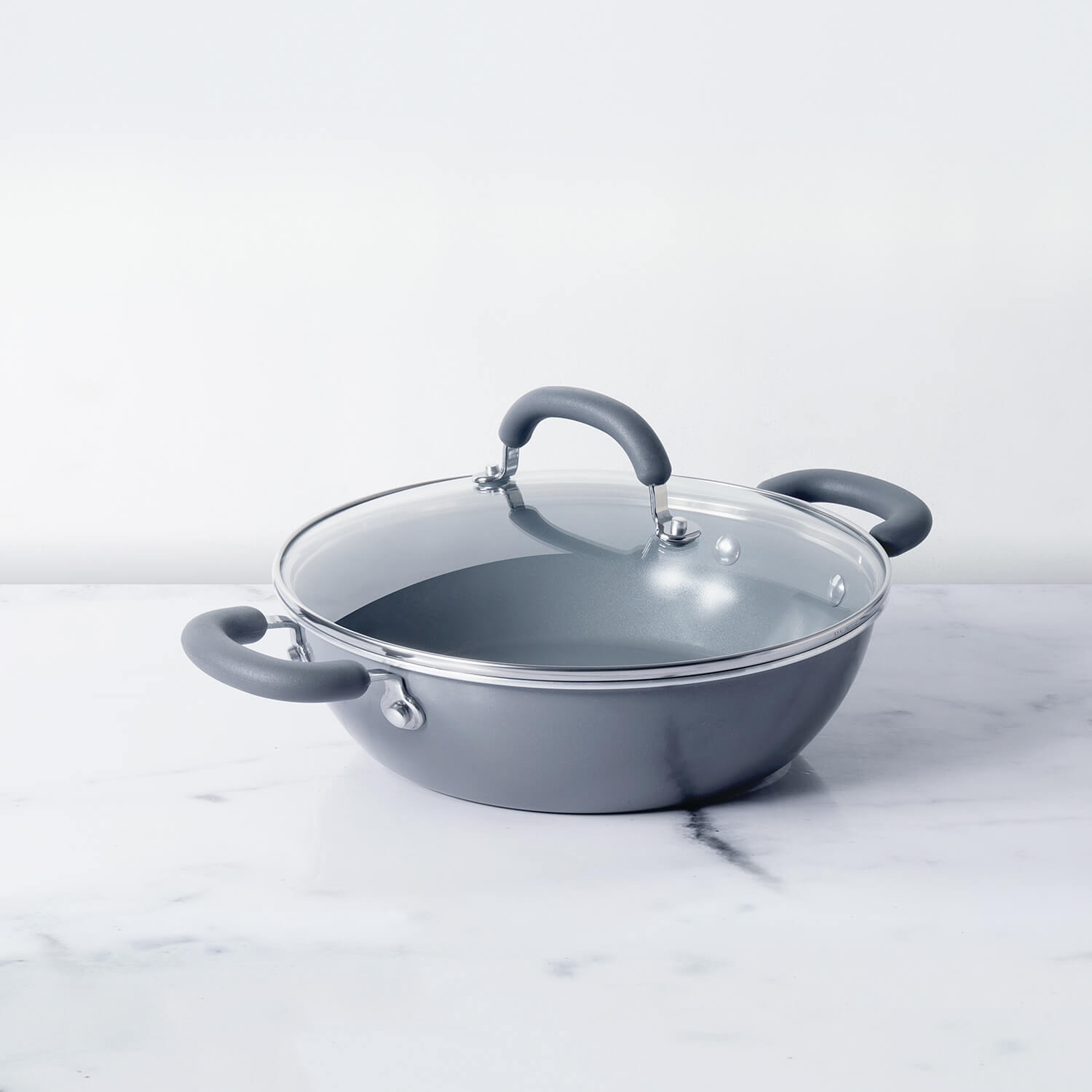


Leave a comment