



Healthy cooking is not about occasional diet meals or extreme restrictions. In Indian households, health is built quietly and consistently through everyday food—dal, sabzi, curries, breakfast dishes, and simple home-cooked meals. While ingredients matter, the cookware used every day plays a surprisingly important role in determining how healthy those meals truly are.
Ceramic cookware has gained popularity among health-conscious Indian families because it supports low-oil cooking, gentle heat control, and safer food preparation. Designed for modern lifestyles, ceramic cookware aligns well with traditional Indian cooking practices while encouraging healthier habits. This blog explores how ceramic cookware supports everyday healthy cooking and why it is becoming a preferred choice in Indian kitchens.
Table of Contents
- 1. Encourages Low-Oil and Balanced Cooking
- 2. Supports Gentle Cooking That Preserves Nutrients
- 3. Non-Reactive Surface Keeps Food Pure
- 4. Free From Harmful Chemicals
- 5. Helps Control Portion Cooking and Overheating
- 6. Makes Healthy Cooking Easier and More Sustainable
- 7. Ideal for Everyday Indian Dishes
- 8. Supports Oil Control Without Compromising Flavour
- 9. Easier to Handle Encourages Frequent Home Cooking
- 10. Suitable for Cooking for Kids and Seniors
- 11. Aligns With Modern Indian Health Goals
- 12. Best Practices to Maintain Health Benefits
- 13. Conclusion
Encourages Low-Oil and Balanced Cooking
One of the most significant health benefits of ceramic cookware is its ability to cook with minimal oil. The naturally smooth ceramic surface prevents food from sticking, reducing the need to add excess oil just to avoid burning.
This is especially helpful for:
-
Vegetable sabzis
-
Breakfast dishes like cheela, dosa, or omelettes
-
Paneer and tofu preparations
-
Reheating leftovers
By using less oil daily, families can reduce overall fat intake without compromising taste or texture. Over time, this small change contributes meaningfully to heart health and weight management.

Supports Gentle Cooking That Preserves Nutrients
Many nutrients, especially in vegetables and spices, are sensitive to high heat. Overheating can destroy vitamins, dull natural colours, and alter flavour.
Ceramic cookware is designed for low to medium heat cooking, which helps:
- Retain vitamins in vegetables
- Preserve natural colour and texture
- Maintain the aroma of spices
Because ceramic cookware distributes heat evenly, food cooks uniformly without hot spots that cause burning or nutrient loss. This makes it suitable for everyday meals that focus on freshness and balance.
Non-Reactive Surface Keeps Food Pure
Indian cooking frequently uses acidic ingredients such as tomatoes, tamarind, lemon juice, vinegar, and curd. Some cookware materials can react with these ingredients, affecting taste and quality.
Ceramic cookware is non-reactive, meaning:
-
No metallic aftertaste
-
No flavour alteration
-
No impact on food colour
This ensures that meals taste exactly as intended and remain safe for regular consumption, especially when cooking for children and elders.
Meyer Anzen Ceramic Coated Cookware 26cm Frypan
Free From Harmful Chemicals
A major concern in modern kitchens is exposure to harmful chemicals during cooking. High-quality ceramic cookware is free from PFOA, PTFE, lead, and cadmium when used correctly.
This makes ceramic cookware:
-
Safer for everyday use
-
Suitable for health-conscious families
-
Ideal for frequent reheating and daily cooking
Cookware ranges like Meyer Anzen ceramic cookware are designed with safety in mind, offering toxin-free coatings that align with modern wellness standards.
Helps Control Portion Cooking and Overheating
Ceramic cookware heats up quickly and responds fast to temperature changes. This makes it easier to:
-
Avoid overcooking
-
Prevent unnecessary reheating
-
Cook smaller, fresher portions
Better heat control also reduces the tendency to overcook food, which can affect digestion and nutrient absorption.
Makes Healthy Cooking Easier and More Sustainable
Healthy habits are easier to maintain when cooking feels effortless. Ceramic cookware simplifies daily cooking by:
-
Reducing food sticking
-
Minimising scrubbing and cleaning
-
Making stirring and handling easier
When cleanup is simple, home cooking becomes more enjoyable, encouraging families to rely less on processed or outside food.
Ideal for Everyday Indian Dishes
Ceramic cookware fits seamlessly into daily Indian cooking routines. It performs well for:
-
Light curries and gravies
-
Vegetable sabzis
-
Dal and khichdi
-
Breakfast items
-
Reheating cooked food
Its versatility allows households to use one type of cookware across multiple meals, promoting consistency and convenience.
Supports Oil Control Without Compromising Flavour
One common misconception is that less oil means less taste. Ceramic cookware disproves this by allowing spices and ingredients to cook evenly and release flavour naturally.
Because food does not stick or burn easily:
-
Masalas cook evenly
-
Spices bloom without scorching
-
Flavours remain clean and balanced
This helps maintain the authenticity of Indian dishes while keeping them lighter and healthier.
Easier to Handle Encourages Frequent Home Cooking
Ceramic cookware is generally lighter than cast iron or heavy stainless steel cookware. Its ease of handling reduces physical strain during:
-
Lifting and stirring
-
Washing and storing
-
Multiple cooking sessions in a day
This comfort encourages more home cooking, which is one of the most effective ways to maintain a healthy diet.
Suitable for Cooking for Kids and Seniors
Gentle cooking, minimal oil usage, and non-toxic surfaces make ceramic cookware especially suitable for:
-
Children’s meals
-
Elderly family members
-
Light, easily digestible foods
Families preparing soft foods, soups, porridges, or low-spice meals find ceramic cookware particularly useful for everyday cooking needs.
Aligns With Modern Indian Health Goals
Today’s Indian households are more aware of:
-
Lifestyle-related health concerns
-
Balanced diets
-
Clean cooking practices
Ceramic cookware supports these goals by combining traditional cooking methods with modern safety and convenience. Ranges like Meyer Anzen are designed to integrate seamlessly into Indian kitchens while encouraging mindful, healthier cooking habits.
Best Practices to Maintain Health Benefits
To get the best results from ceramic cookware:
-
Cook on low to medium heat
-
Avoid overheating empty pans
-
Use wooden or silicone utensils
-
Clean gently after use
Following these practices ensures the ceramic coating stays effective and continues to support healthy cooking over the long term.
Conclusion
Ceramic cookware supports everyday healthy cooking by encouraging low-oil usage, gentle heat control, nutrient preservation, and safe food preparation. Its non-reactive and toxin-free surface ensures meals remain clean, flavourful, and suitable for daily consumption.
For Indian households looking to cook healthier without changing their food habits drastically, ceramic cookware offers a practical and sustainable solution. High-quality options such as Meyer Anzen ceramic cookware combine safety, comfort, and performance, making healthy cooking a natural part of everyday life.
MORE FROM BLOG
Top Collections
Bakeware Materials Explained: Aluminum, Glass, Ceramic, and More
2 Items
Can Ceramic Cookware Handle Everyday Indian Meals?
2 Items
How Does Ceramic Cookware Help With Even Cooking in Indian Kitchens?
2 Items
How Does Ceramic Cookware Prevent Food from Sticking Naturally?
2 Items
Know your Ceramic Cookware better
2 Items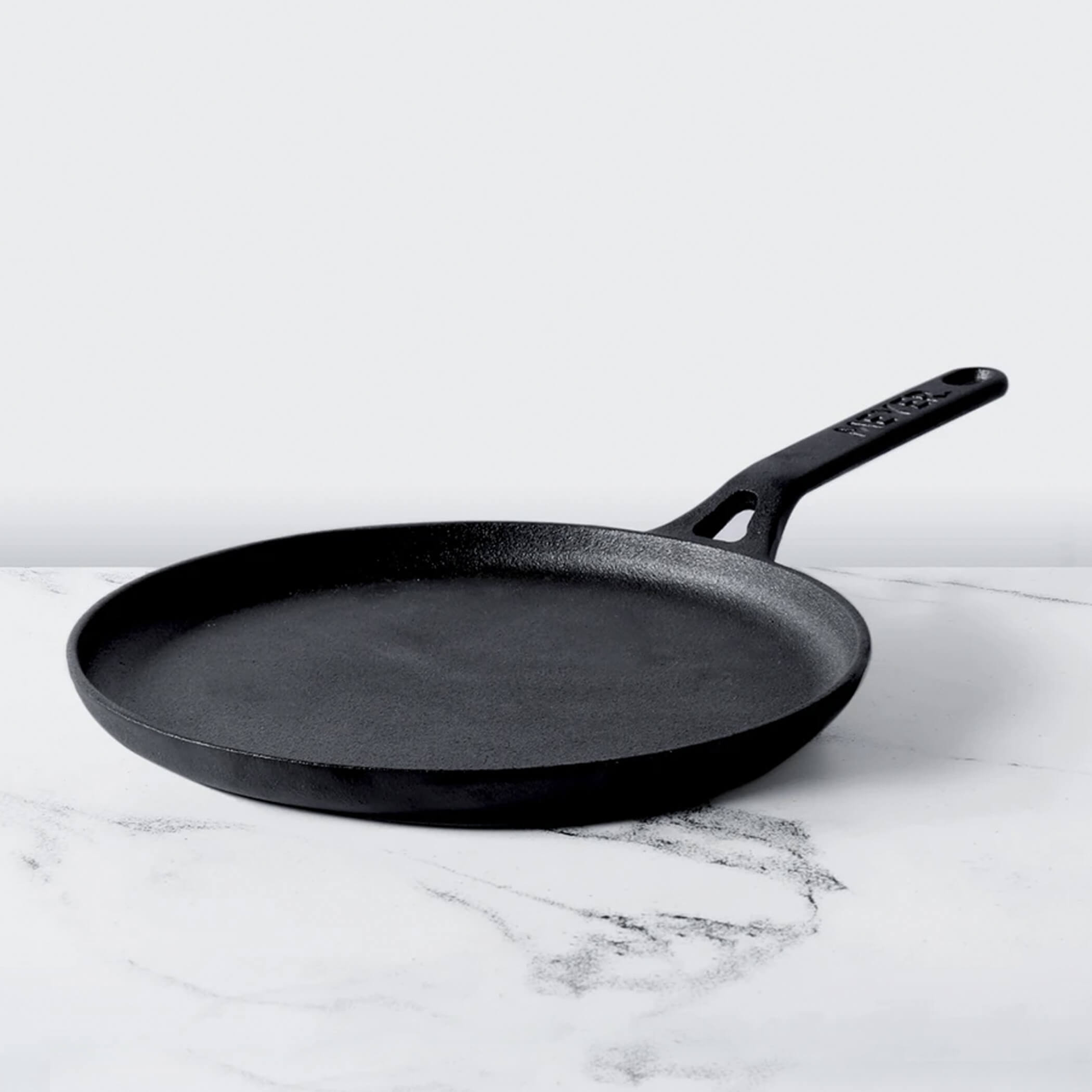


Leave a comment