



Cast iron cookware has made a powerful comeback in Indian kitchens. From crispy dosas and golden parathas to perfectly seared paneer and bhindi, cast iron is valued for its durability, heat retention, and long-term performance.
But one common question remains:
How many uses does it take for cast iron to become naturally non-stick?
Unlike synthetic non-stick cookware, cast iron does not come with a permanent coating. Instead, it develops its non-stick properties gradually through a process called seasoning. With proper use and care, cast iron improves over time rather than wearing out.
Let’s explore how this transformation happens and how long it realistically takes.
Table of Contents
- 1. What Makes Cast Iron Naturally Non-Stick?
- 2. How Many Uses Does It Actually Take?
- 3. Best Foods to Build Seasoning Quickly
- 4. Why Indian Kitchens Are Ideal for Cast Iron
- 5. Signs Your Cast Iron Is Becoming Naturally Non-Stick
- 6. Common Mistakes That Slow Down Seasoning
- 7. Does Pre-Seasoned Cast Iron Reduce Break-In Time?
- 8. Can Cast Iron Ever Match Synthetic Non-Stick?
- 9. Long-Term Benefits of Properly Seasoned Cast Iron
- 10. Final Answer
What Makes Cast Iron Naturally Non-Stick?
Cast iron becomes non-stick through polymerized oil seasoning.
When oil is heated beyond its smoke point, it chemically bonds to the iron surface. This process creates a hard, smooth layer that:
- Reduces sticking
- Improves food release
- Protects against rust
- Enhances cooking performance
Every time you cook with oil and heat the pan correctly, you add microscopic layers to this seasoning. Over time, these layers build up into a naturally non-stick surface.

How Many Uses Does It Actually Take?
The timeline depends on usage habits, but here is a realistic expectation:
First 1–5 Uses: Breaking-In Stage
-
Surface may feel slightly rough
-
Eggs and delicate foods may stick
-
Requires moderate oil
At this stage, the pan is functional but not yet naturally non-stick. This period is about building the base layer.
If you are using Meyer Pre-Seasoned Cast Iron Cookware, the initial roughness phase is shorter because it comes factory pre-seasoned, giving you a head start.
5–10 Uses: Noticeable Improvement
-
Surface begins darkening
-
Food release improves
-
Cleaning becomes easier
-
Oil spreads more evenly
You will start noticing better results when cooking sabzi, potatoes, paneer, and stir-fries.
In Indian kitchens where cooking happens daily, this stage can arrive within two weeks.
10–20 Uses: Developing Natural Non-Stick
-
Surface becomes smoother
-
Less oil required
-
Reduced sticking with proper heat control
-
Improved browning
At this point, many users feel their cast iron is “working beautifully.” Dosas start releasing more easily, and parathas cook evenly without sticking.
Pre-seasoned options like Meyer Pre-Seasoned Cast Iron Cookware often reach this stage faster due to their strong initial seasoning layer.
20–30+ Uses: Strong Natural Non-Stick Performance
- Deep black patina forms
- Semi-gloss surface develops
- Eggs release more easily
- Minimal scraping required
After about 20–30 proper cooking sessions, cast iron begins to feel reliably non-stick — provided you maintain proper technique.
For frequent cooks, this stage may take just a month.
What Speeds Up the Seasoning Process?
The number of uses alone does not guarantee results. Seasoning improves faster if you:
1. Cook with Enough Oil Initially
Early-stage cast iron needs moderate oil to build layers.
2. Avoid Acidic Foods at First
Tomato gravies, tamarind, and vinegar can weaken early seasoning.
3. Use Medium Heat
Extremely high heat can burn off thin seasoning layers.
4. Dry and Lightly Oil After Washing
Applying a thin oil layer after cleaning strengthens protection.
If you follow these habits, your pan will become naturally non-stick more efficiently.
Best Foods to Build Seasoning Quickly
Certain foods help accelerate seasoning:
- Aloo fry
- Bhindi
- Paneer
- Parathas
- Shallow-fried snacks
- Stir-fried vegetables
These foods contain natural fats that reinforce seasoning layers.
Avoid in early stages:
-
Tomato-heavy curries
-
Tamarind-based gravies
-
Lemon-rich dishes
Once seasoning is strong, cast iron can handle acidic foods better.
Why Indian Kitchens Are Ideal for Cast Iron
Indian cooking naturally supports seasoning development because:
-
Daily cooking frequency
-
Use of oil and ghee
-
Tawa-based cooking
-
Frequent sautéing
In fact, cast iron thrives in Indian kitchens due to regular usage.
With cookware like Meyer Pre-Seasoned Cast Iron Cookware, which is designed for modern Indian cooking, the seasoning process integrates seamlessly into everyday meals.
Signs Your Cast Iron Is Becoming Naturally Non-Stick
You will notice clear improvements when:
-
Food releases without scraping
-
Oil spreads evenly instead of pooling
-
The surface becomes darker and smoother
-
Cleaning requires only warm water and a brush
If an egg can slide across the surface with minimal resistance, your seasoning is well-developed.
Common Mistakes That Slow Down Seasoning
Even frequent use will not help if you:
- Soak the pan in water
- Use harsh detergents repeatedly
- Scrub aggressively with steel wool
- Store it damp
- Skip post-wash oiling
Seasoning is durable but not indestructible. Good habits protect it.
Does Pre-Seasoned Cast Iron Reduce Break-In Time?
Yes.
Pre-seasoned cookware significantly reduces the time required to achieve natural non-stick performance.
For example, Meyer Pre-Seasoned Cast Iron Cookware comes treated with oil that has already undergone high-temperature curing. This gives you:
-
Immediate usability
-
Shorter break-in phase
-
Faster development of smooth patina
-
Improved rust resistance
Instead of 20–30 uses, you may achieve strong performance closer to 10–15 uses with consistent cooking.
Can Cast Iron Ever Match Synthetic Non-Stick?
Cast iron behaves differently from factory-coated non-stick pans.
Synthetic coatings provide instant slipperiness but degrade over time. Cast iron improves with time.
A well-seasoned cast iron pan can:
-
Fry eggs with minimal sticking
-
Make crispy dosas
-
Sear paneer perfectly
-
Withstand high heat
-
Last for decades
It may not feel identical to a brand-new coated pan, but it offers long-term reliability and durability.
Long-Term Benefits of Properly Seasoned Cast Iron
Once fully developed, seasoned cast iron provides:
- Enhanced flavor development
- Excellent heat retention
- High-temperature tolerance
- No synthetic coatings
- Multi-generational durability
With regular use, the pan becomes better year after year.
Final Answer
Cast iron typically starts showing noticeable non-stick improvement after 5–10 uses.
Strong natural non-stick performance develops after approximately 20–30 proper cooking sessions.
With pre-seasoned options like Meyer Pre-Seasoned Cast Iron Cookware, this timeline shortens significantly, allowing you to enjoy better performance sooner.
The key is consistent cooking, moderate oil use, proper heat control, and simple maintenance.
Unlike coated non-stick cookware, cast iron does not wear out — it builds character. The more you cook, the better it performs.
MORE FROM BLOG
Top Collections
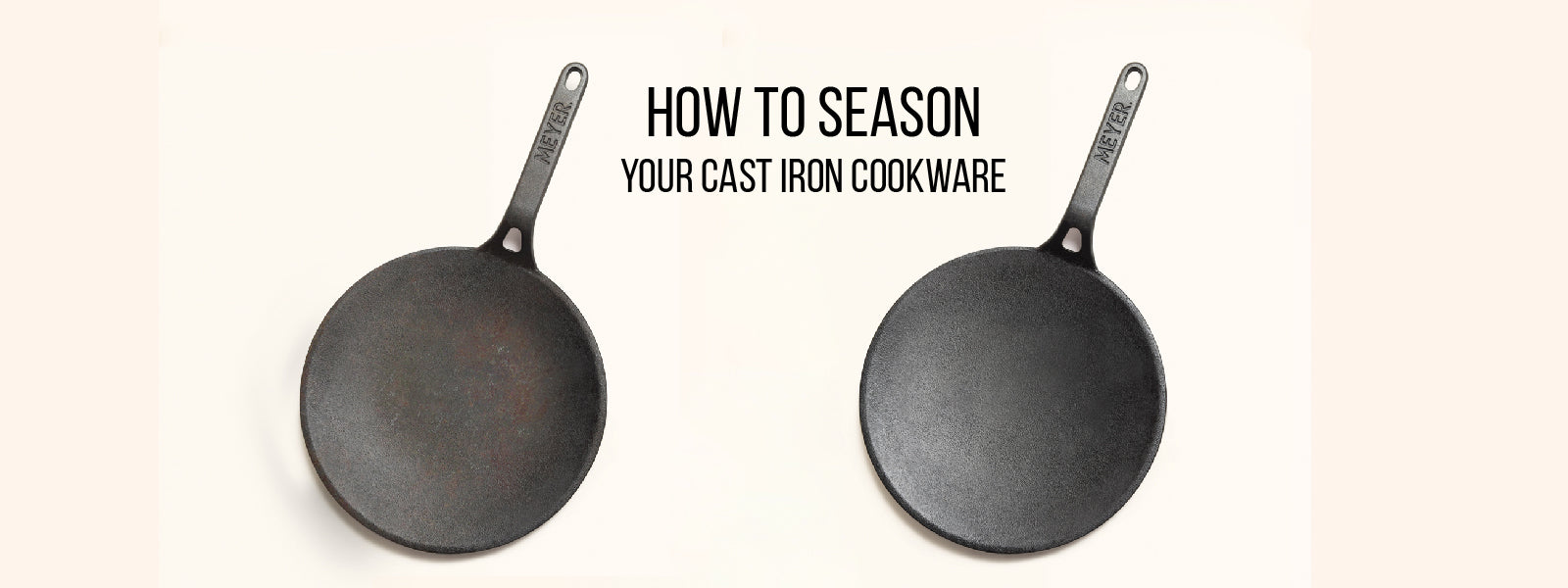
How To Season Cast Iron Cookware?
2 Items
A-Z Guide To Cast Iron Cookware; Use & Utility
2 Items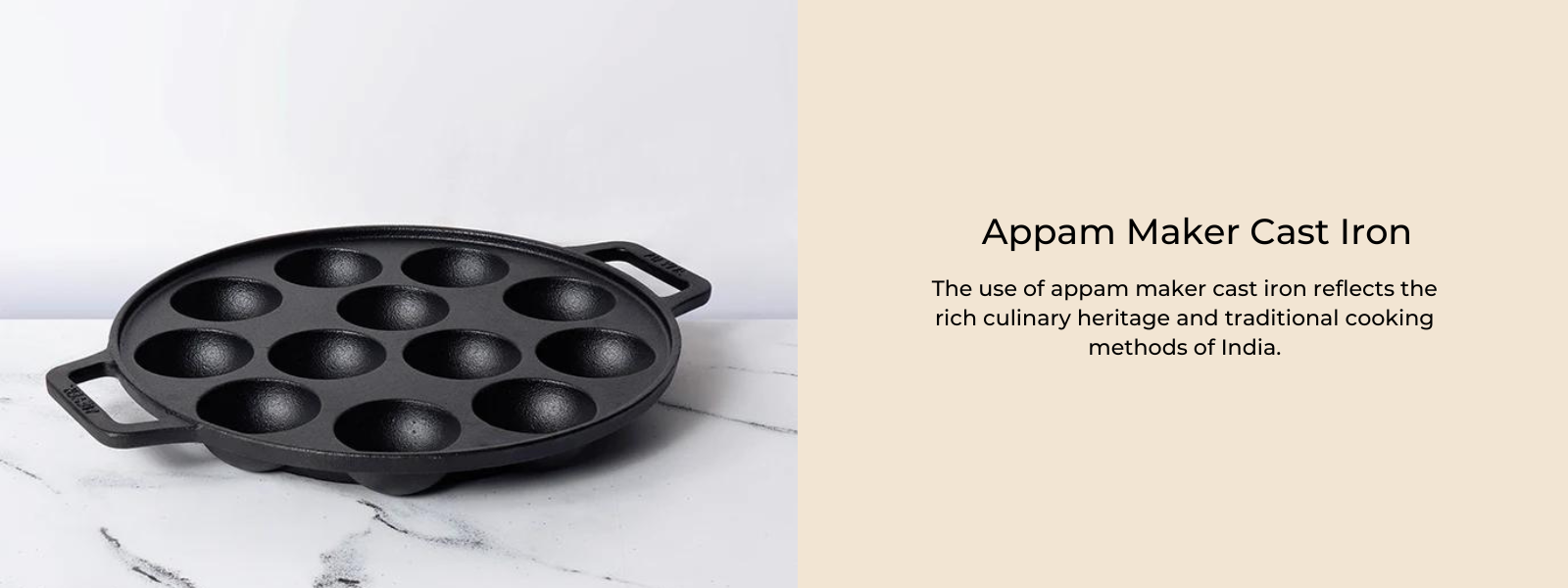
Appam Maker Cast Iron: Symbol Of Culinary Heritage
2 Items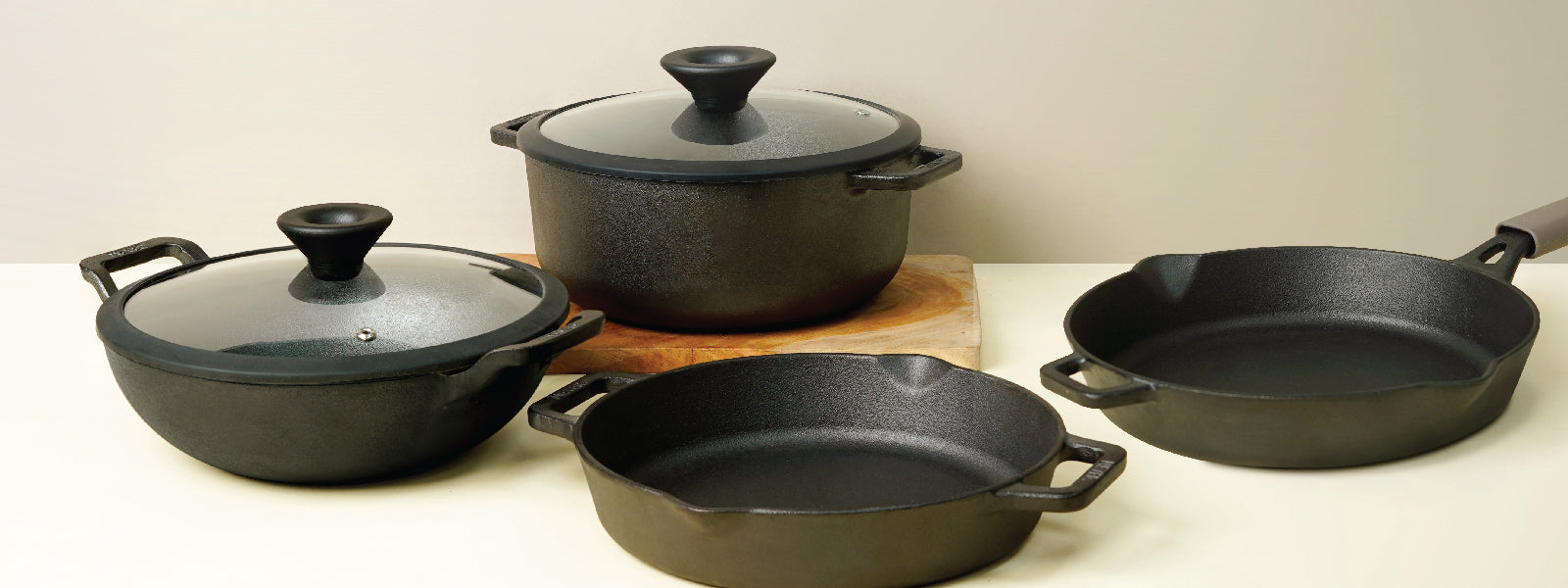
Benefits and Recipes for Cooking with a Cast Iron Kadai with Lid
2 Items
Best Cast Iron Cookware In India For Indian Food
2 Items


Leave a comment