



Cookware is one of the most frequently used tools in any kitchen, yet it’s often the most overlooked when it comes to timely replacement. Many people continue using the same pots and pans for years without realizing that worn-out cookware can quietly impact cooking performance, food quality, and even safety.
Unlike appliances, cookware does not come with a clear expiry date. Its lifespan depends on how it is used, maintained, and stored. Some materials are designed to last a lifetime, while others are built for convenience and naturally wear out faster. The challenge lies in knowing when a pan has reached the end of its useful life and when it simply needs better care.
This detailed guide explores how often you should replace different types of cookware, the warning signs to watch for, and how to extend the life of your kitchen essentials.
Table of Contents
- 1. Why Replacing Cookware at the Right Time Matters
- 2. Is There a Fixed Timeline for Replacing Cookware?
- 3. Average Lifespan by Cookware Type
- 4. Key Signs It’s Time to Replace Your Cookware
- 5. Can You Extend the Life of Your Cookware?
- 6. When You Should Replace Cookware Immediately
- 7. Choosing Quality to Reduce Replacement Frequency
- 8. Final Thoughts
Why Replacing Cookware at the Right Time Matters
Cooking is as much about the tools as it is about the ingredients. When cookware begins to degrade, it can affect more than just appearance.
Worn-out cookware may:
-
Cook food unevenly
-
Cause sticking or burning
-
Require more oil than necessary
-
Affect texture and taste
-
Pose safety risks if damaged
For example, a non-stick pan that has lost its coating will no longer deliver the low-oil convenience it was designed for. Similarly, a warped stainless steel pan may heat unevenly, making precise cooking difficult.
Replacing cookware at the right time ensures that your meals remain consistent, efficient, and safe to prepare.

Is There a Fixed Timeline for Replacing Cookware?
There is no universal rule for when cookware should be replaced. The lifespan of any pan or pot depends on several factors, including:
-
The material and construction quality
-
Frequency of use
-
Type of cooking, such as high heat or slow simmering
-
Cleaning habits and products used
-
Storage conditions
A pan used daily on high heat will naturally wear out faster than one used occasionally on low to medium heat. Similarly, cookware that is cleaned gently and stored properly will last significantly longer than cookware exposed to abrasive scrubbing and careless stacking.
Instead of focusing solely on time, it is more practical to evaluate cookware based on its condition and performance.
Average Lifespan by Cookware Type
Understanding how long different materials typically last can help you set realistic expectations.
Non-Stick Cookware: 2–5 Years
Non-stick cookware is designed for convenience and low-oil cooking, but its coating gradually wears down over time. Even with proper care, the surface will eventually lose its smooth, non-stick properties.
Frequent use, high heat, metal utensils, and abrasive cleaning can accelerate this process. While premium non-stick cookware tends to last longer, it is still not permanent.
You should consider replacing non-stick cookware when food starts sticking regularly, the coating appears scratched or patchy, or you find yourself using more oil than before.
Stainless Steel Cookware: 10–15+ Years
Stainless steel cookware is known for its durability and longevity. It can handle high heat, resist scratches, and maintain its structure over many years.
With proper care, stainless steel cookware can easily last over a decade and often much longer. It does not rely on coatings, so there is no surface layer to wear off in the same way as non-stick pans.
Replacement is only necessary if the base becomes warped, handles loosen, or there is significant damage that affects cooking performance.
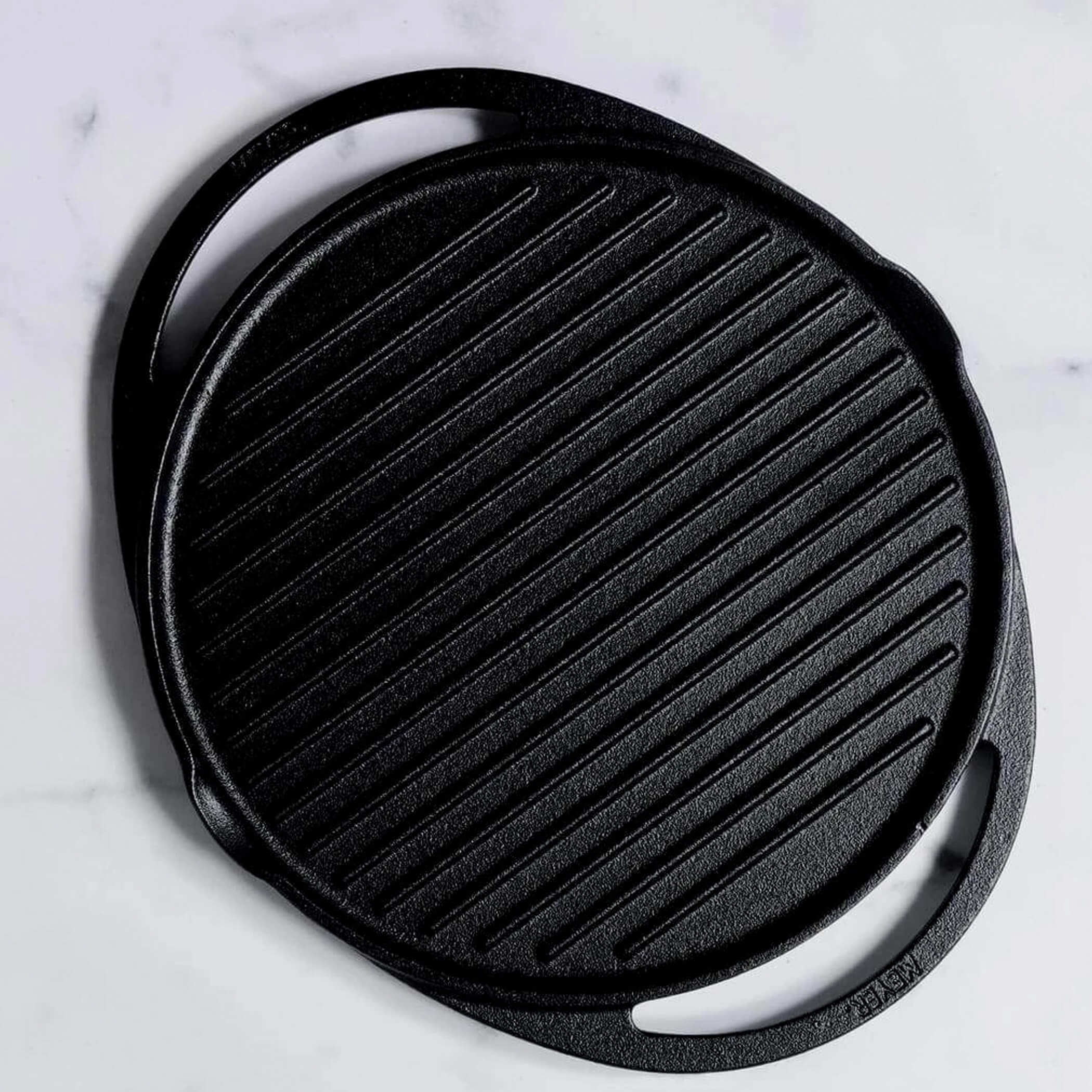
Cast Iron Cookware: Lifetime
Cast iron cookware is one of the most durable options available and can last for generations when properly maintained.
Unlike other cookware, cast iron improves with use. Its seasoning layer develops over time, enhancing its natural non-stick properties and cooking performance.
In most cases, cast iron does not need to be replaced unless it develops cracks or severe structural damage. Issues like rust or sticking can usually be resolved through cleaning and re-seasoning.
Hard Anodized Cookware: 5–10 Years
Hard anodized cookware offers a balance between durability and convenience. It is stronger than standard non-stick cookware but may still include a non-stick coating that wears over time.
Its lifespan typically falls between non-stick and stainless steel cookware. With proper care, it can last several years, but eventually, the surface may degrade.
Replacement becomes necessary when the cooking surface loses effectiveness or shows visible wear.
Key Signs It’s Time to Replace Your Cookware
While timelines provide a general idea, the most reliable way to decide is by observing how your cookware performs.
Food Starts Sticking Frequently
One of the earliest signs of wear is food sticking more than usual. This is especially noticeable in non-stick cookware, where the surface is designed to prevent sticking.
If you notice that eggs, pancakes, or vegetables no longer release easily, it is likely that the surface has deteriorated.
Visible Damage to the Surface
Scratches, peeling, chips, and cracks are clear indicators that cookware may need replacement.
Damaged surfaces not only affect cooking performance but can also make cleaning more difficult. In coated cookware, visible wear often signals that the non-stick layer is no longer intact.
Warped or Uneven Base
A warped pan does not sit flat on the stovetop, leading to uneven heat distribution. This can cause some parts of the food to overcook while others remain undercooked.
Warping is often caused by high heat or sudden temperature changes, such as placing a hot pan under cold water.
Increased Cooking Effort
If you find yourself using more oil, stirring more frequently, or adjusting heat constantly, your cookware may not be functioning efficiently.
Well-performing cookware should make cooking easier, not more demanding.
Loose or Damaged Handles
Handles that become loose or unstable can pose a safety risk. If tightening does not fix the issue or if the handle structure is compromised, it is safer to replace the cookware.
Can You Extend the Life of Your Cookware?
Yes, and in many cases, significantly. The lifespan of cookware is heavily influenced by how it is used and maintained.
Using low to medium heat for non-stick cookware helps preserve the coating. Avoiding metal utensils prevents scratches, while gentle cleaning methods protect the surface.
Proper storage also plays a key role. Stacking pans without protection can lead to scratches, even when they are not in use. Using pan protectors or organizing cookware thoughtfully can make a noticeable difference.
Rotating between different types of cookware based on the cooking task can also reduce wear. For example, using stainless steel for high-heat cooking and reserving non-stick pans for delicate foods helps extend the life of both.
When You Should Replace Cookware Immediately
In some cases, it is best not to delay replacement.
Cookware should be replaced immediately if:
-
The non-stick coating is peeling or flaking
-
The pan is severely warped and unstable
-
There are cracks or structural damage
Continuing to use such cookware can affect both safety and cooking results.
Choosing Quality to Reduce Replacement Frequency
One of the most effective ways to reduce how often you replace cookware is to invest in quality from the start.
Well-crafted cookware from brands like Meyer and Circulon is designed with durability, performance, and longevity in mind. Features such as reinforced coatings, sturdy construction, and even heat distribution contribute to a longer lifespan.
While no cookware lasts forever, choosing better materials and construction can significantly extend how long it performs well.
Final Thoughts
Cookware replacement is not about following a strict schedule. It is about paying attention to how your pans and pots perform over time.
A well-maintained stainless steel or cast iron pan can serve you for years, while non-stick cookware requires more regular updates. Recognizing early signs of wear allows you to replace cookware at the right time, ensuring better cooking results and a safer kitchen environment.
Ultimately, your cookware should support your cooking, not hinder it. When it no longer delivers consistent performance, it is time to upgrade and continue creating meals with confidence and ease.
MORE FROM BLOG
Top Collections
10 Best Healthy & Non-Toxic Cookware in India (2022 Reviews)
2 Items
26 cm Triply Tope – The Best Cookware for Festive Cooking
2 Items
Best Cookware for Special Diwali Recipes
2 Items
Best Iron Tawa For Roti: Cookware For Indian Food
2 Items
Cast Iron Appam Pan: Cookware That Lasts For Lifetime
2 Items
How Steel Cookware has replaced Aluminium Cookware in India 2022
2 Items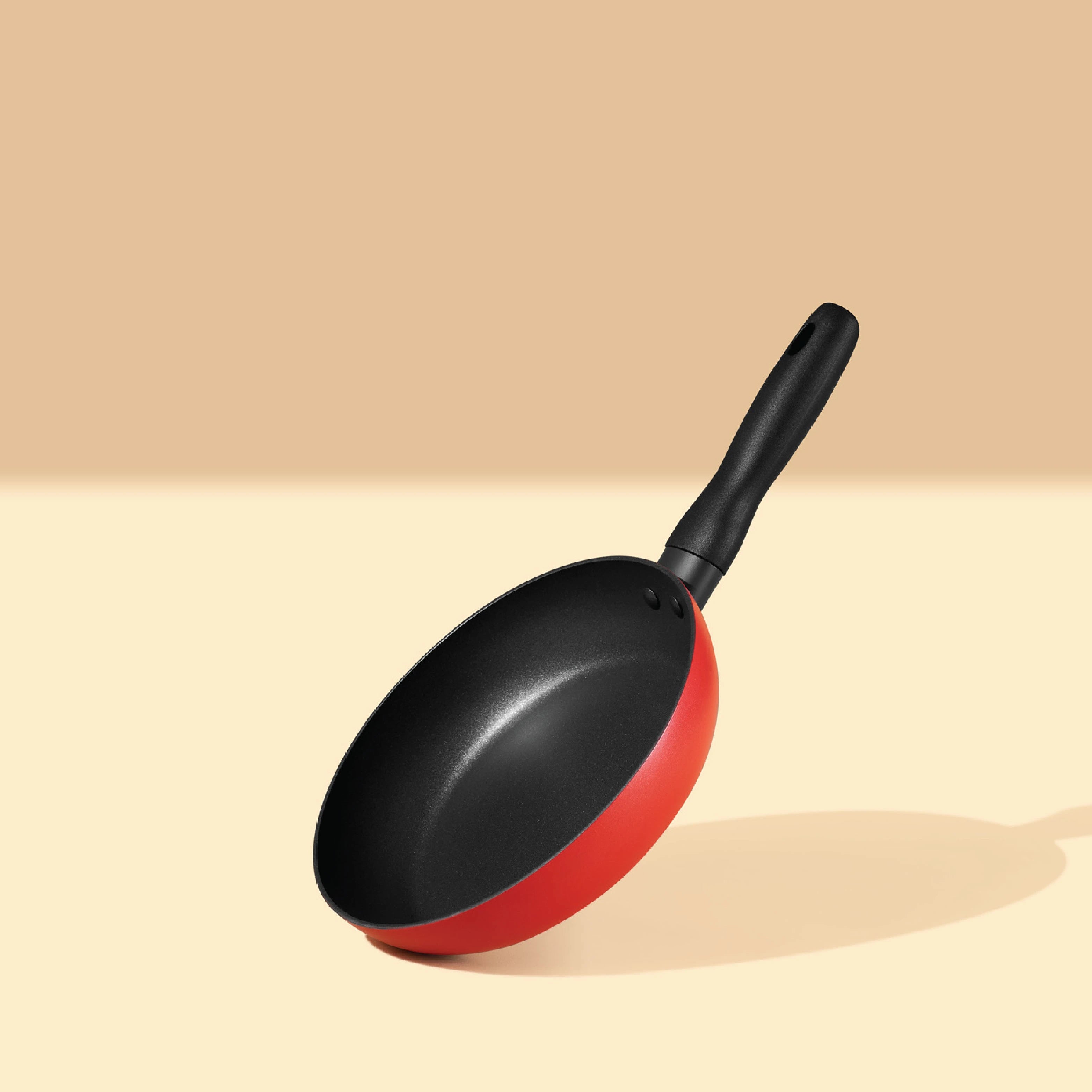


Leave a comment