



Indian cooking is one of the most versatile culinary traditions in the world. From slow-simmered dals and rich gravies to quick stir-fried sabzis, deep-fried snacks, pressure-cooked legumes, and flatbreads cooked on a tawa, the range of techniques is vast. Yet, despite this diversity, many Indian kitchens are cluttered with cookware that is rarely used or poorly suited to everyday cooking.
The reality is that great Indian food does not require an overflowing kitchen cabinet. What it needs is a well-thought-out cookware set that supports Indian cooking styles, handles high heat, remains safe for daily use, and lasts for years. By choosing the right materials and versatile pieces, you can build a simple cookware set that covers almost all Indian recipes without unnecessary excess.
Table of Contents
- 1. Why a Simple Cookware Set Is Ideal for Indian Kitchens
- 2. Stainless Steel Kadhai
- 3. Fry Pan or Skillet
- 4. Tawa
- 5. Saucepan
- 6. Stainless Steel Exterior
- 7. Pressure Cooker
- 8. Stockpot or Deep Casserole
- 9. Choosing the Right Materials for Indian Cooking
- 10. Why Investing in Fewer, Better Cookware Pieces Makes Sense
- 11. Conclusion
Why a Simple Cookware Set Is Ideal for Indian Kitchens
Indian cooking relies heavily on mastering heat, timing, and technique rather than on specialised tools for every recipe. Most everyday dishes follow a familiar rhythm—tempering spices, sautéing onions, slow-cooking gravies, boiling grains or lentils, and finishing with controlled simmering. When cookware is thoughtfully chosen, the same vessel can perform multiple roles with ease.
A simple cookware set reduces decision fatigue, improves cooking efficiency, and makes kitchen storage more manageable. More importantly, it allows you to invest in better-quality cookware, which translates into even cooking, improved food safety, and long-term durability. Instead of frequently replacing low-quality utensils, a minimal but premium set serves Indian households far better.

Stainless Steel Kadhai: The Backbone of Indian Cooking
The kadhai is arguably the most important piece of cookware in an Indian kitchen. It is used daily for cooking vegetables, gravies, dals, curries, and snacks, and often doubles as a vessel for shallow or deep frying. Because Indian cooking involves high heat and frequent stirring of spices, the material and construction of a kadhai matter greatly.
Tri-ply stainless steel is particularly well suited for Indian cooking. With an aluminium core sandwiched between two layers of stainless steel, it ensures even heat distribution while remaining non-reactive with acidic ingredients like tomatoes, tamarind, and vinegar. This prevents metallic taste and preserves the natural flavours of food. Meyer’s tri-ply stainless steel kadhais are designed to offer precise heat control, which is essential for tasks such as tempering spices without burning them or slow-cooking gravies to the right consistency.
For most Indian families, a 22–24 cm kadhai with a well-fitting lid is sufficient for daily cooking and small gatherings.
Meyer Merlot Non-Stick Kadai/Wok with Lid, 28cm
Fry Pan or Skillet: For Fast, Everyday Cooking
A fry pan is indispensable for Indian kitchens where quick cooking is a daily requirement. From sautéing paneer and vegetables to shallow frying cutlets, making omelettes, cheelas, or even reheating leftovers, a good fry pan simplifies everyday tasks.
Hard anodised aluminium fry pans are particularly popular in Indian homes because they heat quickly, require less oil, and are lighter to handle during frequent use. Their non-reactive surface makes them safe for daily cooking, while the sturdy construction ensures they do not warp over time. Meyer’s hard anodised fry pans are designed with Indian cooking habits in mind, offering fast responsiveness to heat and excellent durability for regular use.
A medium-sized fry pan, typically between 24 and 26 cm, works well for most households.
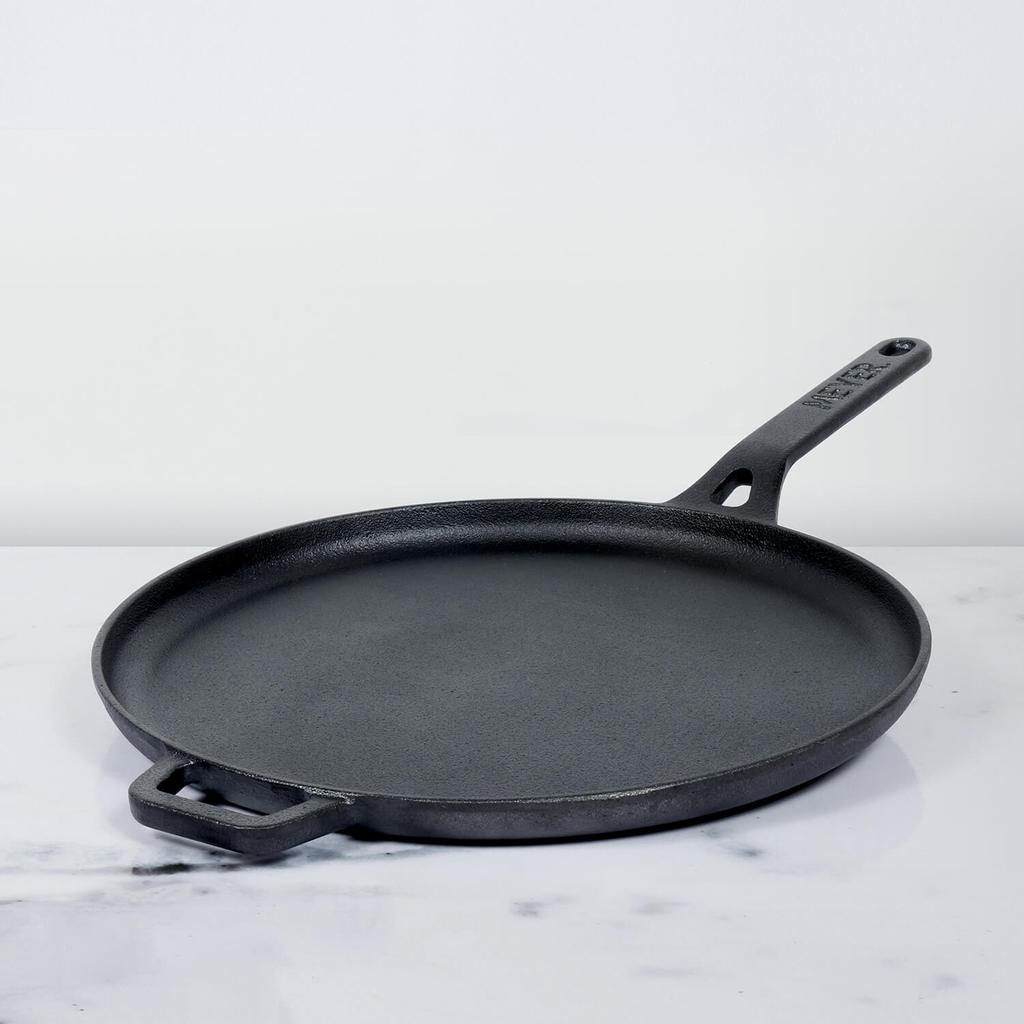
Tawa: Essential for Indian Breads and Breakfasts
No Indian kitchen is complete without a tawa. Whether it is for rotis, parathas, dosas, chillas, or uttapams, a flat cooking surface that distributes heat evenly is essential. Uneven heating can result in patchy browning, undercooked centres, or excessive charring.
A thick-base tawa, especially one made from hard anodised aluminium or cast iron, ensures consistent heat distribution and better cooking results. Hard anodised tawas are lighter and more convenient for daily use, while cast iron tawas appeal to those who enjoy traditional cooking and robust browning. Meyer’s tawas are crafted to stay flat over time, ensuring reliable performance whether used on gas or induction cooktops.
Investing in one high-quality tawa eliminates the need for multiple flat pans in the kitchen.
Saucepan: The Most Underrated Essential
While often overlooked, a saucepan plays a vital role in Indian cooking. It is used daily for boiling milk, preparing tea and coffee, cooking rice, lentils, soups, and reheating food. Because milk and liquids are prone to scorching, the quality of the saucepan directly affects both cooking results and ease of cleaning.
Stainless steel saucepans are ideal for Indian kitchens due to their durability, safety, and resistance to staining. A well-constructed base prevents food from sticking and burning, making everyday tasks more convenient. Meyer’s stainless steel saucepans, designed with sturdy bases and snug-fitting lids, are particularly suited for frequent boiling and simmering.
A 1.5 to 2-litre saucepan is sufficient for most daily requirements.
Pressure Cooker: A Timeless Indian Kitchen Staple
The pressure cooker is deeply ingrained in Indian cooking culture. It significantly reduces cooking time for lentils, beans, vegetables, rice, and one-pot meals like khichdi and pulao. Beyond convenience, it also saves fuel and preserves nutrients through faster cooking.
Modern stainless steel pressure cookers are a healthier and more durable alternative to traditional aluminium models. They do not react with food, retain their appearance over time, and are compatible with both gas and induction cooktops. Meyer’s stainless steel pressure cookers are engineered with strong bases and secure locking systems, offering safety and reliability for everyday use.
For most households, a 3 to 5-litre pressure cooker is versatile enough to handle daily meals as well as larger quantities when needed.
Stockpot or Deep Casserole: For One-Pot and Family Meals
A deep stockpot or casserole becomes invaluable for cooking larger quantities of food. It is ideal for preparing biryani, sambhar, rajma, soups, pasta, and festive meals where slow and even cooking is essential. Unlike shallow vessels, a deep pot allows ingredients to cook uniformly without spilling or scorching.
Tri-ply stainless steel stockpots and casseroles are especially effective for Indian cooking because they provide consistent heat distribution and maintain stable temperatures during long simmering. Meyer’s deep casseroles are designed with thicker bases and well-fitted lids, making them suitable for both everyday family meals and special occasions.
One well-sized stockpot can replace several smaller vessels, simplifying kitchen organisation.
Choosing the Right Materials for Indian Cooking
Selecting the right cookware material is as important as choosing the right cookware shape. Stainless steel remains a cornerstone of Indian kitchens because it is non-reactive, durable, and safe for acidic and spicy foods. Hard anodised aluminium offers quick heating and ease of use, making it ideal for everyday cooking. Cast iron, while heavier and requiring maintenance, provides unmatched heat retention and depth of flavour for traditional recipes.
Meyer’s cookware ranges thoughtfully combine these materials, allowing Indian households to build a balanced set that caters to both modern convenience and traditional cooking techniques.
Why Investing in Fewer, Better Cookware Pieces Makes Sense
A clutter-free kitchen encourages better cooking habits. When cookware is limited to high-quality essentials, it becomes easier to maintain, store, and use effectively. High-grade cookware lasts longer, performs more consistently, and reduces the need for frequent replacements, making it a smarter long-term investment.
Rather than accumulating multiple low-quality pieces, building a simple cookware set ensures that every item serves a clear purpose and supports everyday Indian cooking needs.
Conclusion
Building a simple cookware set is not about restricting your cooking—it is about enabling it. With a well-chosen kadhai, fry pan, tawa, saucepan, pressure cooker, and deep stockpot, you can confidently prepare everything from everyday meals to elaborate festive spreads.
By focusing on quality materials, thoughtful design, and trusted brands like Meyer, Indian kitchens can achieve better cooking results, improved safety, and long-lasting performance. In the end, the joy of Indian cooking comes not from owning more cookware, but from owning the right cookware.
MORE FROM BLOG
Top Collections
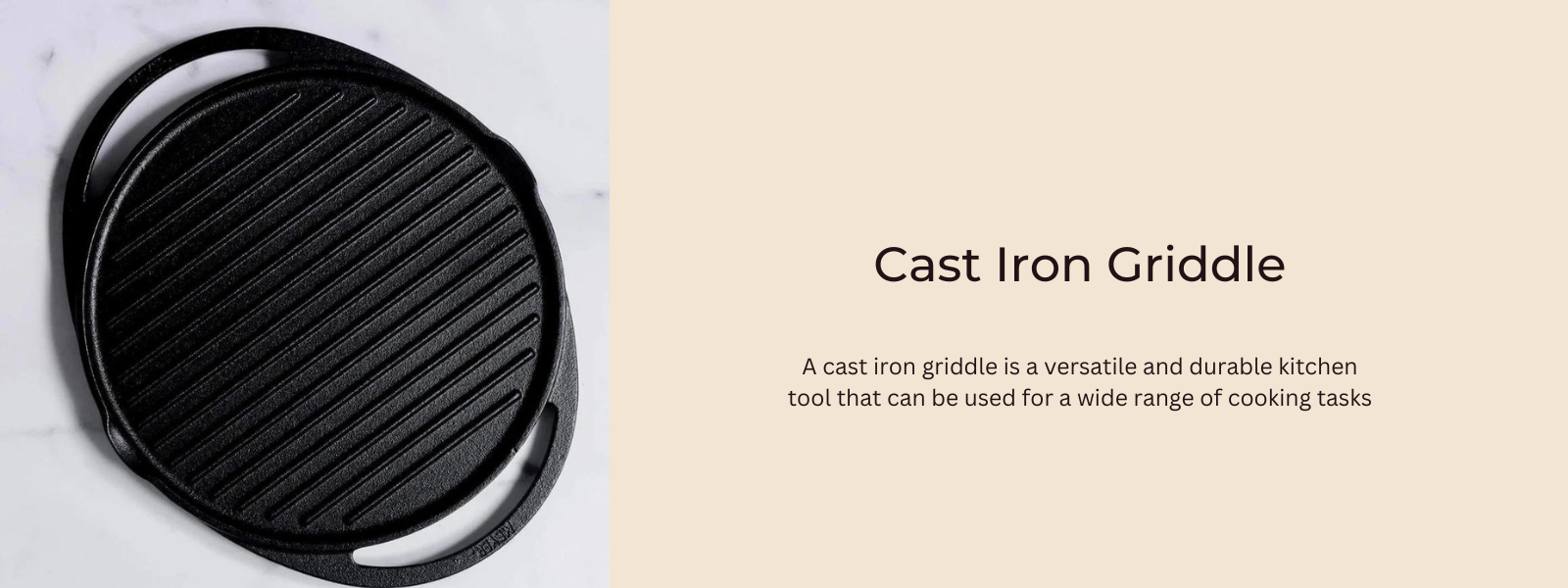
Cast Iron Griddle: Must-Have Cookware For Grilling
2 Items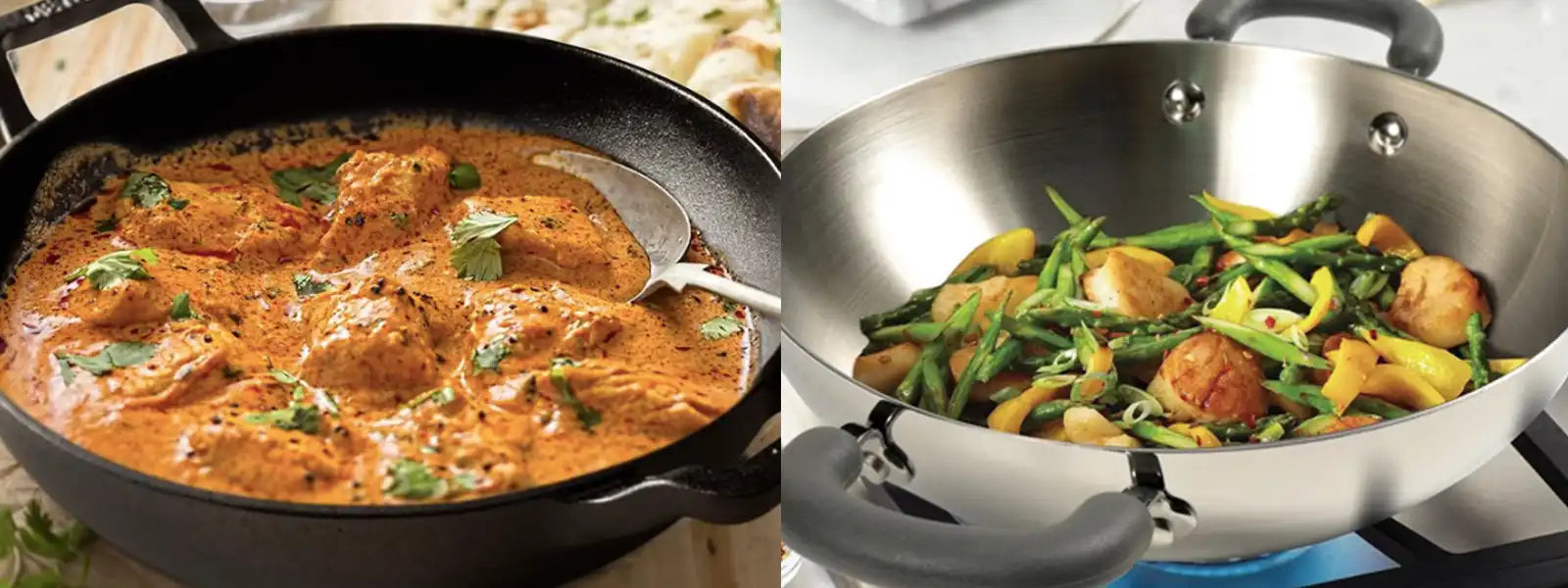
Cast Iron vs. Stainless Steel Cookware (What's the Difference?)
2 Items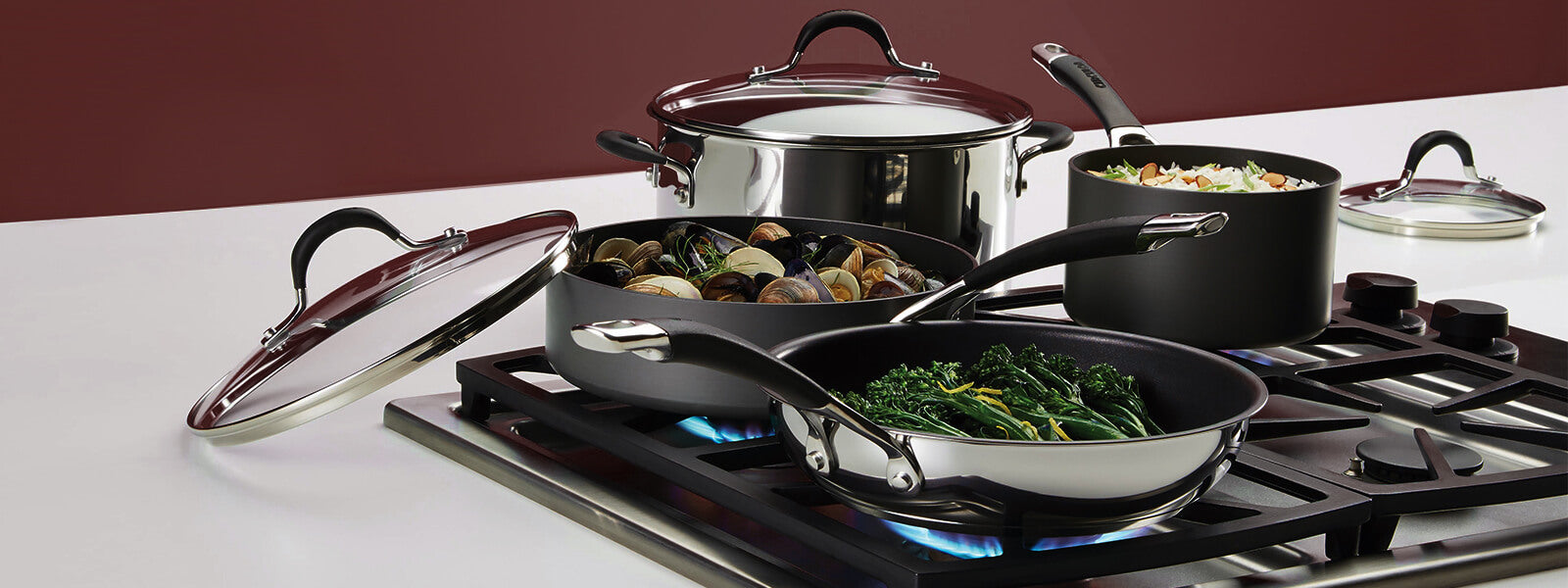
Difference Between Nonstick and Stainless Steel Kitchen Cookware
2 Items
Grilling Goodies: BBQ Cookware for Diwali Parties
2 Items
How does stainless steel cookware improve cooking control?
2 ItemsFrom Our Shop


Leave a comment