



For anyone who has cooked on non-stick for years, switching to stainless steel can feel intimidating. The first few attempts often involve sticking, burning, or overthinking every step. This leads many home cooks to believe that cooking without non-stick is difficult, technical, or meant only for experts.
The truth is simpler—and kinder.
Cooking confidently with stainless steel is not about special tricks. It’s about understanding heat, trusting the pan, and changing your cooking rhythm. Once this shift happens, stainless steel becomes not harder—but more forgiving, predictable, and empowering.
Table of Contents
- 1. Step One: Let Go of the “No-Stick” Expectation
- 2. Understanding Heat
- 3. Oil Is Not the Enemy—Timing Is
- 4. Let Food Cook Before You Touch It
- 5. Moisture Control Changes Everything
- 6. Start with Forgiving Foods
- 7. Accept That Sticking Is Part of Learning
- 8. Cleaning Confidence = Cooking Confidence
- 9. Why Chefs Prefer Steel—and Why That Matters
- 10. Why Chefs Prefer Steel—and Why That Matters
- 11. The Meyer Philosophy
- 12. Conclusion
Step One: Let Go of the “No-Stick” Expectation
The biggest mental block is expecting stainless steel to behave like non-stick. It won’t—and it shouldn’t.
Non-stick hides mistakes. Stainless steel shows them. That visibility actually helps you improve quickly. When something sticks, it’s not failure—it’s feedback. It’s telling you something about heat, moisture, or timing.
Confidence begins when you stop fighting the pan and start listening to it.

Understanding Heat: The Real Foundation of Steel Cooking
Stainless steel demands correct heat—not high heat, but right heat.
Most sticking happens when food is added too early or when the pan is not evenly heated. With steel, preheating is essential. When the pan is warmed properly, its surface expands microscopically, creating a smoother cooking environment.
Once the pan is hot enough, food naturally releases after searing. This is not magic—it’s physics.
Indian cooking already relies heavily on heat awareness. Stainless steel simply sharpens that instinct.
Meyer Trivantage Stainless Steel Triply Cookware Open Frypan, 28cm
Oil Is Not the Enemy—Timing Is
Many people overuse oil when cooking with steel because they’re afraid of sticking. Ironically, excess oil often causes splattering and uneven cooking.
With stainless steel, oil should be added after the pan is heated, not before. When oil hits a warm pan, it spreads evenly and forms a barrier between food and metal.
This small sequencing change builds instant confidence. The pan stops feeling unpredictable, and cooking starts feeling controlled.
Let Food Cook Before You Touch It
One of the hardest habits to break is constant stirring. Stainless steel rewards patience.
When food first touches the pan, it may stick briefly. This is normal. As the surface browns and moisture evaporates, the food naturally releases. Trying to flip or stir too early causes tearing and frustration.
Confidence comes from waiting—trusting that release will happen. It almost always does.
Moisture Control Changes Everything
Stainless steel reacts strongly to moisture. Wet vegetables, watery marinades, or frozen foods increase the chances of sticking.
Drying ingredients before cooking and allowing excess moisture to evaporate helps the pan do its job. Indian cooking techniques like bhunao already rely on moisture reduction—steel simply supports this process more honestly.
As moisture reduces, flavours intensify and sticking reduces.
Start with Forgiving Foods
Confidence grows with small wins. Not every dish needs to be mastered on day one.
Begin with foods that naturally release easily:
-
onions
-
potatoes
-
paneer cubes
-
sautéed vegetables
-
dal tempering
As your comfort increases, move on to more delicate foods like dosas, cheelas, or fish.
Each successful dish builds trust—not just in the pan, but in yourself.
Accept That Sticking Is Part of Learning
Every experienced stainless steel cook has burnt something at least once. That’s not failure—it’s part of the learning curve.
Unlike non-stick, stainless steel does not punish mistakes permanently. A stuck base can be soaked, scrubbed, and restored completely. There’s no coating damage, no long-term regret.
This forgiveness is what makes steel empowering over time.
Cleaning Confidence = Cooking Confidence
Fear of cleaning often holds people back. Stainless steel actually becomes easier to clean as you understand it.
Burnt bits loosen with soaking. Deglazing while cooking can lift flavour and residue at the same time. Over time, you stop worrying about marks and focus on food.
When cleaning stops being stressful, cooking becomes freer.
Why Chefs Prefer Steel—and Why That Matters
Professional chefs cook exclusively on stainless steel not because it’s easy—but because it’s honest. It reacts instantly to heat, shows what’s happening, and rewards skill.
By cooking on steel, home cooks tap into that same control. You stop depending on coatings and start depending on technique.
That shift builds deep, lasting confidence.
The Meyer Philosophy: Confidence Through Design
Meyer designs stainless steel cookware to support this learning curve. Thoughtful heat distribution, stable bases, and food-safe surfaces make cooking feel predictable rather than intimidating.
Good cookware doesn’t make you a better cook overnight—but it removes unnecessary friction so confidence can grow naturally.
Conclusion: Confidence Is Built, Not Bought
Cooking without non-stick is not about perfection. It’s about progress.
Every meal cooked on stainless steel improves your understanding of heat, timing, and flavour. Over time, fear turns into familiarity—and familiarity turns into confidence.
When you stop trying to make steel behave like non-stick and let it behave like steel, cooking becomes calmer, more intuitive, and deeply satisfying.
Stainless steel doesn’t make cooking harder. It makes you better.
MORE FROM BLOG
Top Collections
5 Reasons Why Every Home Cook Needs Stainless Steel Pots
2 Items
Advantages of a 2 Litre Stainless Steel Pressure Cooker
2 Items
Best Stainless Steel Kadai for Deep Frying
2 Items
Choosing the Right Kadai Material: Cast Iron, Steel, or Non-Stick in 2025?
2 Items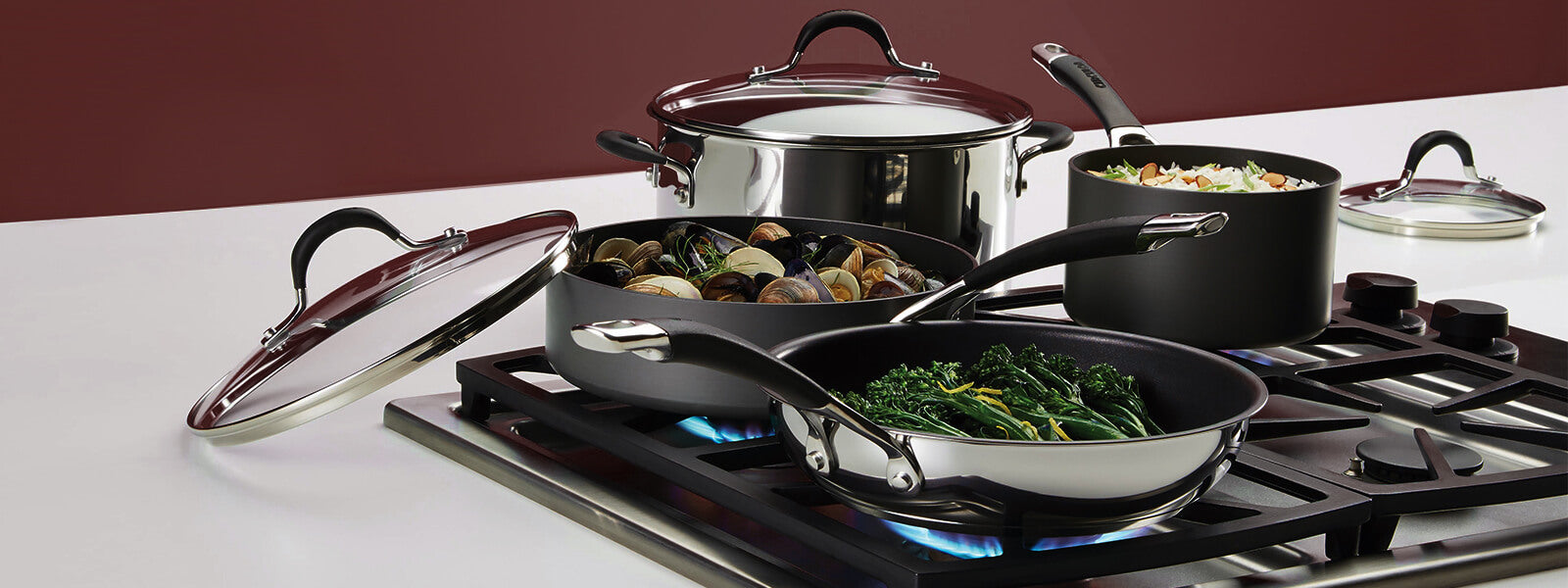
Difference Between Nonstick and Stainless Steel Kitchen Cookware
2 Items
Top 5 Stainless Steel Cookware To Buy On Dhanteras
2 Items


Leave a comment