



Choosing the right cookware is one of the most important decisions you can make for your kitchen. It directly influences how your food cooks, how efficiently you work, and even how enjoyable the cooking process feels. Yet, with so many materials, finishes, and product types available today, selecting the right cookware can quickly become overwhelming.
From non-stick pans and stainless steel pots to cast iron skillets and hard anodized kadhais, each type serves a specific purpose. The key is not to buy everything, but to choose cookware that aligns with your cooking habits, lifestyle, and long-term needs.
This complete guide breaks down everything you need to know—from materials and construction to practical buying tips—so you can build a cookware collection that works for you.
Table of Contents
- 1. Why Choosing the Right Cookware Matters
- 2. Understanding Different Cookware Materials
- 3. Non-Stick Cookware
- 4. Stainless Steel Cookware
- 5. Cast Iron Cookware
- 6. Hard Anodized Cookware
- 7. Key Factors to Consider Before Buying Cookware
- 8. Building a Balanced Cookware Set
- 9. Common Mistakes to Avoid
- 10. Why Brand and Build Quality Matter
- 11. Final Thoughts
Why Choosing the Right Cookware Matters
Cookware is not just a kitchen accessory; it is a performance tool. The right cookware ensures:
-
Even heat distribution for better cooking results
-
Reduced chances of burning or sticking
-
Efficient use of oil and ingredients
-
Greater durability and long-term value
On the other hand, the wrong cookware can lead to uneven cooking, food sticking, excessive oil usage, and frequent replacements.
Investing thoughtfully in cookware helps you cook smarter, not harder.

Understanding Different Cookware Materials
The foundation of choosing cookware lies in understanding materials. Each material behaves differently when exposed to heat and food.
Non-Stick Cookware
Non-stick cookware is designed for convenience and low-oil cooking. It is ideal for eggs, omelettes, dosas, pancakes, and quick sautéing. The smooth surface prevents food from sticking, making cooking and cleaning easier.
However, non-stick cookware requires gentle handling. It performs best on low to medium heat and should not be used with metal utensils. Over time, the coating may wear out, so it is not a lifetime investment.
Premium ranges from brands like Meyer and Circulon often feature advanced non-stick technologies that improve durability and scratch resistance, making them more reliable for daily use.
Stainless Steel Cookware
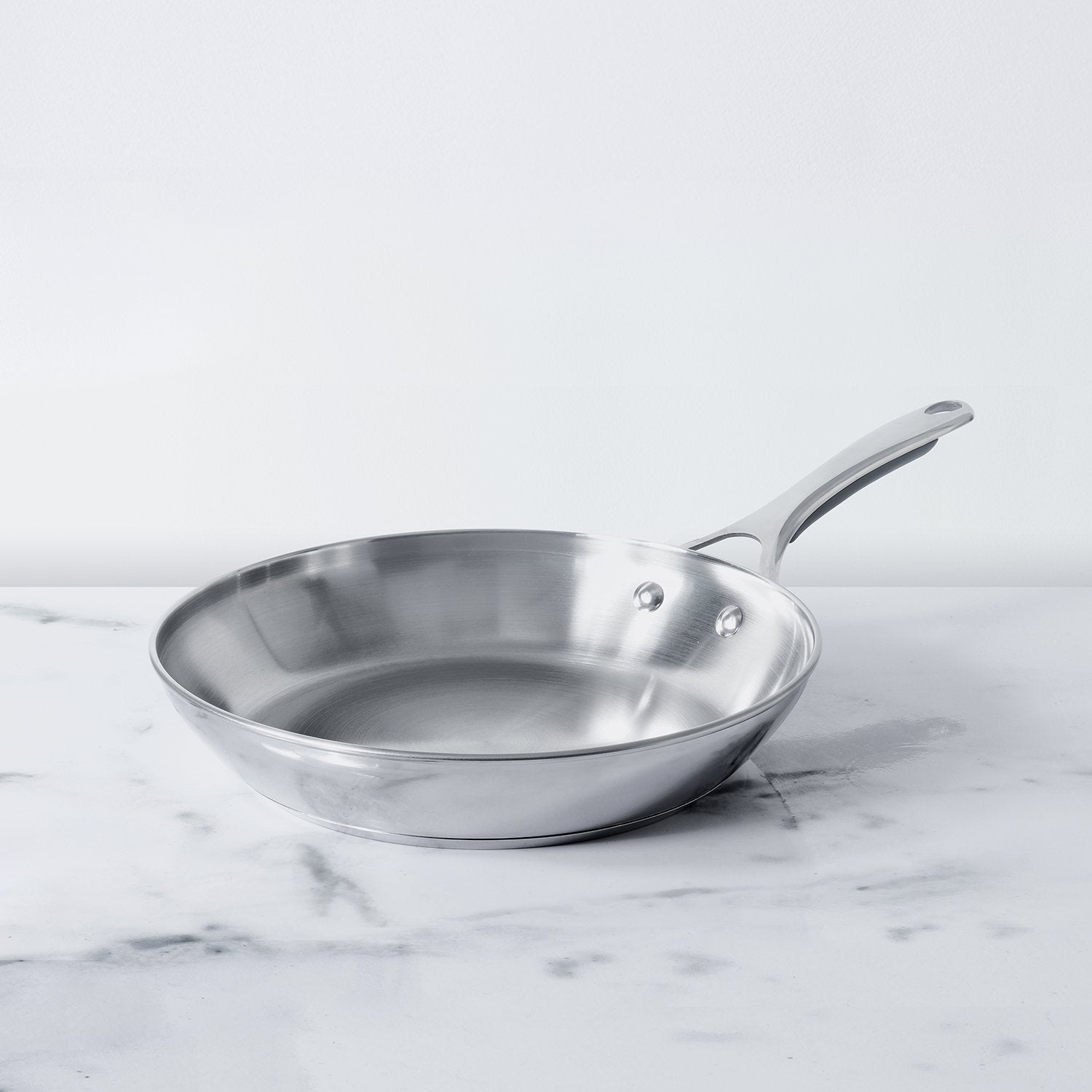
Stainless steel is one of the most versatile and durable cookware materials. It is ideal for curries, gravies, boiling, steaming, and sautéing.
Unlike non-stick, stainless steel does not have a coating, which means it can handle high heat and last for years. It is also non-reactive, making it safe for cooking acidic foods like tomatoes.
Modern stainless steel cookware, especially triply or multi-layered designs, ensures even heat distribution and reduces hotspots. High-quality options are engineered for durability and consistent performance, making them a long-term investment.
Cast Iron Cookware
Cast iron is known for its exceptional heat retention and durability. It is perfect for deep frying, searing, roasting, and slow cooking traditional recipes.
When properly seasoned, cast iron develops a natural non-stick surface and improves with use. It can last for generations if maintained well.
However, it is heavier than other materials and requires regular care, including drying and oiling to prevent rust.
Hard Anodized Cookware
Hard anodized cookware offers a balance between durability and ease of use. It is stronger than standard aluminium, resistant to corrosion and scratches, and suitable for everyday cooking.
Many hard anodized pans also include a non-stick coating, making them versatile and convenient. They are a good choice for users who want durability without the weight of cast iron.
Key Factors to Consider Before Buying Cookware
Choosing the right cookware goes beyond material. Several practical factors influence your decision.
1. Your Cooking Style
Start by evaluating how you cook daily.
Do you cook elaborate meals or quick dishes? Do you prefer low-oil cooking? Do you cook on high heat frequently?
Non-stick works well for quick, low-oil meals, stainless steel is ideal for gravies and high-heat cooking, and cast iron suits slow cooking and traditional recipes. Matching cookware to your cooking habits ensures better results and less frustration.
2. Heat Source Compatibility
Ensure your cookware is compatible with your stove.
Gas stoves work with most cookware types, while induction cooktops require a magnetic base. Some cookware is designed for dual compatibility. Always check product specifications to avoid mismatches.
3. Heat Distribution and Retention
Good cookware should heat evenly to prevent burning.
Triply stainless steel offers excellent heat distribution, cast iron retains heat for longer cooking, and non-stick heats quickly but may not retain heat as long. Choosing the right balance depends on what you cook most often.
4. Durability and Lifespan
Different materials have different lifespans.
Non-stick has a shorter lifespan but offers high convenience. Stainless steel is long-lasting and durable. Cast iron can last a lifetime with proper care. Investing in durable cookware reduces the need for frequent replacements.
5. Ease of Maintenance
Consider how much time you are willing to spend on care.
Non-stick is easy to clean but needs gentle handling. Stainless steel requires occasional deep cleaning. Cast iron needs seasoning and regular maintenance. Choose cookware that fits your lifestyle, not just your cooking needs.
6. Safety and Material Quality
Always prioritize safe, high-quality materials.
Modern cookware from trusted brands is designed to meet high safety standards, offering toxin-free coatings and durable construction. This ensures both performance and peace of mind.
Building a Balanced Cookware Set
Instead of relying on one type, the best approach is to create a balanced collection.
A well-rounded kitchen may include a non-stick frying pan for everyday cooking, a stainless steel kadhai or saucepan for curries, a cast iron pan for high-heat and traditional recipes, and a hard anodized pan for versatile use.
This combination allows you to handle a wide range of dishes efficiently.
Common Mistakes to Avoid
When choosing cookware, avoid these common pitfalls:
-
Buying based only on price rather than quality
-
Choosing cookware that does not match your cooking style
-
Ignoring compatibility with your heat source
-
Overloading your kitchen with unnecessary pieces
-
Not considering maintenance requirements
Making informed choices helps you avoid frequent replacements and ensures better cooking results.
Why Brand and Build Quality Matter
Not all cookware is created equal. Construction quality, materials, and design play a significant role in performance and durability.
Well-established brands invest in advanced technologies, better materials, and rigorous testing. This results in cookware that heats evenly, lasts longer, and delivers consistent performance.
Choosing reliable brands may require a higher initial investment, but it pays off in the long run.
Final Thoughts
Choosing the right cookware is about understanding your needs, not following trends. The best cookware for your kitchen is the one that aligns with your cooking style, offers reliable performance, and fits your daily routine.
A thoughtful combination of materials—non-stick for convenience, stainless steel for durability, and cast iron for depth of cooking—creates a versatile and efficient kitchen setup.
With the right cookware, cooking becomes easier, more enjoyable, and more consistent. And when you invest in quality and care for it properly, your cookware becomes a long-term partner in your culinary journey.
MORE FROM BLOG
Top Collections
Cast Iron Cookware: Best Practices for Cleaning and Storage
2 Items
Cast Iron Cookware: The Benefits of Cooking with Tradition
2 Items
Non-stick cookware guide: How to buy a high-quality cookware
2 ItemsExploring the Benefits of Cast Iron Kadai Cookware in India | Pots and Pans India
2 Items
Health Benefits Of Cooking In Ceramic Cookware
2 Items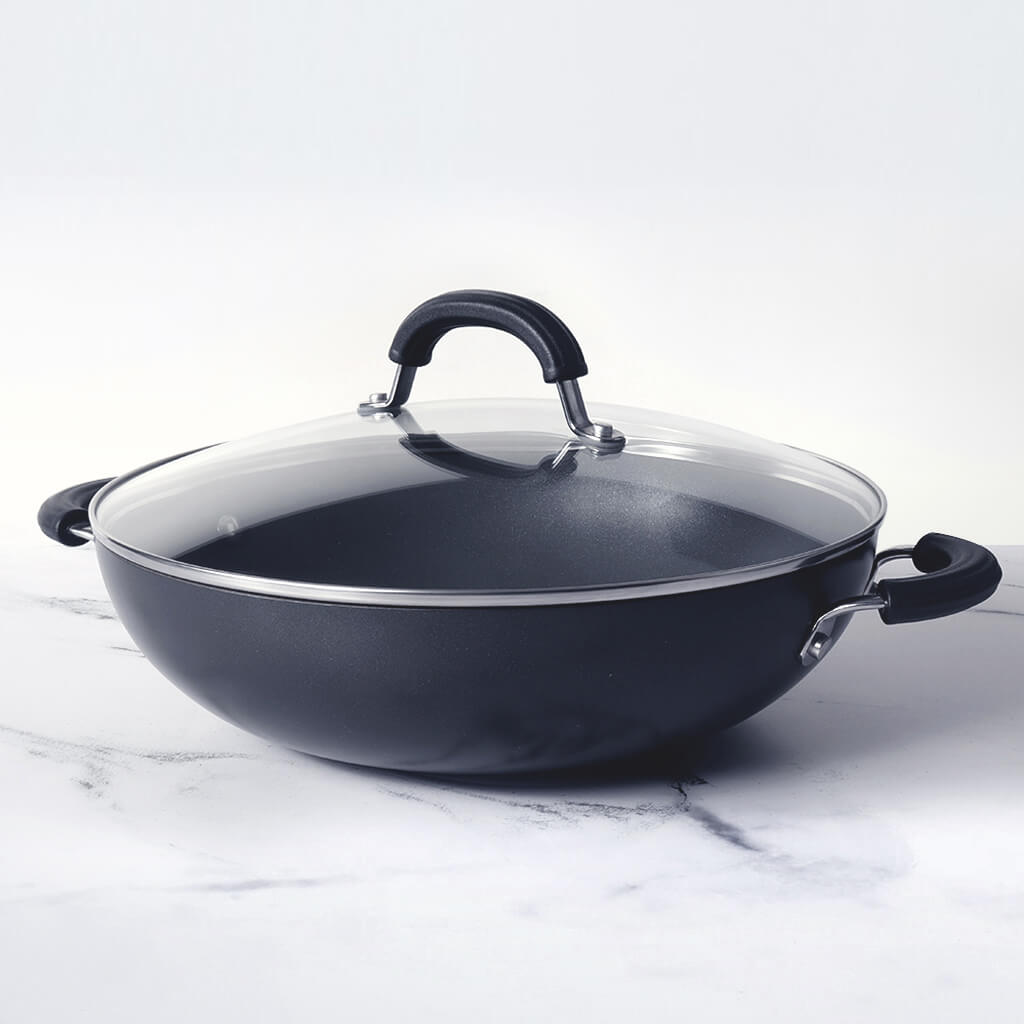


Leave a comment