



Enamelled cast iron cookware has become a modern kitchen essential—combining the heat retention of traditional cast iron with a smooth, non-reactive, and visually appealing enamel coating. Whether you're simmering rich gravies, slow-cooking dals, or baking artisanal breads, enamel cast iron delivers consistent results. However, many users unknowingly damage their cookware during cleaning, leading to chips, dullness, or reduced longevity.
This comprehensive guide will walk you through how to clean enamel cast iron safely—without chipping the surface—while preserving its beauty, performance, and durability for years. Along the way, we’ll also share expert care tips inspired by premium cookware standards like those followed by Meyer, known for crafting high-quality enamelled cast iron pieces designed for Indian kitchens.
Table of Contents
- 1. What Makes Enamel Cast Iron Different?
- 2. Why Improper Cleaning Causes Chipping
- 3. Step-by-Step: How to Clean Enamel Cast Iron Safely
- 4. Deep Cleaning Without Damage
- 5. What NOT to Do: Common Mistakes to Avoid
- 6. Daily Maintenance Tips for Long-Lasting Enamel
- 7. Handling Minor Chips: What Should You Do?
- 8. Why Proper Cleaning Matters
- 9. The Meyer Advantage: Built for Everyday Indian Cooking
- 10. Final Thoughts
What Makes Enamel Cast Iron Different?
Before diving into cleaning techniques, it’s important to understand what you’re working with.
Enamelled cast iron is essentially traditional cast iron coated with a layer of porcelain enamel—a glass-like finish that is fused at high temperatures. This coating:
-
Prevents rusting
-
Eliminates the need for seasoning
-
Offers a smooth, non-porous cooking surface
-
Enhances aesthetics with vibrant colours
However, while durable, enamel is not indestructible. It can chip if mishandled—especially during cleaning.

Why Improper Cleaning Causes Chipping
Chipping doesn’t usually happen overnight. It’s often the result of repeated small mistakes such as:
- Using abrasive scrubbers
- Sudden temperature changes (thermal shock)
- Dropping or knocking utensils against the surface
- Scraping with metal tools
- Harsh chemical cleaners
Once chipped, the exposed cast iron underneath can rust, compromising both safety and performance.
Step-by-Step: How to Clean Enamel Cast Iron Safely
1. Let It Cool Before Cleaning
One of the most common mistakes is washing a hot pan immediately after cooking.
Why it matters:
Sudden exposure to cold water can cause thermal shock, which weakens the enamel and may lead to cracks or chips.
What to do instead:
Allow your cookware to cool naturally to room temperature before washing.
2. Use Warm Water and Mild Dish Soap
Once cooled, rinse the cookware with warm water and use a gentle dishwashing liquid.
- Use a soft sponge or cloth
- Avoid harsh detergents or bleach-based cleaners
- Clean both the interior and exterior gently
Premium cookware brands like Meyer design enamel coatings to be easy to clean without aggressive scrubbing—so let the coating do its job.
3. Soak for Stubborn Residue
If food is stuck (common with Indian gravies, caramelised onions, or tadka residues):
- Fill the cookware with warm water
- Let it soak for 15–30 minutes
- Gently loosen residue with a soft sponge
Pro tip: Avoid extended soaking overnight, as prolonged exposure to moisture may weaken the enamel over time.
4. Use Baking Soda for Tough Stains
For burnt spots or stains:
- Sprinkle baking soda inside the cookware
- Add a little water to form a paste
- Gently rub using a soft sponge
Alternatively, simmer water with a spoonful of baking soda for a few minutes, then clean.
Why this works:
Baking soda is mildly abrasive but safe enough not to damage enamel when used gently.
5. Avoid Metal Scrubbers and Steel Wool
This is critical.
Never use:
- Steel wool
- Metal scrubbers
- Harsh scouring pads
These can scratch the enamel surface, weakening it and making it prone to chipping later.
Instead, use:
- Soft nylon brushes
- Non-abrasive scrub pads
6. Dry Thoroughly After Washing
After cleaning:
- Wipe dry with a soft cloth
- Allow it to air dry completely before storing
Even though enamel prevents rust, exposed edges or rims can still be vulnerable if moisture lingers.
Deep Cleaning Without Damage
Over time, enamel cookware may develop:
- Light stains
- Oil residue buildup
- Slight discoloration
Here’s how to deep clean safely:
Gentle Simmer Method
-
Fill cookware with water
-
Add a tablespoon of baking soda
-
Simmer for 10 minutes
-
Let cool, then wash normally
Vinegar Boost (Occasional Use)
- Add a splash of white vinegar to warm water
- Soak briefly (not more than 10 minutes)
- Rinse thoroughly
Avoid frequent use of acidic cleaning methods, as they can dull the enamel finish over time.
What NOT to Do: Common Mistakes to Avoid
Using Metal Utensils During Cleaning
These can cause micro-scratches that eventually lead to chipping.
Dropping or Knocking the Cookware
Even minor impacts can chip enamel, especially around edges.
Stacking Without Protection
Always place a soft cloth or pan protector between stacked cookware.
Using Dishwasher Frequently
While some enamel cookware is labeled dishwasher-safe, repeated cycles can dull the finish and increase wear.
Handwashing is always the safer choice.
Daily Maintenance Tips for Long-Lasting Enamel
To keep your cookware in pristine condition:
-
Use wooden or silicone utensils
-
Avoid high heat when empty
-
Add oil or liquid before heating
-
Clean after every use (don’t let residue sit too long)
Cookware crafted with high-quality enamel coatings—such as those from Meyer—is designed for durability, but mindful usage ensures it lasts generations.
Handling Minor Chips: What Should You Do?
If you notice a small chip:
-
If it’s on the exterior: It’s mostly cosmetic
-
If it’s on the cooking surface: Avoid using that area extensively
For large chips exposing raw cast iron:
-
Discontinue use to prevent rust and contamination
Prevention is always better than repair when it comes to enamel surfaces.
Why Proper Cleaning Matters
Taking care of your enamel cast iron isn’t just about aesthetics—it directly impacts:
1. Cooking Performance
A smooth enamel surface ensures even cooking and prevents sticking.
2. Food Safety
Damaged enamel may expose iron, affecting taste and potentially causing rust issues.
3. Longevity
Well-maintained enamel cookware can last decades.
The Meyer Advantage: Built for Everyday Indian Cooking
When investing in enamelled cast iron, quality matters.
Brands like Meyer focus on:
- Thick, chip-resistant enamel coatings
- Even heat distribution for Indian cooking styles
- Easy-clean surfaces designed for daily use
- Elegant designs that go from stove to table
Their enamel cast iron cookware is crafted to handle everything from slow-cooked curries to high-heat searing—while remaining easy to maintain with the right care techniques.
Final Thoughts
Cleaning enamel cast iron without chipping the surface is less about effort and more about the right approach. Gentle handling, mild cleaning agents, and avoiding abrasives go a long way in preserving your cookware.
Think of your enamel cast iron as an investment—one that rewards you with superior cooking results when treated with care.
With mindful cleaning habits and high-quality cookware, you can enjoy the perfect balance of durability, performance, and timeless kitchen elegance for years to come.
MORE FROM BLOG
Top Collections
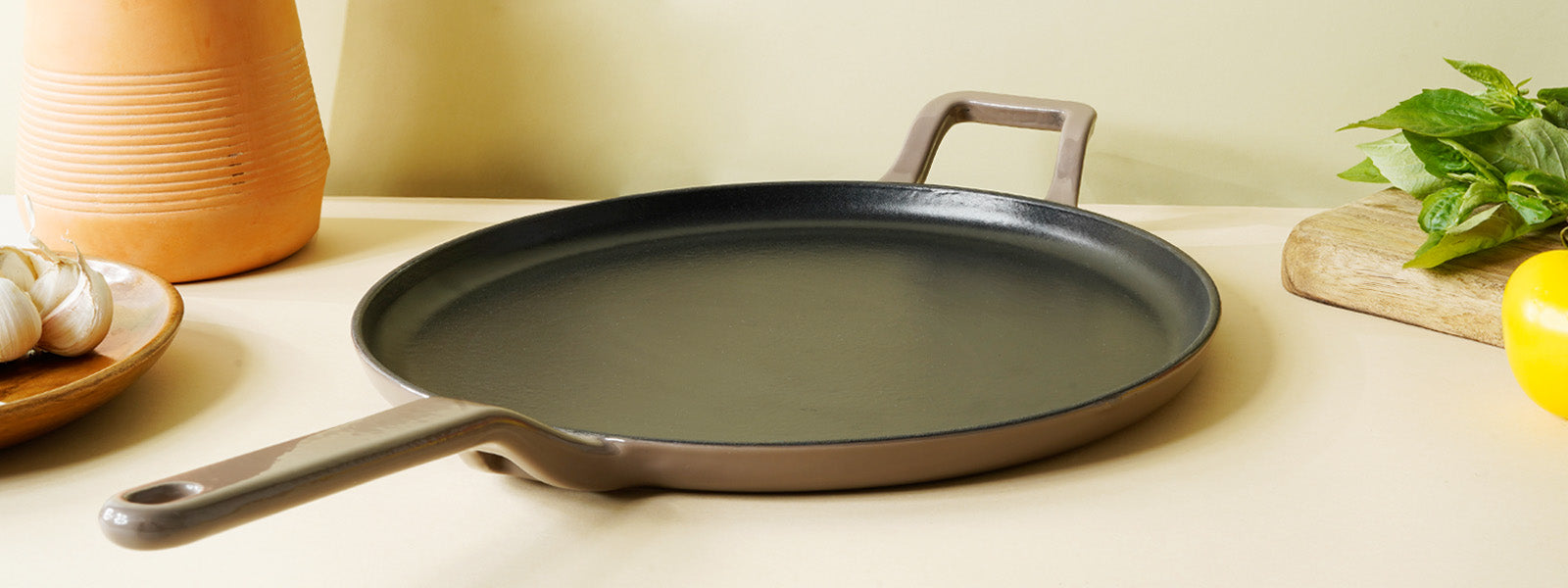
Add Enamelled Cast Iron Dosa Tawa to your kitchen this Diwali
2 Items
Cast Iron Cookware: The Benefits of Cooking with Tradition
2 Items
Cast Iron Cookware: The Ultimate Guide to Cooking on an Open Fire
2 Items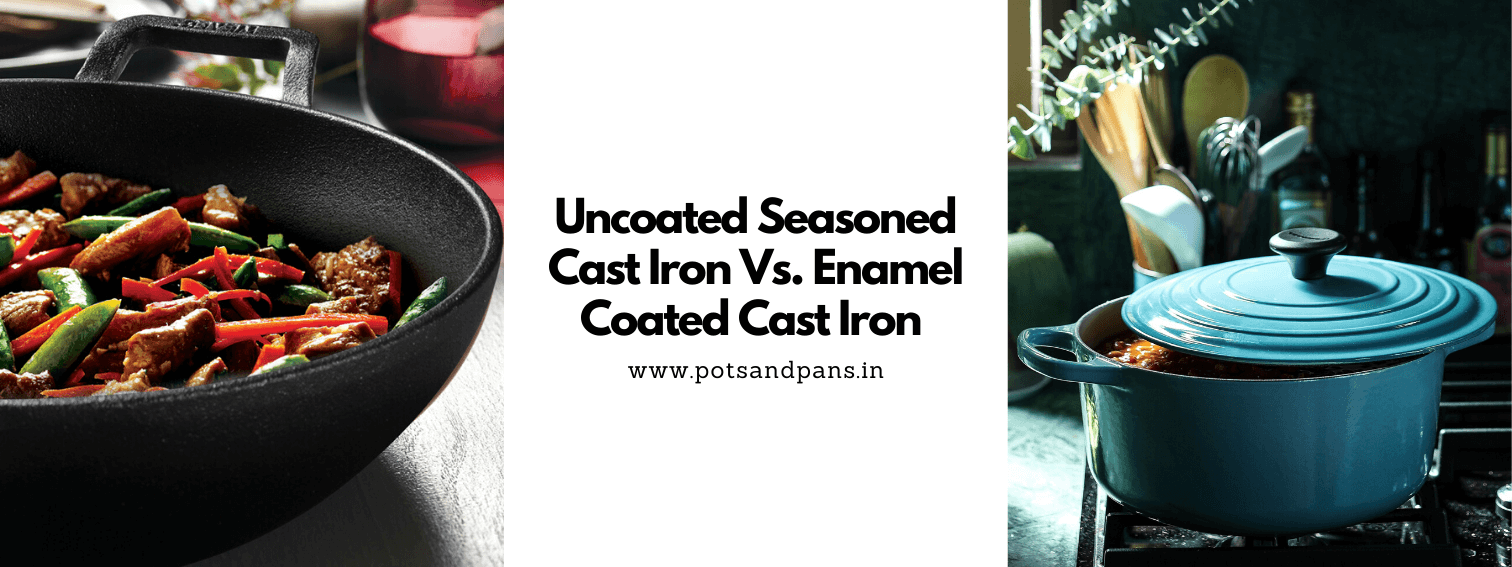
Enamel Coated Cast Iron vs Uncoated Seasoned Cast Iron
2 Items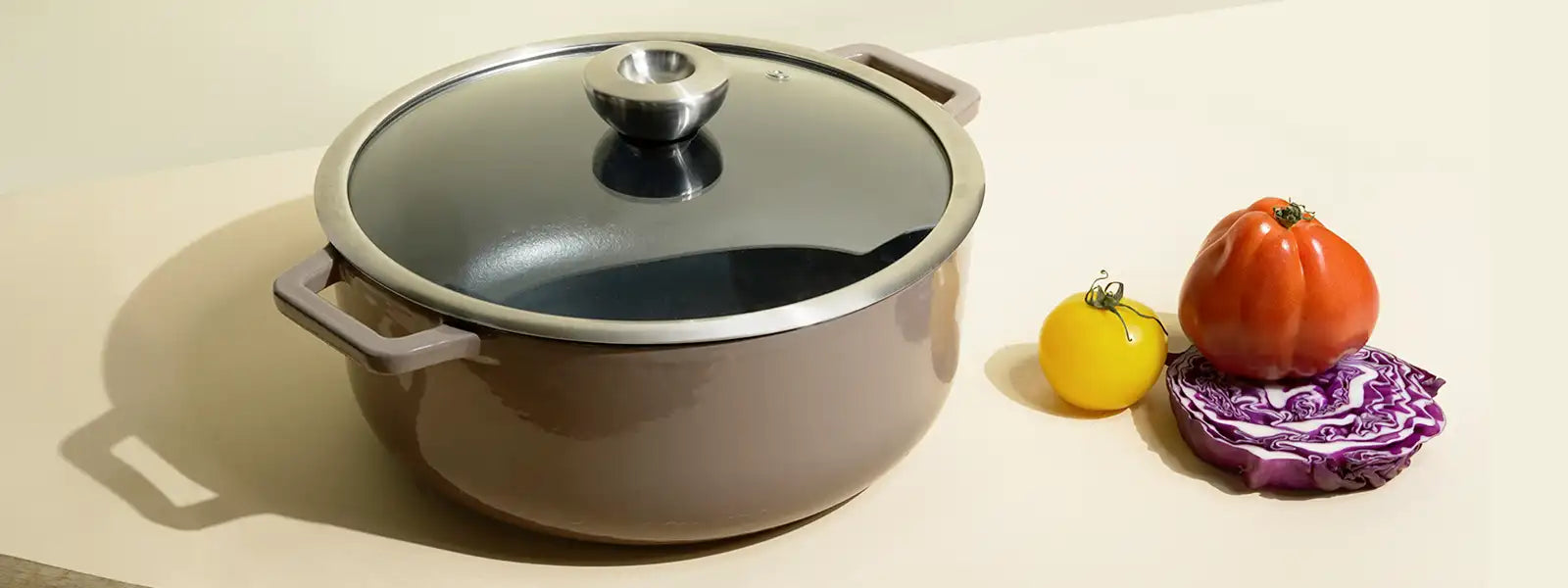
Enameled Cast Iron Vs Cast Iron. Which is better?
2 Items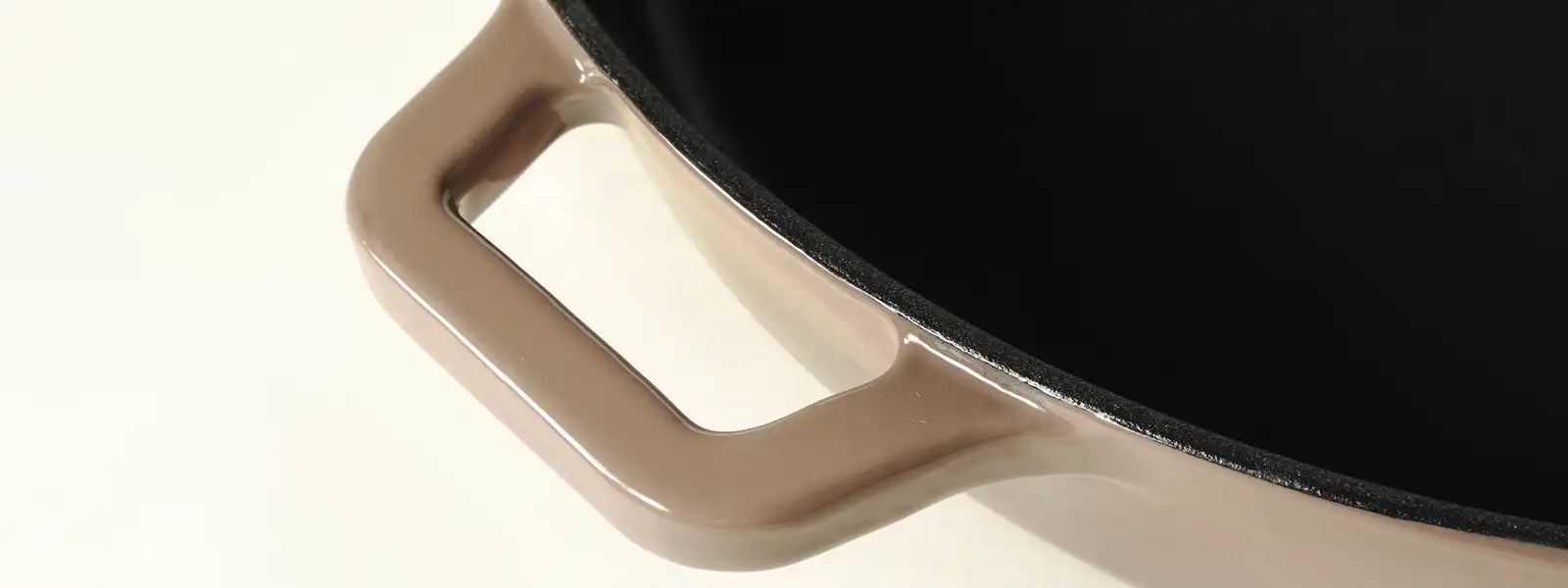
How to Clean and Care for Enameled Cast Iron?
2 Items


Leave a comment