



Deep frying is at the heart of many beloved Indian recipes—from golden pakoras and crispy samosas to perfectly puffed puris. While the results can be incredibly satisfying, deep frying also demands precision and care. Issues like oil splattering, uneven cooking, or greasy food are often the result of incorrect temperature, improper oil quantity, or unsuitable cookware.
Mastering deep frying is not about guesswork—it’s about understanding how heat, oil, and the kadai work together. With the right techniques and thoughtfully designed cookware, you can achieve consistently crisp, safe, and delicious results at home.
Table of Contents
- 1. Why the Right Kadai Matters for Deep Frying
- 2. Choosing the Right Material for Your Kadai
- 3. Understanding Oil Temperature: The Core of Perfect Frying
- 4. How to Check Oil Temperature Without a Thermometer
- 5. Maintaining Consistent Temperature While Frying
- 6. Oil Volume
- 7. Preparing Food for Safe Frying
- 8. Safe Frying Practices You Should Always Follow
- 9. Reusing Oil
- 10. Common Deep Frying Mistakes to Avoid
- 11. Why Cookware Quality Makes a Difference
- 12. Final Thoughts
Why the Right Kadai Matters for Deep Frying
The kadai is more than just a vessel—it directly influences how heat is distributed and how safely oil behaves during frying.
A well-constructed kadai provides even heat distribution, which is essential for maintaining a stable oil temperature. Uneven heating leads to hot spots, causing food to burn in some areas while remaining undercooked in others.
Depth is equally important. A deep kadai allows oil to bubble safely without spilling over, reducing the risk of splatters and burns. Stability and sturdy handles also play a crucial role in safe handling, especially when dealing with hot oil.
Cookware designed with precision focuses on thickness, balance, and heat control, all of which are critical for deep frying.

Choosing the Right Material for Your Kadai
Different materials behave differently when exposed to high heat.
Cast iron retains heat exceptionally well, making it ideal for deep frying. Once heated, it maintains a steady temperature, ensuring consistent cooking. It is especially useful for frying batches without frequent temperature drops.
High-quality stainless steel kadais with layered construction offer excellent heat distribution and control. They heat up faster than cast iron while still maintaining stability, making them versatile for everyday use.
Avoid Thin or Lightweight Pans
Thin kadais heat unevenly and cool down quickly when food is added. This leads to temperature fluctuations, which directly affect the quality of frying and can result in greasy or unevenly cooked food.
Understanding Oil Temperature: The Core of Perfect Frying
Oil temperature is the most critical factor in deep frying.
Ideal Temperature Range
For most Indian frying:
-
170°C to 180°C is ideal
At this range, food cooks evenly, develops a crisp outer layer, and absorbs minimal oil.
What Happens at the Wrong Temperature?
Oil Too Hot
When oil is overheated, food browns or burns too quickly on the outside while remaining undercooked inside. Excessively hot oil can also begin to smoke, which affects both flavour and safety.
Oil Too Cold
If the oil is not hot enough, food absorbs more oil than necessary, resulting in a heavy, greasy texture. It also leads to uneven cooking and poor crispness.
How to Check Oil Temperature Without a Thermometer
While a thermometer offers precision, there are simple traditional methods to gauge oil readiness.
Drop a small piece of batter into the oil. If it rises steadily with gentle bubbling, the oil is at the right temperature. If it sinks and takes time to rise, the oil needs more heating. If it browns too quickly, the oil is too hot.
These visual cues are practical and reliable for everyday cooking.
Maintaining Consistent Temperature While Frying
Starting at the correct temperature is important, but maintaining it throughout the process is equally crucial.
Adding too much food at once lowers the oil temperature significantly. This leads to soggy and uneven results. Frying in smaller batches allows the oil to retain its heat and ensures better texture.
Adjusting the flame gradually helps maintain balance. Medium heat is generally ideal for most frying, as it provides steady and controlled cooking without sudden fluctuations.
Oil Volume: How Much Is Enough?
The quantity of oil used in the kadai directly impacts both safety and cooking performance.
Ideal Oil Level
Filling the kadai to about one-third to half its capacity is optimal. This allows enough space for the oil to bubble safely when food is added, while also ensuring that the food is fully submerged for even cooking.
Why Overfilling Is Risky
Too much oil can overflow when ingredients are added, increasing the risk of splattering and burns. It also makes handling the kadai more difficult and unsafe.
Why Too Little Oil Doesn’t Work
Insufficient oil leads to uneven frying, where parts of the food remain undercooked. It can also cause food to stick to the base instead of floating freely.
Preparing Food for Safe Frying
Preparation plays a major role in ensuring both safety and quality.
Remove Excess Moisture
Water reacts aggressively with hot oil, causing splattering. Always pat ingredients dry before adding them to the oil.
Maintain Uniform Sizes
Cutting ingredients evenly ensures consistent cooking. Uneven sizes can lead to some pieces burning while others remain raw.
Safe Frying Practices You Should Always Follow
Deep frying involves high temperatures, so adopting safe practices is essential.
-
Never leave hot oil unattended
-
Use long-handled utensils to avoid splashes
-
Avoid overcrowding the kadai
-
Keep the cooking area clear and stable
-
Reduce heat if oil begins to smoke
Being attentive and prepared helps prevent accidents and ensures a smooth cooking experience.
Not all oils perform well at high temperatures.
Oils with high smoke points, such as sunflower, groundnut, or rice bran oil, are ideal for deep frying. They remain stable under heat and help maintain both flavour and safety.
Oils with lower smoke points tend to break down quickly and can produce unpleasant odours and flavours.
Reusing Oil: What You Should Know
Reusing oil is common, but it must be done carefully.
Allow the oil to cool completely before handling. Strain it to remove food particles and store it in a clean container. Avoid reusing oil repeatedly, especially if it has darkened, developed a strong smell, or starts smoking at lower temperatures.
Cleaning the Kadai After Deep Frying
Proper cleaning ensures hygiene and preserves the quality of your cookware.
Let the kadai cool before cleaning. Remove excess oil, then wash with warm water and mild soap. Avoid harsh scrubbing that can damage the surface or affect performance.
Regular maintenance helps your kadai perform consistently over time.
Common Deep Frying Mistakes to Avoid
Many common frying issues arise from simple mistakes.
Using very high heat, overcrowding the pan, ignoring oil temperature, or adding wet ingredients can all lead to poor results. Paying attention to these details can significantly improve both safety and food quality.
Why Cookware Quality Makes a Difference
Deep frying is not just about oil—it is also about how effectively your cookware manages heat.
A well-designed kadai ensures even heat distribution, reduces hotspots, and maintains consistent temperature. This leads to better cooking results, improved safety, and a more controlled frying process.
Final Thoughts
Deep frying in a kadai is both an art and a science. While it may seem straightforward, achieving consistent, safe, and high-quality results requires attention to detail. The right balance of oil temperature, oil quantity, and cookware selection plays a crucial role in determining the final outcome.
When done correctly, deep frying does not have to be messy or unsafe. Instead, it becomes a controlled and rewarding cooking process that delivers perfectly crisp textures and rich flavours.
By understanding how heat interacts with oil and food, and by using a well-designed kadai that supports even cooking, you can eliminate common issues like burning, greasiness, and splattering. Over time, these practices become intuitive, allowing you to fry confidently and efficiently.
With the right approach, deep frying can remain a joyful and essential part of your cooking—bringing out the best in your favourite recipes while maintaining safety, consistency, and ease in the kitchen.
MORE FROM BLOG
Top Collections
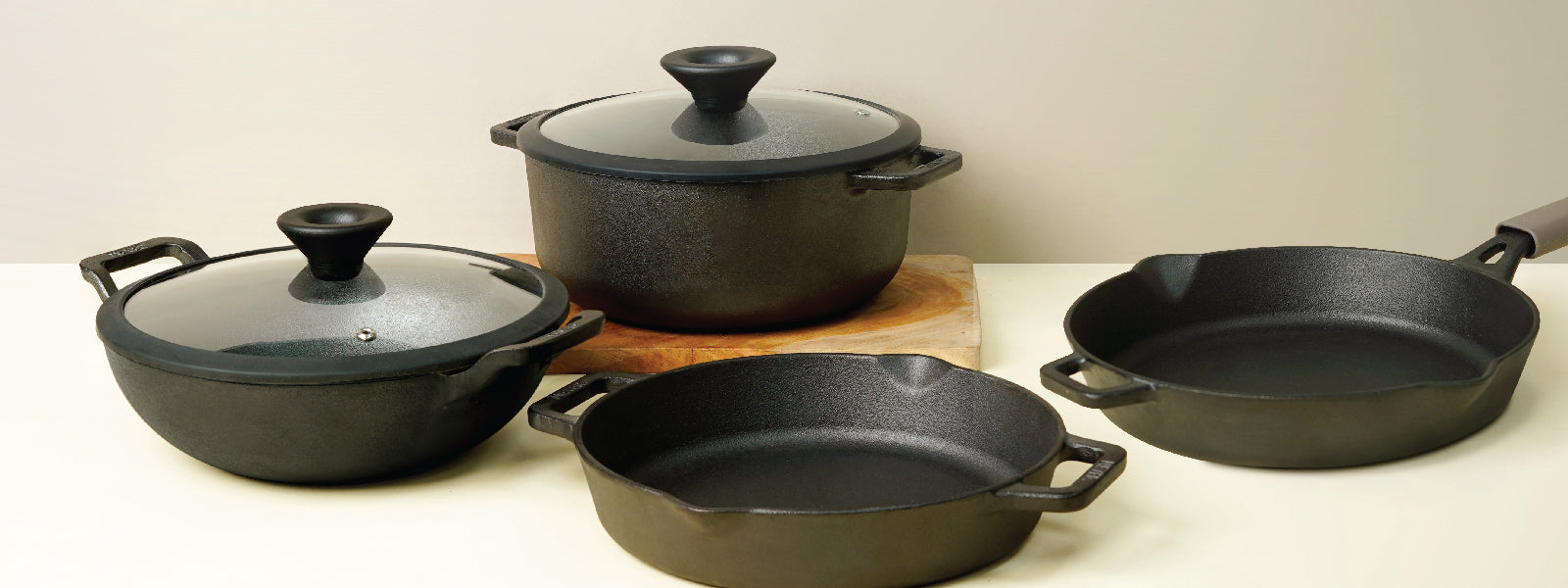
Benefits and Recipes for Cooking with a Cast Iron Kadai with Lid
2 Items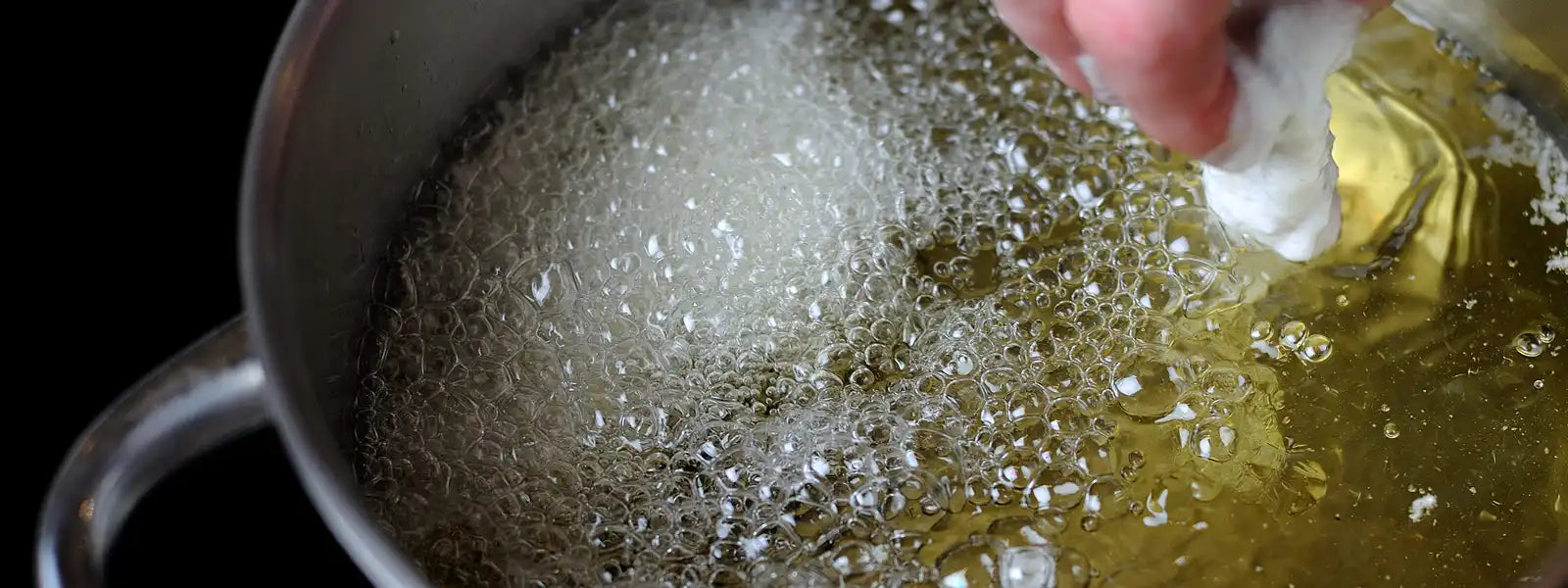
Best Stainless Steel Kadai for Deep Frying
2 Items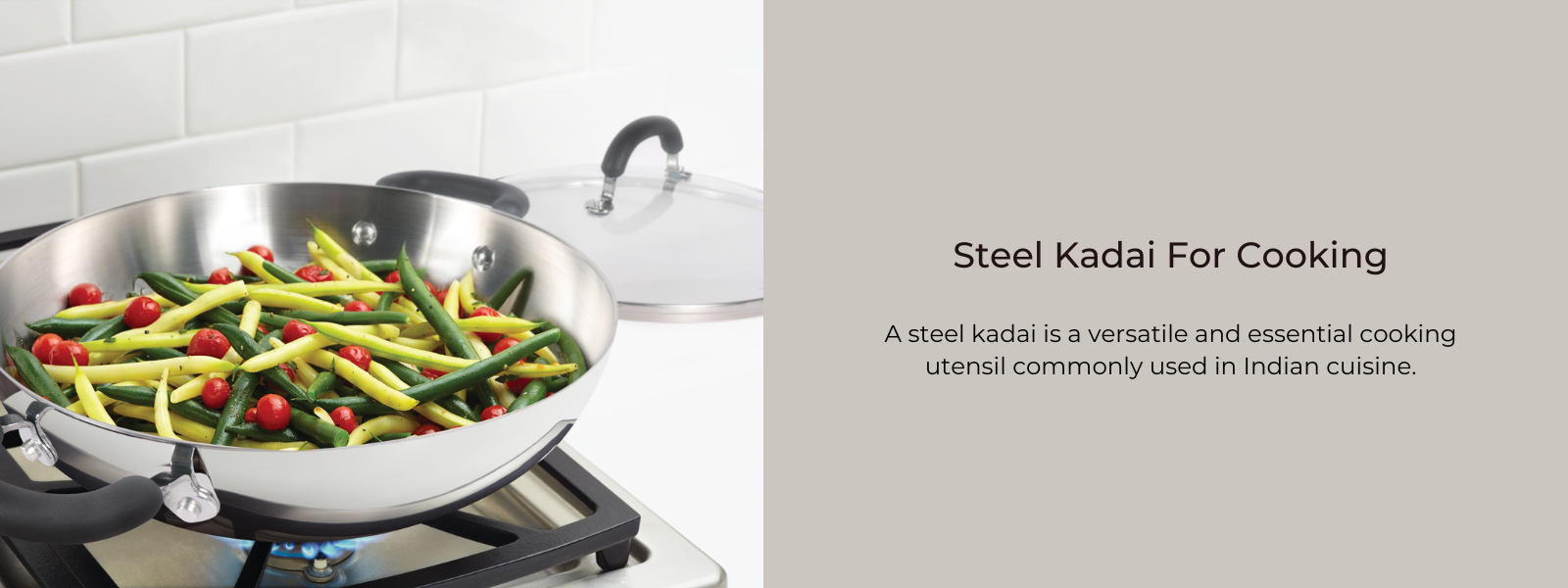
Steel Kadai For Cooking: Versatile Cookware For Indian Meals
2 Items
Choosing the Right Kadai Material: Cast Iron, Steel, or Non-Stick in 2025?
2 Items
How to Maintain and Season Your Cast Iron Kadai in 2025
2 Items


Leave a comment