



Ceramic cookware has steadily earned its place in Indian homes, especially among families looking for healthier, low-oil cooking solutions. With growing awareness around food safety, toxin-free materials, and mindful cooking, ceramic pans are increasingly chosen for daily meals—ranging from breakfast staples to light lunches and kid-friendly dishes.
However, ceramic cookware is not “use it like anything” cookware. To truly enjoy its benefits—natural food release, even cooking, easy cleaning, and long life—it needs the right cooking techniques and care habits.
This detailed guide explains how to get the best results while cooking in ceramic pans, with practical tips tailored specifically for Indian cooking styles, ingredients, and heat sources, along with thoughtful integration of Meyer Anzen ceramic cookware, designed for modern Indian kitchens.
Table of Contents
- 1. Why Ceramic Cookware Is Different from Traditional Non-Stick
- 2. Start with Proper Heat Control: The Golden Rule
- 3. Preheating: Gentle and Intentional
- 4. Use the Right Amount of Oil—Less Is More
- 5. Let the Food Cook Before Stirring or Flipping
- 6. Choose Dishes That Shine in Ceramic Cookware
- 7. Use Only Pan-Safe Utensils
- 8. Avoid Overheating and Dry Cooking
- 9. Cleaning Ceramic Pans the Right Way
- 10. Prevent Oil Build-Up for Long-Term Performance
- 11. Storage Matters More Than You Think
- 12. Match Ceramic Cookware with the Right Cooking Style
- 13. Why Meyer Anzen Ceramic Cookware Stands Out
- 14. Final Thoughts
Why Ceramic Cookware Is Different from Traditional Non-Stick
Ceramic cookware is coated with a mineral-based ceramic layer, unlike conventional non-stick pans that rely on synthetic coatings. High-quality ceramic cookware is typically:
-
Free from PFOA, PTFE, lead, and cadmium
-
Naturally smooth without chemical additives
-
Designed for low to medium heat cooking
Ceramic cookware such as Meyer Anzen is built to support healthier cooking habits—less oil, gentler heat, and everyday comfort. Understanding this difference is key to using it effectively.

Start with Proper Heat Control: The Golden Rule
One of the most important aspects of ceramic cooking is heat management.
Ceramic pans perform best on low to medium heat. Unlike stainless steel or cast iron, ceramic cookware does not require high flame to deliver good results.
Best practices for Indian kitchens:
-
Use medium flame for sabzis, curries, and sautéing
-
Use low flame for eggs, cheelas, dosa batter, and pancakes
-
Avoid rapid heating on high flame
Meyer Anzen ceramic pans are designed to distribute heat evenly across the surface, meaning food cooks thoroughly without hot spots—even at moderate temperatures.
Meyer Anzen Ceramic Coated Cookware 28cm Frypan
Preheating: Gentle and Intentional
Preheating is important, but aggressive preheating can damage ceramic surfaces.
The right way to preheat:
-
Place the pan on low to medium heat
-
Allow it to warm for 30–60 seconds
-
Add oil only once the pan feels warm
Avoid heating an empty ceramic pan on high flame. This helps preserve the coating and improves food release.
Use the Right Amount of Oil—Less Is More
Ceramic cookware is ideal for low-oil cooking, but it still benefits from a light layer of fat.
Instead of pouring oil generously:
-
Use 1–2 teaspoons for most dishes
-
Spread oil evenly across the surface
-
Avoid cooking sprays, which leave residues
Meyer Anzen ceramic cookware is designed to release food naturally when lightly greased, making it suitable for health-conscious Indian families and kids’ meals.
Let the Food Cook Before Stirring or Flipping
A common reason food sticks in ceramic pans is impatience.
Ceramic surfaces release food naturally once it has cooked properly. If you try to flip or stir too early, food may stick.
Examples:
- Cheelas release only after the base sets
- Paneer cubes loosen after light browning
- Vegetables stop sticking once moisture evaporates
Allowing food to cook undisturbed for a few moments improves texture and protects the ceramic surface.
Choose Dishes That Shine in Ceramic Cookware
Ceramic cookware is excellent for a wide range of everyday Indian dishes, especially those that don’t require intense heat.
Ideal uses include:
- Breakfast items (cheela, omelette, dosa, pancakes)
- Light sabzis and stir-fries
- Kids’ meals and reheating food
- Sautéing vegetables and paneer
- Cooking dals with tempering added later
Meyer Anzen ceramic pans are particularly suited for daily cooking where consistency, ease, and health matter most.
Use Only Pan-Safe Utensils
While ceramic coatings are durable, they are best preserved with gentle tools.
Recommended utensils:
-
Wooden spatulas
-
Silicone turners
-
Nylon spoons
Avoid metal ladles, sharp-edged spatulas, or scraping the surface. This helps maintain the smooth finish and prolongs the life of the pan.
Avoid Overheating and Dry Cooking
Ceramic cookware is not designed for dry roasting or extreme temperatures.
Avoid:
-
Heating the pan empty for long periods
-
Cooking on high flame for extended time
-
Leaving the pan unattended on the stove
Controlled cooking ensures better results and keeps the ceramic coating intact for years.
Cleaning Ceramic Pans the Right Way
Cleaning habits play a huge role in ceramic cookware performance.
Everyday cleaning:
-
Let the pan cool completely
-
Wash with warm water and mild dish soap
-
Use a soft sponge or cloth
For occasional residue:
-
Soak in warm soapy water
-
Gently wipe—never scrub aggressively
Avoid steel scrubbers, harsh chemicals, or dishwasher cleaning unless the manufacturer specifies otherwise.
Prevent Oil Build-Up for Long-Term Performance
Over time, oil residues can form a thin layer on ceramic surfaces, reducing natural food release.
To prevent this:
- Clean pans thoroughly after each use
- Avoid repeated shallow frying
- Wipe the surface dry after washing
Meyer Anzen ceramic cookware is designed for easy maintenance, but consistent care ensures optimal performance.
Storage Matters More Than You Think
Improper storage can scratch or dull ceramic surfaces.
Storage tips:
- Avoid stacking pans directly
- Place a cloth or paper towel between pans
- Store in a dry, well-ventilated area
These small habits help preserve the smooth ceramic coating.
Match Ceramic Cookware with the Right Cooking Style
Ceramic cookware works best when paired with appropriate cooking methods.
Use ceramic cookware for:
-
Low-oil, everyday cooking
-
Gentle sautéing and shallow cooking
-
Healthy meals for kids and elders
Pair with other cookware for:
-
High-heat bhuna dishes (use stainless steel)
-
Deep frying (use kadai or cast iron)
-
Pressure cooking (use certified pressure cookers)
A balanced cookware setup ensures both performance and longevity.
Why Meyer Anzen Ceramic Cookware Stands Out
Designed for modern Indian households, Meyer Anzen ceramic cookware combines safety, performance, and convenience.
Key benefits include:
-
Toxin-free ceramic coating
-
Even heat distribution
-
Minimal oil cooking
-
Easy cleaning
-
Stylish design for contemporary kitchens
When used correctly, Meyer Anzen ceramic pans make everyday cooking healthier and more enjoyable without extra effort.
Final Thoughts: Cook Smarter, Not Hotter
Ceramic cookware rewards mindful cooking. With the right heat, minimal oil, gentle utensils, and regular care, ceramic pans deliver consistent results and long-lasting performance.
Whether you’re preparing breakfast for kids, quick weekday meals, or light Indian dishes, ceramic cookware—especially thoughtfully engineered options like Meyer Anzen—offers a reliable, health-forward solution for daily cooking.
By understanding how ceramic pans work and adapting small habits, you can enjoy effortless cooking, better food quality, and cookware that truly supports modern Indian lifestyles.
MORE FROM BLOG
Top Collections

Can Ceramic Cookware Be Used for Breakfast and Light Meals?
2 Items
Can Ceramic Cookware Handle Everyday Indian Meals?
2 Items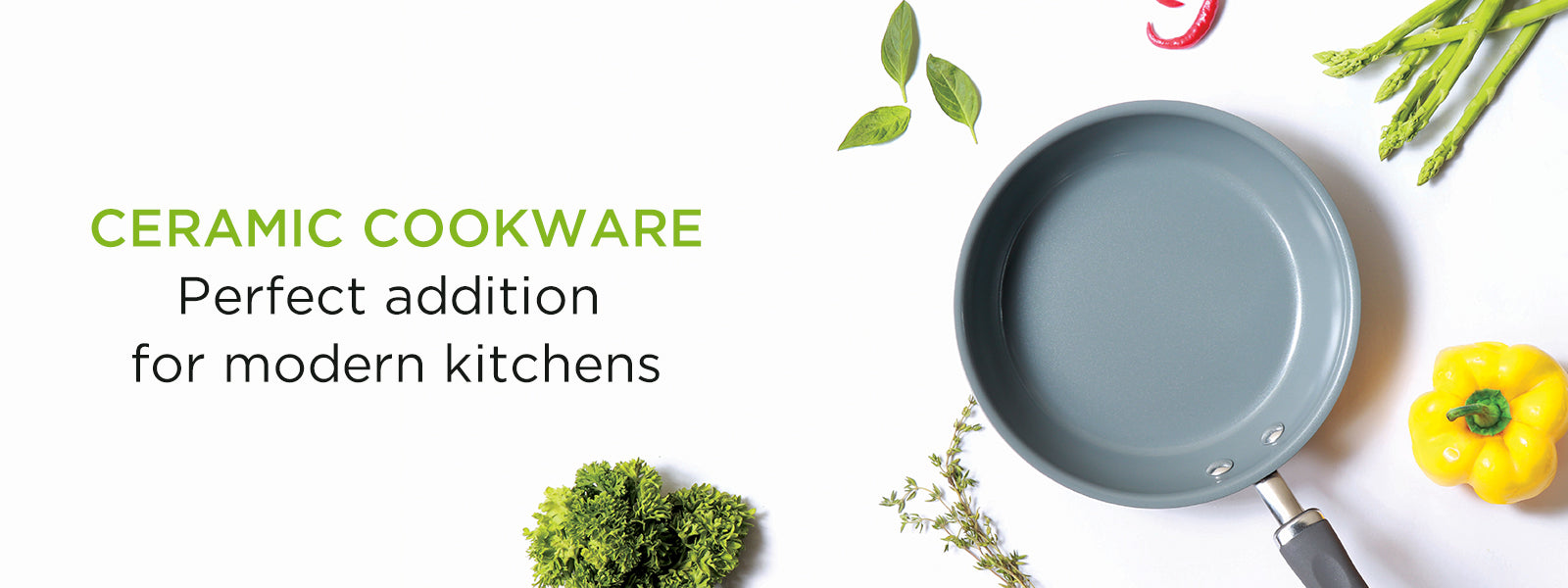
Health Benefits Of Cooking In Ceramic Cookware
2 Items
Is ceramic cookware good for health-conscious Indian families?
2 Items
Is Ceramic Cookware Good for Low-Oil Indian Cooking?
2 Items


Leave a comment