



Cooking rice and dal every day is a ritual in most Indian homes. Whether it’s simple steamed rice with moong dal, comforting arhar dal tadka, or khichdi on a busy weekday, these staple dishes are prepared almost daily. If you are using cast iron cookware for these meals, you already understand the value of durability, heat retention, and naturally enhanced iron content.
However, daily cooking of rice and dal presents unique maintenance challenges—moisture, starch buildup, turmeric stains, and long simmering times can affect your cookware if not handled correctly.
This comprehensive guide explains how to maintain cast iron when you cook daily rice and dal, ensuring your cookware lasts for generations while performing beautifully every single day.
Table of Contents
Why Cast Iron Is Ideal for Daily Rice and Dal
Before diving into maintenance, let’s understand why cast iron works so well in Indian kitchens.
Cast iron cookware offers:
- Exceptional heat retention for slow-cooked dal
- Even heat distribution for simmering without burning
- Natural iron fortification in food
- Longevity unmatched by most modern cookware
- A chemical-free cooking surface when properly seasoned
When you use premium, pre-seasoned cookware like Meyer Pre-Seasoned Cast Iron Kadai or a high-quality cast iron skillet, you start with a strong foundation that supports daily Indian cooking routines.
The key is proper care.

The Main Challenge: Moisture and Starch
Rice and dal are both moisture-heavy foods. Dal requires long simmering, and rice releases starch. Excess water and prolonged moisture exposure can:
-
Weaken seasoning
-
Encourage rust
-
Cause sticky residue buildup
-
Lead to surface dullness
Daily use is not the problem. Improper post-cooking care is.
Let’s break down how to manage cast iron properly when cooking rice and dal every day.
1. Start With Proper Seasoning
Seasoning is the protective layer formed by polymerized oil baked onto the surface. This is what prevents rust and sticking.
If you are using a well-crafted product like the Meyer Pre-Seasoned Cast Iron Kadai, it already comes with a base layer of seasoning. But daily dal cooking may require strengthening that layer over time.
How to Maintain Seasoning:
-
Apply a thin layer of oil after every wash.
-
Heat the cookware lightly after oiling.
-
Avoid soaking the pan in water.
-
Do not leave cooked dal sitting in the pan overnight.
The more regularly you cook and lightly oil your cookware, the stronger and more non-stick the surface becomes.
2. Cooking Rice in Cast Iron: Best Practices
Rice cooking in cast iron is excellent because of consistent heat retention. However, starch can cling to the surface.
To Prevent Sticking:
-
Preheat the pan before adding water.
-
Add a few drops of oil or ghee to the water.
-
Avoid high flame—medium to low works best.
-
Once cooked, remove rice immediately.
Leaving rice inside the pan traps moisture and starch, which can damage seasoning.
Cleaning After Rice:
-
Rinse while still slightly warm.
-
Use a soft scrubber.
-
Avoid harsh detergents.
-
If starch sticks, boil water in the pan for 2–3 minutes and scrub gently.
This technique preserves seasoning while removing residue effectively.
3. Cooking Dal in Cast Iron: Handling Long Simmering
Dal is often simmered for 20–40 minutes. That’s a long exposure to moisture.
Key Tips:
- Maintain low to medium heat.
- Avoid aggressive stirring with steel spoons—use a wooden spatula.
- Add salt toward the end of cooking (optional tip for preserving seasoning).
- Transfer dal to another container after cooking.
Turmeric and tamarind-based dals (like sambar) are slightly acidic. Occasional acidic cooking is fine, but avoid leaving such dishes in cast iron for hours.
4. Cleaning Cast Iron After Daily Dal Cooking
Cleaning is where most mistakes happen.
DO:
-
Wash while the pan is warm (not hot).
-
Use minimal mild soap if needed.
-
Scrub gently with a natural fiber brush.
-
Immediately dry on the stove.
DO NOT:
-
Soak in water.
-
Put in dishwasher.
-
Leave to air dry.
-
Use steel wool aggressively (unless removing rust).
After drying, apply a thin coat of oil. Heat until it just begins to smoke lightly. Turn off and cool.
This 2-minute oil ritual makes all the difference.
5. Preventing Rust in Humid Indian Kitchens
Indian climates, especially during monsoon, increase rust risk.
Rust Prevention Checklist:
-
Always dry thoroughly.
-
Store in a dry cabinet.
-
Keep a paper towel inside if stacking.
-
Oil lightly before storing for more than 24 hours.
If minor rust appears:
-
Scrub gently.
-
Wash and dry completely.
-
Re-season immediately.
High-quality cookware like Meyer’s cast iron range is engineered for durability, but maintenance habits determine lifespan.
6. Strengthening Seasoning for Daily Use
If you cook rice and dal daily, re-season lightly once every 2–3 weeks.
Quick Re-Seasoning Method:
-
Clean and dry cookware.
-
Apply thin layer of oil.
-
Heat on medium flame for 5–7 minutes.
-
Cool naturally.
For deeper seasoning:
-
Oil generously.
-
Bake upside down in oven at 200°C for one hour.
-
Cool inside oven.
This builds a stronger, more non-stick surface ideal for starch-heavy foods.
7. Managing Turmeric Stains
Turmeric may slightly tint the surface. This is normal and harmless.
Do not aggressively scrub just to remove yellow tint. Over-scrubbing damages seasoning more than turmeric ever will.
Seasoning darkens over time. A deep black patina is a sign of a healthy pan.
8. Common Mistakes to Avoid
1. Leaving Dal Overnight
Acidic and salty liquids weaken seasoning.
2. Overusing Soap
Mild soap occasionally is fine, but daily heavy detergent strips oil layer.
3. Skipping Oiling
Daily cooking still requires post-clean oiling.
4. Cooking on Very High Flame
Cast iron retains heat. High flame can burn dal at the bottom.
9. How Cast Iron Improves Over Time With Daily Rice and Dal
Unlike non-stick cookware, cast iron improves with daily use.
As oil bonds with iron:
-
Surface becomes smoother.
-
Food releases more easily.
-
Heat distribution stabilizes.
-
Flavor deepens.
A well-maintained cast iron kadai becomes naturally semi-non-stick without synthetic coatings.
Premium products like Meyer’s cast iron collection are designed to complement Indian cooking patterns—slow simmering, tempering, and everyday staples.
10. Long-Term Storage and Care
If you are traveling or not using the cookware for a week:
-
Clean and dry thoroughly.
-
Apply slightly thicker oil coat.
-
Wrap in paper towel.
-
Store in dry area.
When you resume cooking, rinse lightly and heat before use.
Why Investing in Quality Cast Iron Matters
Not all cast iron is created equal. Thicker walls, smooth interior finish, and pre-seasoned surfaces make maintenance easier.
Meyer’s cast iron cookware is crafted for Indian households that cook daily. The heavy base supports slow dal simmering, while the natural pre-seasoning reduces sticking even for rice preparations.
When you pair quality cookware with correct maintenance habits, your kadai can last decades.
Conclusion
Cooking rice and dal every single day is not just a routine—it is the heartbeat of an Indian kitchen. When you use cast iron for these everyday staples, you are choosing cookware that grows with your cooking habits rather than wearing out because of them.
Unlike coated cookware that deteriorates with constant use, cast iron becomes stronger, darker, and more naturally non-stick the more consistently you care for it. Every batch of steamed rice, every simmered pot of dal, and every tadka you temper contributes to building a deeper, richer seasoning layer. Over time, your cookware develops a beautiful black patina—a mark of experience, not damage.
MORE FROM BLOG
Top Collections
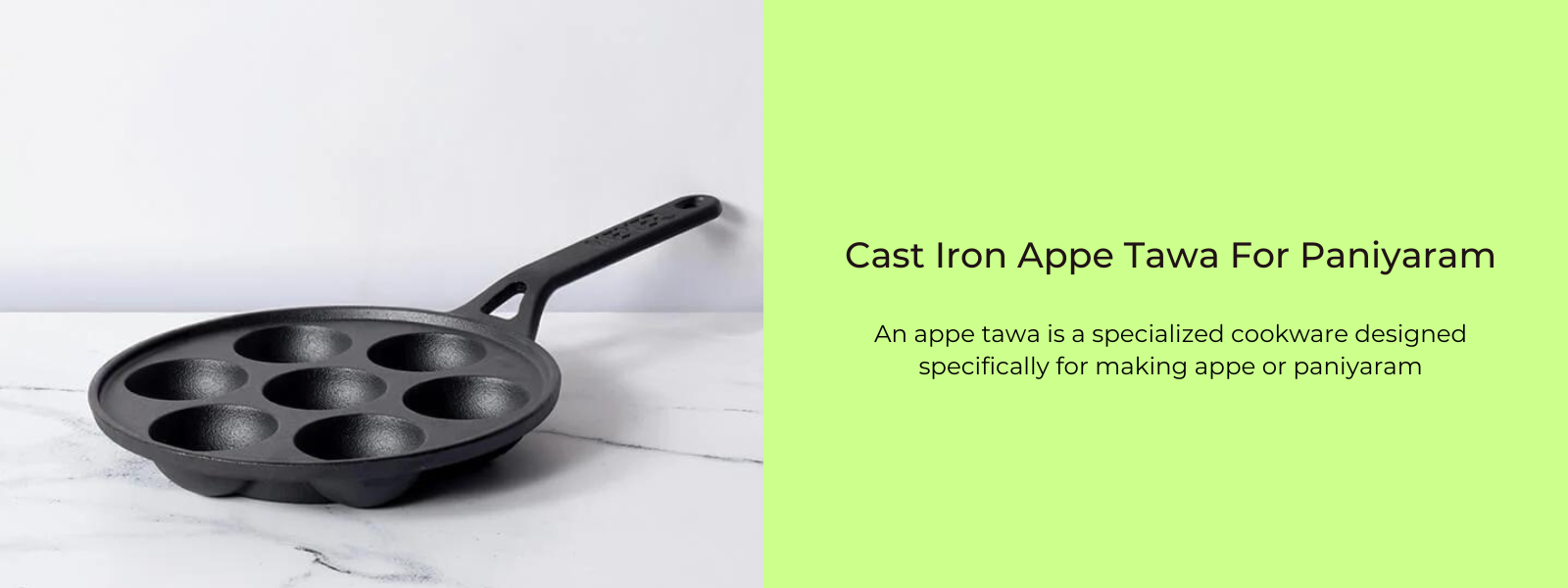
Best Cast Iron Appe Tawa For Paniyaram
2 Items
Best Cast Iron Cookware In India For Indian Food
2 Items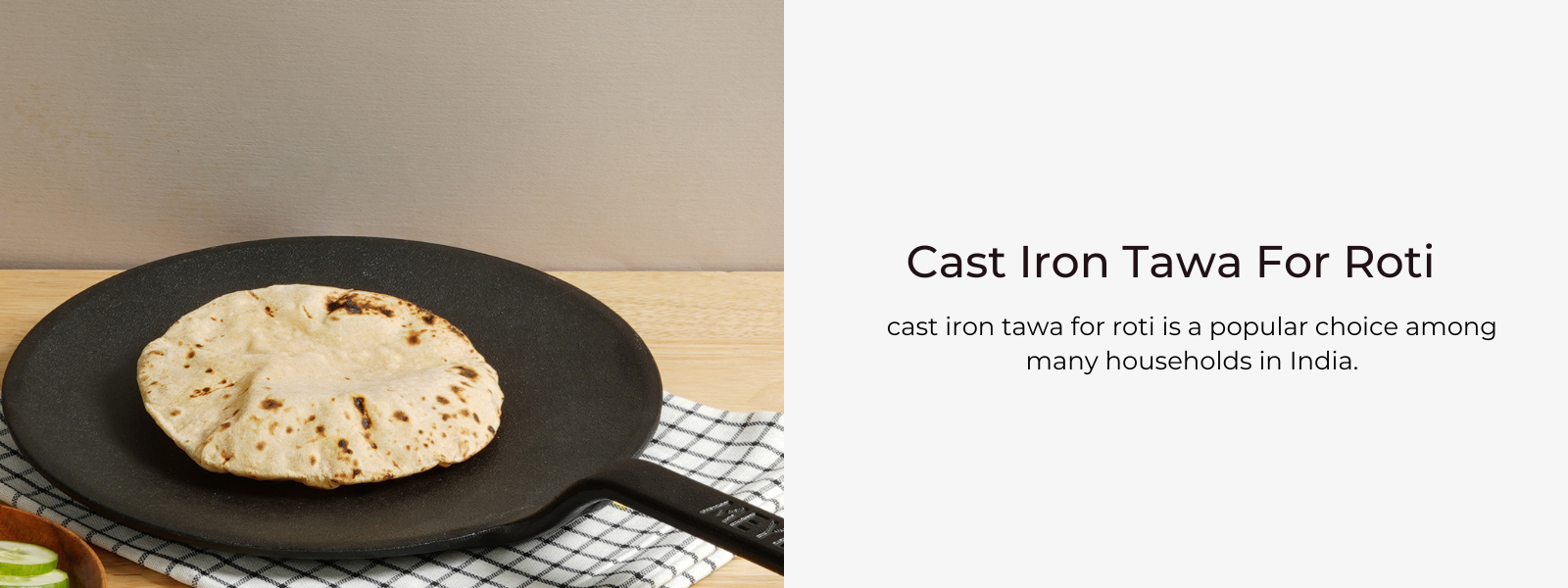
Best Cast Iron Tawa For Roti In India For Easy Cooking
2 Items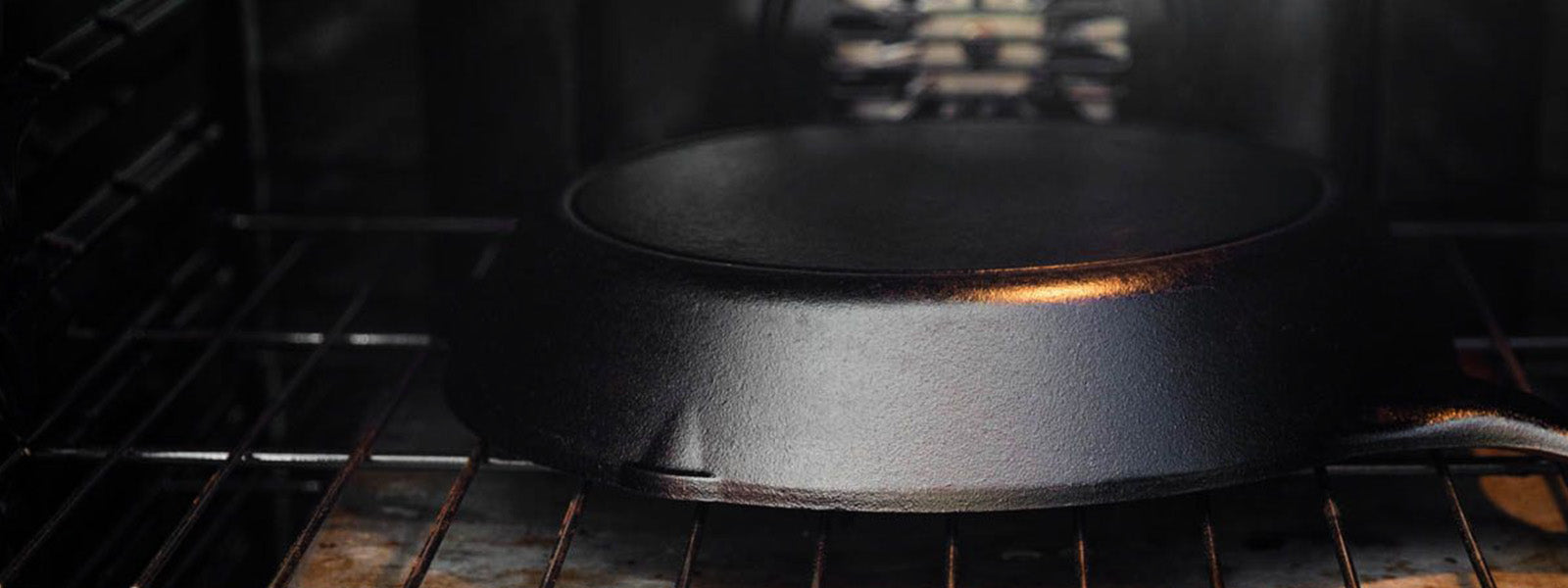
Can Cast Iron go from the fridge to the oven?
2 Items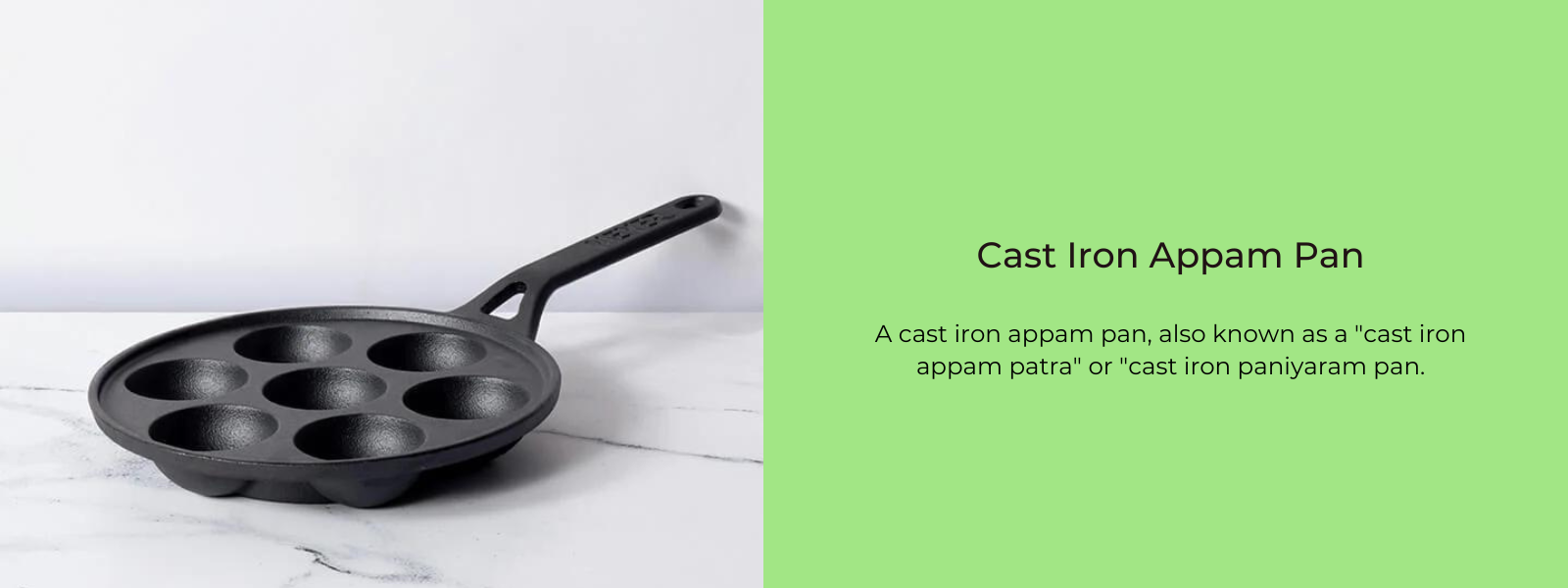
Cast Iron Appam Pan: Cookware That Lasts For Lifetime
2 Items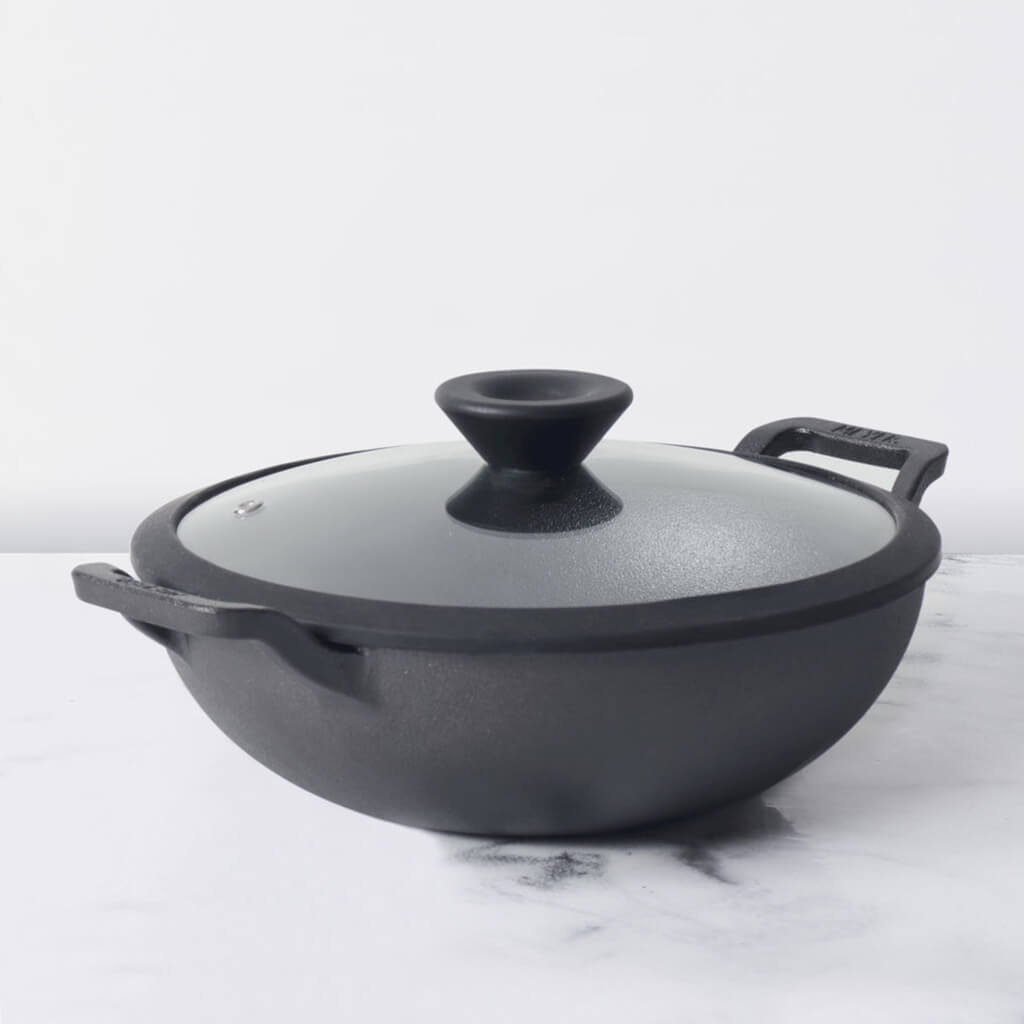


Leave a comment