



Humidity is one of the biggest enemies of cookware—especially in many parts of India where monsoons and high moisture levels are a regular part of life. Excess moisture in the air can lead to rust, dullness, stains, and even long-term damage if cookware is not cared for properly.
From cast iron rusting overnight to stainless steel developing water spots and non-stick coatings degrading faster, humid conditions demand a more mindful approach to cookware maintenance. The good news is that with a few consistent habits, you can easily protect your cookware and extend its lifespan.
This detailed guide will help you understand how humidity affects different cookware materials and how to care for each one effectively.
Table of Contents
- 1. Why Humidity Affects Cookware
- 2. General Rules for Maintaining Cookware in Humidity
- 3. Maintaining Cast Iron Cookware
- 4. Maintaining Stainless Steel Cookware
- 5. Maintaining Aluminium Cookware
- 6. Smart Storage Tips for Humid Weather
- 7. Kitchen Habits That Make a Difference
- 8. Common Mistakes to Avoid
- 9. Does Quality Cookware Handle Humidity Better?
- 10. Final Thoughts
Why Humidity Affects Cookware
High humidity means there is excess moisture in the air, which can:
-
Cause rust in iron-based cookware
-
Lead to oxidation in aluminium
-
Create water spots and stains on stainless steel
-
Promote bacterial growth if cookware is stored damp
-
Affect coatings if moisture is trapped over time
Even if your cookware looks dry, moisture in the environment can slowly impact its surface.

General Rules for Maintaining Cookware in Humidity
Before diving into material-specific care, follow these universal principles:
-
Always dry cookware immediately after washing
-
Avoid air-drying in humid conditions
-
Store cookware in well-ventilated spaces
-
Do not stack cookware when damp
-
Use kitchen cloths or paper towels to absorb moisture
Consistency in these small steps makes a significant difference.
Maintaining Cast Iron Cookware
Cast iron is the most sensitive to humidity and requires extra care.
Keep It Completely Dry
After washing:
-
Wipe immediately with a dry cloth
-
Heat it on a stovetop for a few minutes to remove hidden moisture
Apply a Light Oil Layer
A thin coating of oil acts as a barrier against moisture.
-
Apply a few drops of oil after every wash
-
Spread evenly and wipe off excess
Avoid Closed, Damp Storage
-
Do not store in enclosed cabinets without airflow
-
Place a paper towel inside the pan to absorb moisture
Watch for Early Signs of Rust
If you notice slight rust:
-
Scrub gently
-
Dry thoroughly
-
Re-season the pan
Regular maintenance prevents major restoration later.
Maintaining Stainless Steel Cookware
Stainless steel is more resistant but still affected by humidity.
Prevent Water Spots
-
Dry immediately after washing
-
Use a soft cloth to wipe thoroughly
Avoid Leaving Water Residue
Even small droplets can leave marks over time.
Occasional Deep Cleaning
-
Use vinegar or mild cleaning solutions to remove buildup
-
Polish with a dry cloth to restore shine
Maintaining Aluminium Cookware
Aluminium can react with moisture and develop oxidation.
Dry Immediately
Never leave aluminium cookware wet.
Avoid Prolonged Soaking
Soaking in water, especially in humid weather, accelerates dullness and discoloration.
Store in Dry Conditions
-
Keep away from damp areas
-
Ensure proper airflow in cabinets
Maintaining Non-Stick Cookware
Humidity does not directly damage non-stick coatings, but improper storage in humid conditions can reduce their lifespan.
Ensure Completely Dry Surface
-
Dry thoroughly before storing
-
Avoid stacking damp pans
Prevent Moisture Trapping
-
Do not cover immediately after washing
-
Let cookware air out before storing
Use Protective Layers
-
Place cloth or paper towels between stacked pans
Smart Storage Tips for Humid Weather
Storage plays a crucial role in preventing moisture damage.
Improve Air Circulation
-
Keep cabinet doors slightly open occasionally
-
Avoid tightly packed storage
Use Moisture Absorbers
-
Silica gel packs or baking soda can help reduce humidity inside cabinets
Hang Cookware When Possible
-
Hanging allows better airflow
-
Prevents moisture buildup and scratches
Kitchen Habits That Make a Difference
Small daily habits can protect your cookware significantly:
-
Cookware should never sit wet in the sink
-
Avoid stacking immediately after washing
-
Use exhaust fans to reduce kitchen humidity
-
Wipe shelves and cabinets regularly
Common Mistakes to Avoid
-
Letting cookware air-dry in humid conditions
-
Storing cookware while still damp
-
Ignoring early signs of rust or stains
-
Overcrowding cabinets with poor ventilation
-
Skipping post-wash drying
These mistakes may seem minor but can cause long-term damage.
Does Quality Cookware Handle Humidity Better?
Yes, to an extent. High-quality cookware is designed with better materials and finishes that resist moisture-related damage more effectively.
Well-crafted cookware from brands like Meyer and Circulon often features superior construction, making them more resilient in challenging conditions. However, even the best cookware requires proper care in humid environments.
Final Thoughts
Maintaining cookware in humid Indian weather is all about controlling moisture and building consistent habits. While humidity cannot be avoided, its effects can be managed easily with the right approach.
Drying thoroughly, storing smartly, and paying attention to early signs of damage can help you preserve your cookware’s performance and appearance for years.
In a climate where moisture is unavoidable, thoughtful care ensures your cookware remains reliable, efficient, and ready for everyday cooking.
MORE FROM BLOG
Top Collections
Cast Iron Cookware: The Ultimate Guide to Cooking on an Open Fire
2 Items
Coating Peels Off, Handles Break, Why Buy Such Junk Cookware!!
2 Items
Healthy Eating Starts with Healthy Cookware - Cast Iron Cookware Health Benefits
2 Items
How to clean turmeric and curry stains from ceramic cookware safely?
2 Items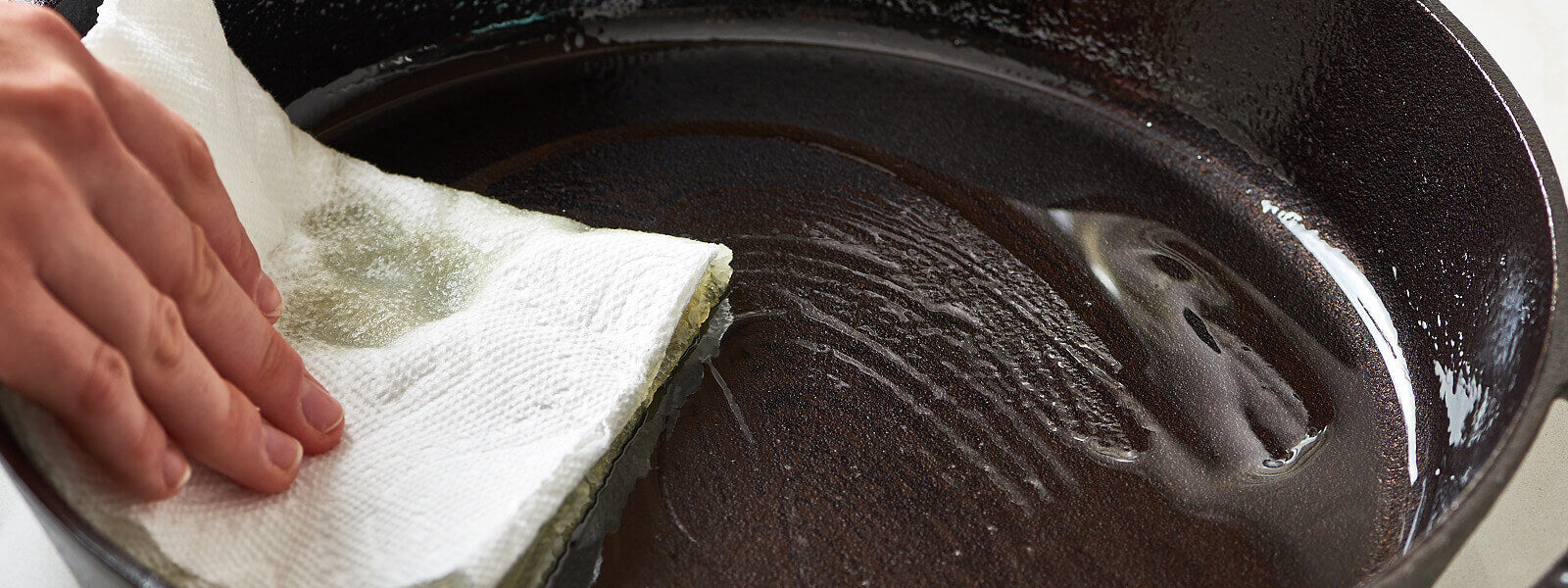
How to Maintain Your Cast Iron Cookware
2 Items


Leave a comment