



A great stir-fry is all about contrast—vibrant vegetables that are lightly charred on the outside, yet crisp and fresh on the inside. However, one of the most common challenges in Indian kitchens is ending up with soggy, steamed vegetables instead of that restaurant-style crunch.
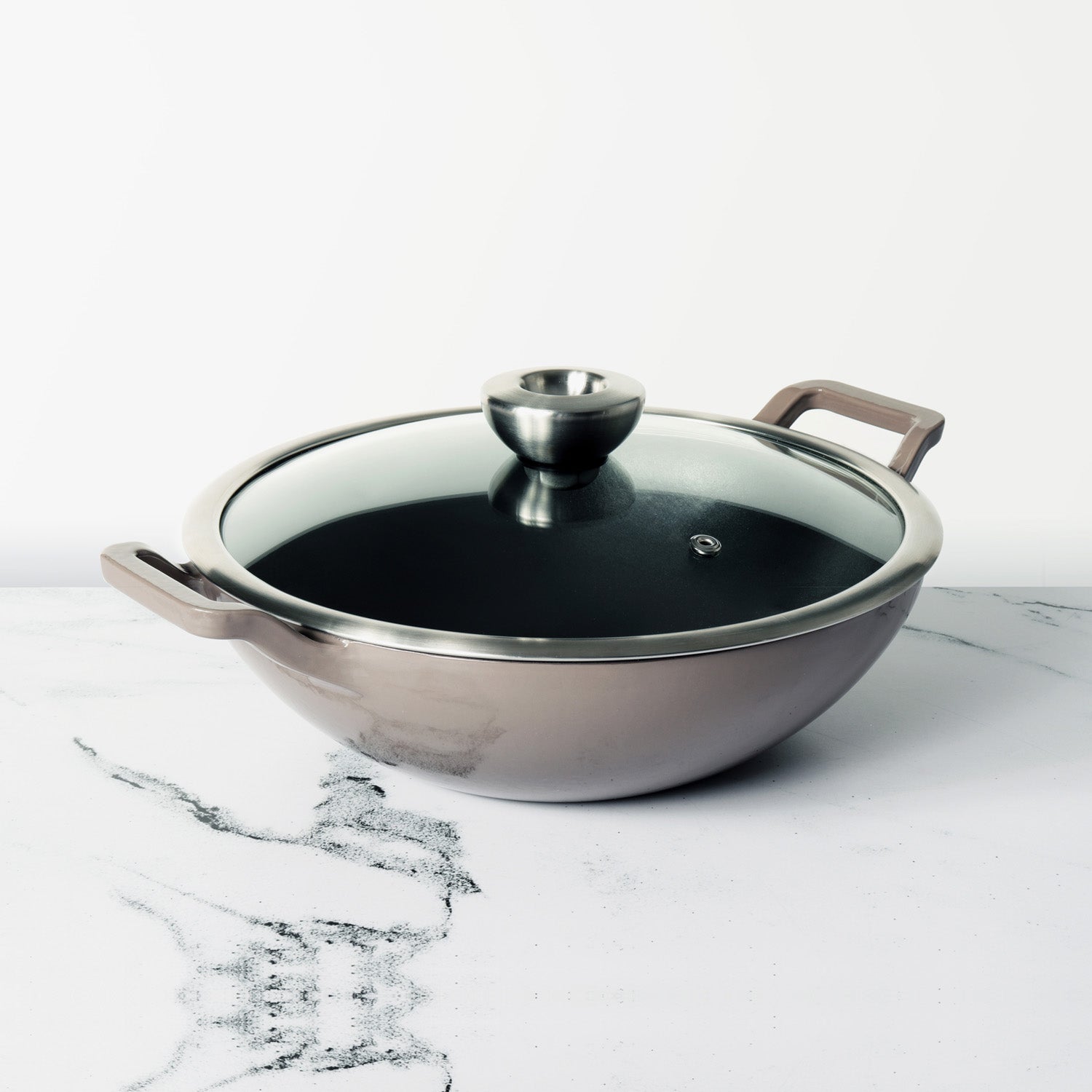
The secret lies in mastering heat, moisture control, and cookware. And when it comes to cookware, using a high-quality stainless steel kadai like the Meyer Select range can significantly elevate your results.
This guide will walk you through how to achieve perfectly crisp stir-fries—while seamlessly understanding where the Meyer Select Stainless Steel Kadai fits into the process.
Table of Contents
Why Vegetables Turn Soggy Instead of Crispy
Vegetables naturally release water when heated. If that moisture isn’t quickly evaporated, it gets trapped—causing steaming instead of searing.
This usually happens when:
-
The pan isn’t hot enough
-
Too many vegetables are added at once
-
The kadai doesn’t retain heat well
-
Salt is added too early
The goal is simple: high heat + quick evaporation + minimal crowding.
Step 1: Choose the Right Kadai (Why Meyer Select Makes a Difference)
Your kadai is the most critical factor in achieving a crispy stir-fry.
A poorly constructed pan loses heat the moment vegetables are added—leading to water release and steaming. This is where the Meyer Select Stainless Steel Kadai stands out.
What Makes It Ideal for Stir-Frying:
-
Nickel-Free Stainless Steel
Ensures safe, non-reactive cooking—perfect for high-heat stir-fries and acidic sauces. -
Thick Sandwich Base
The heavy base retains and distributes heat evenly, preventing sudden temperature drops when vegetables hit the pan. -
Wide Mouth & Deep Curvature
Allows moisture to escape quickly while giving you enough space to toss ingredients without crowding. -
Pitting & Corrosion Resistance
Maintains performance even with regular use of salt, sauces, and spices.
Unlike regular thin steel kadais, Meyer Select maintains consistent high heat, which is essential for achieving that slightly charred, crisp texture.
Step 2: Preheat the Kadai Properly
One of the biggest mistakes is starting with a lukewarm pan.
What to Do:
-
Heat your kadai on medium-high flame for 2–3 minutes
-
Add oil only after it’s properly heated
-
Let the oil shimmer
The heat retention of Meyer Select ensures that once heated, the kadai stays consistently hot—giving vegetables an instant sear instead of letting them release water.
Step 3: Use the Right Oil and Quantity
Choose oils with a high smoke point:
-
Groundnut oil
-
Rice bran oil
-
Sunflower oil
Use about 1–2 tablespoons—just enough to coat the vegetables.
The even heating surface of a Meyer Select kadai ensures oil spreads uniformly, preventing patchy cooking or sticking.
Step 4: Cut Vegetables Uniformly
Uniform cutting ensures:
-
Even cooking
-
Faster stir-frying
-
Better texture
Thin slices work best for harder vegetables like carrots and beans, while bell peppers and mushrooms can be slightly thicker.
Step 5: Don’t Overcrowd the Kadai
Overcrowding is the fastest way to ruin a stir-fry.
When too many vegetables are added:
-
Heat drops instantly
-
Moisture accumulates
-
Vegetables start steaming
Best Practice:
-
Cook in small batches
-
Keep vegetables in a single layer
Thanks to its wide surface area, the Meyer Select kadai helps you manage batches better while maintaining consistent heat.
Step 6: Stir Smartly, Not Constantly
Let vegetables sit undisturbed for short intervals.
-
Allow 30–40 seconds of contact with the hot surface
-
Then toss or stir
This helps create light charring—something that’s easier to achieve with a kadai that distributes heat evenly like Meyer Select.
Step 7: Add Salt at the Right Time
Salt draws out moisture, which can lead to steaming.
Golden Rule:
Add salt towards the end of cooking.
This keeps vegetables crisp and prevents excess water release in the early stages.
Step 8: Cook on High Heat (With Control)
High heat is essential—but it must be stable.
The Meyer Select Stainless Steel Kadai excels here:
-
Maintains heat even after adding ingredients
-
Prevents sudden drops in temperature
-
Supports quick evaporation of moisture
This ensures vegetables sear instead of steam.
Step 9: Use Sauces Wisely
If making Indo-Chinese style stir-fries:
-
Add sauces only after vegetables are nearly done
-
Use minimal quantities
Too much liquid will instantly undo all the crispness.
Step 10: Keep the Kadai Open
Avoid covering the kadai.
A lid traps steam and turns your stir-fry soggy—no matter how good your technique is.

Bonus Tip: The High-Heat Finish
For that final restaurant-style texture:
-
Increase heat slightly at the end
-
Stir-fry for 30–60 seconds
With the heat stability of Meyer Select, this step enhances crispness without burning the vegetables.
Why Meyer Select is Perfect for Everyday Stir-Frying
What truly sets the Meyer Select kadai apart is its balance of health, durability, and performance:
-
Safe, nickel-free cooking surface
-
Even heat distribution for consistent results
-
Strong, long-lasting construction
-
Compatible with gas and induction cooktops
Whether you're making quick weekday sabzis or elaborate stir-fry dishes, it delivers reliable, repeatable results.
Common Mistakes to Avoid
-
Starting with a cold kadai
-
Overcrowding vegetables
-
Adding salt too early
-
Using low heat
-
Covering the pan
-
Using thin, low-quality cookware
Final Thoughts
Perfect stir-frying isn’t just about technique—it’s about using cookware that supports high-heat cooking.
With the right approach and a well-designed kadai like the Meyer Select Stainless Steel Kadai, you can consistently achieve:
-
Crisp, non-soggy vegetables
-
Better flavor and texture
-
Faster, more efficient cooking
So the next time you cook, remember:
High heat, small batches, no lid—and the right kadai makes all the difference.
MORE FROM BLOG
Top Collections

7 Delicious Recipes You Can Prepare in Your Cast Iron Kadai
2 Items
Benefits and Recipes for Cooking with a Cast Iron Kadai with Lid
2 Items
Best Stainless Steel Kadai for Deep Frying
2 Items
Choosing the Right Kadai Material: Cast Iron, Steel, or Non-Stick in 2025?
2 Items
Choosing the Right Kadai Size: A Guide to Meyer’s 3-Piece Kadai Set
2 ItemsFrom Our Shop


Leave a comment