



Cookware is an investment in your everyday cooking experience. Whether it is stainless steel, non-stick, hard anodized, or cast iron, improper storage can quickly lead to scratches, dents, loose handles, and damaged coatings. In busy Indian kitchens where multiple utensils are used daily for tadka, frying, boiling, and simmering, organization plays a crucial role in maintaining cookware quality. With the right storage techniques, you can significantly extend the life of your pots and pans while keeping your kitchen neat and functional.
Table of Contents
- 1. Keep Cookware Completely Dry Before Storing
- 2. Use Protective Layers Between Stacked Pieces
- 3. Avoid Overstacking Heavy Items
- 4. Store Lids Separately
- 5. Separate Cookware by Material
- 6. Use Drawer Dividers or Pull-Out Shelves
- 7. Hang Frequently Used Cookware
- 8. Check and Rotate Regularly
- 9. Conclusion
Keep Cookware Completely Dry Before Storing
Moisture is often overlooked but can contribute to surface dullness and long-term damage. After washing, always dry cookware thoroughly with a soft cloth before storing. Trapped moisture between stacked vessels can cause water spots on stainless steel and may affect the coating of non-stick cookware over time. Proper drying prevents both cosmetic and structural wear.

Use Protective Layers Between Stacked Pieces
Stacking cookware directly on top of one another is one of the main causes of scratches. Even durable stainless steel can develop surface marks due to constant friction. Place a soft cotton cloth, felt pad, paper towel, or dedicated pan protector between each piece. This is especially important for non-stick and hard anodized cookware, where coating damage can reduce performance and longevity.
Avoid Overstacking Heavy Items
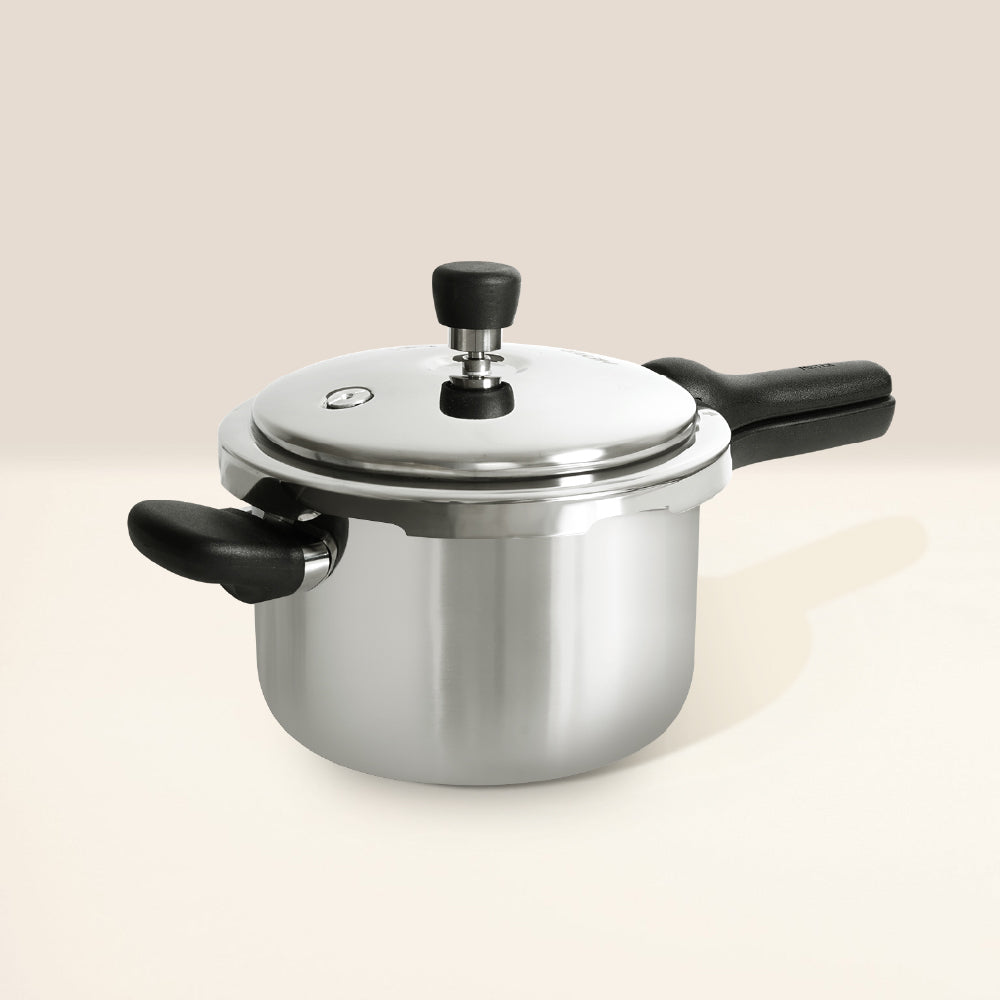
Heavy-bottomed kadhais, stockpots, and pressure cookers should not be stacked excessively high. Too much weight can strain handles, bend rims, and cause dents in thinner vessels underneath. Keep heavier cookware at the bottom and avoid creating tall, unstable piles. Balanced stacking reduces pressure damage and improves safety.
Store Lids Separately
Lids often cause dents when stacked randomly with cookware. Instead of placing lids directly on pots and pans, store them vertically in a lid rack or use cabinet dividers. This prevents unnecessary shifting and avoids edge damage. Glass lids, in particular, benefit from upright storage to minimize the risk of cracks or chips.
Separate Cookware by Material
Different materials react differently to pressure and friction. For example, cast iron is heavy and can easily dent thinner stainless steel or non-stick pans if stacked together. Keep cast iron stored separately or at the bottom of a stack. Similarly, avoid stacking non-stick cookware under heavy stainless steel vessels to protect the coating.
Use Drawer Dividers or Pull-Out Shelves
Deep cabinets often lead to cookware being piled carelessly. Installing simple dividers, pull-out trays, or vertical pan organizers can prevent stacking altogether. Storing pans upright reduces surface contact and eliminates friction-related scratches. This method is particularly effective in small Indian kitchens where space optimization is essential.
Hang Frequently Used Cookware
If wall space allows, consider hanging everyday cookware on sturdy hooks or a wall-mounted rack. This not only frees cabinet space but also prevents stacking damage entirely. Stainless steel and hard anodized pans look clean and modern when displayed neatly, while remaining easily accessible during cooking.
Check and Rotate Regularly
Over time, cookware at the bottom of a stack may go unused and bear constant weight. Periodically rotate your cookware so that the same pieces are not always at the base. This simple habit prevents uneven wear and reduces the chances of dents forming in one specific vessel.
Conclusion
Organizing cookware properly is not just about aesthetics — it directly impacts performance and durability. By drying cookware completely, using protective liners, avoiding overstacking, and separating lids and materials, you can prevent scratches and dents effectively. A well-organized kitchen protects your cookware investment, enhances safety, and ensures that every pan and pot performs beautifully for years to come.
MORE FROM BLOG
Top Collections

Best Cookware for Special Diwali Recipes
2 Items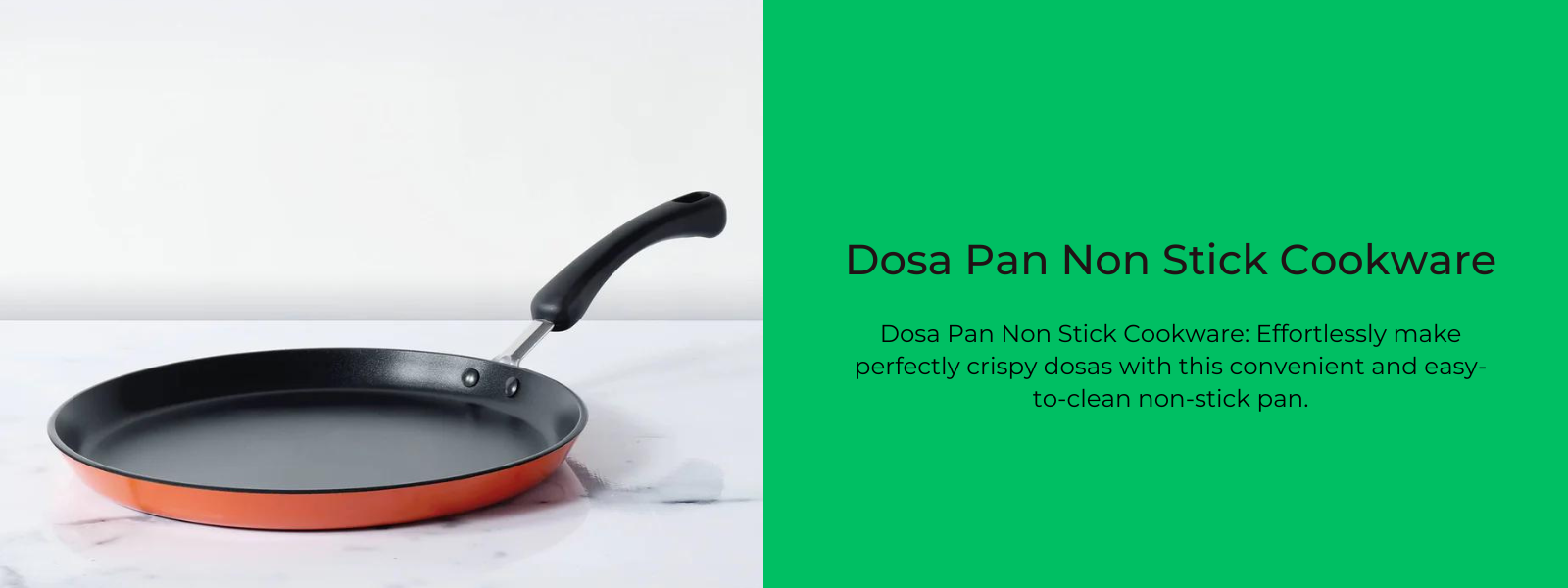
Best Dosa Pan Non Stick Cookware In India
2 Items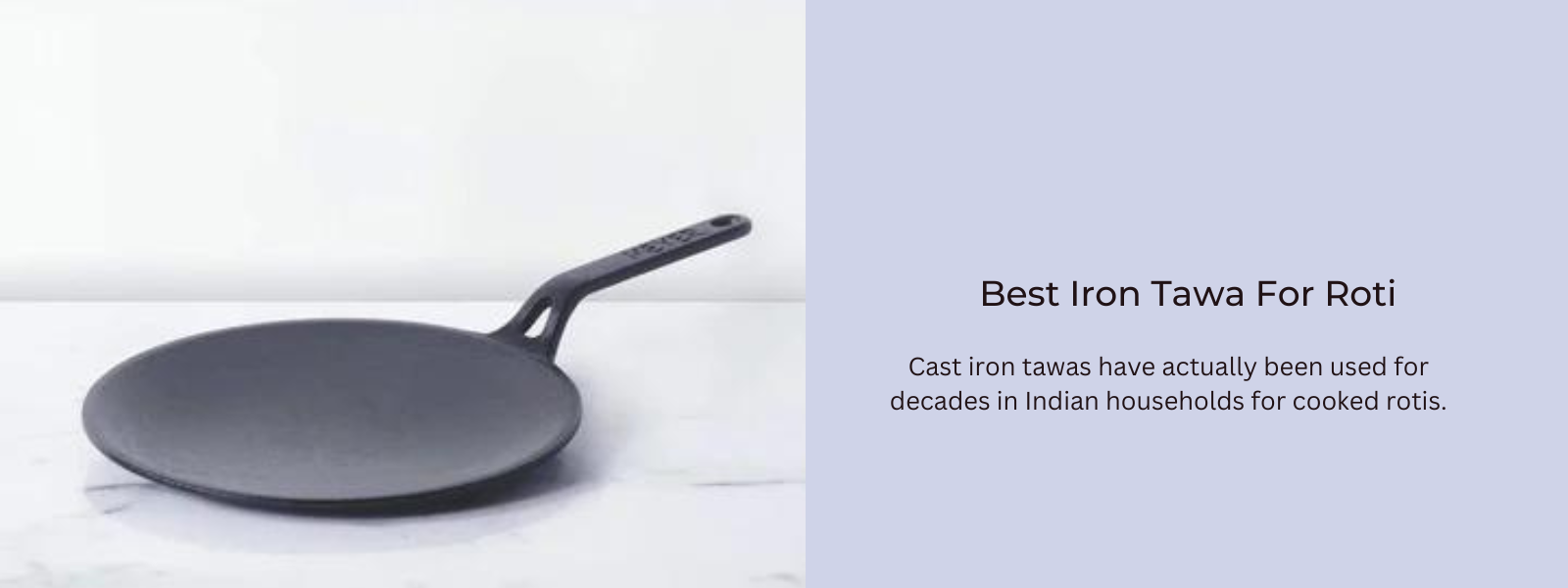
Best Iron Tawa For Roti: Cookware For Indian Food
2 Items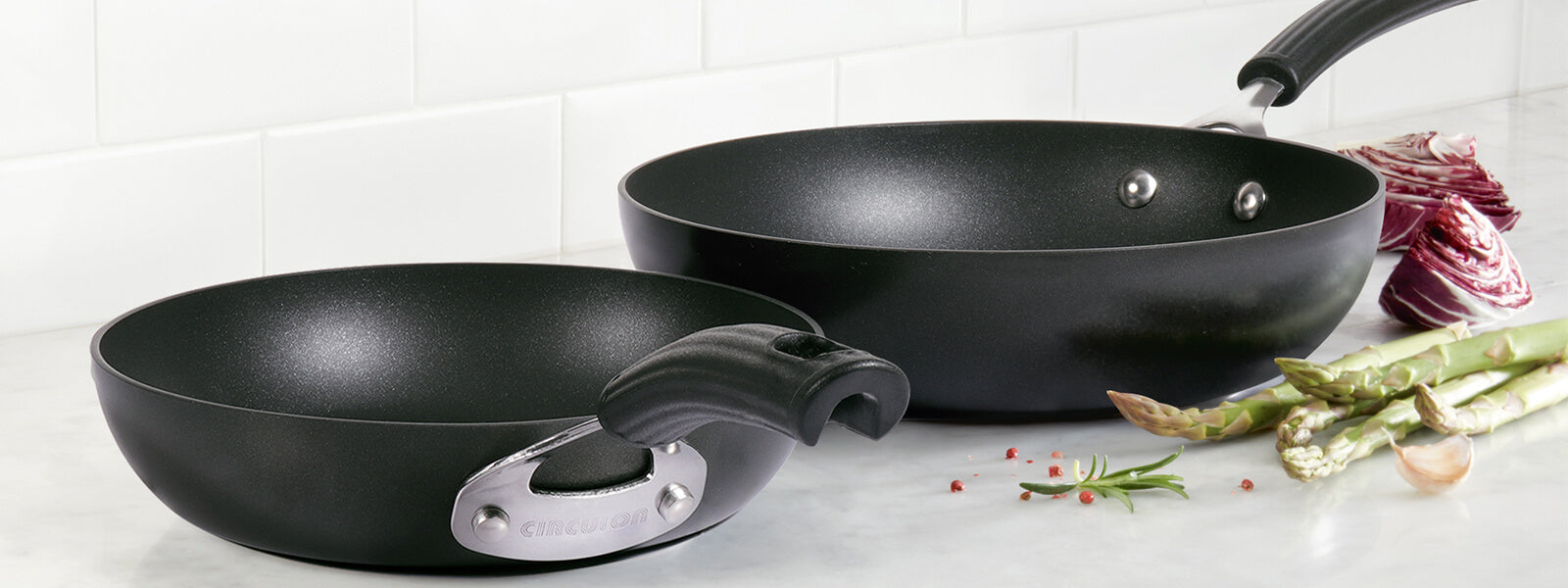
Best Non-Stick Cookware Sets For Your Kitchen
2 Items
Best Non Stick Roti Tawa Price: Cookware For Everyone
2 Items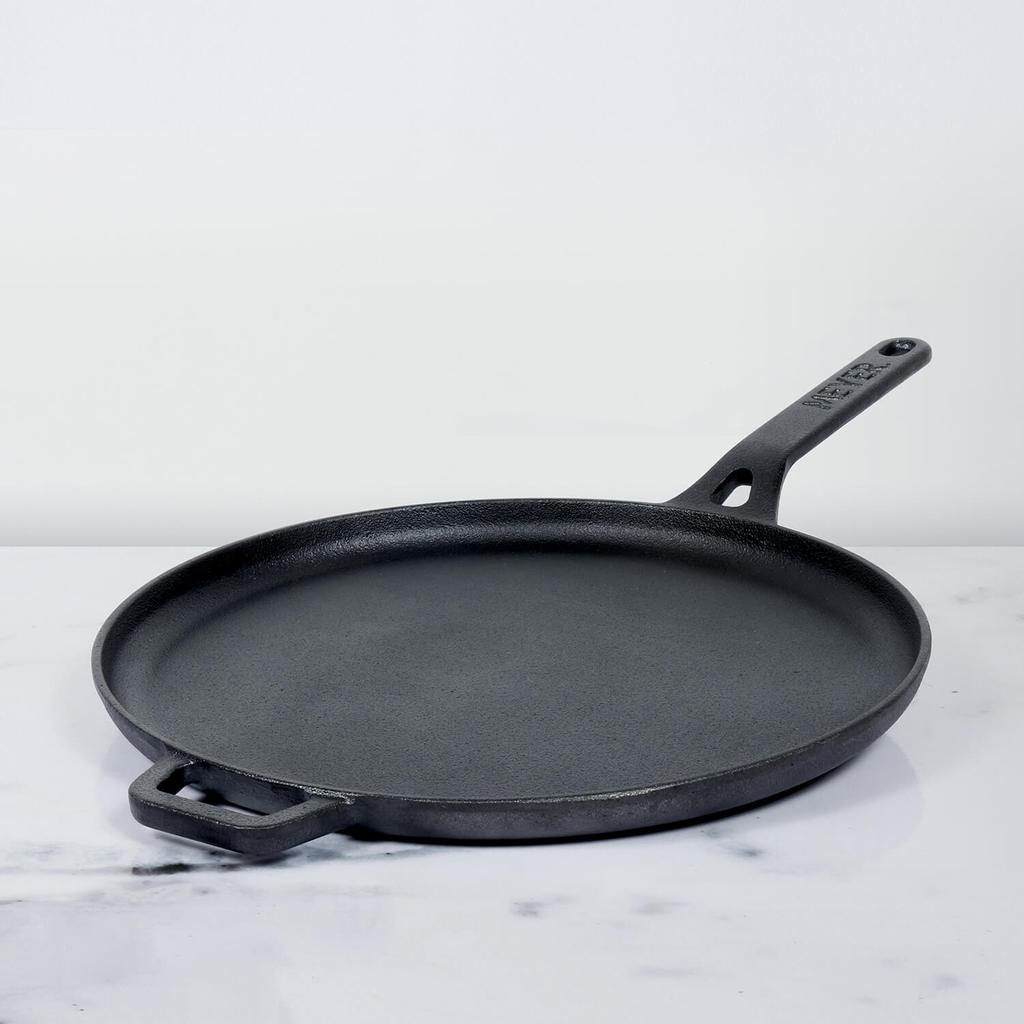


Leave a comment