



Water scarcity is a growing concern in many Indian cities, and the kitchen is one of the biggest contributors to everyday water usage. Cleaning utensils—especially after oily masala cooking, deep frying, or pressure cooking—often leads to excessive water wastage without us even realizing it.
The good news? With a few mindful adjustments and clever practices, you can drastically reduce water consumption while still keeping your cookware spotless.
Here’s a complete guide to helping Indian homes save water without compromising on cleanliness or hygiene.
Table of Contents
Why Cookware Cleaning Consumes So Much Water
Indian meals typically involve tadka, frying, simmering curries, making rotis, or pressure cooking lentils. This results in:
- Stubborn grease sticking to pans
- Burnt masala residue
- Oil films in kadhai or tawas
- Starch sticking to cookers or pots
Because of these cleaning challenges, many people run water continuously while scrubbing cookware—leading to litres of water being wasted every day.

Smart Ways to Reduce Water Waste While Cleaning Cookware
1. Soak First, Scrub Later
Soaking is the simplest and most effective way to reduce water usage.
-
Add a little warm water + a drop of dish soap into the cookware right after cooking.
-
Even 10–15 minutes of soaking loosens masala stains, burnt food, and oil residue.
-
You use half the water compared to washing it immediately under running tap water.
This method is especially useful for stainless steel pans, cast iron, and high-gloss ceramic cookware like Meyer Anzen, which releases food easily after a short soak.
2. Never Wash Under Running Water
It may feel faster, but scrubbing under flowing water wastes litres.
Instead:
-
Fill a small basin with water.
-
Use this water for rinsing in batches.
-
Reuse the remaining water for pre-soaking other utensils.
A simple switch saves massive amounts of water on busy cooking days.
3. Choose Cookware That Requires Less Scrubbing
The right cookware can significantly reduce cleaning time and water usage.
For example:
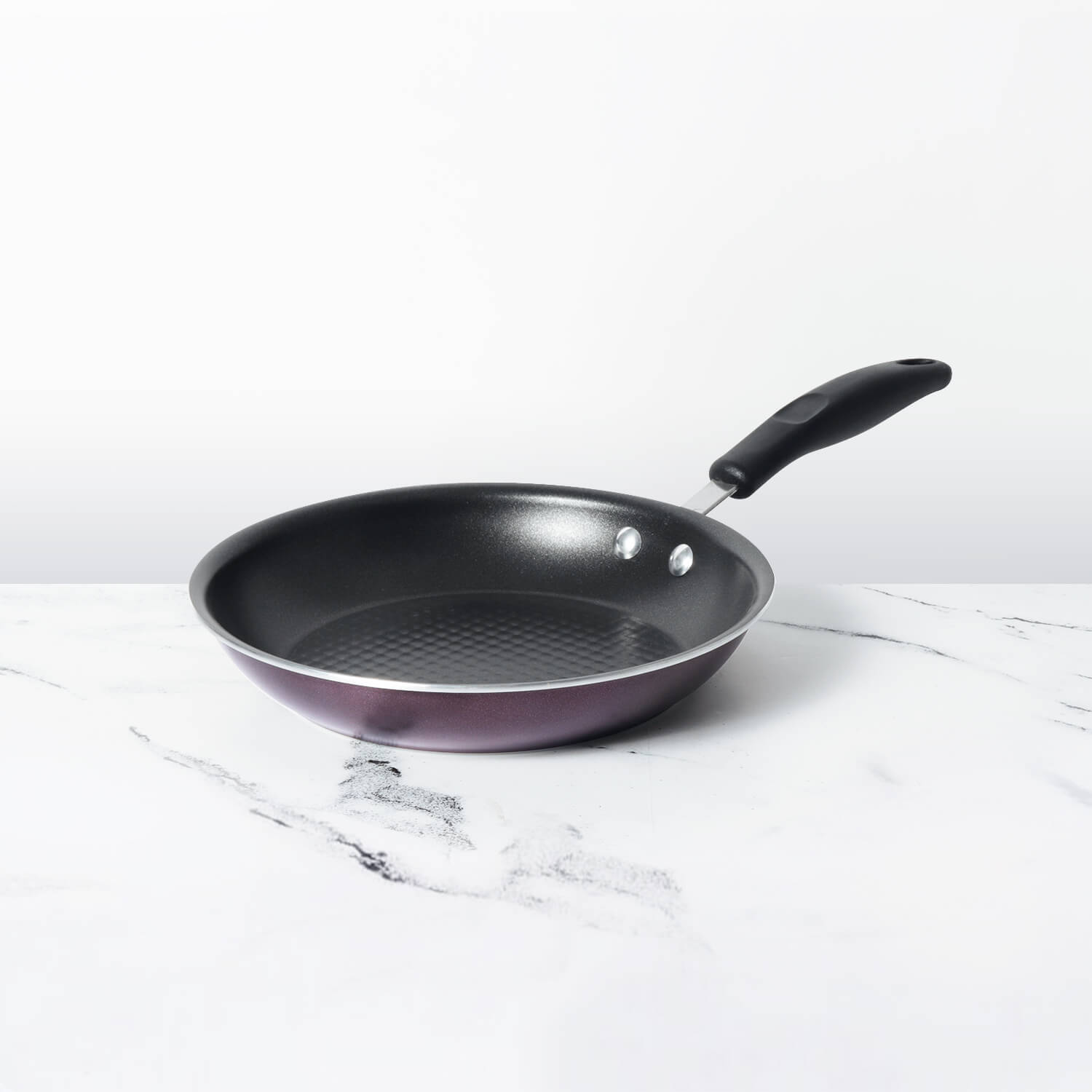
- Meyer Anzen ceramic cookware has a smooth, toxin-free, non-porous surface that prevents food from sticking. This means less scrubbing and minimal water needed.
- High-quality stainless steel or tri-ply cookware also cleans faster when used properly at medium heat.
- Cast iron, once properly seasoned, only needs a quick wipe and minimal water.
Better cookware = easier cleaning = less water wasted.
4. Use Natural Degreasers Instead of Excessive Water
Before rushing to the tap, loosen oil films using simple natural cleaners:
- Lemon juice + salt for oily residue
- Baking soda + hot water for burnt stains
- Vinegar + warm water to dissolve tough masala
- Besan paste (gram flour) to absorb grease
These ingredients break down oil so you don’t need buckets of water to rinse.
5. Switch Off the Heat for a Few Minutes Before Cooking Ends
This habit prevents stubborn residues.
When the flame is off:
-
The last bit of cooking happens through retained heat
-
Food doesn’t char or stick as much
-
Cookware—especially stainless steel—cleans faster
A cleaner pan means less water during washing.
6. Wipe Oil with Tissue Before Washing
Before adding water, always:
-
Use a tissue or cloth to wipe excess oil
-
Scrape off loose food particles with a spatula
This step reduces the amount of greasy water needed and prevents the sink from clogging.
7. Avoid Overheating Your Cookware
Overheating creates carbonised, burnt-on layers that require:
-
More soaking
-
More scrubbing
-
More rinsing
Tri-ply cookware, cast iron, and ceramic pans used at medium heat stay cleaner and reduce water needs dramatically.
8. Keep a Separate Scrub for Tough Dishes
Instead of using excessive water to loosen tough stains:
-
Keep a firm scrubber for kadhai, tawa, and cooker stains
-
Keep a soft scrub for gentle cookware like Meyer Anzen ceramic pans
Right tools = quick cleaning = minimal water.
9. Use Less Soap to Reduce Rinsing
More soap demands more rinsing, which leads to more water waste.
Use:
- A small amount of concentrated liquid cleaner
- Diluted soap for light washing
- Pre-soaking to break down grease so less soap is needed
10. Maintain Your Cookware Properly
Well-maintained cookware always needs less water to clean.
-
Season cast iron regularly so food never sticks.
-
Keep stainless steel preheated properly before cooking.
-
Protect ceramic cookware like Meyer Anzen by avoiding metal utensils, which cause micro-scratches that trap oil.
Good maintenance reduces cleaning effort and water usage.
11. Clean As You Cook
This is one of the most effective water-saving practices.
- Use breaks during cooking to soak used utensils
- Rinse cutting boards and ladles before the food dries
- Clean spills immediately instead of letting them harden
A small routine prevents stubborn cleaning later.
12. Reuse Rinse Water for Other Cleaning Tasks
Rinse water can be reused for:
- Cleaning kitchen counters
- Soaking vegetable baskets
- Washing the sink
- Pre-rinsing other utensils
This is a zero-waste, eco-friendly method often used in traditional Indian kitchens.
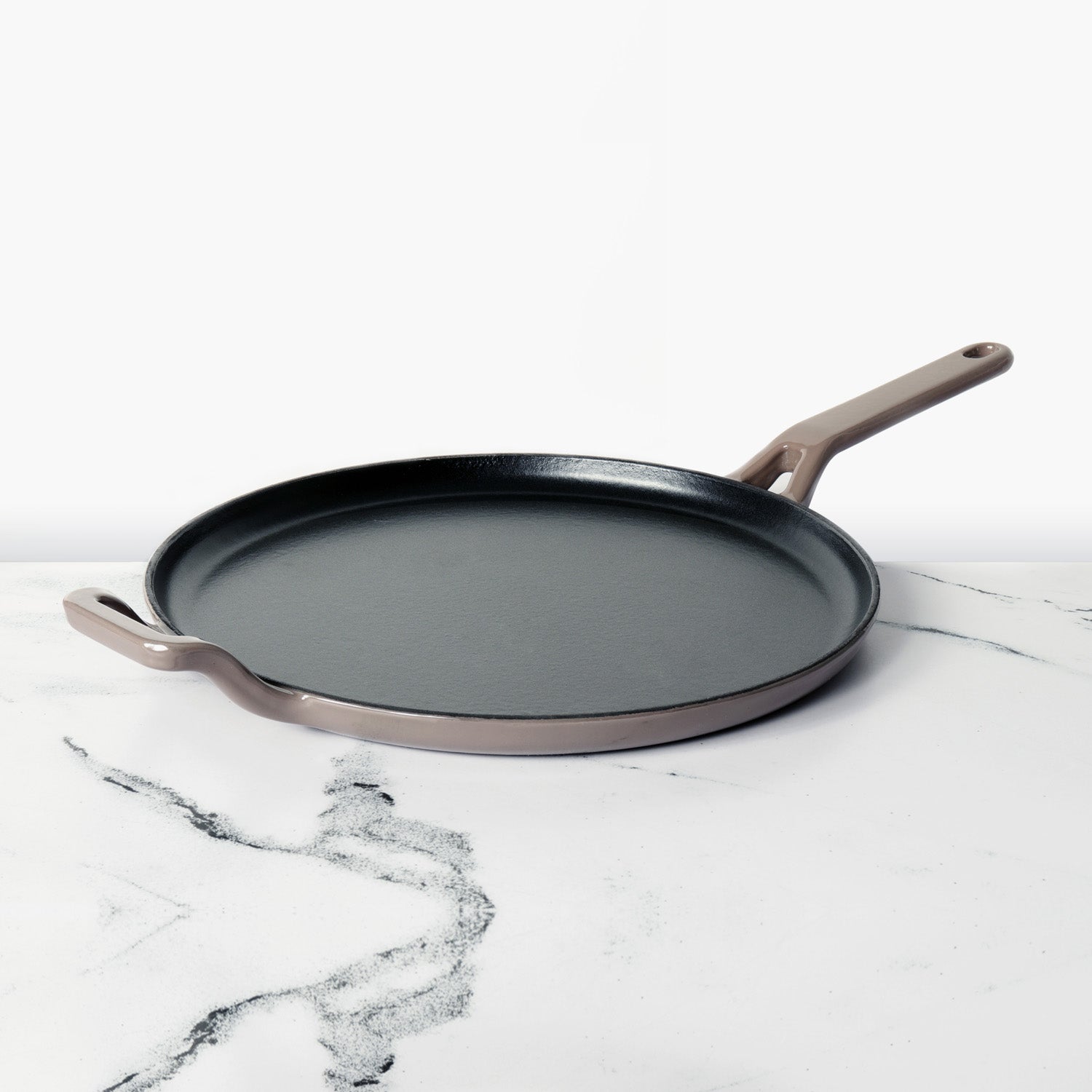
Meyer Enamel Cast Iron Skillet 26cm, Grey
Conclusion
Reducing water waste doesn’t have to be difficult. With small, mindful changes—like avoiding running taps, pre-soaking, using natural cleaners, and investing in easy-to-clean cookware such as Meyer Anzen ceramic pans and Meyer Pre-Seasoned Cast Iron Cookware—Indian households can save substantial water every single day.
Sustainable kitchens start with smarter habits. And every drop saved today matters for tomorrow.
MORE FROM BLOG
Top Collections
How To Season Cast Iron Cookware?
2 Items
Cast Iron Cookware: How It Can Last a Lifetime
2 Items
Choosing cookware for newlywed couple
2 Items
Health Benefits Of Cooking In Ceramic Cookware
2 ItemsFrom Our Shop


Leave a comment