



Sticky oil film is one of the most common problems in Indian kitchens. Whether you’re cooking a simple tadka, a rich masala, or deep-frying pooris, Indian cooking tends to leave a stubborn, greasy layer on stainless steel, cast iron, and non-stick cookware. Over time, this sticky residue turns brown, traps odours, and even affects the taste of food.
The good news? You don’t need harsh chemical cleaners to restore shine. With affordable, natural ingredients and a proper routine, you can keep your cookware clean, safe, and long-lasting.
This guide explains why sticky oil film forms, how to remove it naturally, and preventive tips to keep your cookware—whether stainless steel, cast iron, or premium brands like Meyer—looking as good as new.
Table of Contents
Why Sticky Oil Film Forms on Cookware
Sticky residue (also called polymerised oil) forms when:
1. Oils Are Heated Repeatedly
Indian cooking often involves high-heat frying, and oils like mustard, peanut, or refined vegetable oil break down and leave a burnt film.
2. Spices Burn on the Surface
Turmeric, red chilli powder, and garam masala leave pigments that cling to metal.
3. Cookware Isn’t Cleaned Immediately
Cooling oil hardens into a waxy layer that’s harder to remove.
4. Too Much Oil Is Used
Excess oil spreads across the pan and becomes sticky during storage.
5. Wrong Cleaning Tools Are Used
Abrasive scrubbers scratch stainless steel or non-stick surfaces, trapping more grease over time.

Natural Methods to Remove Sticky Oil Film
These solutions work effectively on most cookware materials including stainless steel (like Meyer Presta), cast iron, carbon steel, and non-stick surfaces.
1. Hot Water + Baking Soda Soak
One of the safest ways to break down stubborn grease.
How to use:
- Fill the cookware with hot water.
- Add 1–2 tbsp baking soda.
- Soak for 30 minutes.
- Scrub with a soft sponge.
Best for: Stainless steel, hard-anodized pans, ceramic-coated cookware.
Meyer Stainless Steel cookware responds especially well to this method, restoring its natural shine.
2. Vinegar Steam Clean
Perfect for burnt sticky oil that refuses to lift.
How to use:
- Add 1 cup water + ½ cup vinegar to the pan.
- Bring it to a boil.
- Turn off heat and let cool.
- Wipe away loosened residue.
Best for: Stainless steel, enamel cookware like Meyer Enamel Cast Iron.
3. Lemon + Salt Scrub
A traditional Indian cleaning hack that cuts through grease naturally.
How to use:
-
Cut a lemon in half.
-
Sprinkle coarse salt onto the pan.
-
Scrub using the lemon as a sponge.
Best for: Cast iron, carbon steel, heavy-duty stainless steel.
Avoid on: Non-stick cookware.
4. Rice Flour or Besan Paste
Excellent for removing oil film without scratching.
How to use:
- Mix 2 tbsp besan or rice flour with warm water.
- Apply paste to greasy areas.
- Scrub gently and rinse.
Best for: Non-stick cookware, Meyer Accent hard-anodized pans.
5. Natural Degreasing with Hot Water + Dish Soap
A simple but often overlooked method.
How to use:
- Fill cookware with very hot water.
- Add 2–3 drops of mild dish soap.
- Let sit for 10 minutes.
- Wipe clean.
Best for: All cookware types.
Meyer non-stick cookware benefits greatly from gentle, soap-based cleaning to maintain coating longevity.
6. Boiling Water Flush (For Deep Stains)
Great for kadais used for deep frying or masala cooking.
How to use:
-
Fill the kadhai with water.
-
Heat until boiling.
-
The rising steam loosens oil film.
-
Pour out water and scrub.
Best for: Stainless steel, cast iron, tri-ply cookware.
MEYER 3pcs Cookware Set
How to Remove Sticky Oil from Cast Iron Without Damaging Seasoning
Cast iron needs special care, especially if it is pre-seasoned like Meyer Cast Iron pans.
Method:
- Scrub gently with salt + a drop of oil (not water-heavy cleaning).
- Rinse lightly.
- Dry completely.
- Apply a thin coat of vegetable oil and heat it for 2–3 minutes to re-season.
Avoid: Vinegar, too much soap, soaking.
Prevent Sticky Oil Film From Coming Back
Keeping cookware clean is easier when you follow a few simple habits:
1. Wipe Immediately After Cooking
Even a quick wipe removes fresh oil before it hardens.
2. Use the Right Amount of Oil
Avoid over-oiling pans, especially non-stick ones like Meyer Midnight.
3. Use Medium Heat
High heat polymerizes oil faster.
4. Avoid Burning Masalas
Stir frequently and use heavy-bottomed cookware like Meyer tri-ply to regulate heat.
5. Clean With Soft Sponges Only
Steel wool damages the surface and worsens grease buildup.
6. Deep Clean Once a Week
A baking soda or vinegar treatment keeps cookware shiny and non-sticky.
Best Cookware for Easy Cleaning After Indian Cooking
Some materials naturally resist sticky residue better:
1. Tri-Ply Stainless Steel (e.g., Meyer Presta)
-
Even heating prevents burning of oils.
-
Stainless steel polish returns shine easily.
2. Hard-Anodized Cookware (e.g., Meyer Accent)
-
Smooth surface repels masala stains.
-
Requires less oil.
-
Non-reactive surface prevents turmeric/yellowing.
4. High-Quality Non-Stick
-
Ideal for low-oil cooking.
-
Easy to clean with mild soap.
Conclusion
Sticky oil film is a natural part of everyday Indian cooking—but it doesn’t have to ruin your cookware. With simple natural ingredients like lemon, vinegar, baking soda, besan, and hot water, you can keep your pans spotless and long-lasting. Choosing high-quality cookware—such as Meyer stainless steel, hard-anodized, or cast iron—also makes maintenance easier and ensures your kitchen stays clean and efficient.
MORE FROM BLOG
Top Collections
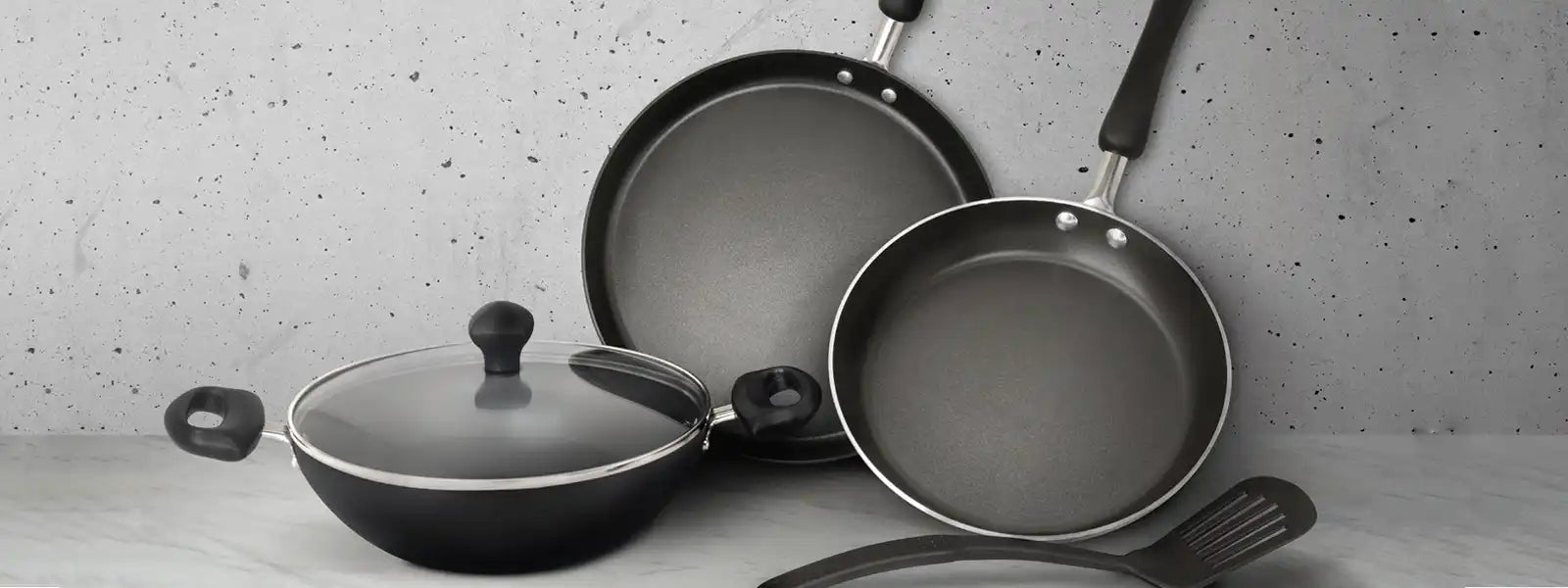
3 best cookware sets for Corporate Gifting
2 Items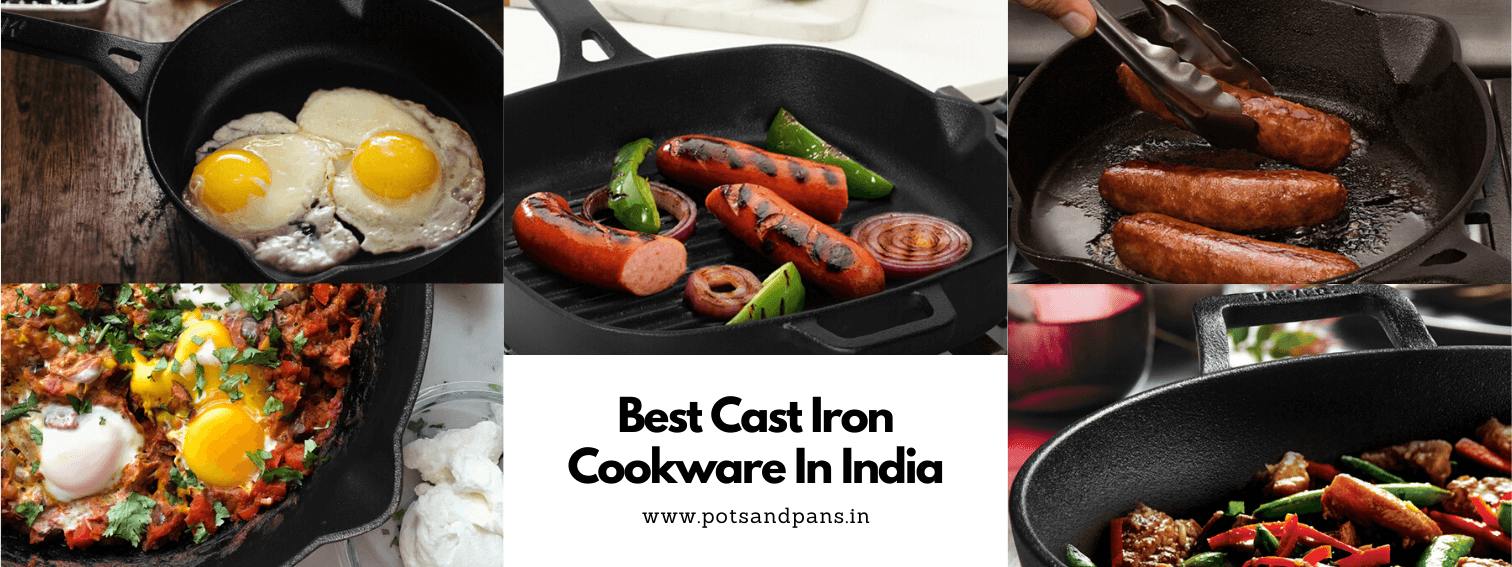
Best Cast Iron Cookware In India For Indian Food
2 Items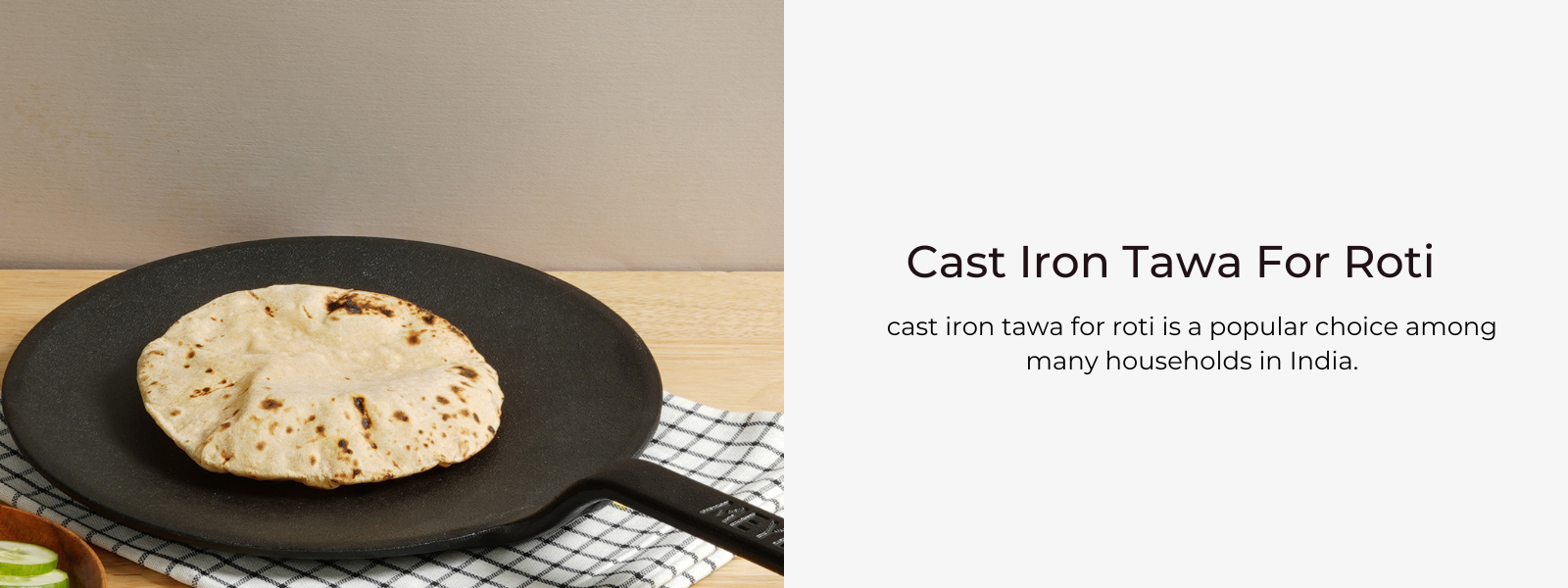
Best Cast Iron Tawa For Roti In India For Easy Cooking
2 Items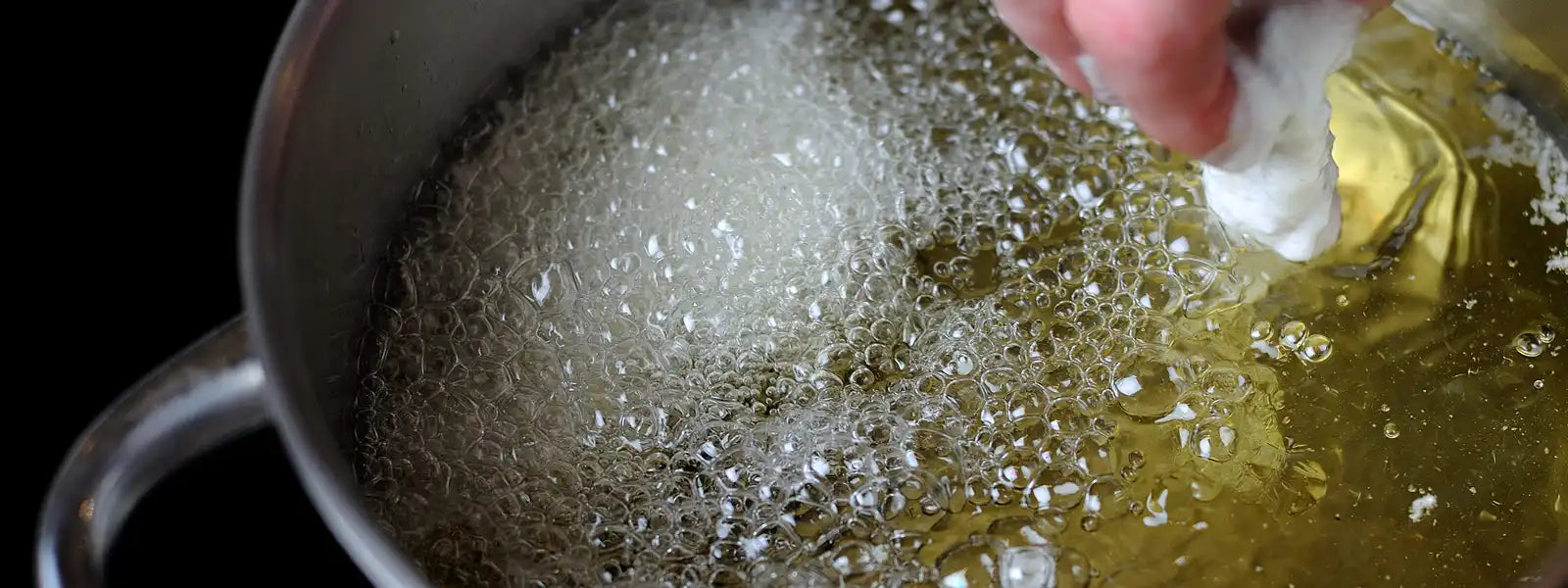
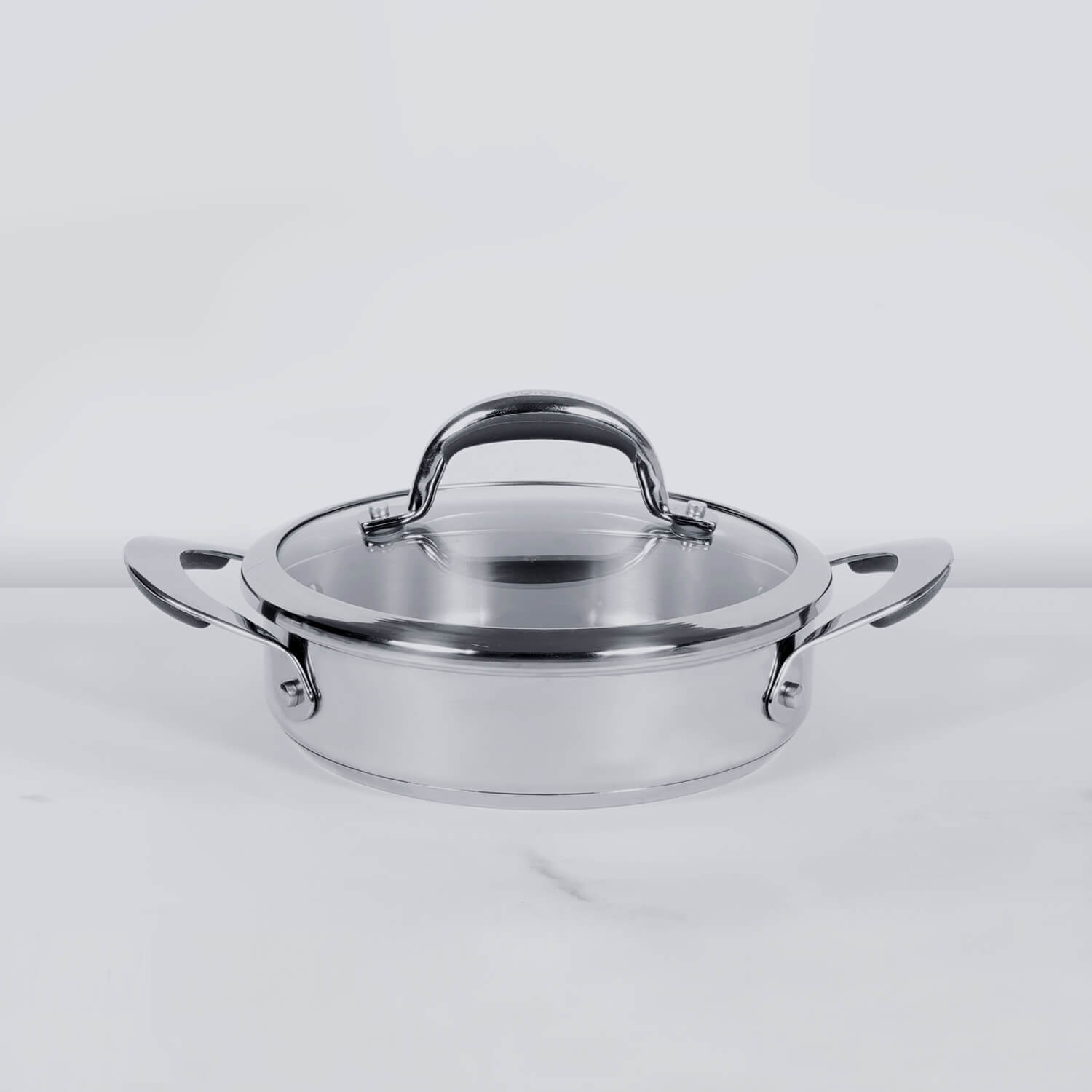
Best Stainless Steel Kadai for Deep Frying
2 Items
Cast Iron Cookware for Camping: Everything You Need to Know
2 Items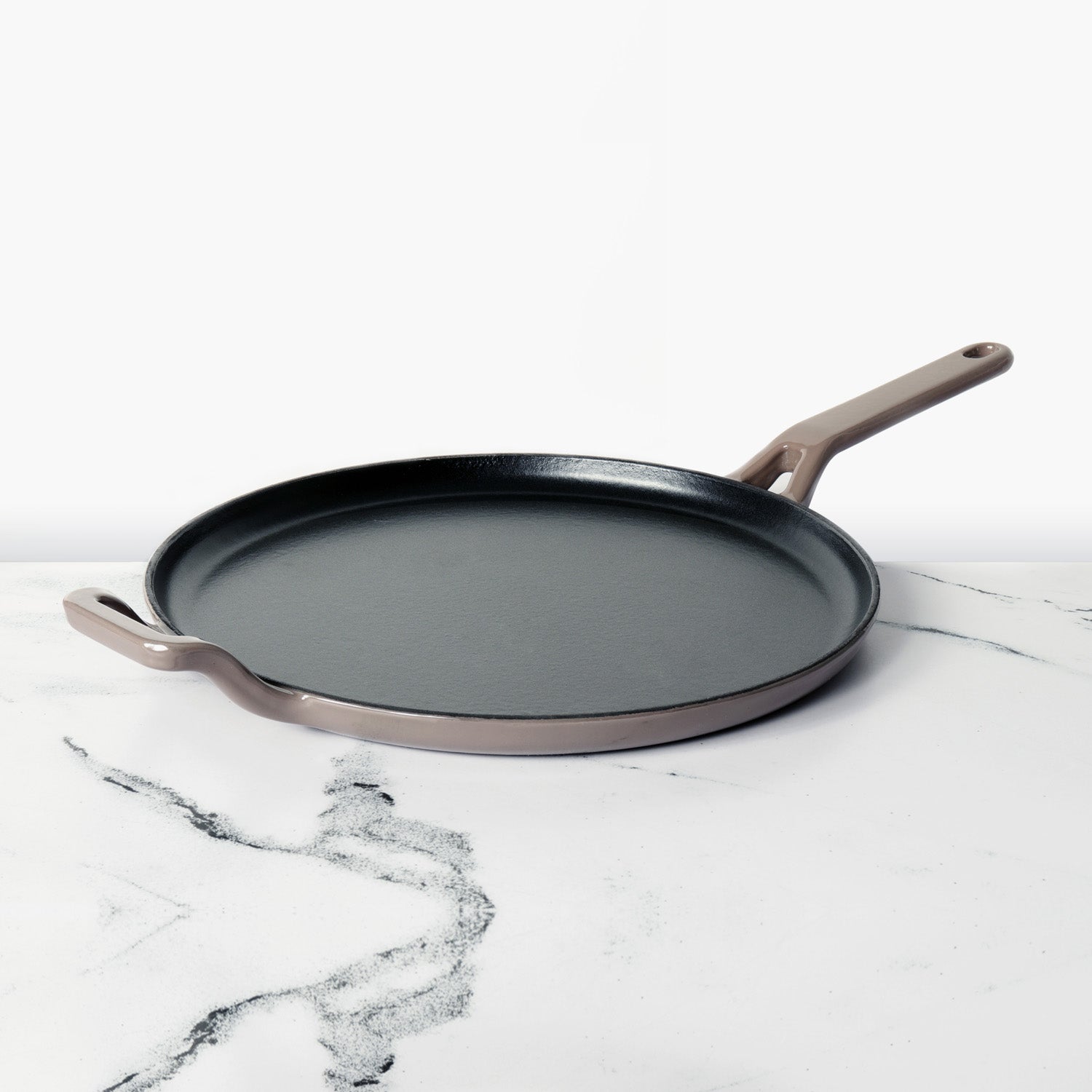


Leave a comment