



Indian cooking is rich, vibrant, and aromatic—but those same spices that make your curries irresistible often leave behind stubborn smells in your pots, pans, and pressure cookers. Whether it's haldi (turmeric), jeera, garlic, onion, or masala oils, residual scent can linger long after cleanup. If you want your cookware to feel fresh after every use, removing these strong curry smells becomes essential.
This comprehensive guide shares proven, safe, and kitchen-friendly methods to eliminate lingering odors from stainless steel, nonstick, cast iron, and hard-anodized cookware. These solutions work beautifully for high-quality cookware like Meyer stainless steel, hard anodized, and ceramic ranges as well.
Table of Contents
Why Curry Smells Linger in Cookware
Curry aromas persist because:
- Spices like turmeric, cumin, and red chilli release essential oils that cling to metal surfaces.
- Onions and garlic leave sulfur-based compounds that deepen during cooking.
- Porous cookware or scratched surfaces may absorb scents more easily.
- Oil residues trap odors even after washing.
- Pressure cooking intensifies aromatic compounds.
Understanding the cause helps you choose the right cleaning method for your pan's material and finish.

Most Effective Ways to Remove Strong Curry Smells from Cookware
1. Use a Baking Soda Paste for Deep Deodorizing
Baking soda neutralizes odors rather than masking them, making it a powerful solution for stainless steel and hard-anodized cookware.
How to do it:
-
Mix baking soda with warm water to create a thick paste.
-
Apply to the interior of the cookware.
-
Let it rest for 20–30 minutes.
-
Scrub gently with a non-abrasive sponge.
-
Rinse thoroughly.
This method works exceptionally well on premium cookware like Meyer stainless steel, which resists staining and responds well to alkaline cleaning.
2. Vinegar Steam Clean Method (Ideal for Stainless Steel)
Vinegar cuts through oil, neutralizes odors, and breaks down spice compounds.
Steps:
-
Add one cup of white vinegar and one cup of water to the pot or pan.
-
Bring it to a gentle boil for 5–10 minutes.
-
Turn off heat and allow it to cool.
-
Wash with mild soap and water.
Meyer tri-ply stainless steel cookware is particularly compatible with this method due to its heat-safe, non-reactive surface.
3. Lemon and Salt Scrub for Natural Freshness
Lemon acts as a natural deodorizer, and salt provides gentle abrasion.
How to use:
-
Cut a lemon in half.
-
Sprinkle salt on the cut side.
-
Scrub the interior of your cookware using the lemon.
-
Let it sit 10 minutes before rinsing.
This is safe for most cookware types except polished nonstick.
4. Boiling Lemon Peels for Stubborn Odors
This method infuses your pan with fresh citrus oils that overpower and eliminate strong curry smells.
Method:
-
Add water and peels from two lemons.
-
Bring to a boil for 5 minutes.
-
Allow to cool naturally.
-
Wash as usual.
Especially effective in heavy-duty saucepans such as Meyer Presta tri-ply.
5. Soap and Hot Water Soak for Daily Maintenance
For mild curry smells, a long soak in hot, soapy water works well.
Steps:
-
Fill the cookware with very hot water.
-
Add a few drops of mild dish soap.
-
Let it sit 20–40 minutes.
-
Wash and rinse.
High-quality cookware like Meyer stainless steel and hard anodized ranges clean up faster due to their non-porous surfaces.
6. Activated Charcoal for Severe and Persistent Odors
Charcoal absorbs odors naturally and can refresh cookware stored for long periods.
Steps:
-
Place a small piece of activated charcoal in the cookware.
-
Cover and leave it overnight.
-
Wash the next day.
Useful for cast iron and even ceramic cookware.
7. Sun-Drying Method for Natural Deodorizing
Sunlight helps break down odor molecules and has natural antibacterial properties.
How to use:
-
Wash cookware thoroughly.
-
Place it upside down under direct sunlight for 2–3 hours.
This method is gentle and safe for Meyer ceramic and stainless steel cookware.
Meyer Midnight hard anodised nonstick Casserole 20 cm
Cookware-Specific Tips
-
Use vinegar, baking soda, or lemon.
-
Avoid harsh scrubbers.
-
Tri-ply cookware like Meyer Presta responds extremely well to steam cleaning and baking soda paste.
- Avoid abrasive agents and lemon–salt scrubs.
- Use mild soap, warm water, and a soft sponge.
- For odor removal, simmer water with a teaspoon of baking soda briefly.
- Use baking soda paste or lemon-boil methods.
- Avoid vinegar boils, which may dull the surface.
- Do not use vinegar or harsh scrubs.
- Use mild water boil, salt scrub, and seasoning.
How to Prevent Curry Smells from Building Up
- Wash cookware immediately after cooking masala-heavy dishes.
- Avoid storing food in the pan overnight.
- Deep-clean weekly using baking soda or vinegar (depending on material).
- For stainless steel, preheat properly to prevent sticking and burnt residue.
- Use high-quality, non-porous cookware such as Meyer stainless steel and hard anodized ranges to minimize absorption of odors.
Conclusion
Curry aromas are an inseparable part of Indian cooking, but they do not have to linger in your cookware. Using household ingredients like baking soda, vinegar, lemon, and activated charcoal, you can safely and effectively remove even the strongest smells from any pot or pan. With regular maintenance and high-quality cookware like Meyer tri-ply stainless steel or hard anodized ranges, your kitchen stays fresh, clean, and ready for the next delicious meal.
MORE FROM BLOG
Top Collections

1 Litre Steel Cookers: A Guide to Mini Meals
2 Items
26 cm Triply Tope – Spacious Cookware for Hosting Guests
2 Items
Add Enamelled Cast Iron Dosa Tawa to your kitchen this Diwali
2 Items
Best Cookware for Special Diwali Recipes
2 Items
Best Dosa Pan Non Stick Cookware In India
2 Items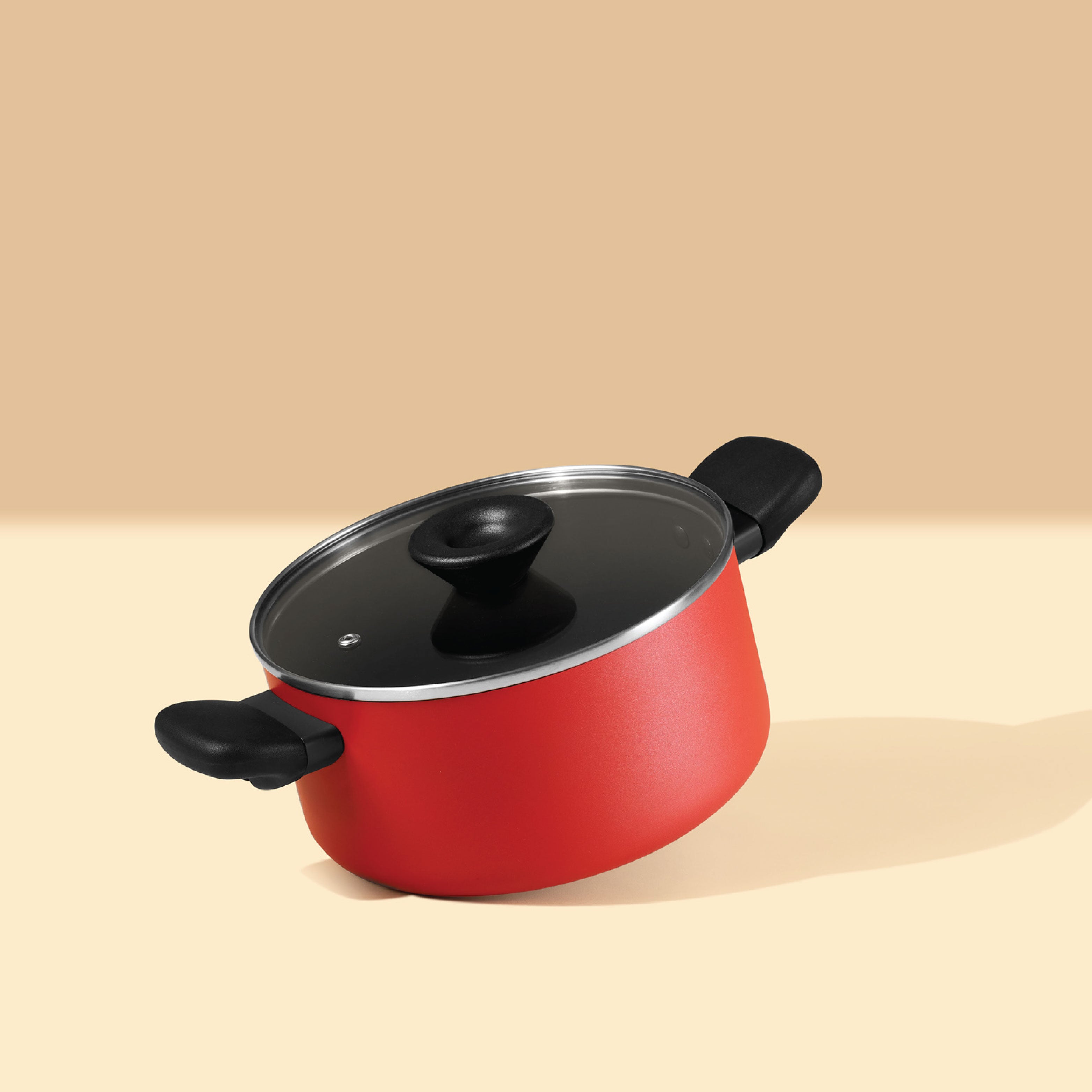


Leave a comment