



In Indian households, cooking is rarely a solo activity or a small-scale task. Especially in joint families, the kitchen is the heart of the home—active from early morning chai to late-night dinners, handling multiple meals, large quantities, and diverse cooking styles every single day. From breakfast preparations for school and office to elaborate lunches, evening snacks, and hearty dinners, cookware in a joint family kitchen must be dependable, durable, and versatile. This is where cast iron cookware proves its true worth.
Long before modern cookware entered Indian homes, cast iron utensils were trusted for their strength, heat performance, and ability to support large-scale cooking. Today, as joint families continue to value practicality and longevity in the kitchen, cast iron is once again being recognised as one of the most suitable cookware choices for shared, high-use Indian cooking environments.
Table of Contents
- 1. Designed for Large-Quantity Indian Cooking
- 2. Even Heat Distribution Across Bigger Portions
- 3. Built for Continuous, Back-to-Back Cooking
- 4. Durable Enough for Multi-Generational Use
- 5. Supports Multiple Cooking Styles and Preferences
- 6. Safe and Toxin-Free for Everyday Family Cooking
- 7. Ideal for Traditional and Festive Cooking
- 8. Modern Cast Iron for Modern Joint Families
- 9. Conclusion
Designed for Large-Quantity Indian Cooking
Joint family cooking almost always means cooking in bulk. Large portions of dal, sabzi, curries, rice, sambhar, or meat dishes are prepared daily to feed many mouths. Cast iron cookware is naturally heavy and thick, allowing it to hold large volumes of food without instability. Unlike lightweight pans that struggle with balance or heat consistency when filled, cast iron remains steady and reliable even when cooking for ten or more people.
Large cast iron kadais, Dutch ovens, and deep pots are particularly well-suited for Indian gravies and slow-cooked dishes. They prevent spillage, reduce splattering, and allow ample space for stirring—an important factor when cooking big batches of food.

Even Heat Distribution Across Bigger Portions
One of the biggest challenges in joint family cooking is ensuring food cooks evenly. When cooking large quantities, thin or inferior cookware often develops hot spots, leading to burnt food at the bottom and undercooked ingredients on top. Cast iron solves this problem effectively.
Cast iron distributes heat gradually and evenly across its entire surface. Once heated, it retains warmth for long periods, ensuring that even large portions cook uniformly. This is especially important for Indian dishes that require slow simmering after initial high-heat cooking, such as rajma, chole, dal makhani, sambhar, or mutton curry.
This consistent heat control improves taste, texture, and cooking efficiency—key requirements in joint family kitchens where food quality must remain consistent across servings.
Built for Continuous, Back-to-Back Cooking
In a joint family, cookware is rarely used once a day. Breakfast is followed by lunch prep, then evening snacks, and finally dinner—often with little downtime in between. Cast iron is exceptionally well-suited for this continuous cycle of cooking.
Unlike nonstick cookware, which can degrade under repeated heating, or lightweight aluminium pans that may warp, cast iron thrives under frequent use. It can be heated, cooled, washed, and reheated multiple times a day without losing performance or safety. This makes it ideal for kitchens that operate almost non-stop.
Modern options like Meyer pre-seasoned cast iron cookware are designed to handle this kind of everyday intensity while reducing the effort traditionally associated with cast iron maintenance.
Meyer Pre Seasoned Cast Iron 2 Sides Handle Appam Pan, 26cm
Durable Enough for Multi-Generational Use
Joint family kitchens place heavy demands on cookware. Utensils are handled by multiple people, used across generations, and expected to last for years. Cast iron is known for its exceptional longevity. With basic care, a single cast iron pot or pan can last decades—often becoming a permanent fixture in the family kitchen.
This durability makes cast iron especially cost-effective for joint families. There is no nonstick coating to peel, no performance drop over time, and no need for frequent replacement. In many Indian homes, cast iron cookware is passed down through generations, valued not just for function but for tradition.
Supports Multiple Cooking Styles and Preferences
Joint families often include cooks of different ages and preferences. Some prefer high-heat cooking, others cook slowly. Some use more oil, others less. Some cook traditional recipes, while others experiment with modern dishes. Cast iron adapts easily to all these variations.
Once seasoned, cast iron becomes forgiving and versatile. It can handle high-heat tadka, shallow frying, slow simmering, roasting, and even baking. It works well with Indian cooking fats such as mustard oil, ghee, coconut oil, and groundnut oil, making it suitable for diverse regional cuisines within the same household.
This adaptability is one of the reasons cast iron remains practical in shared kitchens with multiple users.
Safe and Toxin-Free for Everyday Family Cooking
Health is a major concern in joint families, where meals are shared across age groups—from children to elderly members. Cast iron offers a natural, toxin-free cooking surface with no synthetic coatings that can degrade at high temperatures.
Unlike chemical nonstick cookware, cast iron does not release harmful fumes or substances, even during high-heat Indian cooking. This makes it a safer choice for daily use, especially in households where cooking is frequent and flame intensity is high.
Additionally, trace iron released from well-maintained cast iron cookware can contribute positively to dietary iron intake—an added benefit for Indian families where iron deficiency is common.
Ideal for Traditional and Festive Cooking
Joint families often celebrate festivals and special occasions at home, preparing elaborate meals in large quantities. Cast iron excels in such situations. Its ability to retain heat makes it perfect for slow-cooked festive dishes like biryani, korma, halwa, or traditional vegetable preparations.
Because cast iron stays warm longer, food remains hot for serving—a practical advantage when serving many people at different times.
Modern Cast Iron for Modern Joint Families
While traditional cast iron required extensive seasoning and careful handling, modern cookware has evolved. Meyer pre-seasoned cast iron cookware offers the same traditional benefits with added convenience. Factory seasoning reduces preparation time, while improved surface finishing makes maintenance easier for busy households.
This makes cast iron more accessible to joint families where multiple people use the same cookware and simplicity matters.
Conclusion: A Natural Fit for Joint Family Kitchens
Cast iron cookware aligns perfectly with the realities of joint family cooking in India. Its strength, capacity, heat performance, and durability make it ideal for large-scale, daily cooking. It handles continuous use, supports diverse cooking styles, and improves with time rather than wearing out.
With modern, thoughtfully designed options like Meyer pre-seasoned cast iron cookware, joint families no longer have to choose between tradition and convenience. Cast iron offers both—making it one of the most practical, reliable, and long-lasting cookware choices for Indian households where cooking is truly a shared responsibility.
MORE FROM BLOG
Top Collections
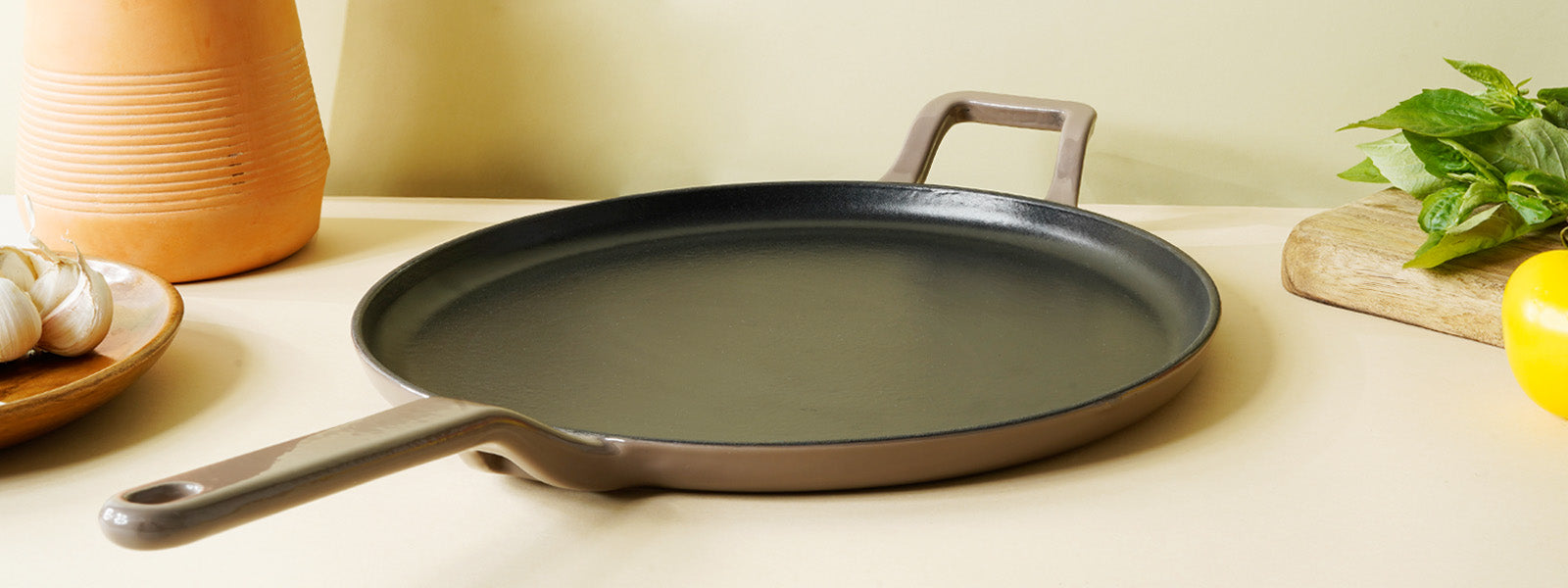
Add Enamelled Cast Iron Dosa Tawa to your kitchen this Diwali
2 Items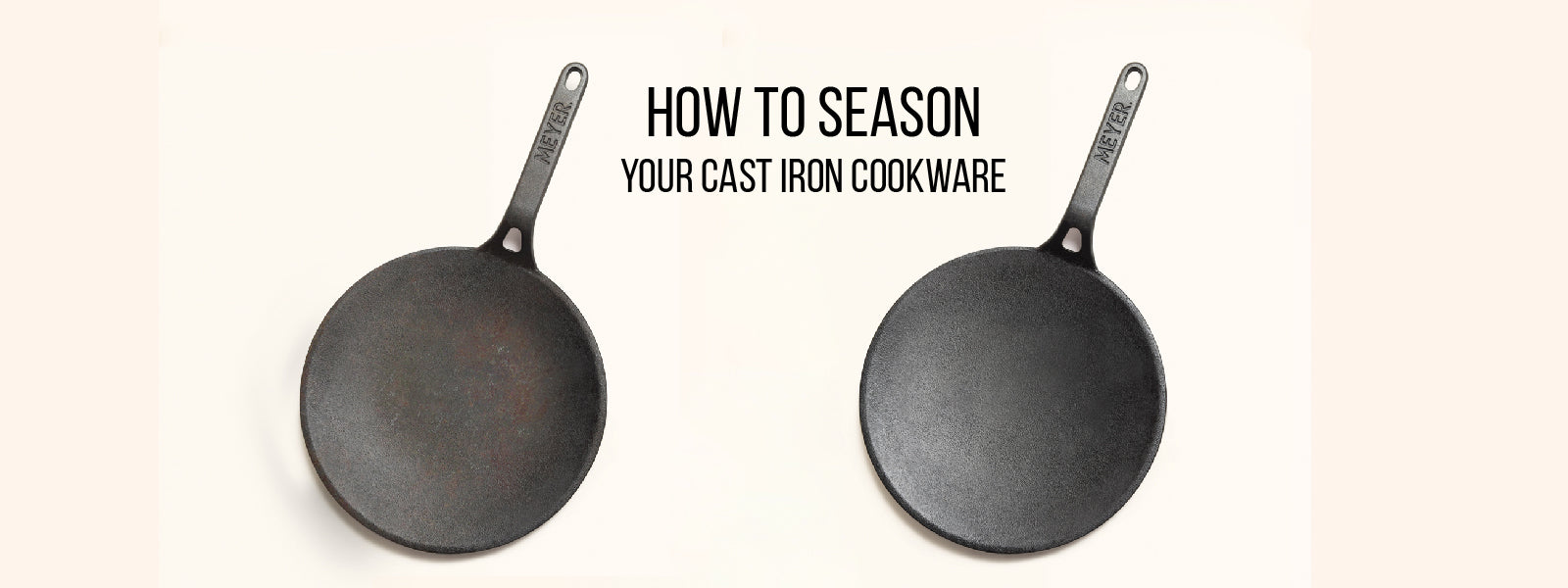
How To Season Cast Iron Cookware?
2 Items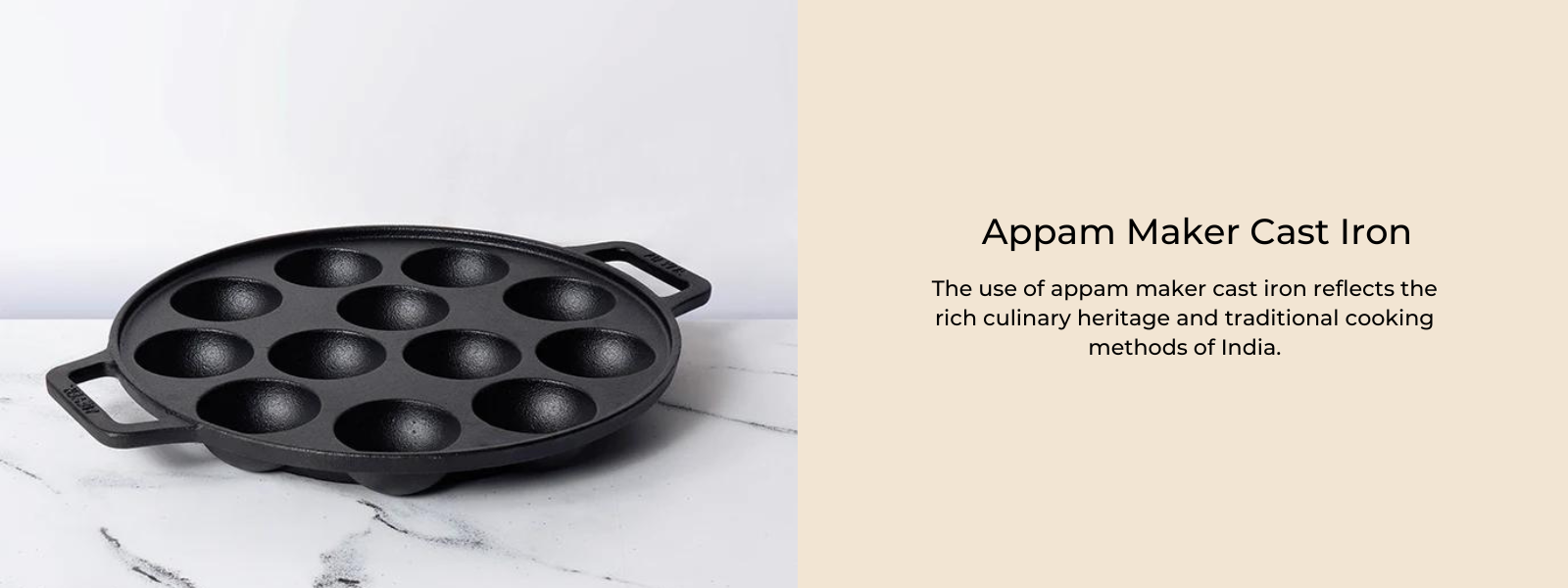
Appam Maker Cast Iron: Symbol Of Culinary Heritage
2 Items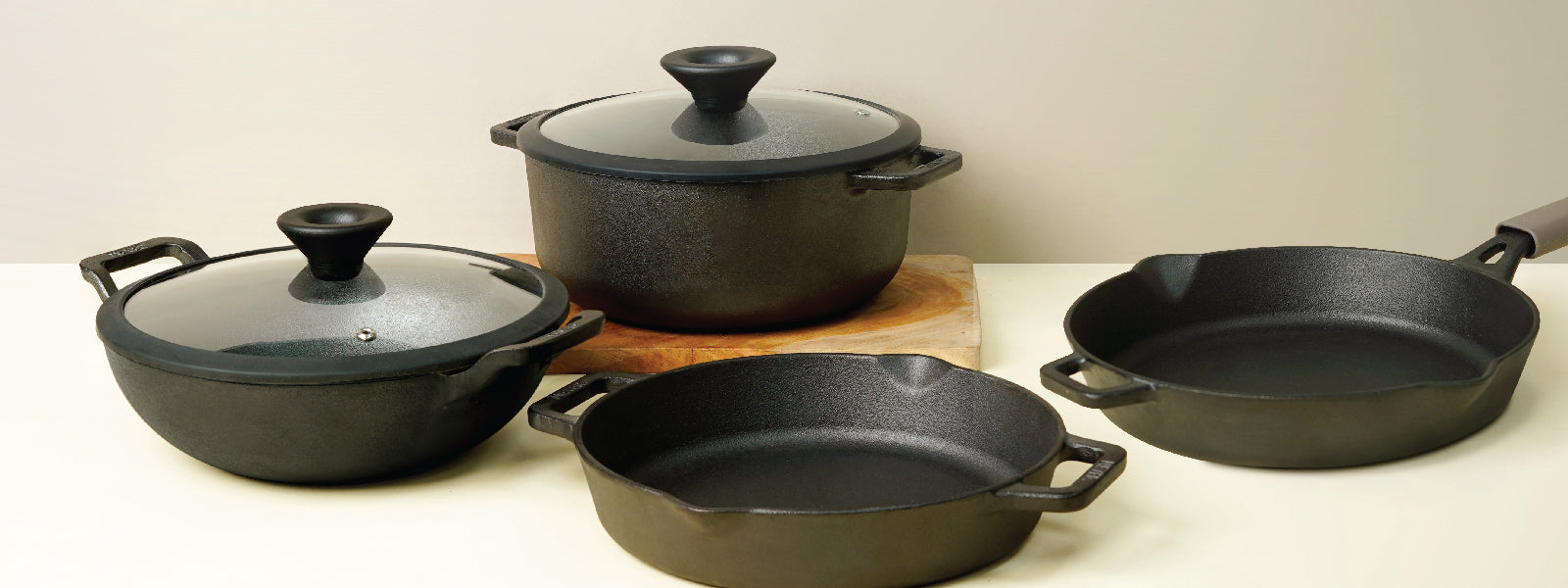
Benefits and Recipes for Cooking with a Cast Iron Kadai with Lid
2 Items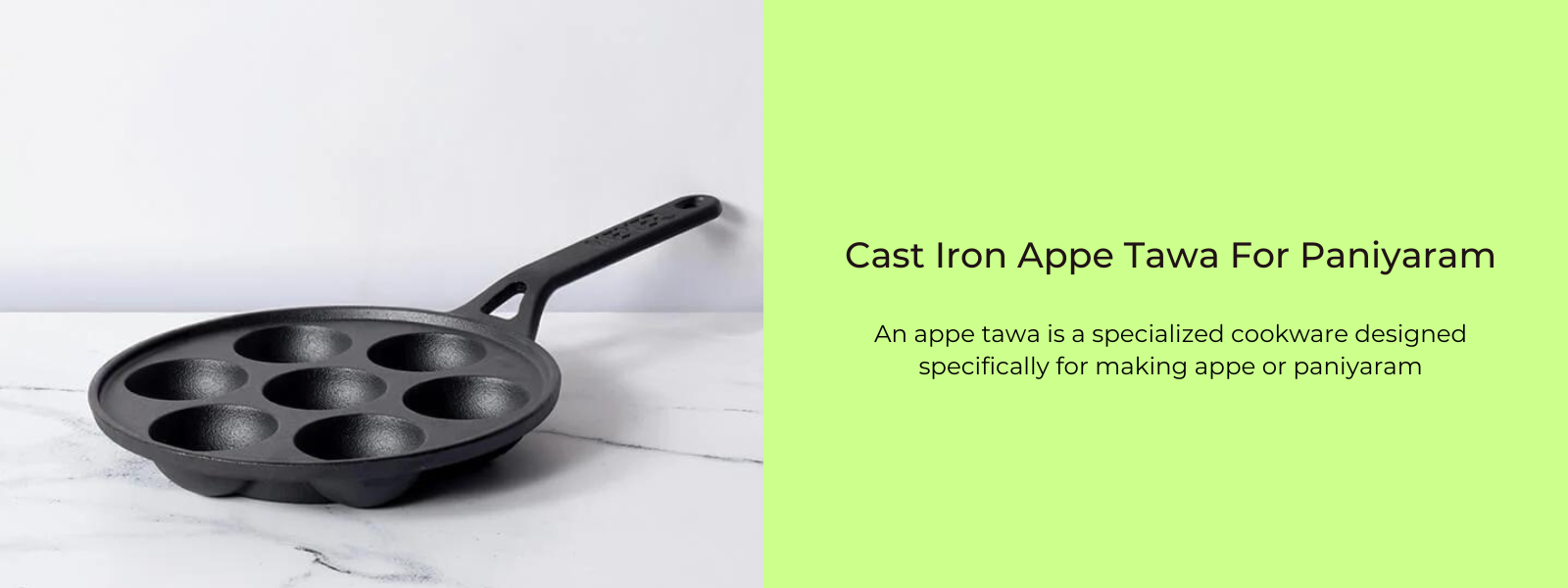
Best Cast Iron Appe Tawa For Paniyaram
2 Items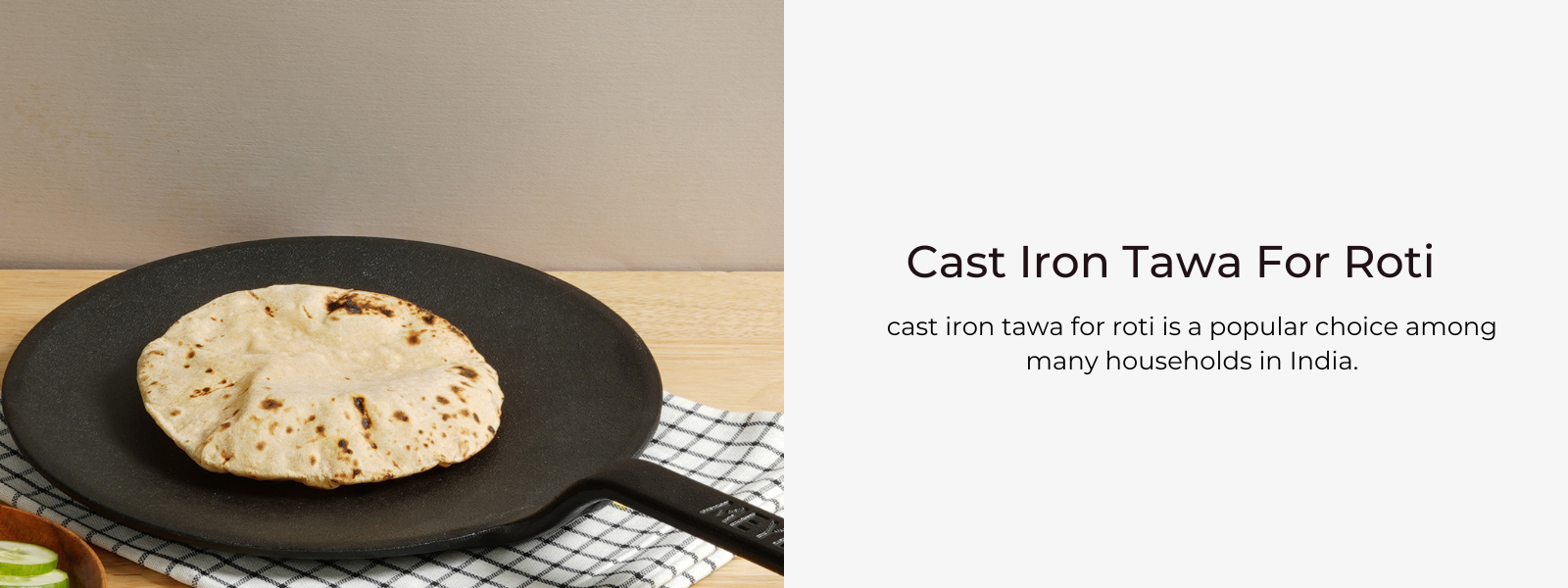
Best Cast Iron Tawa For Roti In India For Easy Cooking
2 Items


Leave a comment