



Slow-cooked Indian curries are built on patience. Whether it is a pot of rajma quietly simmering on a Sunday afternoon, a rich dal makhani cooked over hours, or a deeply spiced mutton curry, these dishes rely on steady heat, gradual reduction, and time for flavours to mature.
Cast iron cookware has long been trusted in Indian kitchens for this very reason. Today, modern pre-seasoned options like Meyer’s cast iron cookware bring back this traditional wisdom with the ease and reliability required for contemporary homes.
Table of Contents
- 1. Consistent Heat for Long, Gentle Cooking
- 2. Protects the Masala Base During Extended Simmering
- 3. Encourages Natural Thickening and Richer Flavour
- 4. Ideal for Curries That Taste Better Over Time
- 5. Supports Healthier, Low-Oil Cooking
- 6. Works Equally Well for Veg and Non-Veg Curries
- 7. Descriptive Conclusion
Consistent Heat for Long, Gentle Cooking
Cast iron heats slowly but retains warmth exceptionally well. This makes it ideal for curries that need to cook on low flame for extended periods without frequent stirring.
For Indian slow-cooked curries, this means:
-
No sudden temperature spikes
-
Even cooking from base to surface
-
Reduced risk of burning at the bottom
The thick construction of Meyer’s cast iron Dutch ovens ensures curries cook evenly, allowing lentils to soften fully and spices to release their flavours gradually.

Protects the Masala Base During Extended Simmering
The heart of any Indian curry is its masala. Thin cookware often creates hot spots that scorch onions, tomatoes, and spices during long cooking.
Cast iron distributes heat evenly across the cooking surface, helping:
-
Masalas cook slowly without charring
-
Tomatoes break down naturally
-
Spices blend smoothly without bitterness
This is especially important for gravies that simmer for an hour or more.
Meyer Enamel Cast Iron Flat Dosa Tawa, 28cm, Grey
Encourages Natural Thickening and Richer Flavour
Slow cooking is about letting moisture evaporate gradually while flavours concentrate. Cast iron supports this process beautifully.
As curries simmer in cast iron:
- Gravies thicken without added starches
- Flavours deepen and round out
- The aroma becomes more complex and balanced
Cooking in cast iron, especially in heavy Meyer cookware, results in curries that taste layered and restaurant-like, yet completely homemade.
Ideal for Curries That Taste Better Over Time
Many Indian curries improve after resting or reheating. Cast iron retains and redistributes heat gently, making reheating safer and more flavour-preserving.
This makes it perfect for:
-
Batch-cooked dals
-
Make-ahead gravies
-
Leftover curries enjoyed the next day
Instead of drying out or separating, curries remain cohesive and flavourful.
Supports Healthier, Low-Oil Cooking
A well-seasoned cast iron surface naturally reduces sticking, allowing curries to cook with less oil even over long durations.
Meyer’s pre-seasoned cast iron cookware helps home cooks:
-
Use oil more mindfully
-
Avoid chemical coatings
-
Cook safely over extended hours
This aligns well with modern Indian cooking habits that focus on balanced, wholesome meals.
Works Equally Well for Veg and Non-Veg Curries
From chole and paneer gravies to slow-cooked chicken and mutton curries, cast iron handles long cooking times without compromising texture.
The steady heat:
-
Keeps meats tender
-
Prevents proteins from toughening
-
Allows flavours to penetrate deeply
This makes cast iron a versatile choice for everyday as well as festive cooking.
Descriptive Conclusion: Why Cast Iron Belongs in Slow-Cooked Indian Cooking
Slow-cooked Indian curries are not rushed meals — they are experiences shaped by time, warmth, and care. Cast iron honours this process better than any other cookware by offering steady heat, deep flavour development, and reliability over long hours of cooking.
When a curry simmers gently in cast iron, the masala mellows, spices bloom, lentils soften perfectly, and gravies gain a richness that cannot be hurried. The pot becomes part of the cooking journey, holding heat patiently and allowing flavours to evolve naturally.
With modern, pre-seasoned options like Meyer’s cast iron cookware, this traditional style of cooking fits effortlessly into today’s kitchens. It brings together heritage and convenience, allowing home cooks to recreate authentic, slow-cooked Indian curries with confidence, consistency, and depth of flavour.
Cast iron is not just suitable for slow-cooked Indian curries — it is the cookware that lets them become what they are meant to be.
MORE FROM BLOG
Top Collections
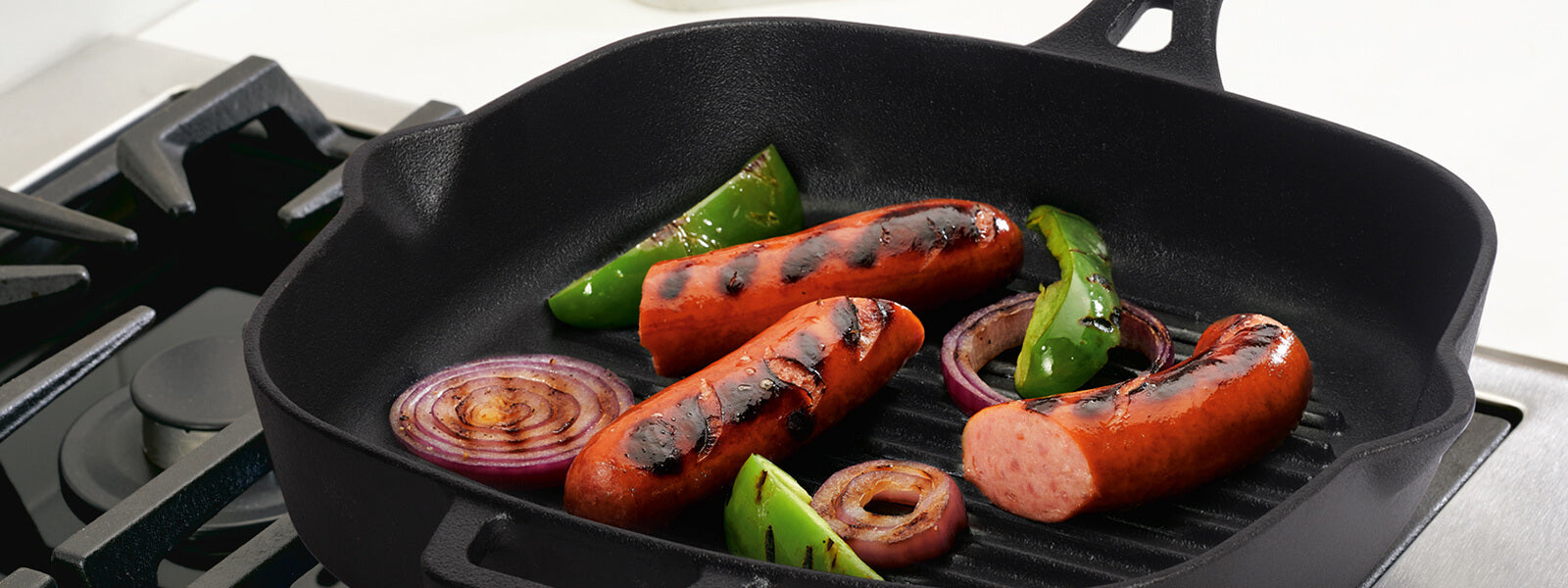
A-Z Guide To Cast Iron Cookware; Use & Utility
2 Items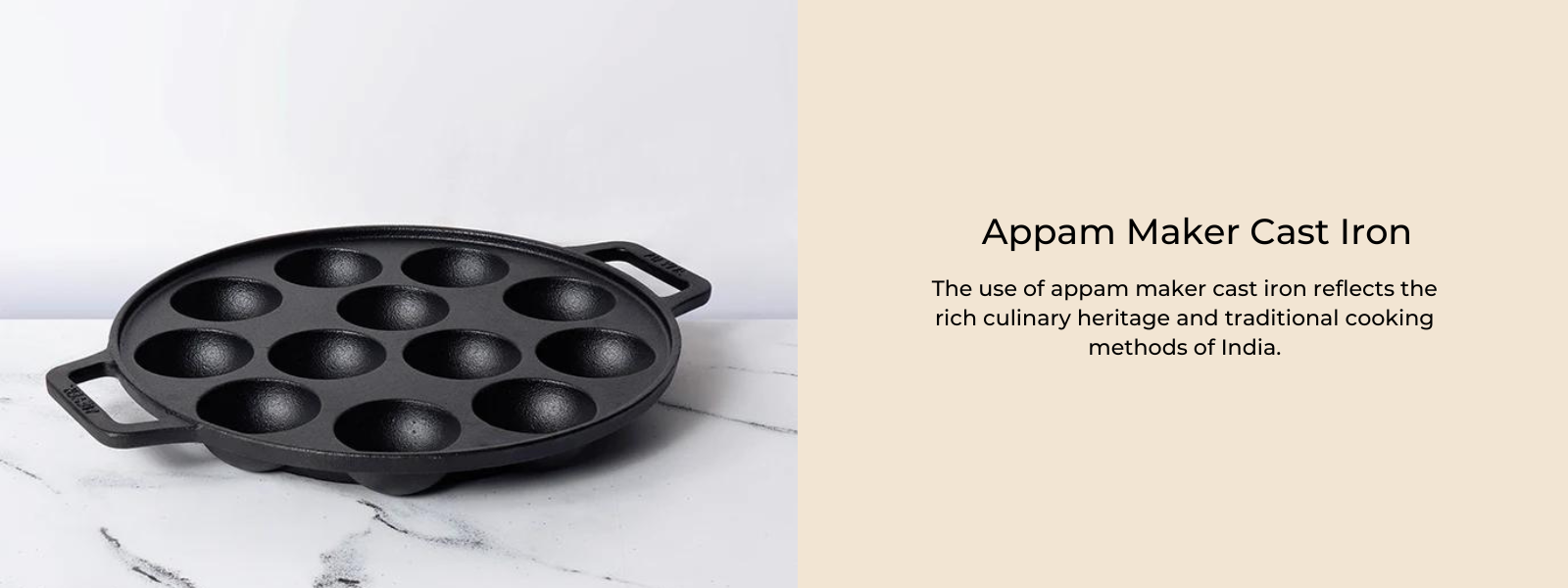
Appam Maker Cast Iron: Symbol Of Culinary Heritage
2 Items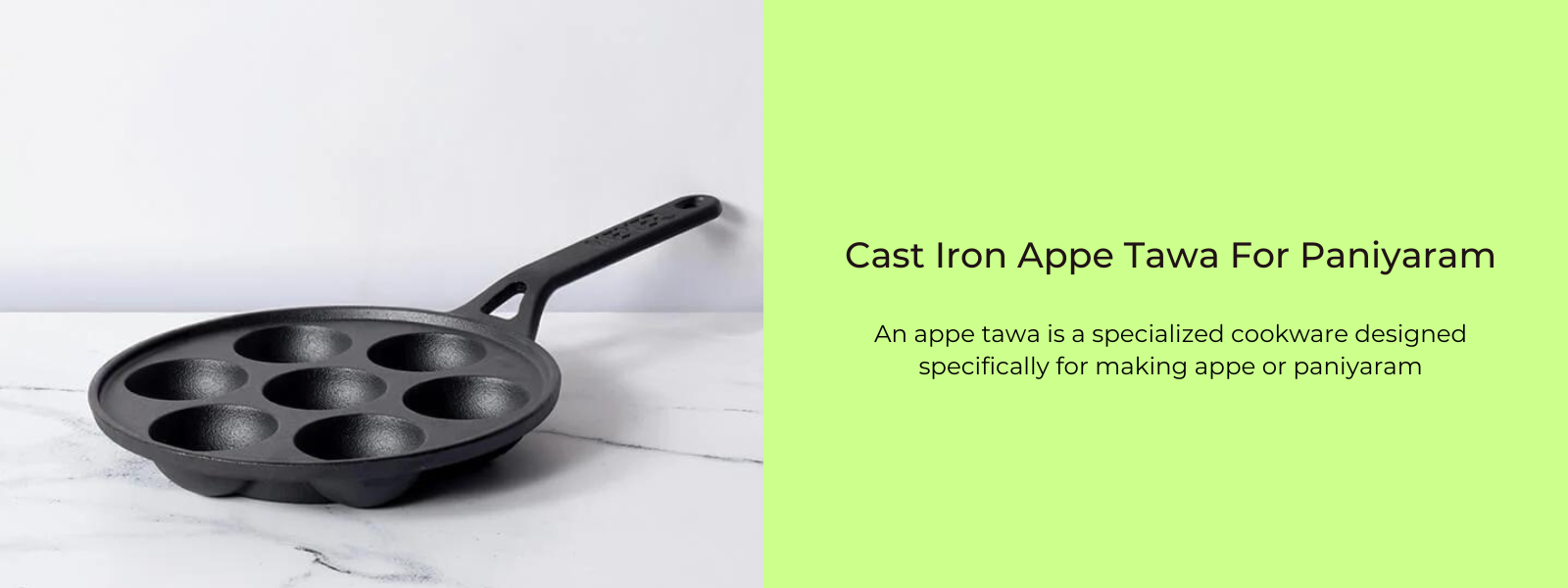
Best Cast Iron Appe Tawa For Paniyaram
2 Items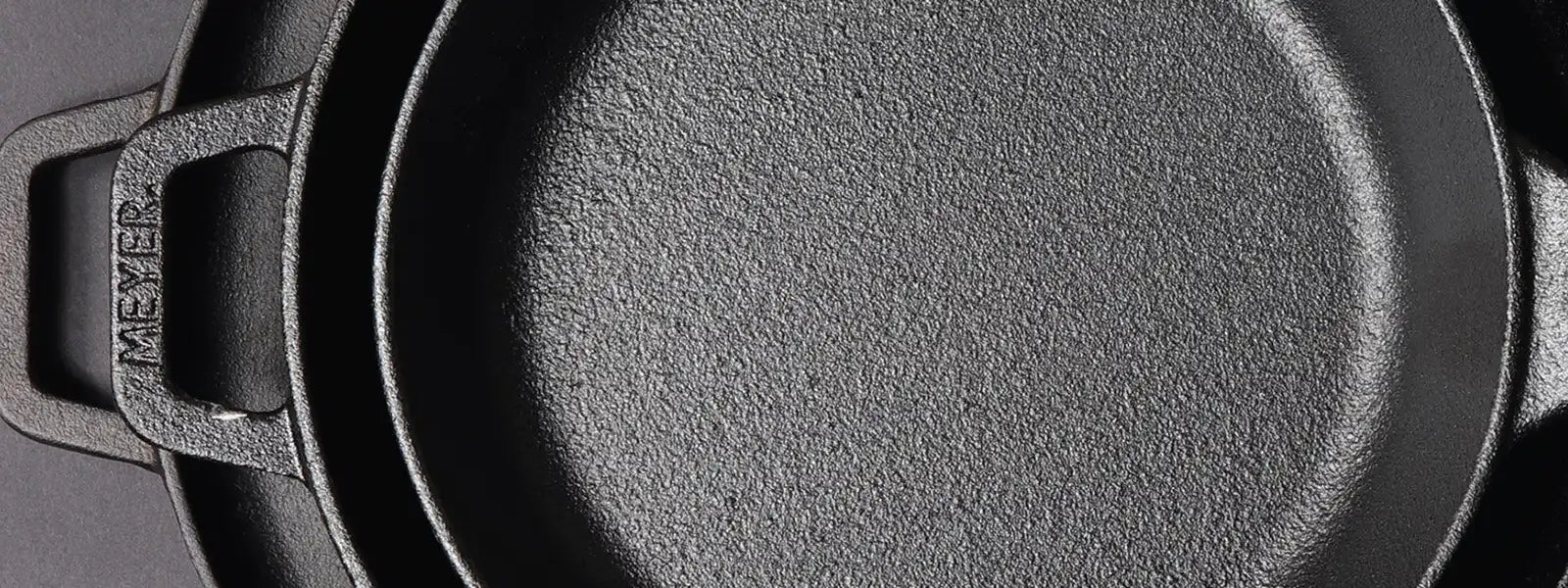
Cast Iron Skillet trusted and recommended by professional chefs
2 Items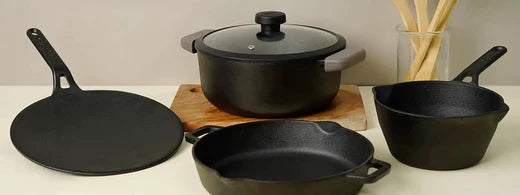
Is Cast Iron good for making Indian Curries and Sauces?
2 Items


Leave a comment