



Reheating leftovers is a daily routine in most Indian households. From dal and sabzi to rice, curries, and biryanis, Indian food is often prepared in batches and reheated carefully to preserve flavour and texture. However, not all cookware performs equally well during reheating. Choosing the right cookware plays a crucial role in preventing burning, drying, or loss of taste.
Ceramic cookware has emerged as a popular option for everyday cooking, but many people wonder whether it is suitable for reheating Indian food. The answer is yes — when used correctly, ceramic cookware can be one of the most effective and healthiest choices for reheating Indian meals.
Table of Contents
- 1. Why Reheating Indian Food Requires Special Care
- 2. How Ceramic Cookware Performs During Reheating
- 3. Best Ways to Reheat Indian Food in Ceramic Cookware
- 4. When Ceramic Cookware Should Not Be Used
- 5. Ceramic Cookware Compared to Other Materials for Reheating
- 6. Tips to Get the Best Results While Reheating
- 7. Why Ceramic Cookware Fits Indian Kitchens Well
- 8. Conclusion
Why Reheating Indian Food Requires Special Care
Indian dishes typically contain complex masalas, oils, and layered textures. Gravies are thick, dals are dense, and rice-based dishes can dry out quickly if reheated improperly. These characteristics demand cookware that offers even heat distribution, moisture retention, and gentle temperature control.
Ceramic cookware meets these requirements well, making it suitable for reheating a wide variety of Indian foods.

How Ceramic Cookware Performs During Reheating
Even Heat Distribution
Ceramic cookware distributes heat evenly across the surface, which is essential for reheating thick gravies and lentils. Even heat prevents food from scorching at the base while remaining cold at the top, a common issue with uneven cookware.
This is particularly helpful when reheating dishes like rajma, chole, sambhar, or paneer gravies.
Gentle Heat Control Preserves Texture
Ceramic cookware performs best at low to medium heat, which is ideal for reheating. Gentle heating helps preserve the original texture and consistency of food without drying it out or altering flavours.
Dishes such as dal, khichdi, and coconut-based curries benefit from this slow, controlled warming process.
Naturally Non-Stick Surface for Easy Stirring
Reheated food often requires occasional stirring to ensure uniform warmth. Ceramic cookware’s smooth, non-stick surface allows easy stirring without food sticking to the pan or breaking apart.
This makes it especially suitable for reheating vegetable sabzis, paneer dishes, and stir-fried leftovers.
Cookware ranges like Meyer Anzen ceramic cookware are designed with smooth ceramic coatings that support effortless stirring and food release during reheating.
Safe for Frequent Reheating
Ceramic cookware is free from harmful chemicals such as PFOA and PTFE. This makes it safe for frequent reheating, which is common in Indian homes. The ceramic coating remains stable at normal reheating temperatures and does not release toxins when used correctly.
This is particularly important when reheating food for children, elders, or health-conscious family members.
Meyer Anzen Ceramic Coated Cookware 24cm Sauteuse with Lid
Best Ways to Reheat Indian Food in Ceramic Cookware
Reheating Dal and Gravies
Add a small amount of water to the dish and reheat on low flame while stirring occasionally. This prevents thick gravies from sticking or splitting.
Reheating Rice and Biryani
Sprinkle a little water over the rice, cover with a lid, and heat slowly. The steam helps restore moisture and keeps the rice soft.
Reheating Vegetable Sabzis
Warm the pan gently, add the sabzi, and stir occasionally. Ceramic cookware prevents vegetables from sticking even with minimal oil.
Reheating Paneer or Tofu Dishes
Use low heat and avoid excessive stirring. Ceramic cookware allows gentle reheating without damaging delicate textures.
When Ceramic Cookware Should Not Be Used
Ceramic cookware is excellent for reheating, but it should not be used for very high-heat tasks such as deep frying or intense searing. It is also important to follow manufacturer guidelines regarding microwave or oven use, especially if the cookware has a metal base.
Ceramic Cookware Compared to Other Materials for Reheating
Stainless steel cookware is durable but may require more stirring and careful heat control to prevent sticking. Traditional non-stick pans offer easy release but may degrade over time with repeated reheating. Cast iron retains heat well but is heavy and less convenient for quick reheating.
Ceramic cookware offers a balanced alternative with even heat, ease of use, and safer coatings for daily reheating needs.
Tips to Get the Best Results While Reheating
Always start with low heat and increase gradually if needed. Use a lid to retain moisture and warmth. Add small amounts of water or stock to prevent dryness. Stir gently and avoid overheating. Clean the cookware soon after use to maintain the ceramic surface.
Meyer Anzen ceramic cookware is designed to support these practices, making everyday reheating simple and efficient.
Why Ceramic Cookware Fits Indian Kitchens Well
Indian cooking involves a variety of textures and flavours, and ceramic cookware adapts well to this diversity. It allows reheating with minimal oil, preserves original taste, and simplifies cleanup. Its versatility makes it suitable for daily use across different types of Indian meals.
Conclusion
Ceramic cookware is well suited for reheating Indian food when used at the right temperature and with proper care. Its even heat distribution, gentle warming ability, and non-stick surface help preserve flavour, texture, and moisture in leftovers.
For Indian households that regularly reheat curries, dals, rice, and sabzis, ceramic cookware offers a practical and healthier solution. Thoughtfully designed options such as Meyer Anzen ceramic cookware make reheating easier, safer, and more consistent, helping families enjoy their meals just as they were meant to be.
MORE FROM BLOG
Top Collections
Bakeware Materials Explained: Aluminum, Glass, Ceramic, and More
2 Items
Can Ceramic Cookware Be Used for Breakfast and Light Meals?
2 Items
Health Benefits Of Cooking In Ceramic Cookware
2 Items
How Does Ceramic Cookware Help With Even Cooking in Indian Kitchens?
2 Items
Know your Ceramic Cookware better
2 Items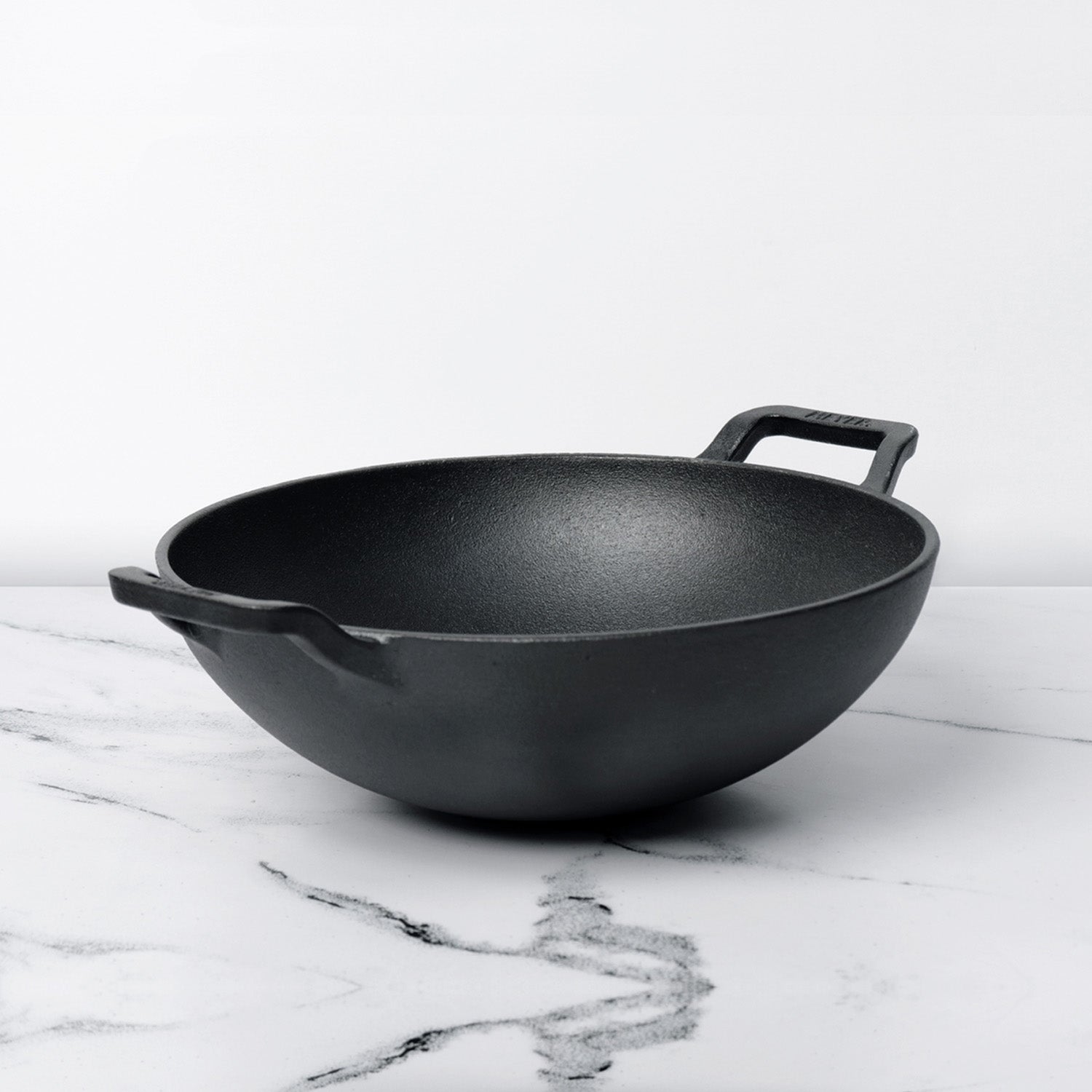


Leave a comment