



Scratches on non-stick cookware are common, especially in busy Indian kitchens where pans are used daily for sabzi, dosa, omelettes, parathas, and tadka. Over time, even careful handling can result in visible marks on the surface.
But an important question arises: is scratched non-stick cookware still usable — and is it safe?
The answer depends on the severity of the scratches, the condition of the coating, and how the pan is performing.
Let’s break this down clearly and practically.
Table of Contents
- 1. Understanding What “Scratched” Really Means
- 2. Is It Safe to Use Scratched Non-Stick Cookware?
- 3. How Scratches Affect Indian Cooking
- 4. Why Scratches Happen Faster in Indian Kitchens
- 5. When Should You Replace a Scratched Non-Stick Pan?
- 6. Can You “Fix” Scratched Non-Stick Coating?
- 7. How to Prevent Further Damage
- 8. Is It Worth Replacing Immediately?
- 9. Final Verdict
Understanding What “Scratched” Really Means
Not all scratches are the same. There are generally three levels of surface damage:
1. Light Surface Marks
These are faint lines caused by utensils or stacking. The surface still feels mostly smooth, and food releases easily.
Usability: Usually still safe and usable.
Performance: May not be significantly affected.
2. Visible Scratches With Slight Roughness
These scratches are more noticeable. The surface may feel uneven in certain spots, and minor sticking may occur.
Usability: Still usable, but performance may decline.
Performance: Oil usage may increase; cleaning may require more effort.
3. Deep Scratches, Peeling, or Flaking
If the coating is peeling, flaking, or exposing the metal underneath, this is a different situation.
Usability: Not recommended.
Performance: Food sticks frequently, heating becomes uneven.
Once peeling begins, replacement is advisable.

Is It Safe to Use Scratched Non-Stick Cookware?
Modern non-stick cookware is typically made with coatings designed to be stable at normal cooking temperatures. Minor scratches do not automatically make a pan unsafe.
However, if the coating is:
-
Peeling visibly
-
Flaking into food
-
Severely chipped
It is best to replace the cookware.
For light to moderate scratches without peeling, the pan can still be used safely for everyday Indian recipes — but with caution.
How Scratches Affect Indian Cooking
Indian cooking involves a variety of textures and temperatures. Here’s how scratches may impact specific dishes:
Rotis and Dosas
Light scratches may not cause major problems. However, rough areas can lead to sticking or uneven browning.
Sabzi and Stir-Fry
Minor surface wear may require slightly more oil to prevent sticking.
Tadka
Since tadka involves heating oil and spices quickly, scratched surfaces may heat unevenly if the base is compromised.
If performance noticeably declines, it may be time to consider replacement.
Why Scratches Happen Faster in Indian Kitchens
Indian cooking practices can accelerate surface wear due to:
Frequent daily use
Medium-to-high heat cooking
Use of metal spatulas for flipping
Stacking cookware in compact cabinets
Aggressive scrubbing after masala-heavy dishes
Even high-quality cookware from trusted brands like Meyer can develop scratches if exposed to these habits over time.
That said, premium ranges often use stronger multi-layer coatings and thicker bases to reduce rapid degradation.
When Should You Replace a Scratched Non-Stick Pan?
Replace your pan if you notice:
Food sticking persistently despite proper heat
Large exposed metal areas
Warping or uneven base
Coating peeling into food
Discoloration combined with rough texture
If the pan still heats evenly and releases food with minor adjustments, it can continue to be used.
However, once peeling starts, replacement is the safer option.
Can You “Fix” Scratched Non-Stick Coating?
Unfortunately, no.
Unlike cast iron, non-stick coating cannot be re-seasoned or restored once damaged. Any product claiming to “repair” scratched non-stick surfaces is unlikely to restore original performance.
At best, you can slow further damage by:
Switching to silicone or wooden utensils
Lowering heat levels
Avoiding abrasive cleaning
Using gentle oil layering
But scratches themselves cannot be reversed.
How to Prevent Further Damage
If your pan has minor scratches but is still usable, adopt these protective habits immediately:
Cook at medium heat rather than high.
Avoid metal spatulas entirely.
Let the pan cool before washing.
Use a soft sponge only.
Store with padding between cookware.
These steps can extend the remaining life of the pan.
Is It Worth Replacing Immediately?
If the scratches are light and performance remains good, immediate replacement is not necessary.
However, if you cook multiple meals daily and rely heavily on non-stick convenience, upgrading to a new high-quality pan may improve cooking consistency and reduce frustration.
In Indian kitchens where cooking is frequent, replacing non-stick cookware every 2–4 years is completely normal.
Final Verdict
Light scratches on non-stick cookware do not automatically make it unsafe or unusable for Indian recipes. If the coating is intact, not peeling, and food still releases reasonably well, you can continue using it.
However, deep scratches, flaking, exposed metal, or persistent sticking are clear signs that replacement is the better option.
Non-stick cookware is designed for performance and convenience — not lifetime durability. With proper care, it can serve Indian kitchens efficiently for years. Once the coating integrity is compromised significantly, it is time to invest in a new pan.
MORE FROM BLOG
Top Collections

Best Non Stick Dosa Tawa For Daily Cooking
2 Items
How Nonstick Cookware Promotes Healthier Eating Habits
2 Items
How to turn cast iron into non-stick cookware
2 Items
Non-Stick Bakeware for Health-Conscious Baking: A Guide
2 Items
Non-Stick Cookware: The Best Choice for Low-Fat Cooking
2 Items
Nonstick Cookware: A Practical Solution for Health-Conscious Cooks
2 Items
Nonstick Cookware: Enhancing Cooking Efficiency and Weight Loss Results
2 Items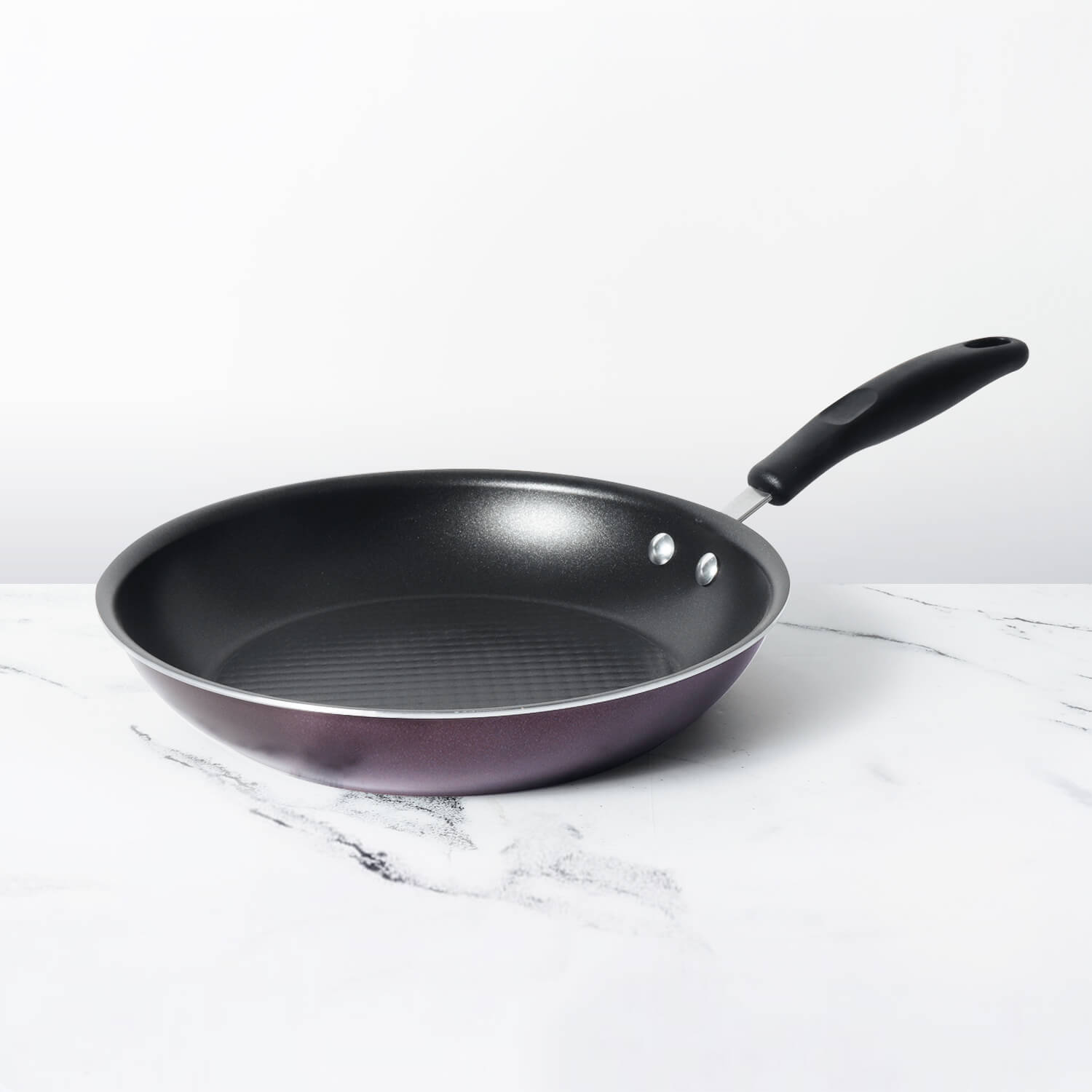


Leave a comment