



Choosing the right cookware is about more than convenience—it's about preparing healthy, delicious meals for your family. Among the most popular options today are triply stainless steel cookware and non-stick cookware, each offering unique advantages.
A common question many home cooks ask is: Is triply cookware healthier than non-stick?
The answer depends on how you cook, the type of cookware you use, and your long-term cooking needs. In this guide, we'll compare triply and non-stick cookware from a health, safety, and performance perspective, helping you make an informed decision. We'll also explore why premium cookware like Meyer Trivantage has become a preferred choice for health-conscious kitchens.
Table of Contents
- 1. Understanding Triply Cookware
- 2. Understanding Non-Stick Cookware
- 3. Which Cookware Is Healthier?
- 4. Does Triply Cookware Contain Any Chemical Coating?
- 5. Is Non-Stick Cookware Unsafe?
- 6. Which Cookware Lasts Longer?
- 7. Which Cookware Is Better for High-Heat Cooking?
- 8. Which Cookware Requires Less Oil?
- 9. Which Cookware Is Better for Everyday Indian Cooking?
- 10. Why Choose Meyer Trivantage Triply Cookware?
- 11. Should You Choose Triply or Non-Stick?
- 12. Conclusion
Understanding Triply Cookware
Three-layer bonded construction
Triply cookware is made by permanently bonding three layers of metal into one durable cooking vessel. The inner layer is made of premium 304 food-grade stainless steel that is non-reactive and safe for cooking all types of ingredients. A thick aluminium core forms the middle layer, distributing heat evenly across the cookware and eliminating hot spots for consistent cooking. The outer layer is magnetic stainless steel, which adds strength and makes the cookware compatible with induction, gas, ceramic, and electric cooktops. This unique construction delivers excellent cooking performance without relying on any synthetic coating.

Understanding Non-Stick Cookware
Coated cooking surface
Non-stick cookware features a specially coated cooking surface that prevents food from sticking. The coating allows food to release easily, making it ideal for cooking delicate foods like eggs, pancakes, and fish while using less oil.
Modern premium non-stick cookware from trusted brands is manufactured using PFOA-free coatings and is considered safe when used according to the manufacturer's instructions. However, because the cooking performance depends on the integrity of the coating, proper use and care are essential.
Which Cookware Is Healthier?
Comparing long-term health benefits
From a long-term health perspective, triply cookware offers several advantages. Since the cooking surface is made entirely of food-grade stainless steel, there is no coating to wear away over time. The surface remains stable even after years of regular cooking and is suitable for preparing acidic foods such as tomatoes, tamarind, lemon, and vinegar-based dishes. Triply cookware also allows you to cook confidently at higher temperatures without worrying about damaging a coating.
Modern non-stick cookware is also safe for everyday cooking when it is manufactured by reputable brands and used within the recommended temperature range. However, over many years of use, the coating can gradually wear due to repeated cooking, cleaning, or the use of metal utensils. Once the coating becomes damaged, it is generally recommended to replace the cookware.
For households looking for a durable cookware solution that maintains its cooking surface for years, triply cookware is often the preferred choice.
Does Triply Cookware Contain Any Chemical Coating?
Naturally durable cooking surface
No. Triply cookware relies entirely on its stainless steel cooking surface and layered metal construction. There is no synthetic non-stick coating, which means there is nothing to peel, chip, or flake during everyday use. This makes triply cookware especially appealing to people who prefer cookware made primarily from metal rather than coated surfaces.
Is Non-Stick Cookware Unsafe?
Understanding the facts
Not necessarily. There is a common misconception that all non-stick cookware is unsafe. In reality, high-quality modern non-stick cookware produced by established manufacturers follows strict safety standards.
When used correctly, non-stick cookware is perfectly suitable for everyday cooking. To maintain its performance, avoid overheating the cookware, use silicone, nylon, or wooden utensils to protect the coating, and replace the cookware if the coating becomes heavily scratched, chipped, or starts peeling.
Which Cookware Lasts Longer?
Durability comparison
Triply cookware is designed for exceptional longevity. Its layered metal construction remains intact through years of daily cooking and regular washing. With proper care, premium triply cookware can last for decades without losing its cooking performance.
Non-stick cookware generally has a shorter lifespan because the coating naturally experiences wear over time, even with careful use. For those looking at cookware as a long-term investment, triply stainless steel cookware often provides greater value.
Which Cookware Is Better for High-Heat Cooking?
Performance under high temperatures
Triply cookware performs exceptionally well at medium and high temperatures. It is well suited for searing vegetables, browning paneer, stir-frying, deep frying, making curries, slow cooking, preparing gravies, and tempering spices. The stainless steel cooking surface remains stable under high heat while the aluminium core distributes heat evenly.
Non-stick cookware performs best at low to medium temperatures and is generally recommended for recipes that do not require intense searing.
Which Cookware Requires Less Oil?
Oil usage comparison
Non-stick cookware has a clear advantage when cooking with minimal oil because food naturally releases from its coated surface.
Triply cookware may require slightly more oil, especially for beginners. However, once the cookware is properly preheated and the correct cooking techniques are followed, many foods release naturally from the stainless steel surface, making healthy cooking easy without excessive oil.
Which Cookware Is Better for Everyday Indian Cooking?
Versatility for Indian recipes
Indian cooking often involves high temperatures, extended simmering, roasting spices, and cooking acidic gravies. Triply cookware handles these cooking styles exceptionally well because it distributes heat evenly and remains stable throughout long cooking sessions.
It is ideal for preparing dal, rajma, chole, paneer dishes, vegetable curries, sambhar, khichdi, pulao, stir-fries, and deep-fried snacks.
Non-stick cookware complements these tasks by being excellent for dishes like dosas, omelettes, pancakes, and lightly sautéed vegetables.
Many experienced home cooks choose to keep both types of cookware in their kitchens for different purposes.
Why Choose Meyer Trivantage Triply Cookware?
Engineered for healthy everyday cooking
For families seeking premium stainless steel cookware, Meyer Trivantage offers an excellent balance of performance, durability, and healthy cooking.
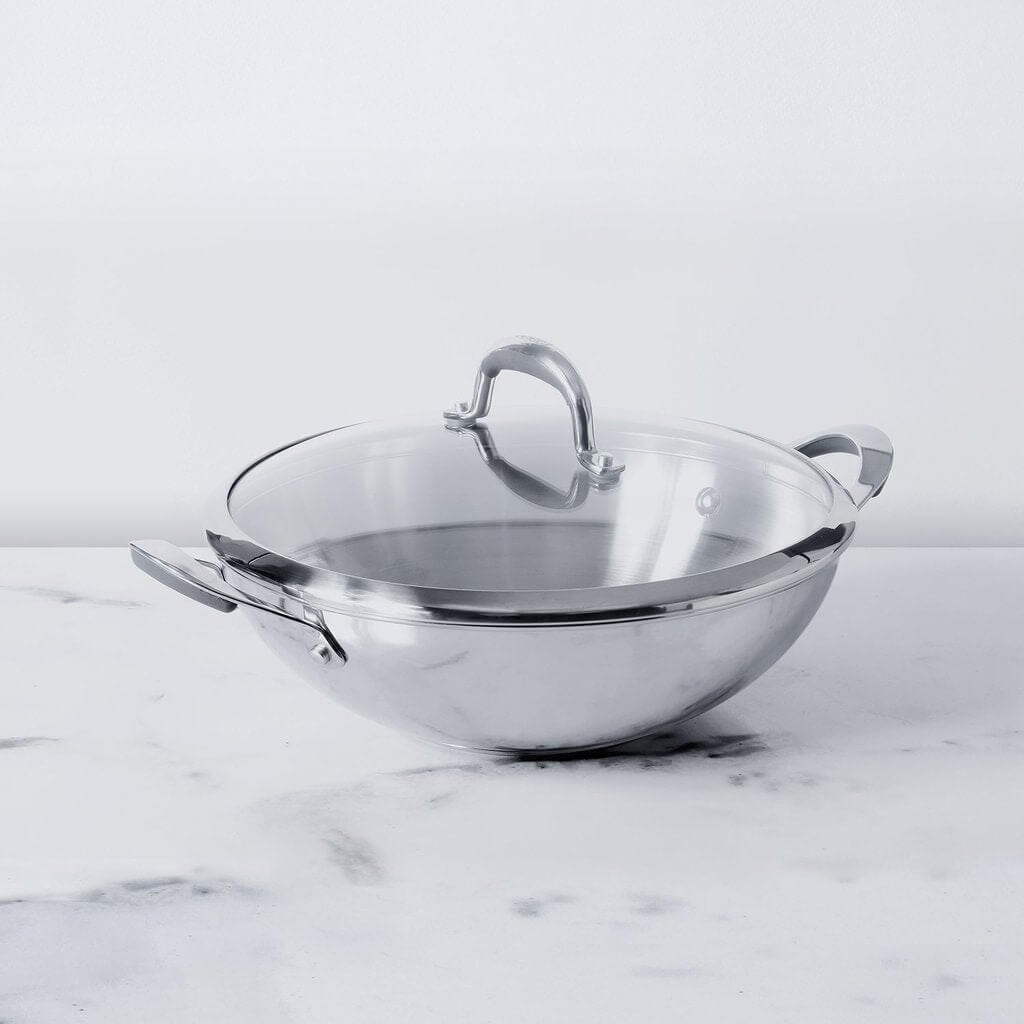
Its full-body triply construction ensures even heat distribution across both the base and side walls, reducing hot spots and improving cooking consistency. The cookware features a food-grade stainless steel interior for safe everyday cooking, a thick aluminium core for rapid and uniform heating, and a magnetic stainless steel exterior that is compatible with induction, gas, ceramic, and electric cooktops.
Strong riveted handles provide stability, while the elegant brushed finish complements modern kitchens. Whether you're preparing everyday meals or elaborate festive recipes, Meyer Trivantage is built to deliver reliable results for years to come.
Should You Choose Triply or Non-Stick?
Making the right choice
The right cookware depends on your cooking style.
If your priority is long-lasting durability, healthy cooking, excellent heat distribution, and versatility across a wide range of recipes, triply cookware is an outstanding investment.
If your focus is cooking delicate foods with minimal oil and easy food release, high-quality non-stick cookware remains a practical choice.
Many modern kitchens include both, using triply cookware for everyday cooking and non-stick cookware for specialised recipes.
Conclusion
Both triply and modern non-stick cookware can be safe choices when purchased from trusted brands and used correctly. However, triply cookware stands out for its long-lasting stainless steel cooking surface, absence of synthetic coatings, exceptional durability, and ability to handle a wide variety of cooking techniques.
For households seeking cookware that supports healthy everyday cooking while delivering consistent performance year after year, triply stainless steel cookware is a smart investment.
With thoughtfully engineered collections like Meyer Trivantage, you enjoy the benefits of premium triply construction, even heat distribution, durable craftsmanship, and reliable performance, making it an excellent companion for every Indian kitchen.
MORE FROM BLOG
Top Collections

Can Stainless Steel Cookware Go in the Oven? Everything You Need to Know
2 Items
Can Stainless Steel Cookware Last for Decades?
2 Items
Can Stainless Steel Cookware Replace Non-Stick Pans?
2 Items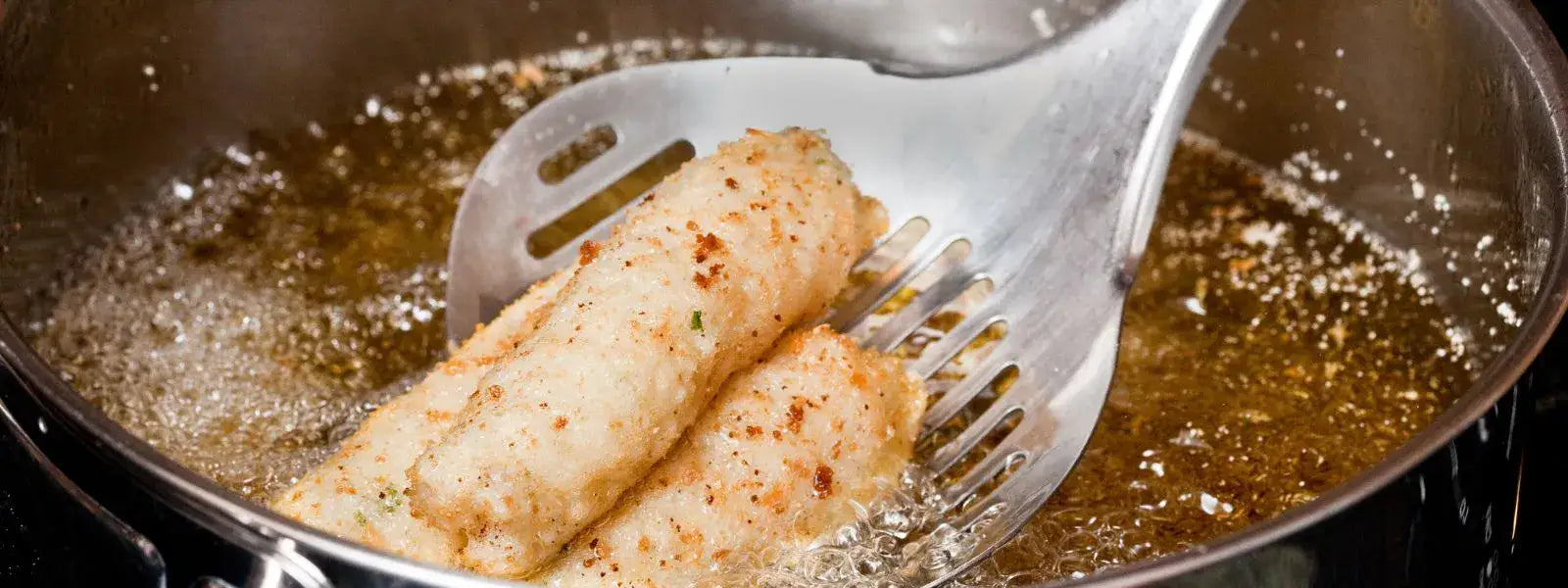
Can stainless steel pan be used for Deep Frying?
2 Items
Can TriVantage Cookware Replace Traditional Non Stick Pans?
2 Items
Can You Use TriVantage Cookware on Induction Cooktops?
2 Items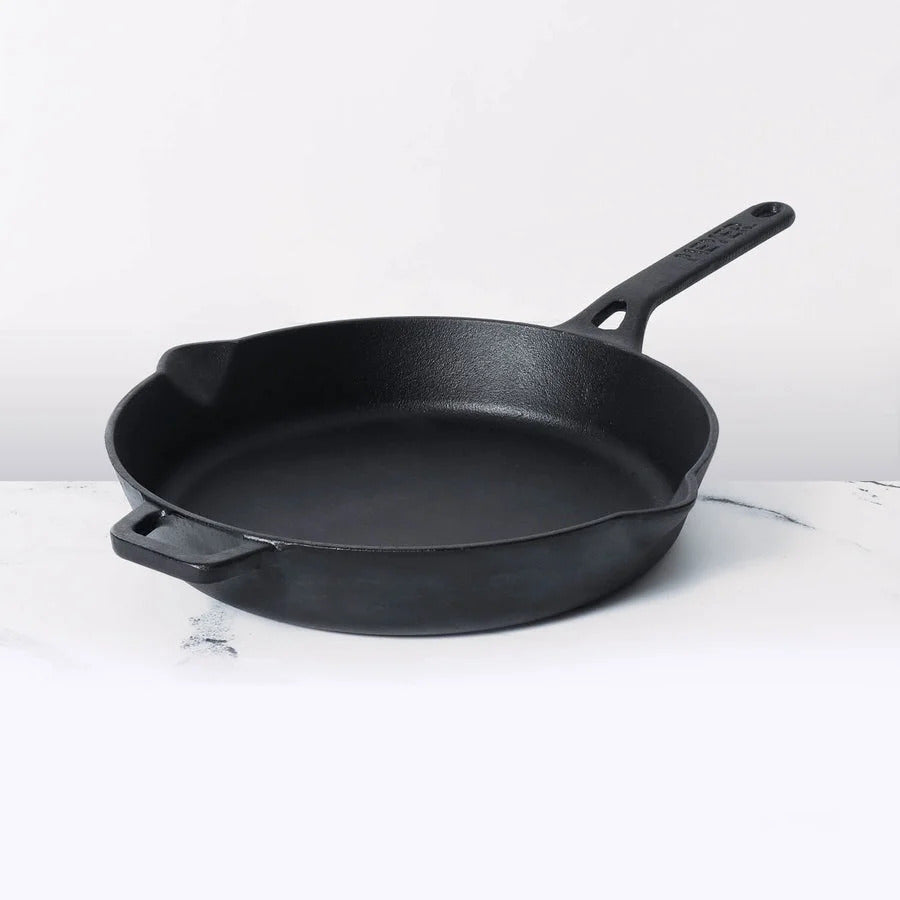


Leave a comment