



Biryani is a celebration in itself—layered rice, aromatic spices, tender vegetables or meat, and that unmistakable fragrance when the lid is lifted. Traditionally, biryani is slow-cooked using the dum method, but modern kitchens and busy schedules have made pressure cooking biryani a popular alternative.
When done right, pressure-cooked biryani can be just as flavourful, fluffy, and well-layered as the traditional version. The key lies in technique, timing, and the right cookware.
Table of Contents
- 1. Why Pressure Cook Biryani?
- 2. Choose the Right Pressure Cooker First
- 3. Rice Preparation
- 4. Perfecting the Biryani Base (Masala)
- 5. Layering Matters More in Pressure Cooking
- 6. Water Ratio: Less Is More
- 7. Number of Whistles: Critical Control Point
- 8. Let It Rest Before Opening
- 9. Tadka and Finishing Touches
- 10. Common Pressure Biryani Mistakes to Avoid
- 11. Conclusion
Why Pressure Cook Biryani?
Pressure cooking helps:
- Lock in flavours quickly
- Cook rice and vegetables evenly
- Reduce cooking time without sacrificing taste
- Retain moisture and aroma
However, because biryani is delicate, even small mistakes can lead to mushy rice or undercooked flavours. That’s why precision matters.
A good pressure cooker ensures even heat distribution, proper sealing, and controlled pressure—essential for biryani. Tri-ply stainless steel pressure cookers, like the Meyer Presta Tri-Ply Pressure Cooker, are especially effective because they heat evenly from base to sides. This prevents burning at the bottom while allowing the biryani to cook uniformly. Avoid lightweight or thin-base cookers, as they tend to create hot spots that can scorch masala and spoil the dish. MEYER Presta 4L Tri-ply Pressure Pan
Always wash basmati rice thoroughly and soak it for at least 20–30 minutes. Soaked rice cooks faster and expands evenly under pressure. Use long-grain basmati rice for best results, as it holds its shape better during pressure cooking. Start by sautéing whole spices like bay leaf, cardamom, cloves, and cinnamon in ghee or oil. Use a wide, heavy-bottomed pressure cooker so the masala spreads evenly and cooks without sticking. Meyer stainless steel cookware offers excellent control at this stage, allowing spices and onions to brown evenly without burning. Unlike dum biryani, pressure-cooked biryani relies heavily on correct layering. First, spread the cooked masala evenly at the base. Then add vegetables or protein, followed by partially cooked rice. Avoid excessive stirring once layers are formed, as this can break the rice grains. One of the most common mistakes in pressure cooking biryani is adding too much water. Because pressure cooking traps steam: Use less water than regular cooking Typically, 1:1 or slightly less water-to-rice ratio works best This ensures fluffy, separate grains instead of soggy biryani. For vegetable biryani: For paneer or protein-based biryani: Meyer pressure cookers are designed for precise pressure control, making it easier to stop cooking at the right moment. Once the pressure releases naturally, let the biryani rest for 5–10 minutes before opening the lid. This helps flavours settle and prevents moisture from escaping too quickly. Gently fluff with a fork instead of stirring vigorously. A final drizzle of saffron milk, ghee, or fried onions enhances aroma and appearance. If needed, you can prepare a quick tempering in a small stainless steel saucepan and pour it over the biryani before serving. Skipping rice soaking Adding too much water Stirring after layering Overcooking with extra whistles Using thin or uneven cookware High-quality cookware makes these steps easier to manage and more forgiving. Pressure cooking biryani is not a shortcut—it’s a smart technique when done correctly. With proper layering, precise water control, and reliable cookware like Meyer tri-ply stainless steel pressure cookers, you can enjoy rich, aromatic biryani with perfectly cooked rice every single time. The right tools, paired with thoughtful technique, turn pressure-cooked biryani into a dish worthy of any celebration. 
Choose the Right Pressure Cooker First
Rice Preparation: The Foundation of Good Biryani
Perfecting the Biryani Base (Masala)
Layering Matters More in Pressure Cooking
Water Ratio: Less Is More
Number of Whistles: Critical Control Point
Let It Rest Before Opening
Tadka and Finishing Touches
Common Pressure Biryani Mistakes to Avoid
Conclusion
MORE FROM BLOG
Top Collections

Best Handi Pressure Cookers for Traditional Cooking
2 Items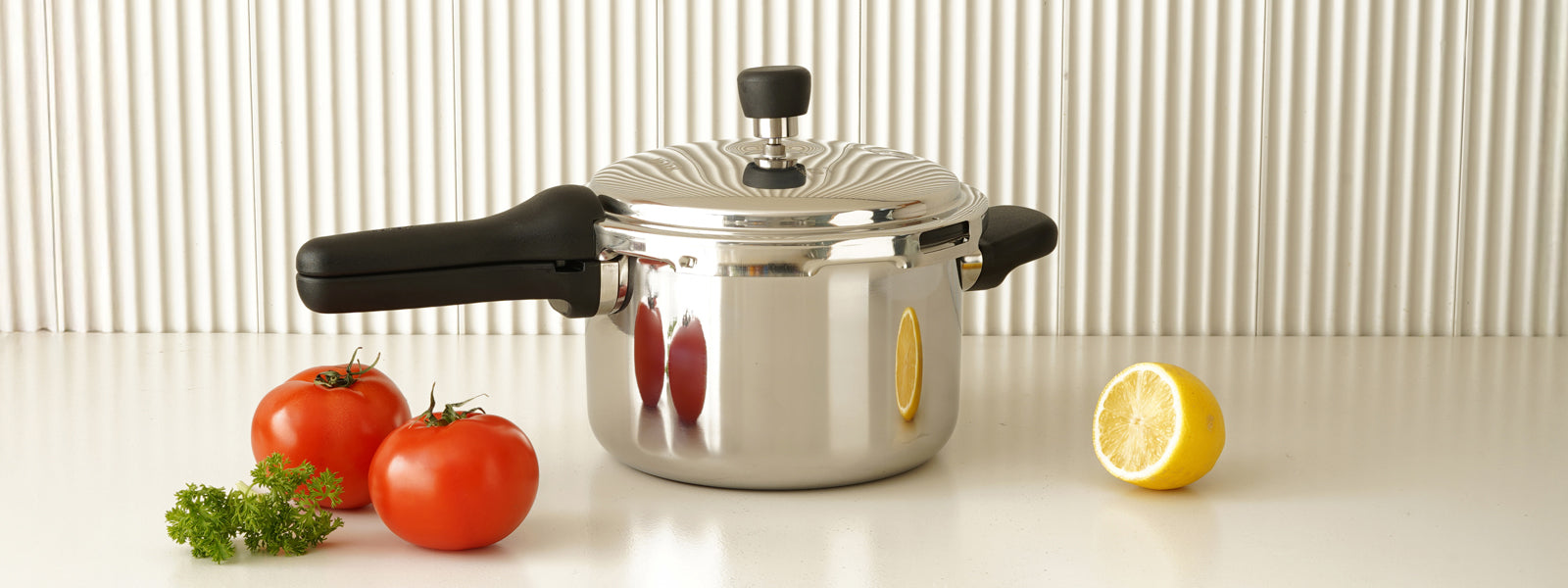
Choosing the Right Cooker for Your Kitchen Needs
2 Items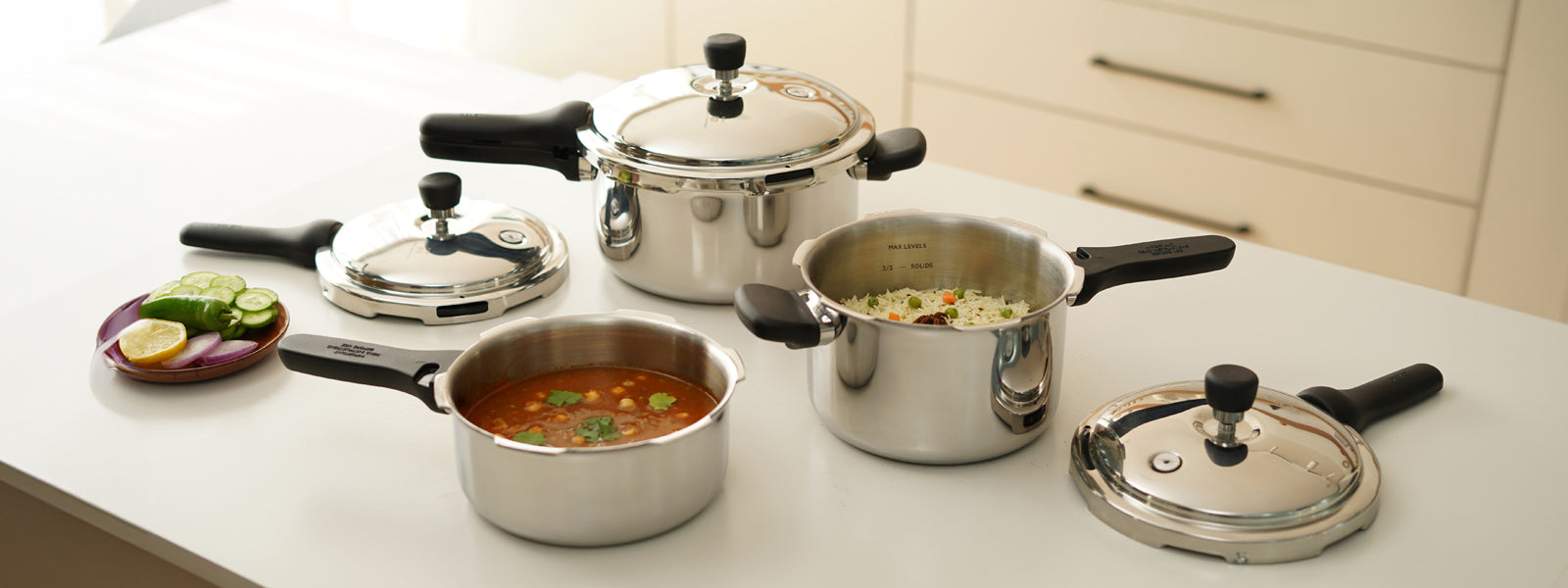
Does pressure cooker help retain nutrients
2 Items
Easy Pressure Cooker Recipe for Bengali Bhapa Doi (Steamed Yogurt Dessert)
2 Items
Easy Pressure Cooker Recipe for Bengali Pithe (Rice Dumplings)
2 Items
How to Choose the Right Pressure Cooker Size
2 Items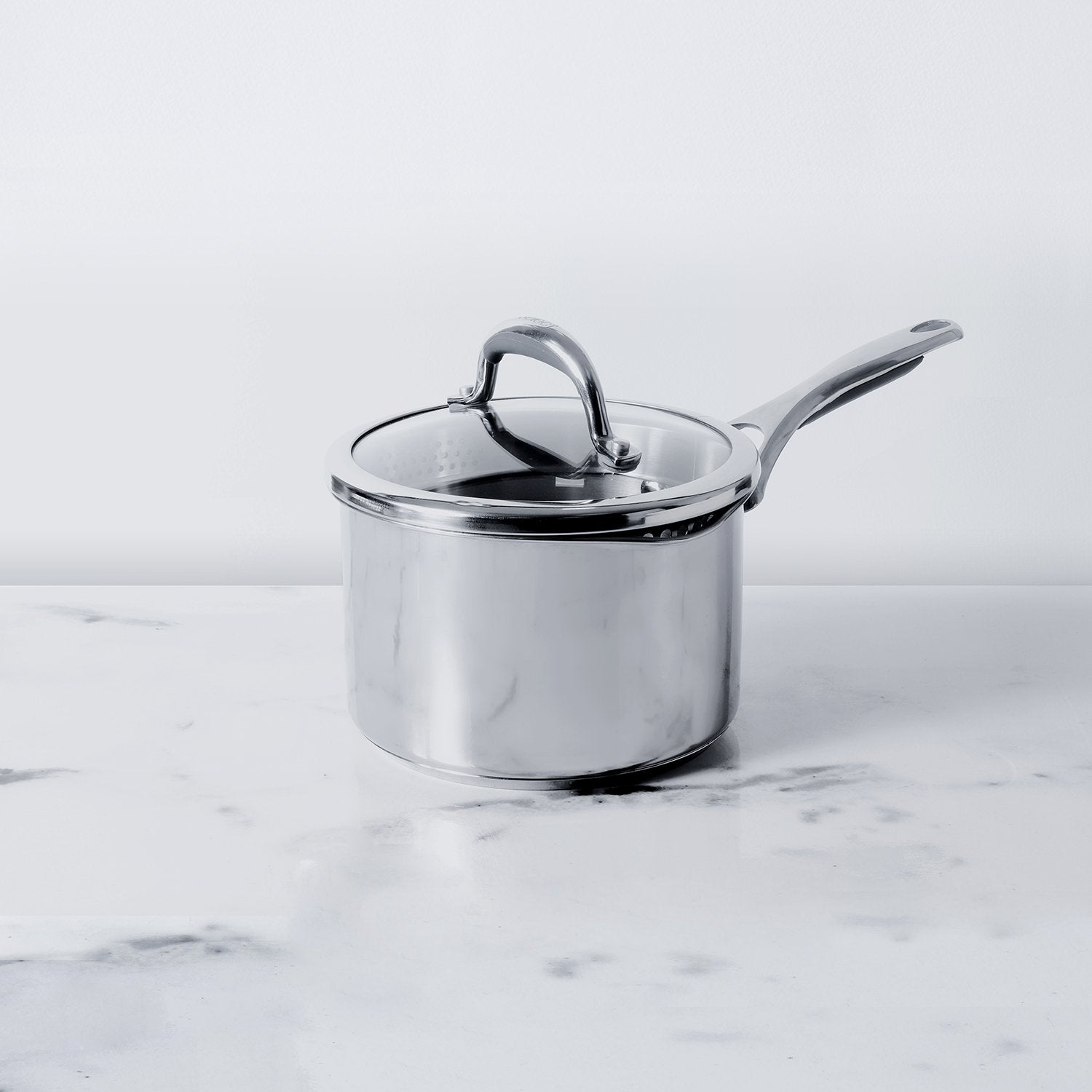



Leave a comment