



When you’re setting up or upgrading your kitchen, one question inevitably comes up: is expensive cookware really worth it? With countless options across price ranges—non-stick pans, stainless steel sets, ceramic cookware, cast iron kadhais—the decision can feel overwhelming.

The truth is, price alone doesn’t determine value. What truly matters is performance, safety, durability, and how well the cookware fits your cooking style—especially in Indian kitchens where techniques like tadka, slow simmering, deep frying, and high-heat roasting are routine.
What Makes Cookware Expensive?
Before deciding whether expensive cookware is worth it, it’s important to understand what you’re actually paying for.
1. Superior Materials
High-quality cookware uses premium raw materials that directly impact cooking performance and safety.
-
Stainless steel (including nickel-free options) is durable, non-reactive, and ideal for everyday Indian cooking
-
Tri-ply construction combines layers of stainless steel with an aluminium core for even heat distribution
-
Ceramic coatings offer safer alternatives to traditional non-stick surfaces
-
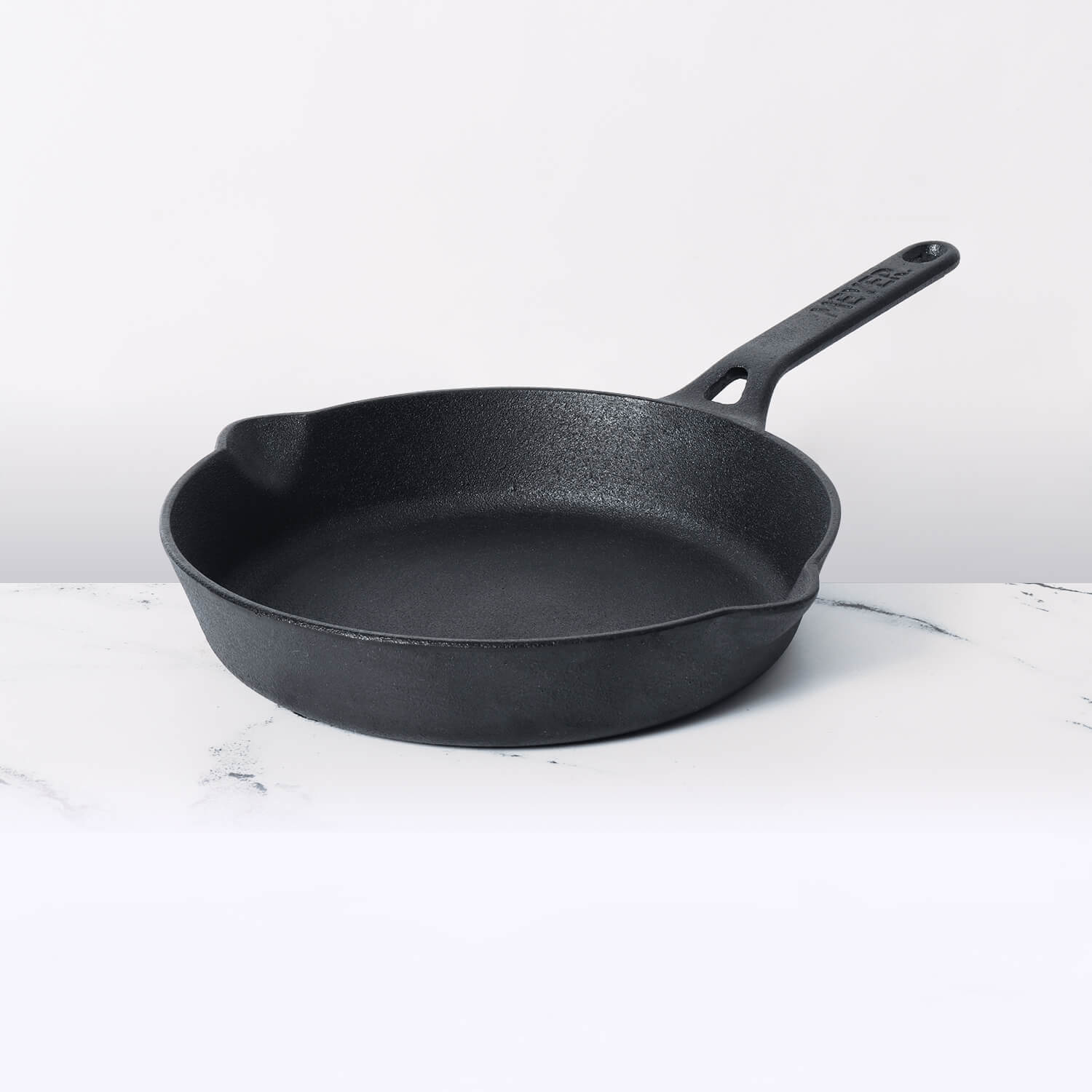
Cast iron provides excellent heat retention and naturally improves with use
For example, cookware like Meyer Select Stainless Steel Cookware is designed with food-safe, nickel-free steel, making it suitable for long-term, toxin-free cooking.
2. Advanced Construction Technology
Premium cookware is not just about the material, but also how it is built.
-
Even heat distribution with minimal hot spots
-
Compatibility with both gas and induction cooktops
-
Thick bases that resist warping
-
Strong, riveted handles for durability
Cookware such as Meyer Trivantage Triply Cookware uses triply technology, ensuring heat spreads evenly across the surface, which is crucial for dishes like curries and dals.
3. Long-Term Durability
Lower-cost cookware may seem economical at first but often warps, loses coating, or requires frequent replacement. Premium cookware, on the other hand, lasts for years, maintains its performance, and offers better long-term value.
Where Expensive Cookware Truly Pays Off
1. Better Cooking Results
In Indian kitchens, uneven heating can affect gravies, rotis, and layered dishes like biryani. High-quality cookware ensures even browning, controlled simmering, and consistent taste.
For example, using a sauté pan from Meyer Accent Cookware allows for precision cooking while still handling high heat.
2. Health and Safety
One of the most important reasons to invest in good cookware is health. Low-quality cookware may release toxins when overheated, react with acidic foods, or degrade quickly.
Safer alternatives include stainless steel and ceramic-coated cookware. Ranges like Meyer Anzen Ceramic Cookware are designed for low-oil, toxin-free cooking, making them ideal for health-conscious households.
3. Long-Term Cost Savings
While premium cookware may have a higher upfront cost, it often lasts significantly longer. Over time, this reduces the need for frequent replacements and results in better overall value.
When Expensive Cookware Is Not Worth It
1. If You Cook Occasionally
If you rarely cook, investing in a full premium cookware set may not be necessary. A few essential, good-quality pieces will be sufficient.
2. If You Are Paying Only for Branding
Not all expensive cookware delivers superior performance. Some products are priced higher due to aesthetics, packaging, or marketing rather than material quality or construction.
3. If Maintenance Is Ignored
Even the best cookware requires proper care. Overheating empty pans, using inappropriate utensils, or improper cleaning can reduce the lifespan of any cookware.
Choosing the Right Cookware for Indian Cooking
Instead of focusing only on price, consider what you cook most often.
Daily Cooking (Sabzi, Dal, Roti)
Stainless steel or triply cookware works best for durability and consistent results.
Low-Oil Cooking (Breakfast, Snacks)
Ceramic or non-stick cookware offers convenience and ease of use.
High-Heat Cooking (Tadka, Frying)
Cast iron or heavy-gauge stainless steel is ideal for handling high temperatures.
Recommended Premium Cookware Options
For Everyday Durability
Meyer Select Stainless Steel Cookware
Suitable for long-lasting, safe, and non-reactive cooking in Indian kitchens.
For Even Heat Distribution
Meyer Trivantage Triply Cookware
Ideal for consistent cooking, especially for gravies and slow-cooked dishes.
For Healthy, Low-Oil Cooking
Meyer Anzen Ceramic Cookware
Designed for toxin-free cooking and easy maintenance.
For Versatility and Modern Kitchens
Meyer Accent Cookware
Balances durability with convenience and suits a variety of cooking styles.
Final Verdict: Is Expensive Cookware Worth It?
Yes, if you cook regularly, value durability and performance, want safer cooking options, and are looking for long-term savings.
No, if you cook occasionally, are influenced mainly by aesthetics, or are not prepared to maintain the cookware properly.
Conclusion
Expensive cookware is not about luxury. It is about improving everyday cooking, enhancing safety, and ensuring consistent results.
In Indian kitchens, where cooking involves high heat, diverse techniques, and complex flavors, investing in the right cookware can make a noticeable difference.
The smarter approach is simple: do not buy cookware based only on price. Choose cookware based on quality, construction, and how well it fits your cooking needs.
MORE FROM BLOG
Top Collections

10 Easy Recipes You Can Cook in a Triply Tope
2 Items
10 Litre Pressure Cookers for Large Families
2 Items
5 key factors to consider before buying a cookware
2 Items
5 Reasons Why Every Home Cook Needs Stainless Steel Pots
2 Items


Leave a comment