



Indian kitchens today are evolving rapidly. While traditional recipes remain close to the heart, cooking habits, appliances, and health awareness have transformed significantly. From gas stoves and induction cooktops to oil-conscious cooking and toxin-free preferences, modern Indian households demand cookware that balances performance, safety, convenience, and aesthetics.
This shift has brought ceramic cookware into the spotlight. But what exactly makes ceramic cookware suitable for modern Indian kitchens? Let’s explore how this contemporary cookware material aligns seamlessly with today’s Indian cooking needs.
Table of Contents
- 1. Understanding Ceramic Cookware
- 2. Health-Conscious Cooking for Indian Families
- 3. Ideal for Low-Oil Indian Cooking
- 4. Even Heat Distribution for Everyday Indian Recipes
- 5. Compatibility with Modern Cooking Appliances
- 6. Easy Cleaning for Busy Indian Lifestyles
- 7. Lightweight Yet Efficient
- 8. Aesthetic Appeal for Modern Kitchens
- 9. Gentle on Food, Gentle on Cookware
- 10. Best Suited for Daily Indian Cooking
- 11. Environmentally Conscious Choice
- 12. Final Thoughts
Understanding Ceramic Cookware
Ceramic cookware typically features a metal core (usually aluminium) coated with a ceramic-based non-stick surface derived from natural minerals. Unlike traditional non-stick coatings, ceramic coatings are free from PTFE and PFOA, making them a preferred choice for health-conscious households.
This construction allows ceramic cookware to combine efficient heat conduction with a naturally smooth cooking surface, ideal for everyday Indian cooking.

Health-Conscious Cooking for Indian Families
One of the biggest reasons ceramic cookware suits modern Indian kitchens is its focus on safer cooking. With growing awareness about chemicals leaching into food, many Indian households are actively moving away from conventional non-stick cookware.
Ceramic cookware is:
- Free from PTFE and PFOA
- Less likely to release toxic fumes when overheated
- Suitable for low-oil and oil-free cooking
For Indian meals that are increasingly lighter—like sautéed sabzis, steamed vegetables, dosa batter pancakes, and shallow-fried snacks—ceramic cookware supports healthier cooking without compromising taste.
Ideal for Low-Oil Indian Cooking
Modern Indian diets are steadily shifting towards reduced oil usage, driven by lifestyle diseases and fitness awareness. Ceramic cookware naturally complements this shift.
The smooth ceramic surface prevents food from sticking even with minimal oil. This makes it perfect for preparing:
- Vegetable stir-fries
- Paneer bhurji
- Omelettes and chillas
- Tikkis and cutlets
- Lightly sautéed masalas
For everyday meals where heavy tempering is no longer the norm, ceramic cookware performs efficiently and consistently.
Meyer Anzen Ceramic Coated Cookware 24cm Kadai with Lid
Even Heat Distribution for Everyday Indian Recipes
Indian cooking involves frequent stirring, sautéing, and controlled simmering. Ceramic cookware, with its aluminium core, ensures quick and even heat distribution, preventing hot spots that can burn spices or vegetables.
This even heating is especially useful for:
-
Cooking masala bases without scorching
-
Preparing gravies that need gentle simmering
-
Making breakfast dishes like upma or poha
In modern kitchens where time efficiency matters, ceramic cookware heats up faster and cooks food evenly, saving both time and energy.
Compatibility with Modern Cooking Appliances
Today’s Indian kitchens are no longer limited to traditional gas stoves. Many households use induction cooktops, ceramic hobs, and hybrid setups.
Most modern ceramic cookware is designed to be:
-
Compatible with gas stoves
-
Suitable for induction (when fitted with an induction base)
-
Efficient on modern flat cooktops
This versatility makes ceramic cookware a practical choice for urban Indian homes and compact kitchens where multiple cooking platforms are used.
Easy Cleaning for Busy Indian Lifestyles
One of the most appreciated benefits of ceramic cookware is its easy-to-clean surface. Indian cooking often involves turmeric, tomatoes, and spices that stain cookware over time.
Ceramic coatings resist stubborn stains and food residue better than traditional cookware. In most cases, a simple rinse with mild detergent is enough—no soaking or scrubbing required.
For working professionals and nuclear families, this convenience plays a major role in daily cookware choices.
Lightweight Yet Efficient
Compared to cast iron or heavy tri-ply cookware, ceramic cookware is relatively lightweight, making it easier to handle during daily cooking.
This is particularly helpful for:
-
Senior citizens
-
Frequent tossing and stirring
-
Small or modular kitchens with limited counter space
Despite being lighter, ceramic cookware still delivers reliable cooking performance for most everyday Indian dishes.
Aesthetic Appeal for Modern Kitchens
Modern Indian kitchens are increasingly design-focused, with open shelves, modular cabinetry, and coordinated colour palettes. Ceramic cookware often features sleek finishes, contemporary colours, and minimalist designs that complement modern kitchen interiors.
From soft pastels to elegant neutrals, ceramic cookware adds visual appeal while remaining functional—making it suitable even for open-kitchen layouts.
Gentle on Food, Gentle on Cookware
Ceramic cookware works best with wooden, silicone, or nylon utensils, which are already common in modern kitchens. This helps preserve the coating and ensures longer cookware life.
For Indian recipes that require frequent stirring—like sabzis or dals—ceramic cookware provides a smooth surface that prevents food from tearing or sticking.
Best Suited for Daily Indian Cooking (Not Extreme Heat)
Ceramic cookware shines in everyday Indian cooking, including sautéing, shallow frying, boiling, and light simmering. However, it is best used on medium to low heat, aligning perfectly with modern cooking practices.
This makes ceramic cookware ideal for:
-
Daily home meals
-
Breakfast and lunch preparations
-
Light curries and vegetable dishes
For extremely high-heat cooking or long dum-style preparations, heavier cookware may be preferred—but for routine meals, ceramic is a smart, modern choice.
Environmentally Conscious Choice
Many ceramic coatings are made using mineral-based formulations, making them more environmentally considerate than traditional non-stick coatings. For Indian consumers increasingly aware of sustainability, ceramic cookware fits well with eco-conscious kitchen choices.
Final Thoughts: Why Ceramic Cookware Fits the Modern Indian Kitchen
Ceramic cookware aligns perfectly with the needs of today’s Indian households—health-focused, time-conscious, and style-aware. Its toxin-free surface, low-oil cooking capability, easy maintenance, and modern design make it a reliable choice for daily Indian meals.
For families looking to upgrade their cookware without compromising on safety or convenience, ceramic cookware offers a thoughtful balance of tradition-friendly cooking and modern performance.
MORE FROM BLOG
Top Collections
5 essential qualities of a non-stick cookware
2 Items
Bakeware Essentials: Choosing Between Metal, Glass, and Ceramic
2 Items
Bakeware Materials Explained: Aluminum, Glass, Ceramic, and More
2 Items
Health Benefits Of Cooking In Ceramic Cookware
2 Items
Know your Ceramic Cookware better
2 Items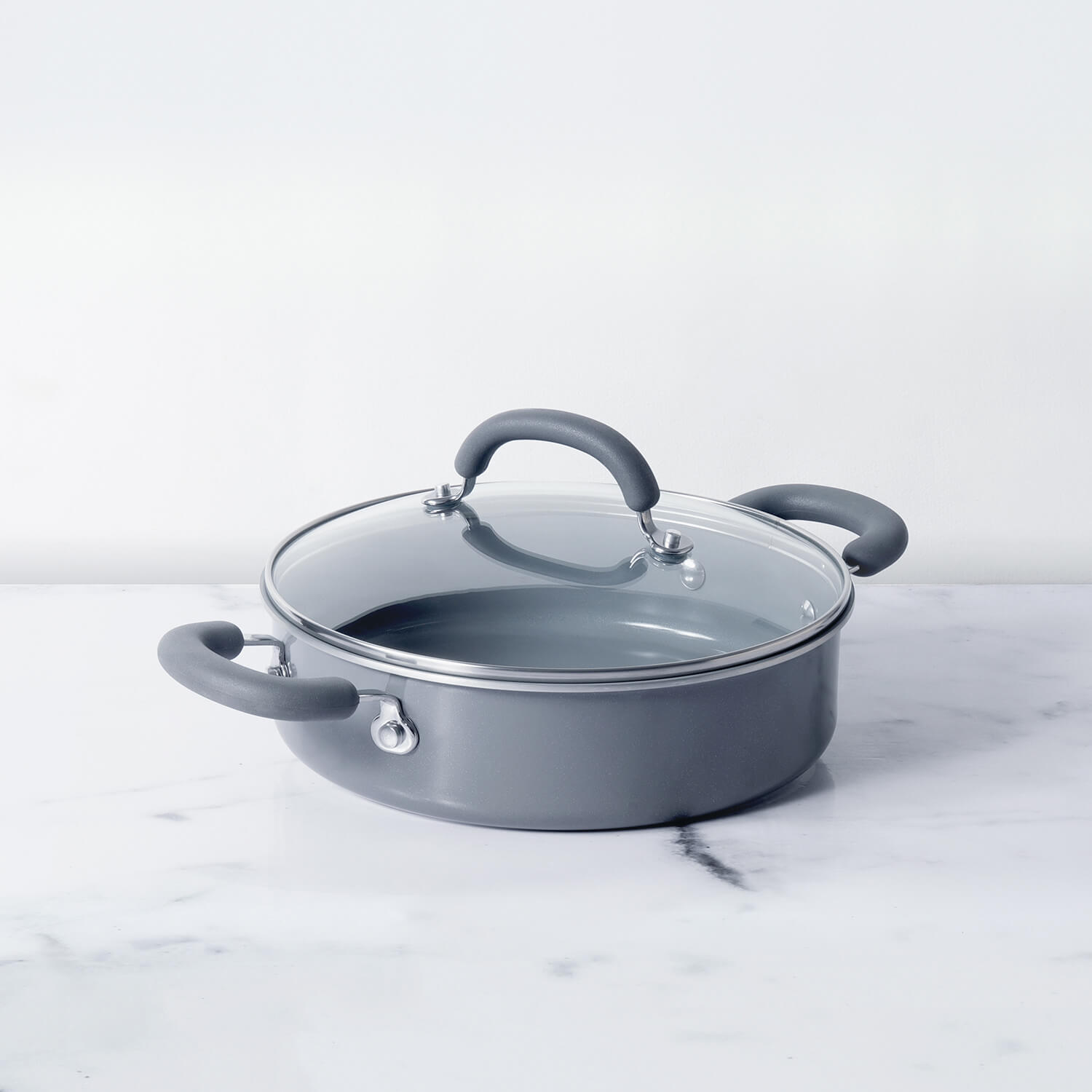


Leave a comment