



In Indian homes, cooking is far more than a daily chore—it is a cultural ritual and an essential part of family life. From preparing morning tea and parathas to simmering dals, frying sabzis, or slow-cooking curries, cookware is exposed to constant high heat, oil, spices, and acidic ingredients like tomatoes, tamarind, and curd.
Over time, low-quality or poorly designed cookware can deteriorate, potentially affecting not only the taste and quality of meals but also the health of your family. While home cooks often focus on the freshness of ingredients, the choice of cookware is equally critical because it comes into direct contact with your food every single day.
Choosing cookware that is safe, durable, and reliable ensures that meals are prepared in the healthiest way possible while making everyday cooking easier and more efficient. This guide explores what makes cookware safe for daily use, the materials that perform best in Indian kitchens, and why Meyer cast iron cookware is a standout choice.
Table of Contents
What Makes Cookware “Safe” for Regular Home Use
Cookware safety is a combination of material quality, heat stability, durability, and suitability for daily cooking. For Indian households, safe cookware should:
-
Be non-toxic and chemically stable: It should not release harmful substances when exposed to heat, oil, or acidic foods.
-
Remain non-reactive with food: It should not alter flavors or leach metals, even when cooking dishes with tomatoes, tamarind, or vinegar.
-
Withstand daily wear and tear: Rust, peeling coatings, or warping create hygiene and safety concerns.
-
Support long cooking hours: From slow-cooked curries to boiling dals, cookware must maintain structural and chemical stability even during prolonged cooking.

Common Cookware Materials and Their Safety Profiles
Choosing the right material is the foundation of safe, reliable cookware.
Cast Iron: Timeless Safety
Cast iron has been used in Indian kitchens for generations because of its natural durability, heat retention, and safety. Modern pre-seasoned cast iron cookware makes it even more practical, combining traditional benefits with ease of use for contemporary kitchens.
Safety Advantages of Cast Iron
- No synthetic coatings: Pre-seasoned cast iron creates a natural non-stick layer using edible oils, avoiding chemical coatings that can degrade over time.
- Handles high heat effortlessly: Ideal for frying, sautéing, or slow-cooking rich Indian curries without releasing toxins.
- Improves with use: Each use enhances the natural seasoning, making the cooking surface smoother, more non-stick, and safer.
High-quality cast iron cookware from trusted brands like Meyer elevates these benefits even further. Meyer cookware is engineered with thick, evenly balanced construction for uniform heating, naturally preventing hotspots that can burn food. Its ergonomic design, durable handles, and compatibility with gas, induction, and oven cooking make it safe and convenient for daily Indian cooking. The pre-seasoned surfaces are chemical-free, the heavy base ensures stability, and the cookware’s long-lasting durability means it remains safe for years, even with frequent use.
Stainless Steel: Hygienic and Non-Reactive
Stainless steel cookware is another safe choice. Its main benefits include:
-
Non-reactive surface: Perfect for acidic ingredients like tomatoes, lemon, and curd.
-
Corrosion-resistant: Doesn’t rust or leach metals into food.
-
Easy to clean and maintain: Suitable for frequent, everyday use.
High-quality stainless steel cookware from reputed brands is often multi-layered for even heat distribution, reducing the risk of sticking or scorching, which enhances both food quality and safety.
Non-Stick Cookware: Safe With Mindful Use
Modern non-stick cookware, particularly PFOA-free varieties, can be safe if used carefully:
-
Avoid excessive heat or prolonged cooking at high temperatures.
-
Use wooden, silicone, or plastic utensils to protect the coating.
-
Replace cookware when the coating wears off to prevent potential hazards.
Non-stick cookware is convenient for quick meals and low-fat cooking, but may not be as durable for high-heat Indian cooking as cast iron or stainless steel.
Enamelled Cookware: Safe When Intact
Enamel-coated cookware combines metal strength with a smooth, non-reactive surface. When properly manufactured, it is resistant to stains and corrosion, making it generally safe for daily use. However, chips or cracks in the enamel can expose the base metal, reducing safety.
Why Indian Cooking Demands Extra Attention to Cookware Safety
Indian cooking is uniquely challenging because it involves:
-
High-flame tadkas and stir-frying
-
Slow-simmered curries and dals
-
Frequent stirring with metal utensils
-
Daily reheating of meals
Cookware that cannot withstand these demands may degrade faster, lose coatings, warp, or develop hotspots. Choosing cookware that maintains structural integrity and chemical stability under these conditions is essential for long-term safety and hygiene.
Meyer Enamel Cast Iron Sauteuse, 26cm, Grey
Why Meyer Cast Iron Cookware Is a Trusted Choice
For Indian households cooking multiple meals daily, Meyer pre-seasoned cast iron cookware is among the safest options. Its design addresses common safety concerns:
- Pre-seasoned, chemical-free surfaces protect food from contamination.
- Thick, heavy base ensures even heat distribution and prevents burning.
- Ergonomic design and strong handles minimize accidents during daily use.
- Compatibility with gas, induction, and ovens adds flexibility without compromising safety.
By combining these features, Meyer cookware ensures not only safer cooking but also consistent performance, durability, and ease of use, making it an investment that enhances both health and culinary confidence.
Conclusion: Safe Cookware Is an Investment in Health, Longevity, and Culinary Confidence
Choosing safe cookware is not just about material—it is about preserving health, ensuring hygiene, and enabling consistent cooking performance. In Indian kitchens, where meals are prepared several times a day and cooking methods range from high-flame tadkas to slow-cooked curries, the cookware you choose directly impacts the safety and quality of your food.
Cast iron and high-quality stainless steel consistently rank among the safest options for daily use. Cast iron, especially pre-seasoned cookware from trusted brands like Meyer, provides a perfect balance of durability, heat management, and chemical safety, while naturally improving over time with proper care. Its heavy, stable construction and ergonomic design make it ideal for Indian cooking styles, supporting long hours of cooking without compromising food safety.
By investing in cookware that is thoughtfully designed, non-toxic, and resilient, home cooks are not just buying a kitchen tool—they are investing in the long-term health of their family, the sustainability of their kitchen, and the confidence to cook every day without compromise. Safe cookware transforms everyday cooking into a reliable, enjoyable, and nourishing experience, ensuring that every meal contributes to both taste and well-being.
MORE FROM BLOG
Top Collections

Appam Pan Price: Get Best Deal On Cookware
2 Items
Best Non-Stick Cookware Sets For Your Kitchen
2 Items
Can Cast Iron cookware surface become Non-stick?
2 Items
Can Ceramic Cookware Handle Indian Spices Gently?
2 Items
Can I use stainless steel cookware in an electric oven?
2 Items
Can Stainless Steel Cookware Last for Decades?
2 Items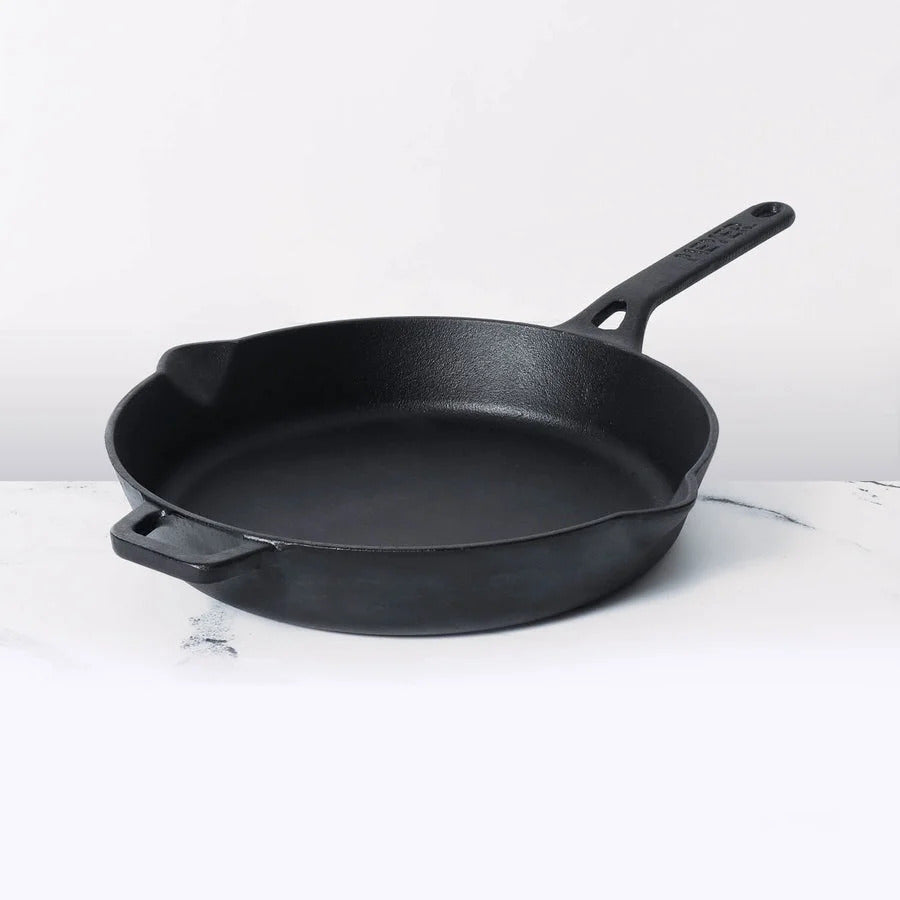


Leave a comment