



Stainless steel cookware is a staple in Indian kitchens thanks to its durability, safety, and versatility. From tadka to sabzis and shallow frying, it handles everyday cooking with ease. Yet many home cooks experience one common problem—food sticking to the pan.
The good news? Stainless steel isn’t the problem. In fact, premium stainless steel cookware like Meyer Select Stainless Steel and Meyer Trivantage Triply Cookware is designed to cook beautifully—when used correctly. Sticking usually happens because of heat, timing, or technique, not because stainless steel is inferior.
Table of Contents
Why Food Sticks to Stainless Steel Cookware
Stainless Steel Has No Artificial Coating
Unlike non-stick pans, stainless steel has no chemical coating. It relies on proper heat and oil bonding to create a temporary non-stick surface. When this bonding doesn’t happen, food proteins attach directly to the steel surface.
High-quality cookware such as Meyer Select Stainless Steel Cookware is engineered with smooth finishes and solid construction to support proper bonding—but technique still matters.
Incorrect Pan Temperature
Temperature is the most common reason food sticks.
-
A cold pan causes immediate sticking
-
An overheated pan burns oil and scorches food
Triply cookware like Meyer Trivantage Stainless Steel distributes heat evenly, making it easier to find and maintain the right temperature—especially important for Indian cooking.
Oil Added at the Wrong Time
Adding oil before preheating prevents it from forming a proper barrier. Adding oil to an overheated pan causes breakdown and smoking.
The correct sequence—heat pan → add oil → add food—is crucial when using stainless steel.
Moisture on Ingredients
Paneer straight from the fridge, wet vegetables, or damp batters release steam when they hit the pan. This breaks the oil layer and causes sticking, regardless of cookware quality.
Moving Food Too Soon
Stainless steel allows food to release naturally once properly seared. Stirring or flipping too early forces food to stick and tear.

How to Prevent Food from Sticking to Stainless Steel Pan
Preheat the Pan Properly
Heat the empty pan on medium flame for 2–3 minutes. Sprinkle a few drops of water—if they form beads and glide across the surface, the pan is ready.
This method works exceptionally well with Meyer Trivantage Triply Cookware, which heats evenly without hotspots.
Add Oil After Preheating
Add oil only after the pan is hot. Swirl to coat the base evenly and allow it to heat briefly before adding food. This creates a temporary non-stick layer.
Use Medium Heat, Not High Flame
Premium stainless steel retains and distributes heat efficiently. Medium heat is ideal for most dishes—whether you’re sautéing vegetables or shallow frying cutlets.
Bring Ingredients to Room Temperature
Let paneer, vegetables, and proteins sit outside the fridge for a few minutes. Always pat them dry before cooking.
Let Food Release Naturally
If food resists when you try to flip it, give it time. Once it forms a crust, it will release easily—this is one of stainless steel’s strengths.
Deglaze for Easy Cleanup
If bits stick, add a splash of water, stock, or tomato puree while the pan is hot. This loosens residue and enhances flavour, especially useful when cooking dals or gravies in stainless steel pans.
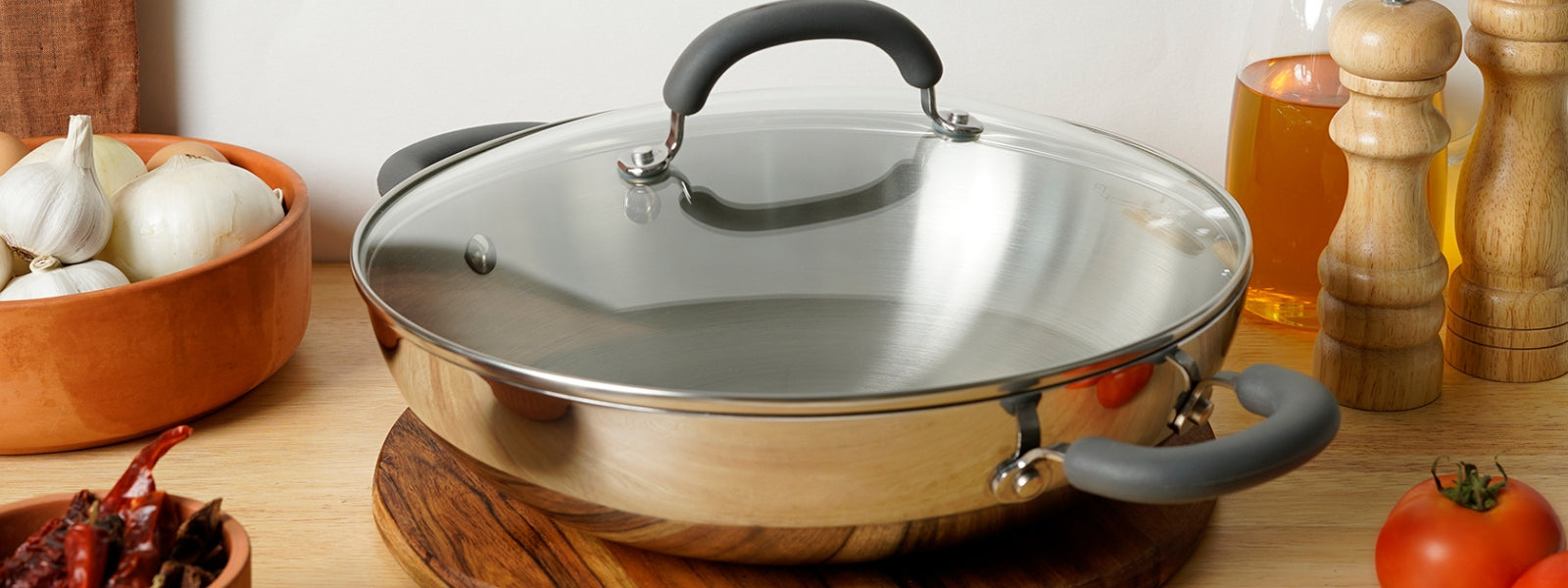
Meyer Select Stainless Steel Sauteuse 28cm
Best Foods to Cook in Stainless Steel Cookware
When used correctly, stainless steel cookware like Meyer Select and Meyer Trivantage excels at:
- Tadka and tempering
- Paneer and vegetable sabzis
- Dal tadka and curries
- Shallow frying pakoras, tikkis, and cutlets
- Tomato-based gravies
- Stir-fried dishes
Common Mistakes to Avoid
-
Adding food to a cold pan
-
Cooking on very low heat
-
Overcrowding the pan
-
Using wet ingredients
-
Scraping aggressively with sharp tools
Why Quality Stainless Steel Makes a Difference
Not all stainless steel pans are the same. Premium options like Meyer Trivantage Triply Cookware offer:
-
Even heat distribution
-
Better temperature control
-
Reduced sticking
-
Long-lasting performance
-
Safe, toxin-free cooking
This makes learning stainless steel cooking easier and results more consistent.
Final Thoughts
Food sticking to stainless steel isn’t a flaw—it’s a learning curve. With the right preheating method, oil timing, and patience, stainless steel becomes one of the most reliable and healthiest cookware choices for Indian kitchens.
When paired with well-designed cookware like Meyer Select Stainless Steel and Meyer Trivantage Triply, stainless steel delivers excellent results—crispy, flavourful, and frustration-free.
MORE FROM BLOG
Top Collections
Benefits of using stainless steel cookware in India
2 Items
Best stainless steel cookware for summer cooking
2 Items
Best Stainless Steel Kadai for Deep Frying
2 Items
Best Ways to Maintain the Shine of Your Stainless Steel Cookware
2 Items
Can stainless steel pan be used for Deep Frying?
2 Items
Cast Iron Vs Stainless Steel: Which Is Right For You?
2 Items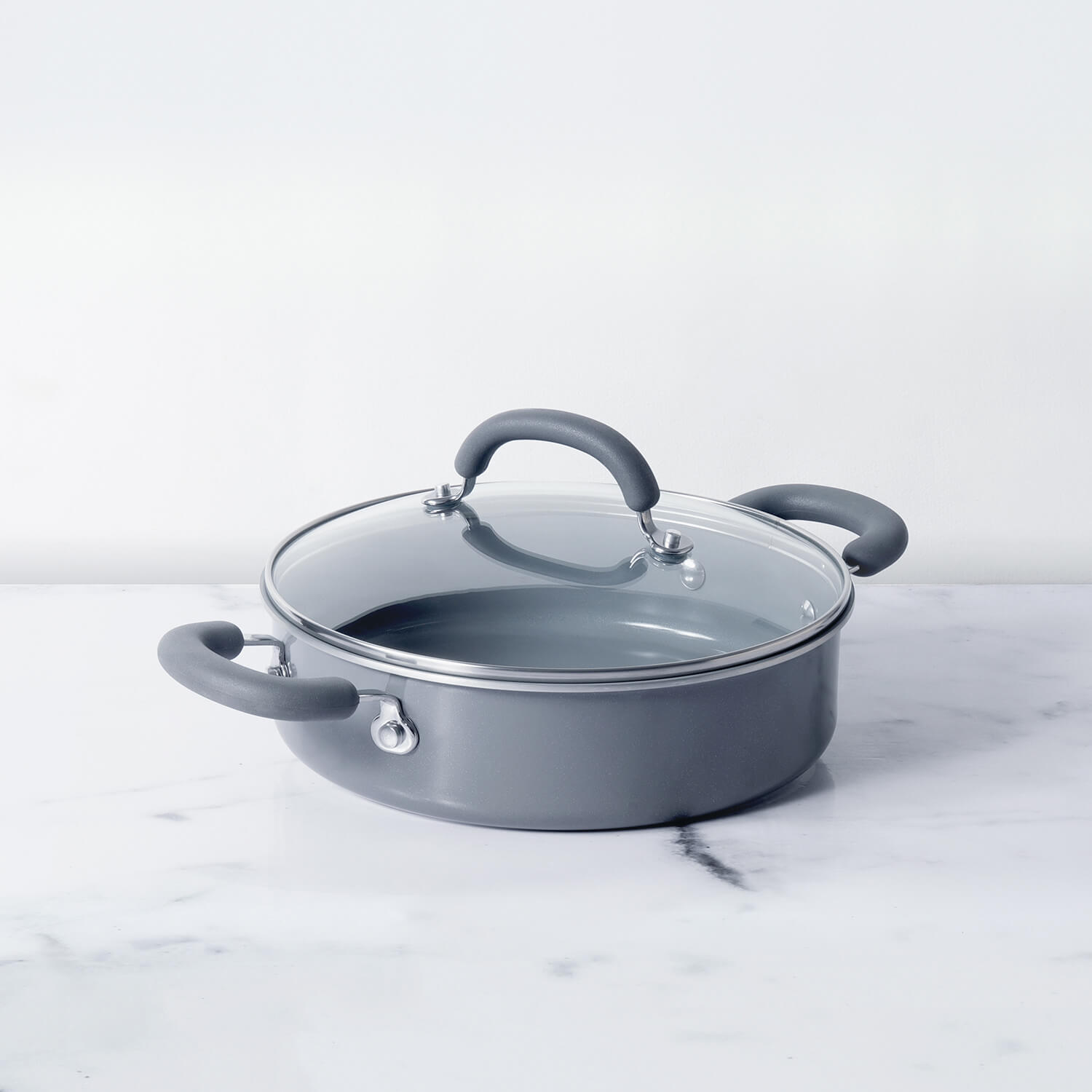


Leave a comment