



Indian cooking is rich, layered, and aromatic. From slow-cooked onion–tomato gravies and bhuna masalas to everyday tadkas and stir-fried sabzis, our cuisine uses oil, spices, and heat generously. While the food is deeply satisfying, cleaning cookware after masala cooking is often the most dreaded part of the process.
This is where ceramic cookware truly stands out—especially thoughtfully designed options like Meyer Anzen Ceramic Cookware, which are created to handle everyday Indian cooking with ease.
If you’ve noticed that ceramic pans clean faster, resist stains, and retain their appearance even after cooking heavy masalas, there’s solid material science behind it. This detailed guide explains why ceramic cookware is easy to clean after masala cooking, how it performs specifically for Indian recipes, and why ceramic ranges like Meyer Anzen are increasingly preferred in modern Indian kitchens.
Table of Contents
Understanding Why Indian Masala Cooking Is Tough on Cookware
To understand the advantage of ceramic cookware, it’s important to first understand what makes Indian cooking particularly demanding.
Indian masala cooking usually involves:
- Heating oil or ghee to high temperatures
- Tempering whole spices
- Cooking onion, ginger, garlic, and tomato bases
- Using powdered spices like turmeric, chilli, coriander, and garam masala
- Long simmering or bhuna-style cooking
These techniques often result in:
-
Sticky oil residues
-
Burnt spice particles
-
Strong colours and lingering aromas
-
Acidic reactions from tomatoes and tamarind
Traditional cookware materials—especially thin aluminium or poorly coated pans—allow masala to stick, burn, and stain, making cleaning difficult and time-consuming.

What Makes Ceramic Cookware Different?
Ceramic cookware uses a ceramic-based, mineral-derived coating applied over a strong metal core. Unlike traditional non-stick surfaces, ceramic coatings are:
-
Smooth and glass-like
-
Non-porous
-
Chemically stable
-
Resistant to oil absorption
Cookware such as Meyer Anzen Ceramic Frypans and Kadhais is designed with these properties in mind, making it particularly effective for Indian kitchens that cook masala-rich dishes daily.
1. Non-Porous Surface Prevents Masala from Bonding
One of the main reasons ceramic cookware is easy to clean is its non-porous surface.
In Indian cooking, masala pastes often seep into microscopic pores of metal surfaces. Ceramic coatings prevent this because:
-
Oil and spices remain on the surface
-
Masala does not embed into the cookware
-
Residue loosens easily after cooking
This makes cleaning easier after preparing dishes like paneer butter masala, rajma, chole, or dry sabzis cooked with thick spice blends.
2. Even Heat Distribution Reduces Burning
Burnt masala is the hardest to remove. Ceramic cookware performs well because of even heat distribution, especially when paired with a high-quality base.
Meyer Anzen ceramic cookware uses a sturdy aluminium construction that spreads heat evenly across the pan. This:
- Prevents hot spots
- Reduces scorching of spices
- Allows masala to cook uniformly
When spices cook evenly, they release naturally from the surface instead of burning and sticking.
3. Low Oil Requirement Means Less Residue
Indian cooking traditionally uses more oil to prevent sticking. Ceramic cookware requires significantly less oil, even for masala-based dishes.
Benefits include:
-
Reduced oil buildup on the pan
-
Less greasy residue after cooking
-
Faster and easier cleanup
For households aiming for healthier cooking without compromising on taste, ceramic cookware like Meyer Anzen supports both nutrition and convenience.
4. Resistance to Stains from Indian Spices
Spices such as turmeric, chilli powder, hing, and curry leaves are known for staining cookware.
High-quality ceramic coatings:
- Resist colour absorption
- Do not trap spice pigments
- Maintain a clean appearance longer
This is particularly noticeable with ceramic cookware after repeated use for haldi-heavy sabzis or tomato-based gravies.
5. Easy Food Release After Cooking
Ceramic cookware offers excellent natural food release.
Once cooking is complete:
-
Masala loosens as the pan cools
-
Tomato gravies lift off easily
-
Fried spices do not cling stubbornly
This makes cleanup quick—often requiring nothing more than a gentle rinse and wipe.
6. Gentle Cleaning Is Enough
Another reason ceramic cookware stays easy to clean is that it doesn’t require harsh cleaning methods.
Recommended cleaning approach:
-
Allow the cookware to cool
-
Use warm water and mild dish soap
-
Clean with a soft sponge
Aggressive scrubbing is unnecessary and discouraged. Cookware like Meyer Anzen Ceramic is designed to perform best with gentle, everyday care.
7. Non-Reactive with Acidic Indian Ingredients
Tomatoes, vinegar, kokum, and tamarind are staples in Indian cooking. Some cookware materials react with these ingredients, affecting both taste and surface quality.
Ceramic cookware is chemically inert, meaning:
-
No reaction with acidic foods
-
No metallic taste
-
No surface damage
This stability helps maintain both food quality and cookware cleanliness.
8. Odour Resistance for Everyday Cooking
Indian kitchens often prepare multiple cuisines using the same cookware. Ceramic coatings do not retain strong smells.
This means:
-
No lingering garlic or masala odours
-
Neutral surface for next-day cooking
-
Cleaner-tasting food
For families that cook breakfast, lunch, and dinner in the same pan, this is a significant advantage.
9. Health-Safe Coating Supports Long-Term Ease
Most modern ceramic cookware, including Meyer Anzen, is:
- Free from PFOA and PTFE
- Made using food-safe materials
- Designed for daily family cooking
Because the coating remains stable under normal cooking temperatures, it maintains its easy-clean properties for longer.
Meyer Anzen Ceramic Coated Cookware 24cm Kadai with Lid
Why Ceramic Cookware Suits Indian Kitchens So Well
Indian kitchens demand cookware that can handle:
-
Daily use
-
Repeated heating
-
Spice-heavy cooking
-
Minimal maintenance
Ceramic cookware meets these needs by:
- Reducing cleanup time
- Preventing stubborn stains
- Supporting low-oil cooking
- Maintaining appearance despite heavy masala use
This is why ceramic cookware ranges like Meyer Anzen are increasingly becoming everyday essentials in modern Indian homes.
Conclusion
Ceramic cookware is easy to clean after masala cooking because it prevents food, oil, and spices from sticking, burning, or absorbing into the surface in the first place. Its non-porous coating, even heat distribution, stain resistance, and low oil requirement make it especially well-suited for Indian cooking styles.
For households that regularly prepare onion–tomato gravies, bhuna masalas, and spice-rich sabzis, ceramic cookware—particularly thoughtfully engineered options like Meyer Anzen Ceramic Cookware—offers a cleaner, quicker, and more enjoyable cooking experience.
When used and maintained correctly, ceramic cookware not only simplifies cleanup but also enhances everyday cooking, making it a practical and reliable choice for Indian kitchens.
MORE FROM BLOG
Top Collections
10 Must-Have Cookware Items for Diwali Cooking
2 Items
26 cm Triply Tope – The Best Cookware for Festive Cooking
2 Items
How To Season Cast Iron Cookware?
2 Items
Bakeware Materials Explained: Aluminum, Glass, Ceramic, and More
2 Items
Benefits of Using Nonstick Cookware for Weight Management
2 Items
Best Non-Stick Cookware Sets For Your Kitchen
2 Items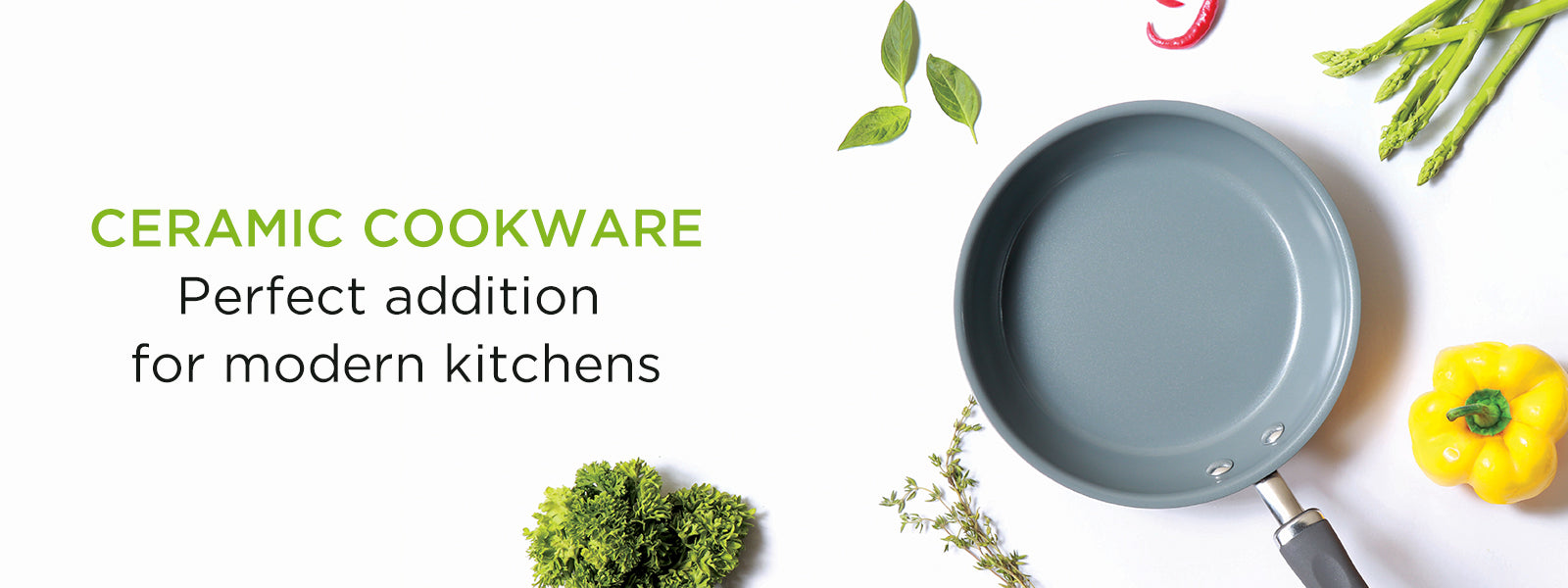
Health Benefits Of Cooking In Ceramic Cookware
2 Items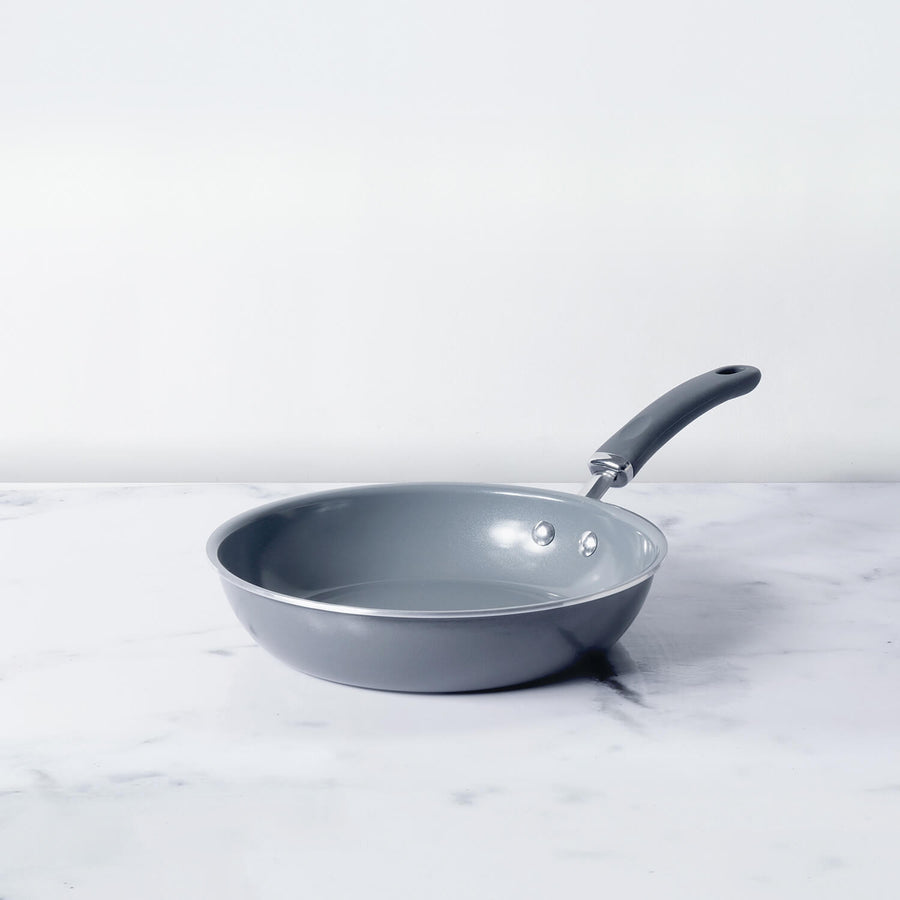


Leave a comment