



Uneven heating is one of the most common cooking problems, yet it often goes unnoticed until food starts burning in some spots while remaining undercooked in others. You may find one side of your pan browning beautifully while the other struggles to cook, or notice that oil pools in certain areas instead of spreading evenly.
The root cause is rarely just your stove. In most cases, uneven heating is directly linked to your cookware—its material, construction, condition, and how it is being used. Understanding these factors can help you fix the issue and dramatically improve your cooking results.
Table of Contents
- 1. What Does Uneven Heating Actually Mean?
- 2. Thin or Low-Quality Cookware
- 3. Poor Heat-Conducting Materials
- 4. Warped or Damaged Base
- 5. Incorrect Burner Size
- 6. Not Preheating Properly
- 7. Overcrowding the Pan
- 8. Stove Type and Flame Distribution
- 9. Residue or Buildup on the Pan
- 10. The Role of Cookware Design
- 11. How to Fix Uneven Heating
- 12. Simple Habits That Make a Difference
- 13. Final Thoughts
What Does Uneven Heating Actually Mean?
Uneven heating occurs when different parts of your cookware reach different temperatures at the same time.
Ideally, heat should spread uniformly across the base of the pan so that food cooks evenly. When this does not happen, certain areas become “hot spots” that cook or burn food faster, while cooler areas slow down the process.
This imbalance affects texture, flavor, and overall cooking consistency.
Thin or Low-Quality Cookware
One of the most common reasons for uneven heating is thin cookware.
Lightweight pans heat up quickly, but they do not retain or distribute heat well. As a result, heat concentrates in specific areas—usually directly above the flame or heating element—creating hot spots.
Thicker cookware with a well-constructed base spreads heat more evenly, allowing for consistent cooking across the surface.

Poor Heat-Conducting Materials
Not all cookware materials conduct heat in the same way.
Some materials heat quickly but unevenly, while others distribute heat more gradually and uniformly. For example, low-grade aluminium or poorly constructed steel can lead to inconsistent results.
Cookware that combines materials or uses layered construction tends to perform better because it balances heat conduction and retention.
Warped or Damaged Base
Over time, cookware can lose its shape due to high heat or sudden temperature changes.
A warped pan does not sit flat on the stove, which means heat is not transferred evenly. This creates areas of direct contact that get hotter than others.
Even a slight curve in the base can affect cooking performance, especially on flat surfaces like induction cooktops.
Incorrect Burner Size
Using the wrong burner size is another common issue.
If the flame or heating zone is smaller than the base of your pan, the center will receive more heat while the edges remain cooler. If the burner is too large, heat may extend beyond the pan, reducing efficiency.
Matching the size of your cookware to the burner ensures better heat distribution.
Not Preheating Properly
Improper preheating can create uneven temperature zones within the pan.
If you heat the pan too quickly or at very high temperatures, certain areas may heat faster than others. Gradual preheating allows the entire surface to warm up evenly.
This step is especially important for stainless steel and cast iron cookware.
Overcrowding the Pan
Adding too much food at once can disrupt heat distribution.
When a pan is overcrowded, its temperature drops unevenly. Some areas may cool more than others, leading to inconsistent cooking.
Cooking in smaller batches helps maintain stable heat and improves overall results.
Stove Type and Flame Distribution
Sometimes, the issue lies in how your stove distributes heat.
Gas stoves may have uneven flame patterns, while induction cooktops heat only specific zones. Electric cooktops can also develop inconsistencies over time.
Understanding how your stove works and adjusting your cookware placement can help minimize uneven heating.
Residue or Buildup on the Pan
A dirty or uneven surface can interfere with heat distribution.
Residue buildup, burnt food particles, or oil layers can create an uneven cooking surface. This affects how heat travels across the pan and can lead to hot spots.
Keeping your cookware clean ensures better performance.
The Role of Cookware Design
Well-designed cookware is engineered to solve uneven heating.
Pans with thick, layered bases distribute heat more evenly and maintain stable temperatures. This reduces hot spots and allows for better control during cooking.
Meyer offers a wide range of cookware designed with even heat distribution in mind, helping improve consistency and cooking performance across different dishes.
How to Fix Uneven Heating
Use cookware with a thick, well-constructed base
Match the pan size to the burner
Preheat gradually on medium heat
Avoid overcrowding the pan
Check for warping and replace damaged cookware
Keep the cooking surface clean
These steps can significantly improve heat distribution and cooking results.
Simple Habits That Make a Difference
Rotate the pan occasionally on gas stoves
Adjust heat levels instead of using high heat constantly
Use the right cookware for each cooking method
Allow the pan to heat evenly before adding food
Small adjustments like these can help you achieve more consistent cooking.
Final Thoughts
Uneven heating is not just a minor inconvenience—it can affect the quality of your food in noticeable ways.
By understanding the causes and making a few practical changes, you can eliminate hot spots and achieve more even cooking. The right cookware, combined with proper technique, can transform your everyday cooking experience.
With better heat control and reliable cookware, you can cook with greater confidence and consistency every time.
MORE FROM BLOG
Top Collections
Best Ways to Maintain the Shine of Your Stainless Steel Cookware
2 Items
Can Ceramic Cookware Handle Indian Spices Gently?
2 Items
Can Non-Stick Cookware Be Used for Making Sabzi and Omelettes Daily?
2 Items
Cast Iron Vs Stainless Steel Cookware: Which one should you pick?
2 Items
Best Stainless Steel Cookware in India - A Celebrity Chef's Favourites
2 Items
Creating Balanced Meals with Nonstick Cookware for Sustainable Weight Loss
2 Items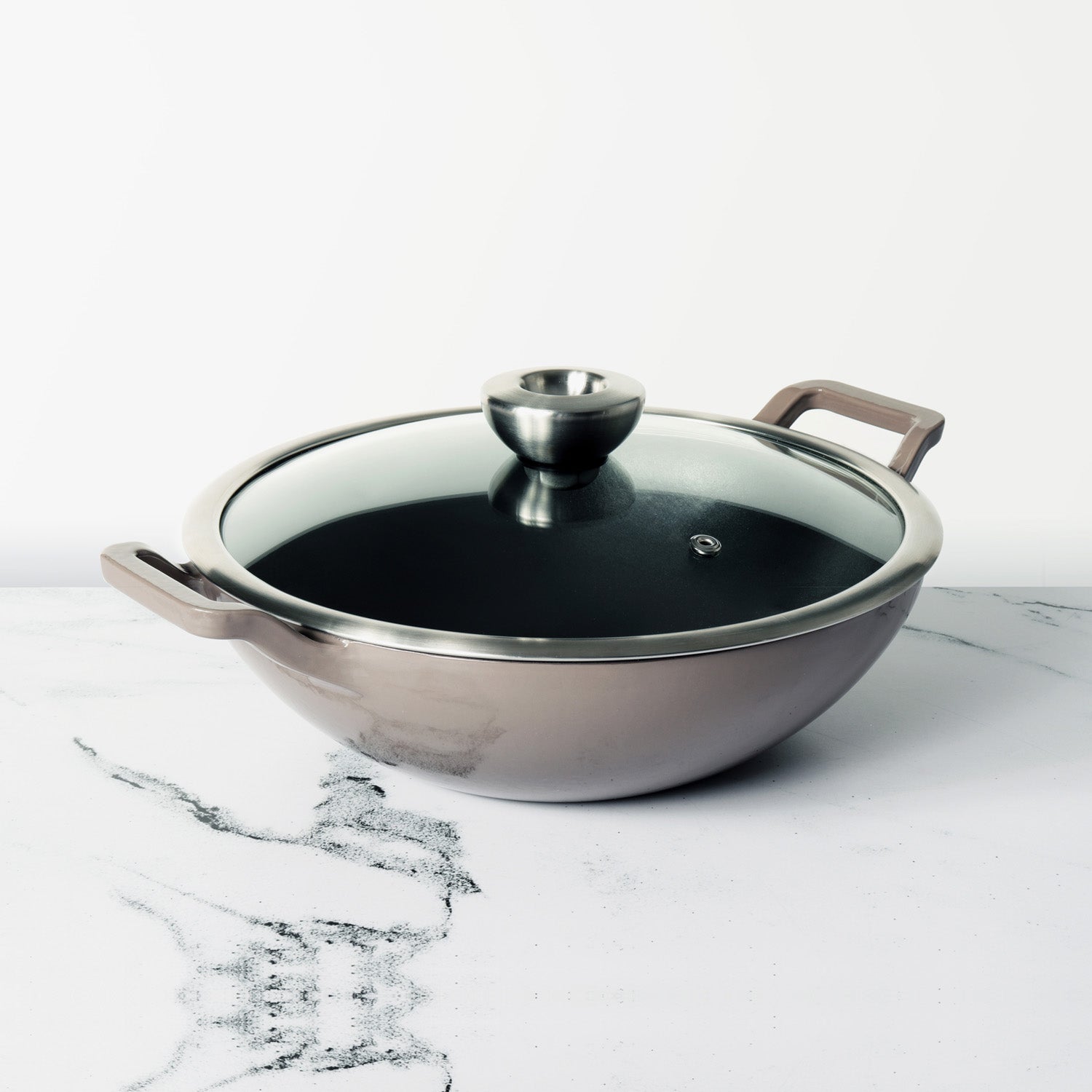


Leave a comment