



Zero-waste cooking is becoming a priority in Indian households—not just for sustainability but for saving money, conserving energy, and making the most of the ingredients we already buy. Indian cuisines, with their multi-step preparations and variety of dishes, often lead to unintentional waste: extra rice, burnt tadkas, spoiled vegetables, and leftover gravies that don’t get reused.
However, your cookware choices can significantly reduce how much food is wasted in your kitchen. The right utensils improve heat control, prevent sticking and burning, support better storage, and even encourage mindful portioning.
Table of Contents
- 1. Tri-Ply Cookware for Even Heating: Prevent Burnt Food & Reduce Waste
- 2. Heavy-Duty Cast Iron That Enhances Flavors & Makes Leftovers More Reusable
- 3. Pressure Cookers for Energy-Saving, Fast, No-Waste Cooking
- 4. Stainless Steel Cook-and-Store Pots for Freshness & Less Spoilage
- 5. Nonstick Woks & Frypans to Prevent Sticking and Burning
- 6. Strainer Saucepans for Reusing Stocks & Isolating Waste-Free Liquid
- 7. Grill Pans for Using Up Small Bits & Leftover Marinades
- 8. Multi-Purpose Dutch Ovens for Weekly Batch-Cooking
- 9. Smart Zero-Waste Habits to Pair With the Right Cookware
- 10. Conclusion
Tri-Ply Cookware for Even Heating: Prevent Burnt Food & Reduce Waste
Uneven heat is one of the biggest reasons food gets wasted—burnt sabzi, overboiled milk, or scorched dals often end up being thrown away. Tri-ply cookware, with its aluminum core and steel layers, ensures perfectly even heat distribution.
Recommended: Meyer Trivantage Tri-Ply Stainless Steel Kadai With Lid (24 cm / 28 cm)
A high-efficiency kadai designed for gravies, sabzis, tadkas, and even deep-frying.
Zero-waste advantages:
- Prevents scorching, which leads to wasted food
- Helps cook uniform quantities without hotspots
- Perfect for repurposing leftover vegetables into curries or stir-fries

Heavy-Duty Cast Iron That Enhances Flavors & Makes Leftovers More Reusable
Food cooked in cast iron tastes richer and deeper—making leftovers more appealing and easier to reuse the next day.
Recommended: Meyer Pre-Seasoned Cast Iron Kadai (26 cm)
A lifetime-durable kadai excellent for slow cooking, frying, and sautéing.
Zero-waste advantages:
- Steady heat minimises burning
- Improves flavor, helping you reuse leftovers creatively
- Perfect for making leftover-friendly dishes like sabzi mixes, khichdi, or pulav
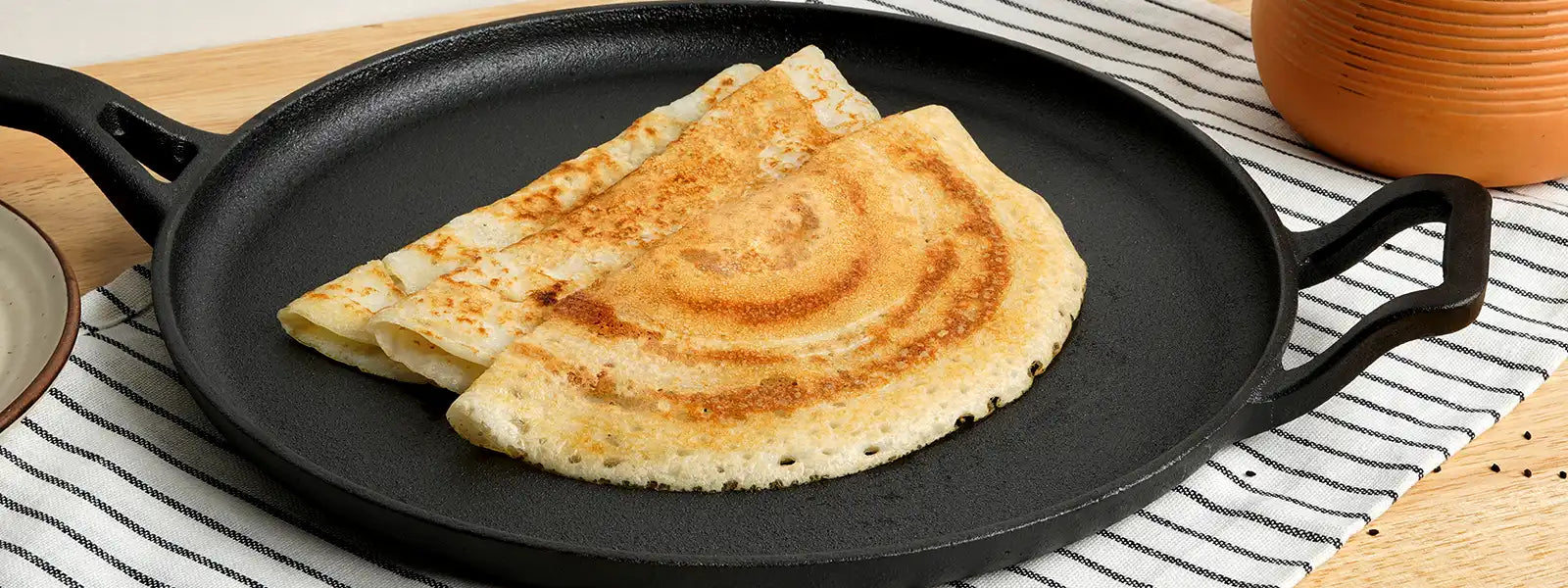
Meyer Pre-Seasoned Cast Iron Two Side Handle Flat Tawa Pan,30cm
Pressure Cookers for Energy-Saving, Fast, No-Waste Cooking
Pressure cookers reduce both cooking time and ingredient waste. Precise cooking helps prevent mushiness or overcooking—two common causes of food being discarded.
Recommended: Meyer Select Hard Anodized Pressure Cooker (3L / 5L)
A non-reactive, tough, long-lasting cooker ideal for dal, vegetables, and rice.
Zero-waste advantages:
- Cooks food faster, reducing energy waste
- Retains nutrients that often get lost in open boiling
- Helps batch-cook dals, beans, rajma, and chole without overcooking
Stainless Steel Cook-and-Store Pots for Freshness & Less Spoilage
Spoiled leftovers are one of the biggest daily waste contributors. Cook-and-store stainless steel vessels maintain temperature better and reduce contamination.
Recommended: Meyer Select Stainless Steel Casserole with Lid (20 cm / 24 cm)
Ideal for dals, khichdi, biryani, pulao, and gravies.
Zero-waste advantages:
- Can be used for cooking and refrigeration
- Keeps food fresher for longer
- Minimizes the need to reheat multiple times, preserving food quality
Nonstick Woks & Frypans to Prevent Sticking and Burning
Sticking wastes ingredients and increases the amount of oil needed. High-quality nonstick ensures smooth cooking with minimal residue.
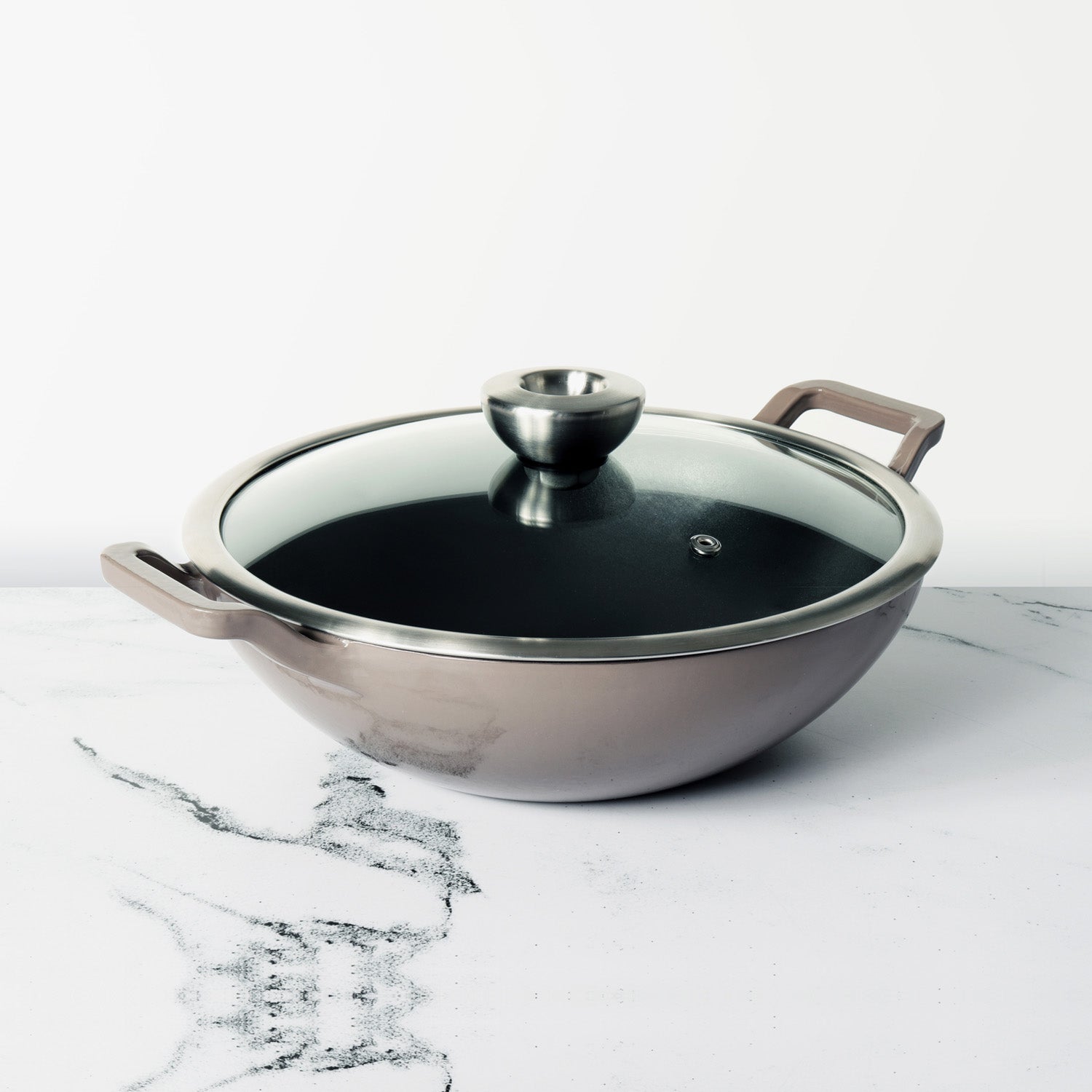
Recommended: Meyer Midnight Series Nonstick Wok, 28 cm
A durable PTFE nonstick wok designed for stir-fries, cutlets, and leftover transformations.
Zero-waste advantages:
-
No sticking = no burnt edges
-
Requires less oil
-
Ideal for repurposing leftovers into fried rice, upma, poha, or stir-fried vegetables
Strainer Saucepans for Reusing Stocks & Isolating Waste-Free Liquid
When boiling pasta, rice, or vegetables, most homes throw away the starch water or vegetable stock—rich in nutrients and flavor.
Recommended: Meyer Trivantage Straining Saucepan, 18 cm
With built-in strainer walls, it makes zero-waste boiling effortless.
Zero-waste advantages:
- Reuse rice water for soups, curries, or kadhi
- Reuse vegetable stock in gravies
- Prevents spills that lead to wastage
Grill Pans for Using Up Small Bits & Leftover Marinades
Small leftover marinades, bits of paneer, vegetables, or chicken often get thrown away.
Recommended: Meyer Cast Iron Grill Pan (24 cm)
Perfect for grilling mixed leftovers and achieving restaurant-style char.
Zero-waste advantages:
- Turns leftover bits into delicious grilled platters
- Reduces oil usage
- Enhances flavors so leftovers feel “new”
Multi-Purpose Dutch Ovens for Weekly Batch-Cooking
Batch cooking reduces food spoilage and encourages using up ingredients before they go bad.
Recommended: Meyer Enamelled Cast Iron Dutch Oven (20 cm / 24 cm)
Perfect for soups, sambar, rajma, biryani, stews, pulao.
Zero-waste advantages:
- Ideal for cooking once and using multiple times
- Maintains temperature longer, reducing reheating
- Keeps cooked food fresher
Smart Zero-Waste Habits to Pair With the Right Cookware
With these cookware tools, you can adopt habits like:
- Reusing leftover rice to make lemon rice, fried rice, or kheer
- Turning extra rotis into chips, rolls, or poha
- Using vegetable peels for chutneys or broths
- Saving dal water for soups or kadhi
- Batch-cooking beans and freezing portions
- Using smaller cookware for exact quantities
Conclusion
Zero-waste cooking is not just a trend—it’s a meaningful shift toward mindful eating, saving money, and honoring the effort behind every ingredient. With durable, smart, and versatile cookware like Meyer’s tri-ply kadais, cast iron pans, pressure cookers, straining saucepans, and nonstick woks, Indian households can dramatically reduce food waste while improving efficiency and flavor.
MORE FROM BLOG
Top Collections
10 Best Healthy & Non-Toxic Cookware in India (2022 Reviews)
2 Items
26 cm Triply Tope – The Best Cookware for Festive Cooking
2 Items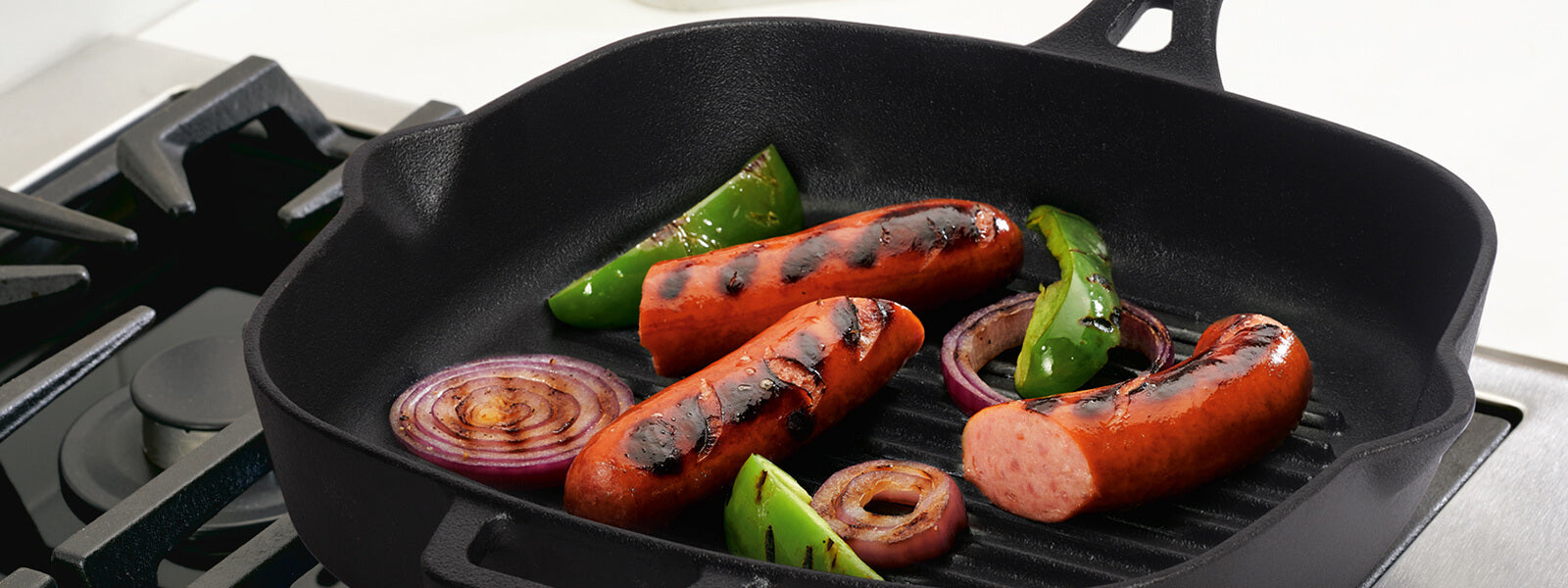
A-Z Guide To Cast Iron Cookware; Use & Utility
2 Items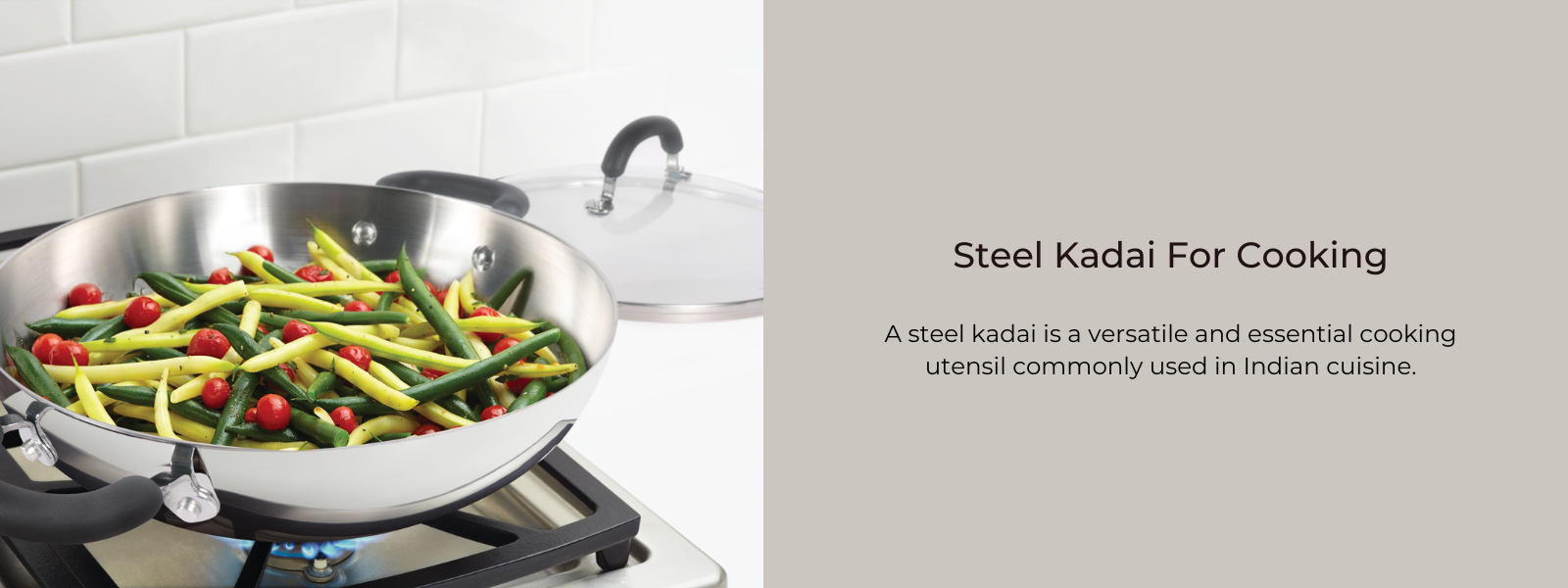
Steel Kadai For Cooking: Versatile Cookware For Indian Meals
2 Items
Cast Iron Cookware for Camping: Everything You Need to Know
2 Items


Leave a comment