



Setting up an Indian kitchen for the first time can feel overwhelming. With so many utensils, materials, and cookware types available, knowing what to buy—and what to skip—can make a huge difference in how smoothly your kitchen functions. A functional Indian kitchen isn’t just about having many pots and pans; it’s about choosing the right cookware that supports everyday tasks like tadka, boiling, sautéing, deep-frying, pressure cooking, and slow-cooking traditional gravies.
This beginner-friendly guide walks you through the essential cookware items, why they matter, and how to choose pieces that will serve you for years. Whether you're newly married, moving into a new home, or simply reorganizing your kitchen, this guide ensures you're building a strong foundation.
Table of Contents
- 1. Start With Everyday Workhorses
- 2. Invest in a Few Heavy-Duty Cookware Staples
- 3. Choose Cookware Based on Your Daily Indian Meal Routine
- 4. Pick Cookware That Works on Both Gas & Induction
- 5. Select the Right Material for Your Cooking Style
- 6. Organise Your Cookware for Smooth Daily Cooking
- 7. Conclusion
Start With Everyday Workhorses
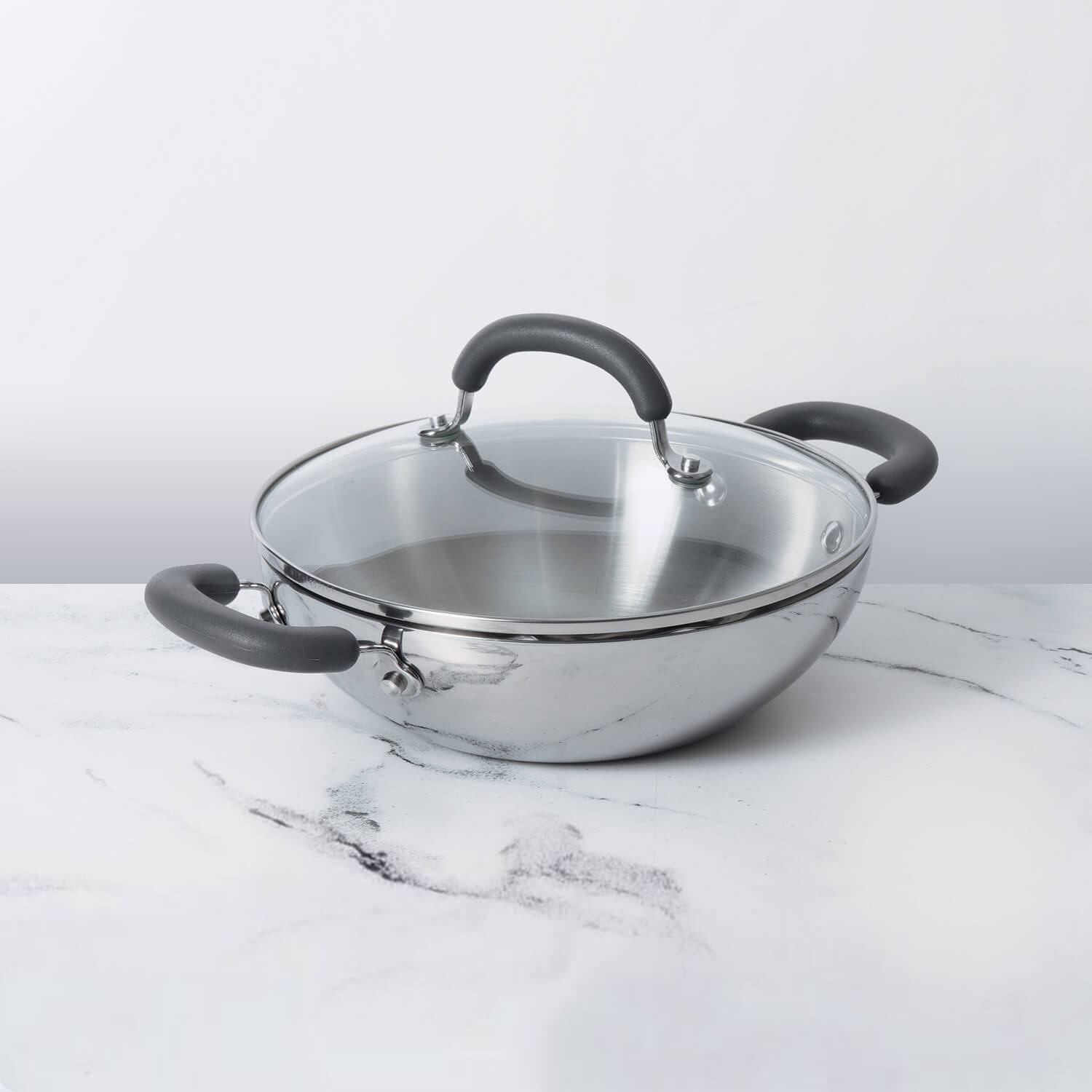
A stainless steel kadai is essential for tadka, sautéing vegetables, cooking curries, and preparing everyday sabzis. Opt for versions made with heavier bases or triply construction for even heating. Nickel-free stainless steel kadhais from Meyer, for example, offer quick heating and are ideal for daily Indian gravies like chole, rajma, aloo-matar, and mixed vegetables.
A good non-stick frypan makes breakfast simpler—dosas, cheelas, omelettes, tikkis, and sandwiches glide easily without excess oil. Modern PFOA-free coatings, such as those used in Meyer’s non-stick ranges, provide smooth cooking surfaces with effortless cleanup.
Add Multi-Tasking Cookware for Versatility
Deep Kadai or Wok
A deep kadai gives you the flexibility to prepare stir-fries, pakoras, chowmein, sautéed vegetables, and heavy Indian bhuna masalas. Stainless steel woks or hard-anodized kadhais heat evenly and maintain temperature well. A Meyer deep kadai or wok is particularly useful for families that batch-cook or prefer one versatile piece for frying, sautéing, and simmering.
Thick-bottom casseroles ensure uniform cooking during dum preparations like biryani, pulao, or slow-simmered dals. They also double as pots for soups, pasta, or large family meals. Durable casserole sets—such as the Meyer triply or stainless steel casserole pots—offer both capacity and heat stability for long cooking hours.
Tawa Set for Daily Rotis & Dosas
Every Indian kitchen needs at least two tawas:
- A dosa tawa for dosas, cheelas, uttapams
- A roti tawa for soft, puffed phulkas
Hard-anodized or cast iron tawas from Meyer are especially beginner-friendly because they heat evenly and are naturally durable.

Invest in a Few Heavy-Duty Cookware Staples
Cast Iron Skillet or Kadai
A cast iron piece becomes a lifetime cooking companion—ideal for browning onions evenly, crisping potatoes, roasting paneer, and reducing masalas. Meyer pre-seasoned cast iron cookware provides natural non-stick performance and enhances iron intake.
Hard-Anodized Saucepan
A sturdy saucepan is helpful for making tea, boiling milk, dal, soups, halwa, and porridge. Hard-anodized variants heat quickly and don’t react with ingredients. Meyer’s range includes robust, stick-resistant saucepans perfect for beginners.
Circulon Non-Stick Hard Anodized Curved Roti Tawa, 26cm
Choose Cookware Based on Your Daily Indian Meal Routine
For Homes Cooking 3 Times a Day
- Kadai (medium + large)
- Non-stick frypan
- Deep kadai or wok
- Casserole/biryani pot
- Two tawas (roti + dosa)
- Saucepan
- Pressure cooker
Stackable stainless steel sets such as Meyer Kitchen Hacks can be a practical choice for compact kitchens.
For Health-Oriented Kitchens
-
Cast iron tawa or skillet
-
Hard-anodized kadai
-
Minimal non-stick items
For Quick Cooking
- Fast-heating tri-ply stainless steel
- Lightweight non-stick pans
- Multi-size stackable cookware sets
Smart Add-Ons to Complete Your Beginner Kitchen
A must-have in every Indian home for dal, rajma, steaming vegetables, or making khichdi.
Steamer Insert
Great for momos, idlis, dhokla, and quick vegetable steaming.
Universal Lids
Helps cover multiple cookware pieces and reduces clutter.
Pick Cookware That Works on Both Gas & Induction
If you use a dual-cooktop kitchen, choose pieces that have induction-compatible bases. Many Meyer stainless steel, hard-anodized, and non-stick pans are designed for both gas and induction, making them suitable for modern Indian homes transitioning between fuels.
Select the Right Material for Your Cooking Style
- Great for daily gravies, boiling, sautéing
- Durable and non-reactive
- Ideal for beginners
Hard-Anodized
- Heats fast and evenly
- Good for high-heat and busy kitchens
- Excellent for browning and crisping
- Naturally non-stick when seasoned properly
- Perfect for low-oil cooking
- Ideal for dosa, eggs, cheela, upma
Selecting a mix from these materials—such as a stainless steel kadai, a cast iron tawa, and a non-stick frypan—ensures you can cook any Indian dish effortlessly.
Organise Your Cookware for Smooth Daily Cooking
- Keep frequently used pans in the most accessible shelves
- Stack pans by size; use pan protectors to avoid scratches
- Store cast iron openly to prevent moisture build-up
- Use a vertical rack for lids, tongs, and spatulas
- Consider stackable cookware like Meyer Kitchen Hacks for compact kitchens
Good organisation reduces stress and speeds up meal prep—especially in homes cooking breakfast, lunch, and dinner daily.
Conclusion
Building a functional Indian kitchen is all about picking cookware that fits your lifestyle. Start with essentials, add multi-purpose pieces, choose a mix of materials, and include a few high-performance items that make cooking more enjoyable. With durable stainless steel, efficient hard-anodized cookware, and timeless cast iron pieces—along with reliable options from Meyer—you can create a beginner-friendly kitchen that grows with you.
MORE FROM BLOG
Top Collections
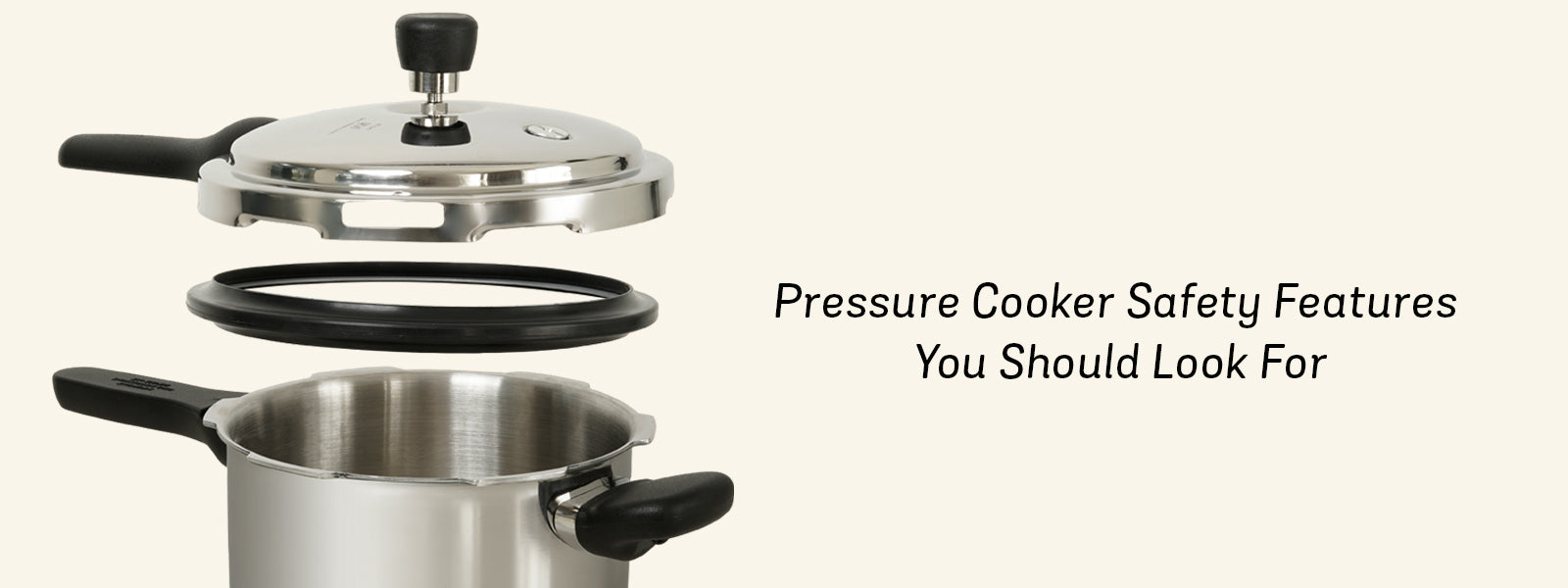
10 Litre Pressure Cookers for Large Families
2 Items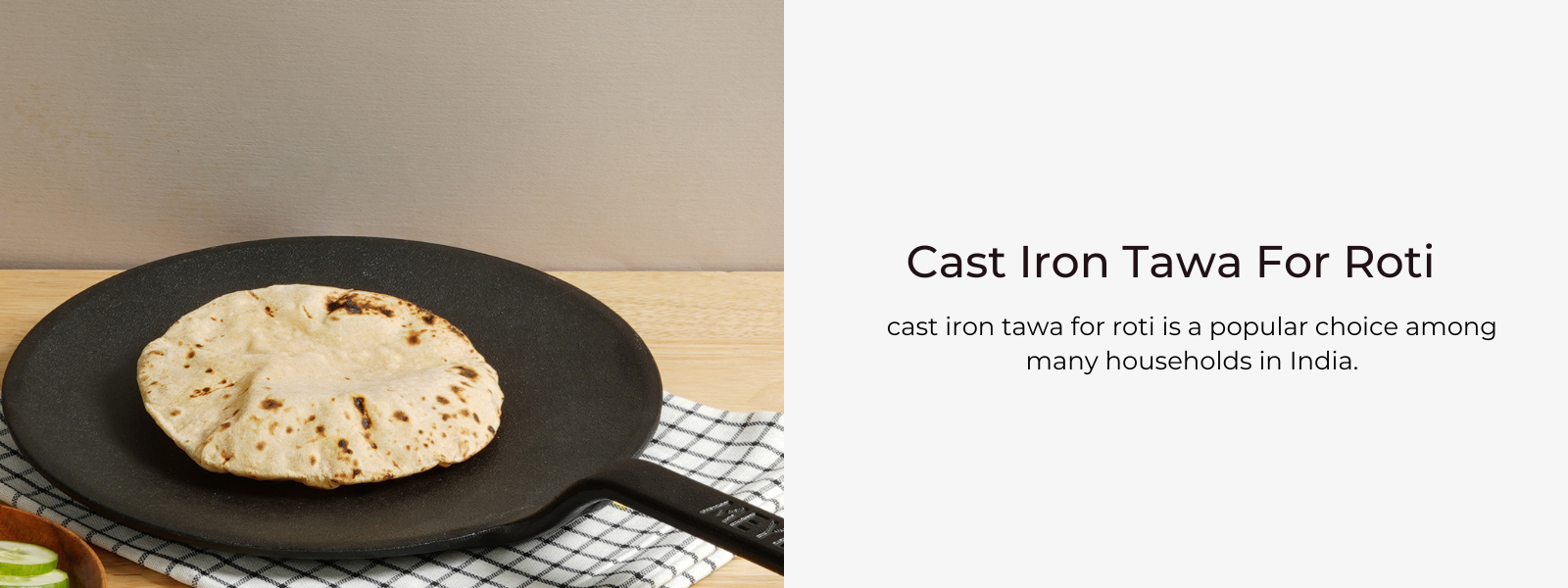
Best Cast Iron Tawa For Roti In India For Easy Cooking
2 Items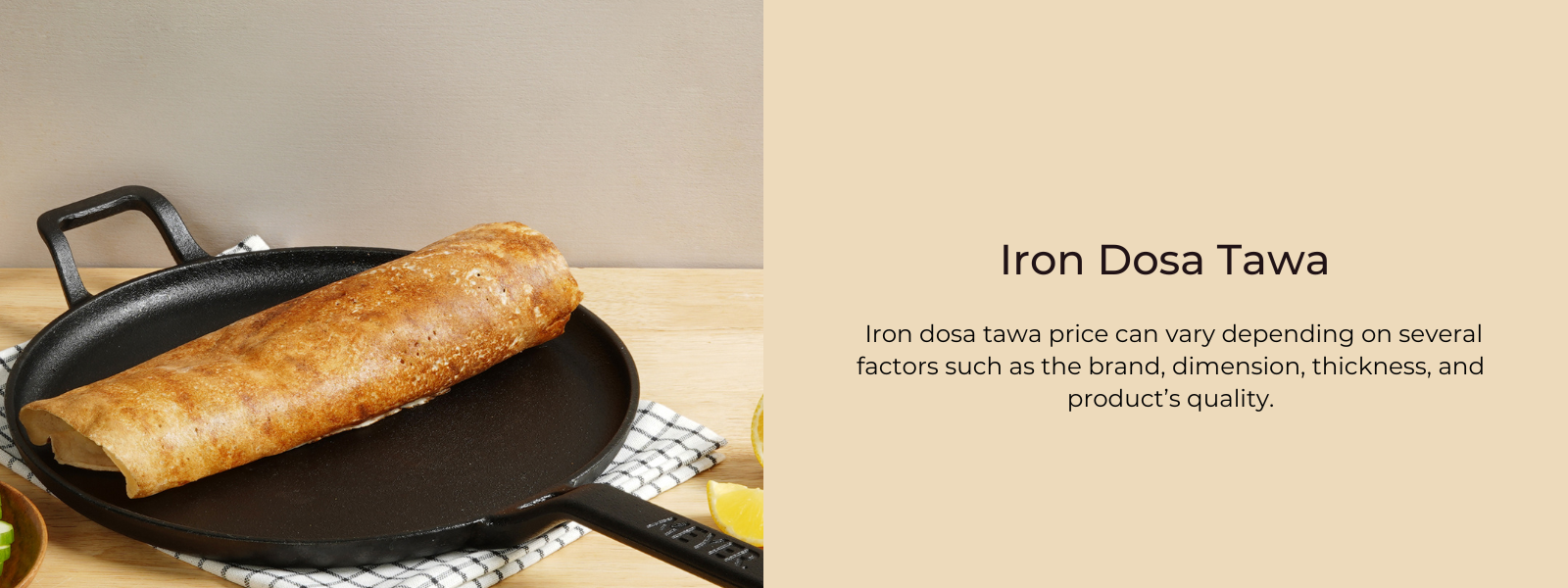
Best Iron Dosa Tawa Price: Pre-seasoned Cast Iron Tawa at a Special Rate
2 Items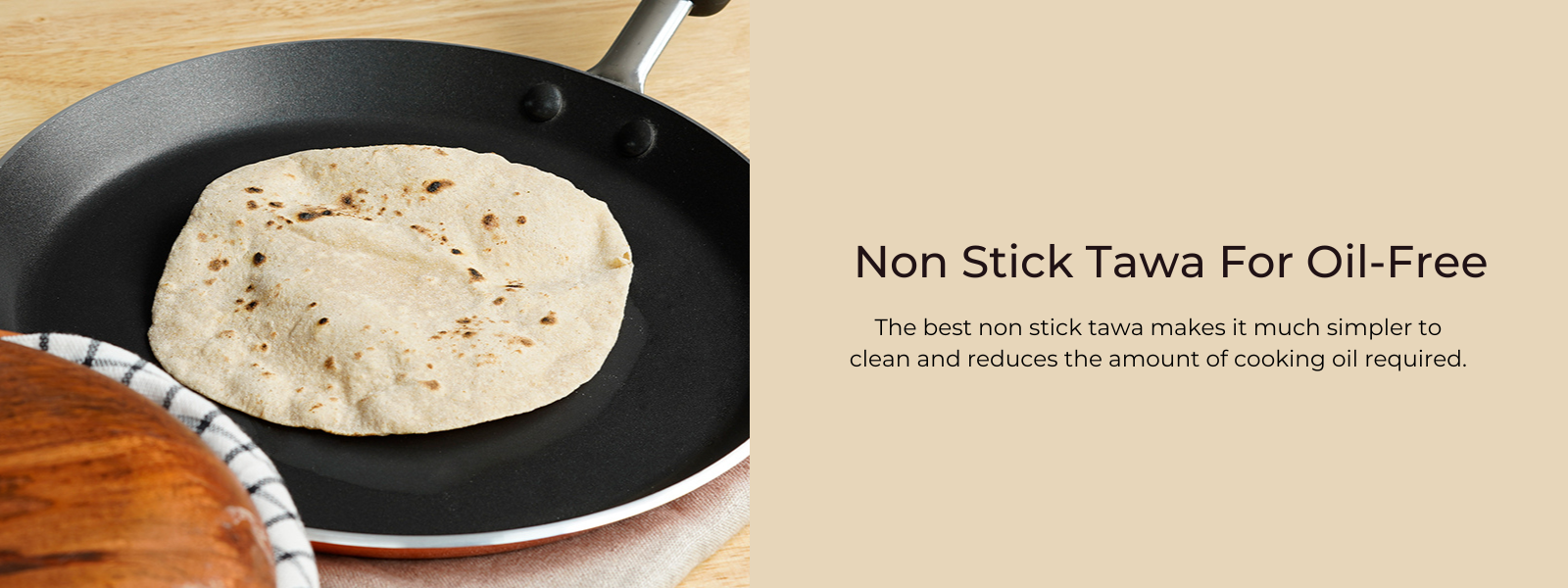
Best Non Stick Tawa For Oil-Free Cooking In 2023
2 Items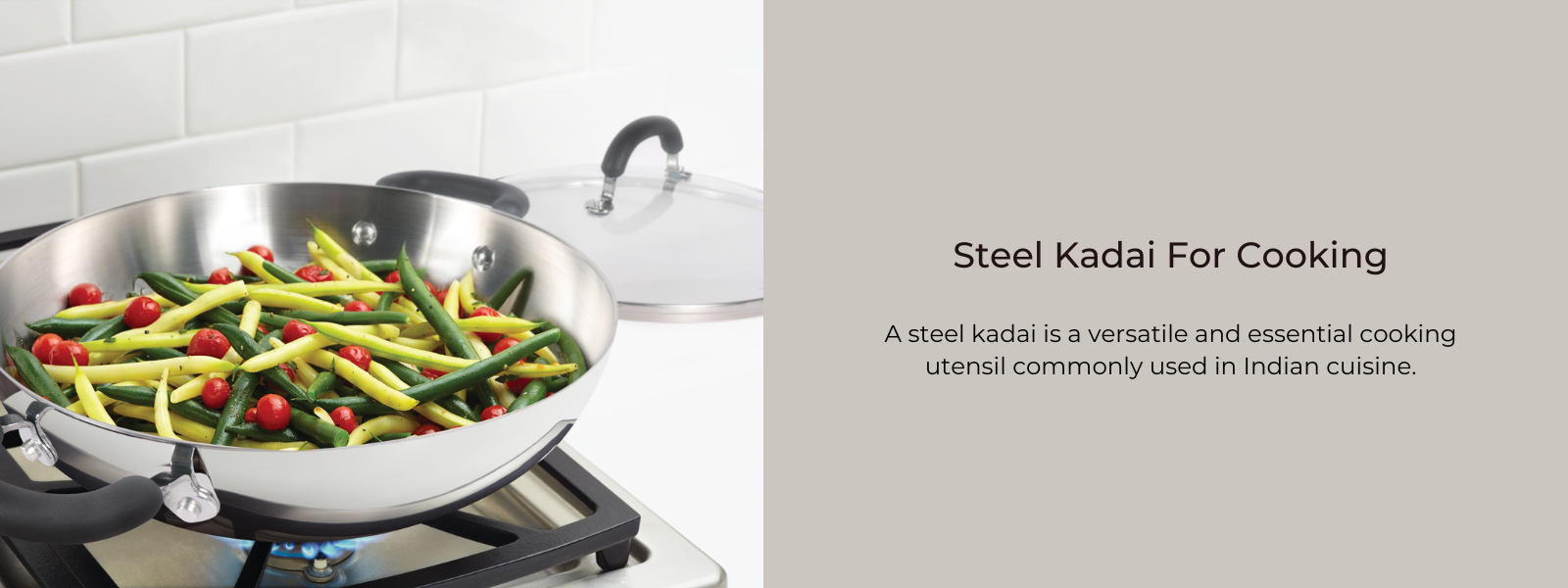
Steel Kadai For Cooking: Versatile Cookware For Indian Meals
2 Items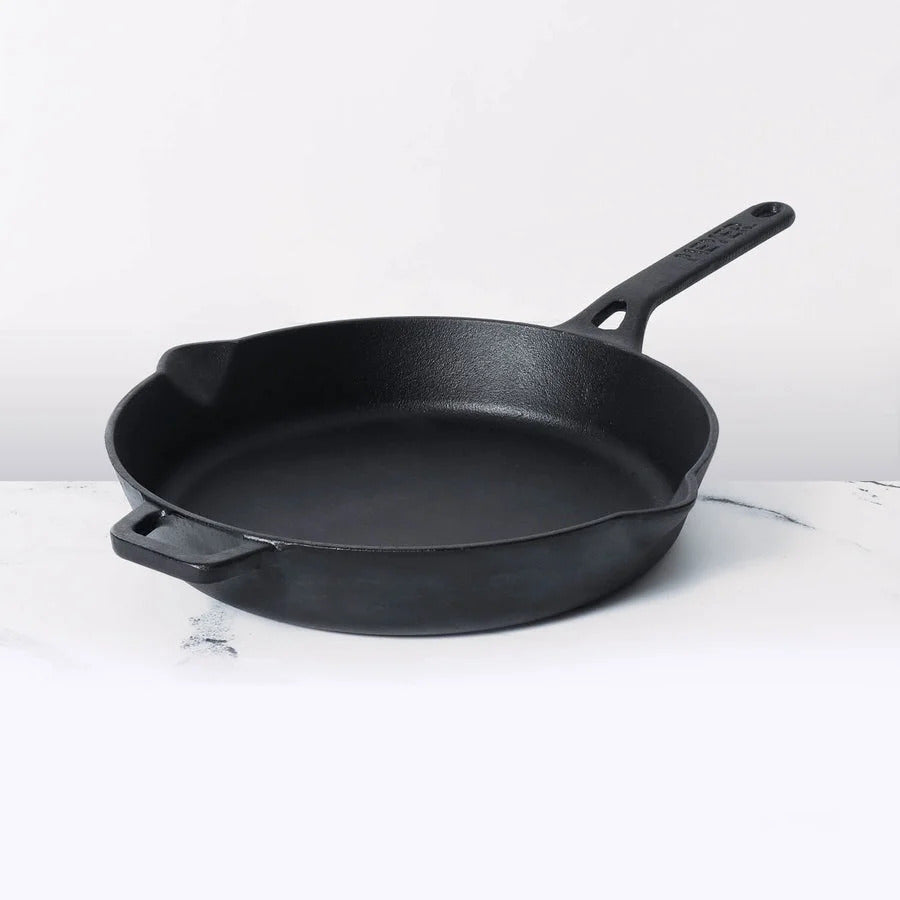


Leave a comment