



Indian sweets demand patience, precision, and most importantly—the right cookware. Whether you are preparing rich halwas, creamy kheer, or festive mithai, the cooking process often involves slow simmering, constant stirring, and careful heat control. The wrong cookware can lead to burning, sticking, or uneven textures, while the right one enhances flavour, consistency, and ease of cooking.
This guide explores the best cookware choices for making Indian sweets, with a focus on high-performance options like Meyer Trivantage and cast iron cookware that deliver both control and authenticity.
Table of Contents
Why Cookware Matters for Indian Sweets
Unlike everyday cooking, sweet-making is highly sensitive to heat. Dishes like halwa require continuous roasting, while kheer needs slow simmering to achieve the right thickness and richness.
Uneven heat can cause milk to scorch, sugar to caramelise too quickly, or mixtures to stick to the bottom. That is why cookware with even heat distribution and good heat retention is essential for achieving perfect results.

Meyer Trivantage: Precision for Delicate Sweet Preparations
Triply cookware like Meyer Trivantage is ideal for sweets that require controlled cooking and gradual heat application.
Its three-layer construction ensures that heat spreads evenly across the base and sides, which is especially important for dishes like kheer, rabri, and milk-based desserts. This prevents scorching and allows the mixture to thicken slowly and evenly.
It works best for:
-
Kheer and payasam
-
Rabri and condensed milk desserts
-
Sugar syrup-based sweets
The responsiveness of triply cookware also allows you to adjust heat quickly, which is crucial when working with sugar stages or reducing milk.
Cast Iron Cookware: Perfect for Halwa and Slow Roasting
Cast iron cookware is a traditional favourite for making halwa and other roasted sweets. Its ability to retain heat makes it ideal for slow cooking processes that require consistent temperature.
For dishes like gajar halwa, atta halwa, or sooji halwa, cast iron allows ingredients to roast evenly without burning. The steady heat helps develop deep flavour and ensures that the mixture cooks uniformly.
It is particularly effective for:
-
Halwa varieties
-
Roasting semolina or flour
-
Slow-cooked festive sweets
Over time, the seasoned surface of cast iron improves performance and enhances the overall taste of the dish.
Kadai: The Essential Vessel for Indian Mithai
A kadai is the most commonly used cookware for making Indian sweets. Its deep and wide design allows for continuous stirring, which is essential for preventing sticking and achieving the right consistency.
When made with triply stainless steel, it offers even heat distribution for delicate sweets. When made with cast iron, it provides stability and depth of flavour for roasted sweets.
A good kadai ensures that ingredients cook evenly and gives you enough space to handle larger quantities during festive cooking.
Saucepan: Ideal for Milk-Based Sweets
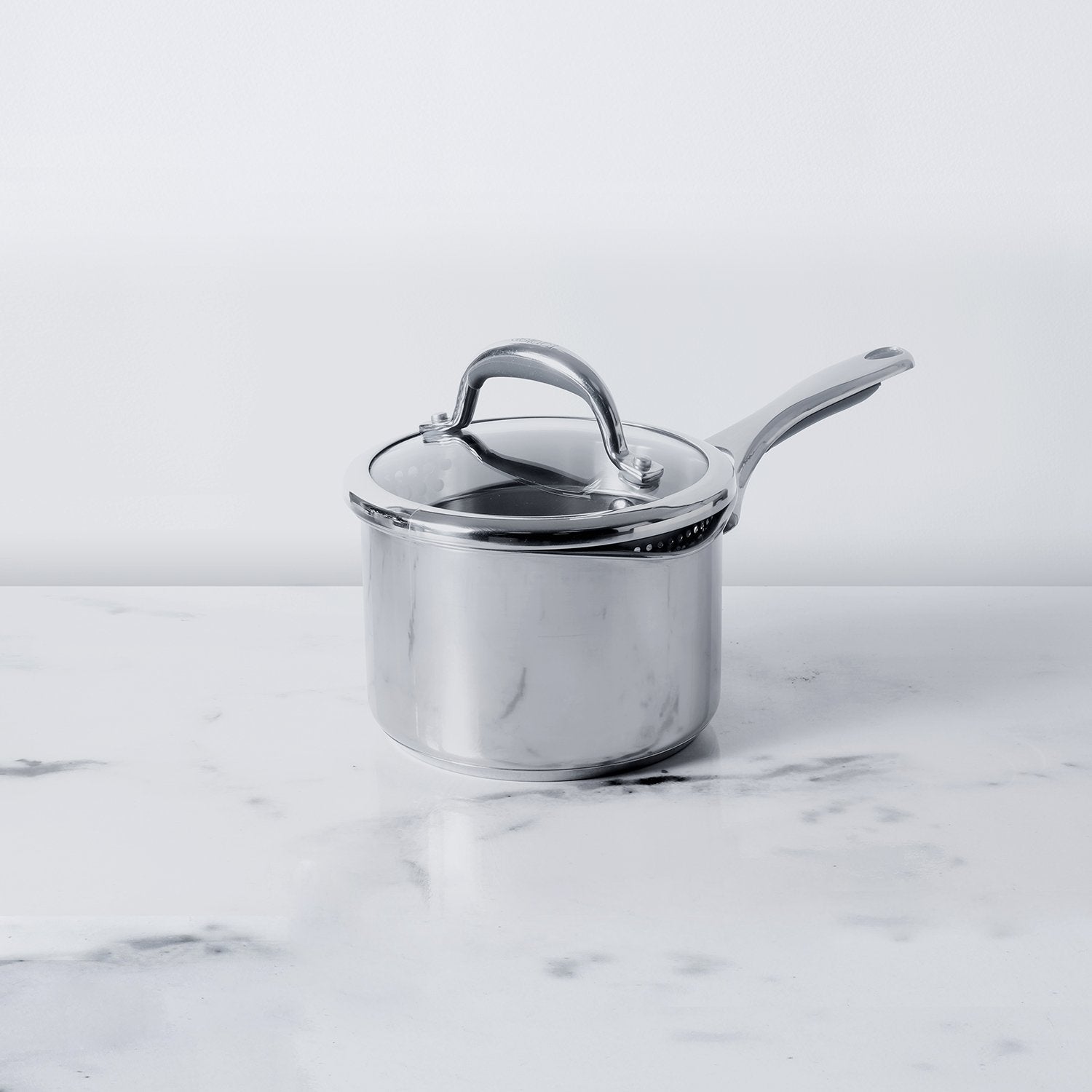
For desserts that involve boiling and reducing milk, a saucepan is a must-have. It allows for controlled simmering and makes it easier to monitor consistency.
Triply saucepans are especially effective because they prevent milk from sticking or burning at the base. This is essential for dishes like kheer, basundi, and custard-based Indian desserts.
The depth of a saucepan also helps reduce splatter and allows for steady cooking over time.
Choosing the Right Cookware for Different Sweets
Different sweets require different cooking techniques, and selecting the right cookware can make a significant difference.
For halwa and roasted sweets, cast iron cookware is the best choice due to its heat retention and ability to handle prolonged cooking. For milk-based sweets, triply cookware provides better control and prevents scorching.
Using a combination of both allows you to prepare a wide variety of sweets with ease and consistency.
Key Features to Look For
When choosing cookware for making sweets, even heat distribution is critical to prevent burning. Heat retention is equally important for slow cooking processes.
A thick base helps maintain temperature and ensures that ingredients cook uniformly. Durability is essential for handling frequent stirring and long cooking times.
Ease of cleaning also matters, especially when working with sugar and milk, which can leave residue if not managed properly.
Building a Sweet-Making Cookware Setup
A well-equipped kitchen for making Indian sweets includes a triply kadai or saucepan for milk-based dishes and a cast iron kadai for halwas and roasted sweets.
This combination allows you to handle everything from quick desserts to elaborate festive preparations without compromising on quality.
Final Thoughts
Making Indian sweets is both an art and a science, and the right cookware plays a crucial role in achieving the perfect balance of flavour and texture.
Meyer Trivantage cookware offers precision, even heating, and control for delicate recipes, while cast iron cookware provides the stability and depth needed for traditional sweets like halwa.
By choosing the right combination, you can recreate authentic, rich, and perfectly cooked Indian desserts in your own kitchen with confidence.
MORE FROM BLOG
Top Collections
Is cast iron superior to other cookware? Discover best cookware material in India
2 Items
Cooking Sweets in Style: Diwali Dessert Cookware
2 Items
High-quality non-stick cookware in India under INR 3000
2 Items
How to Maintain Your Cast Iron Cookware
2 Items
How to turn cast iron into non-stick cookware
2 Items
Know your Ceramic Cookware better
2 Items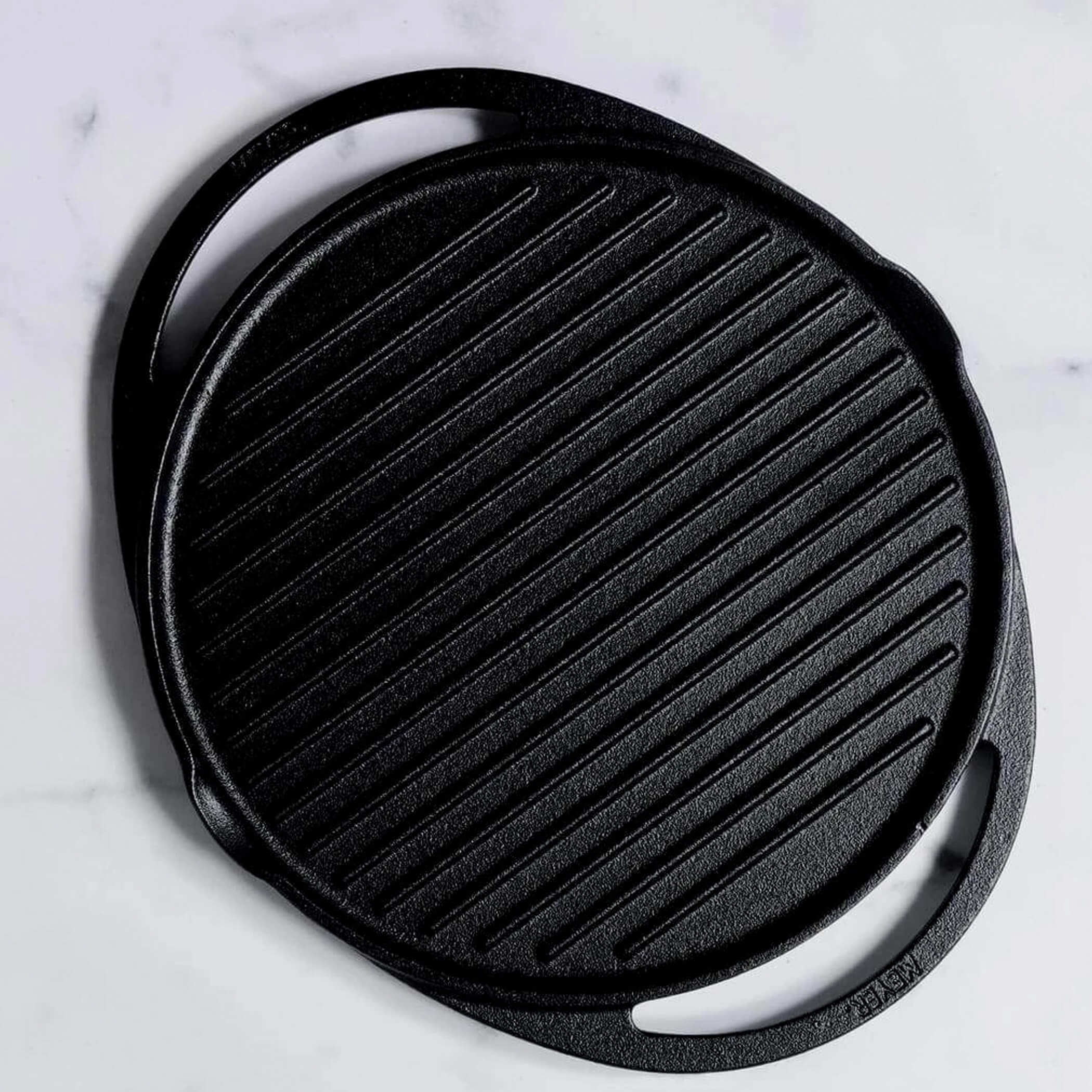


Leave a comment