



Setting up a new kitchen is an exciting milestone—but when it comes to choosing cookware, it can quickly feel overwhelming. With endless options across materials, sizes, and price ranges, beginners often struggle with one simple question: what cookware set should I actually start with?
The truth is, you don’t need everything at once. What you need is a well-balanced, thoughtfully chosen cookware set that supports your daily cooking habits, simplifies your routine, and grows with your confidence in the kitchen.
Table of Contents
- 1. Why Choosing the Right Cookware Set Matters
- 2. What Should a Beginner Cookware Set Include?
- 3. Choosing the Right Material
- 4. Why a Mixed Cookware Set Is the Smartest Choice
- 5. Key Features to Look for in a Beginner Cookware Set
- 6. The Meyer Advantage for Beginners
- 7. Common Mistakes Beginners Should Avoid
- 8. Building Your Cookware Collection Over Time
- 9. Final Thoughts
Why Choosing the Right Cookware Set Matters
For beginners, cookware is not just about cooking—it’s about learning, experimenting, and building confidence. The right set can make cooking easier, reduce mistakes, and encourage you to try new recipes.
A poorly chosen set, on the other hand, can lead to:
-
Food sticking or burning
-
Uneven cooking
-
Frustration and lack of confidence
That’s why investing in the right cookware from the beginning is essential. It sets the tone for your entire cooking journey.

What Should a Beginner Cookware Set Include?
Instead of buying large, complicated sets, beginners should focus on essential, multi-purpose pieces that cover everyday cooking needs.
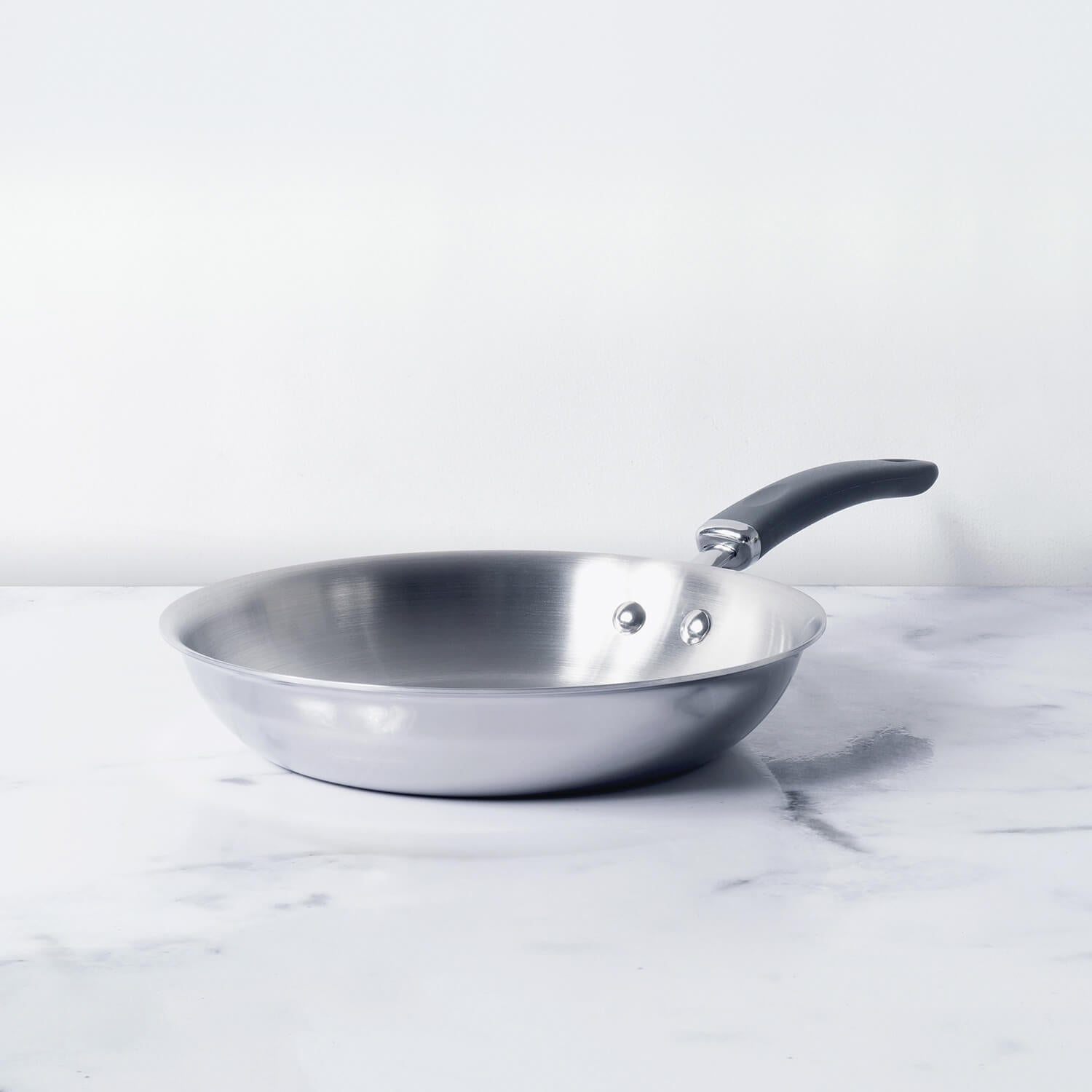
1. Fry Pan (Essential for Everyday Cooking)
A fry pan is one of the most frequently used pieces in any kitchen. It’s perfect for:
-
Eggs and omelettes
-
Stir-frying vegetables
-
Shallow frying snacks
For beginners, a non-stick fry pan is ideal because it:
-
Prevents food from sticking
-
Requires less oil
-
Is easy to clean
2. Kadai or Wok (For Indian Cooking)
No Indian kitchen is complete without a kadai. It is incredibly versatile and can be used for:
-
Sabzis and curries
-
Deep frying
-
Sautéing spices
A triply stainless steel or non-stick kadai works well for beginners, offering both durability and ease of use.
3. Saucepan or Milkpan
A saucepan is essential for:
-
Boiling milk
-
Making tea or coffee
-
Cooking small portions of dal or sauces
It’s a must-have for everyday convenience and quick cooking tasks.
4. Tawa (For Roti and Dosa)
If you plan to cook Indian staples like roti, paratha, or dosa, a tawa is essential.
Depending on your preference:
-
Choose cast iron for authentic results
-
Choose non-stick for ease and convenience
5. Pressure Cooker (Optional but Highly Recommended)
For Indian cooking, a pressure cooker is extremely useful for:
-
Cooking dals
-
Preparing rice
-
Speeding up meal prep
It saves time and energy, making it ideal for beginners.
Choosing the Right Material: What Works Best for Beginners?
The material of your cookware plays a huge role in performance, durability, and ease of use.
Non-Stick Cookware: Best for Ease and Convenience
Non-stick cookware is often the first choice for beginners because it is:
-
Easy to use
-
Requires less oil
-
Simple to clean
It’s ideal for quick meals and everyday cooking.
Stainless Steel: Best for Durability and Versatility
Stainless steel cookware is a long-term investment. It is:
-
Extremely durable
-
Non-reactive with food
-
Suitable for a wide range of recipes
While it requires a bit of technique, it delivers excellent results once you get used to it.
Cast Iron: Best for Traditional Cooking
Cast iron offers:
-
Excellent heat retention
-
Natural non-stick properties over time
-
Rich flavour development
However, it requires seasoning and maintenance, which may not suit all beginners.
Why a Mixed Cookware Set Is the Smartest Choice
For beginners, no single material can do everything perfectly. That’s why a mixed cookware set—combining non-stick and stainless steel—is often the best option.
This allows you to:
-
Use non-stick for easy, quick cooking
-
Use stainless steel for curries and high-heat cooking
-
Build skills gradually
Cookware sets from Meyer are designed with this balance in mind, offering combinations that suit real Indian cooking needs.
Key Features to Look for in a Beginner Cookware Set
1. Even Heat Distribution
Uneven heating can lead to burnt food or undercooked meals. Look for cookware that distributes heat evenly across the surface.
2. Compatibility with Gas and Induction
Modern kitchens often use both gas and induction cooktops. Choosing cookware that works on both ensures flexibility and future-proofing.
3. Comfortable and Safe Design
Handles should be sturdy and comfortable to hold. Lids should fit well and allow controlled cooking.
4. Easy Maintenance
Beginners benefit from cookware that is easy to clean and maintain, especially during busy routines.
The Meyer Advantage for Beginners
When setting up your first kitchen, choosing a trusted brand can make a big difference. Meyer cookware is designed with a deep understanding of Indian cooking styles and modern kitchen needs.
What makes Meyer ideal for beginners:
-
Thoughtfully Curated Sets: Designed to include essential pieces without overwhelming you
-
Balanced Materials: A mix of non-stick and stainless steel for versatility
-
Even Heat Distribution: Ensures consistent cooking results
-
Induction Compatibility: Works seamlessly across different cooktops
-
Durability: Built for everyday use and long-term performance
With Meyer, you’re not just buying cookware—you’re investing in a smoother, more enjoyable cooking experience.
Common Mistakes Beginners Should Avoid
Buying Too Many Pieces
Large sets may seem attractive but often include items you rarely use.
Choosing Only One Material
Relying solely on non-stick or stainless steel can limit your cooking flexibility.
Ignoring Quality
Low-quality cookware may save money initially but often leads to poor performance and frequent replacements.
Building Your Cookware Collection Over Time
A beginner cookware set is just the starting point. As you gain confidence, you can gradually expand your collection.
You might add:
-
A cast iron pan for high-heat cooking
-
A larger stockpot for family meals
-
Specialty cookware for specific recipes
Starting simple allows you to understand your needs before investing further.
Final Thoughts
Setting up a new kitchen doesn’t require buying everything at once. The key is to start with a smart, well-balanced cookware set that covers your everyday needs and supports your learning journey.
By choosing the right materials, essential pieces, and reliable brands like Meyer, you can create a kitchen that is efficient, versatile, and enjoyable to use.
A good cookware set doesn’t just help you cook—it helps you build confidence, explore new recipes, and truly enjoy the process of cooking.
MORE FROM BLOG
Top Collections
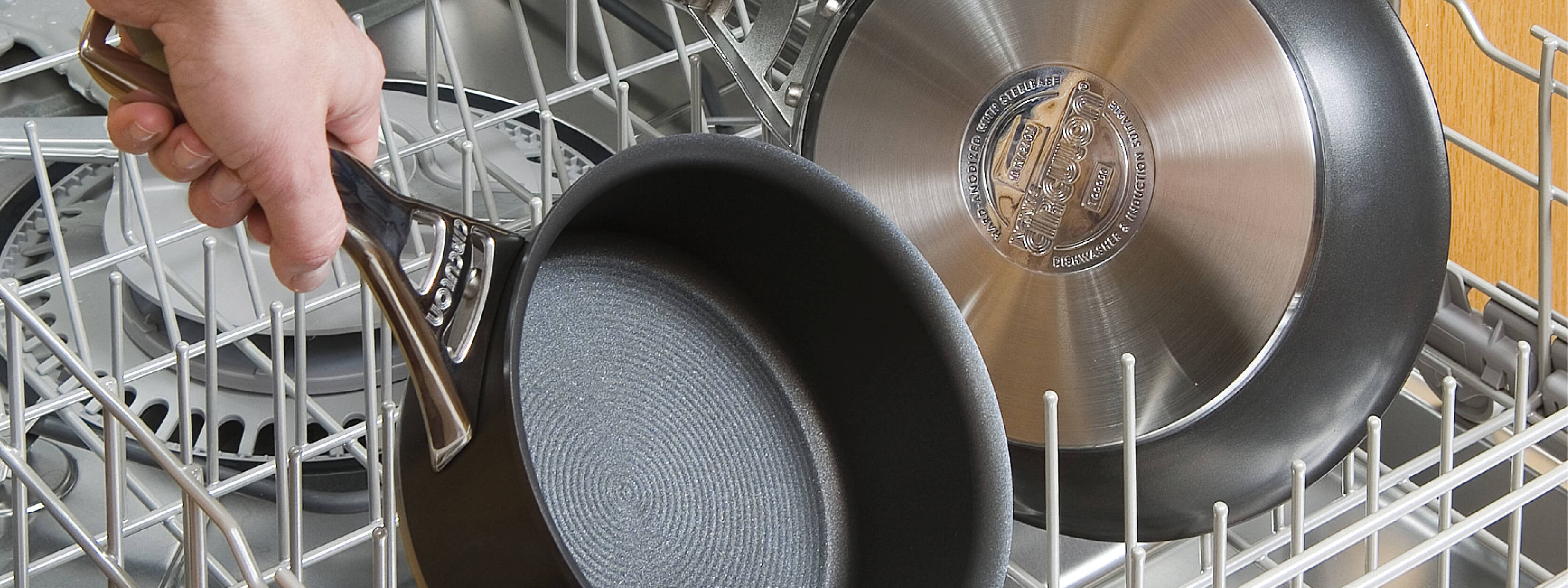
5 key factors to consider before buying a cookware
2 Items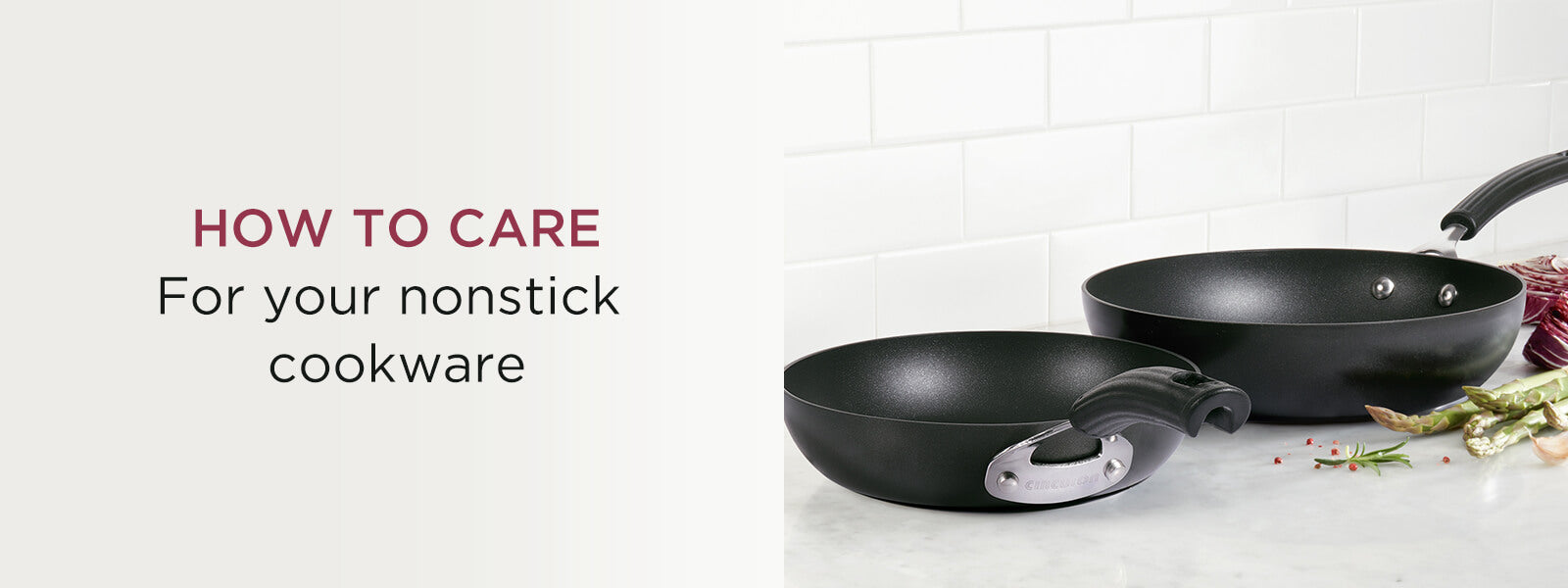
7 Easy Tips For Better Care Of Non-Stick Cookware
2 Items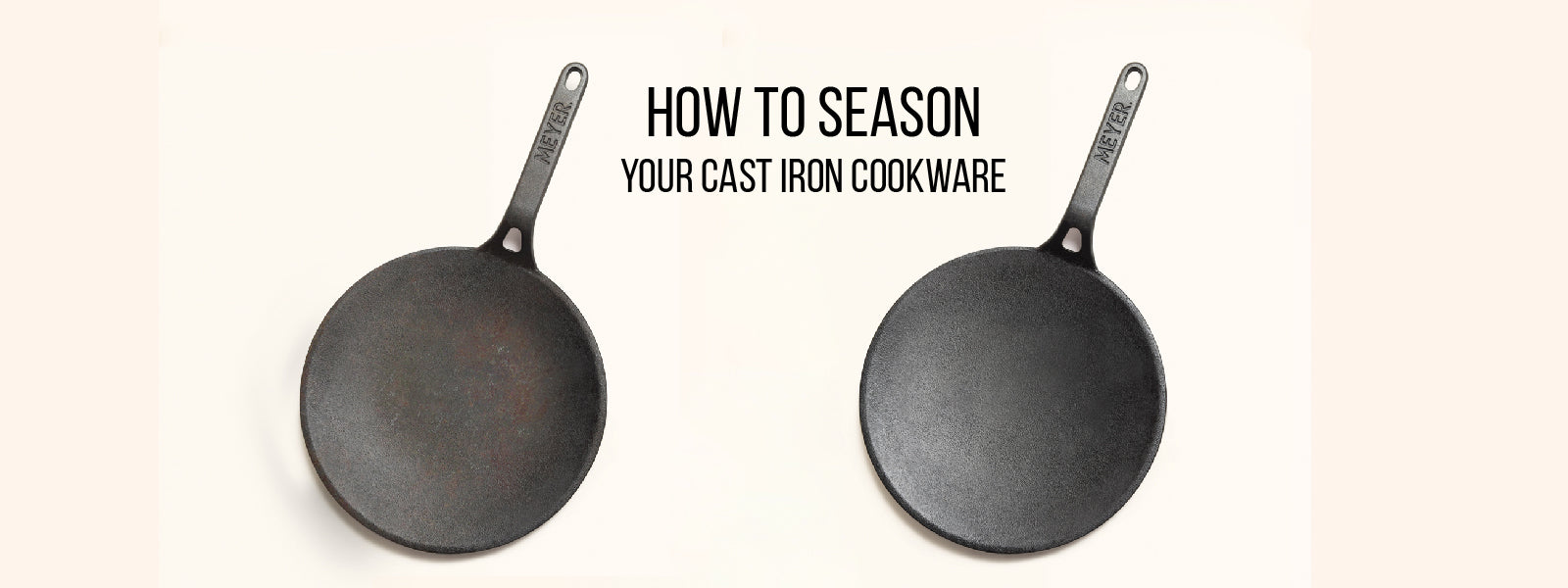
How To Season Cast Iron Cookware?
2 Items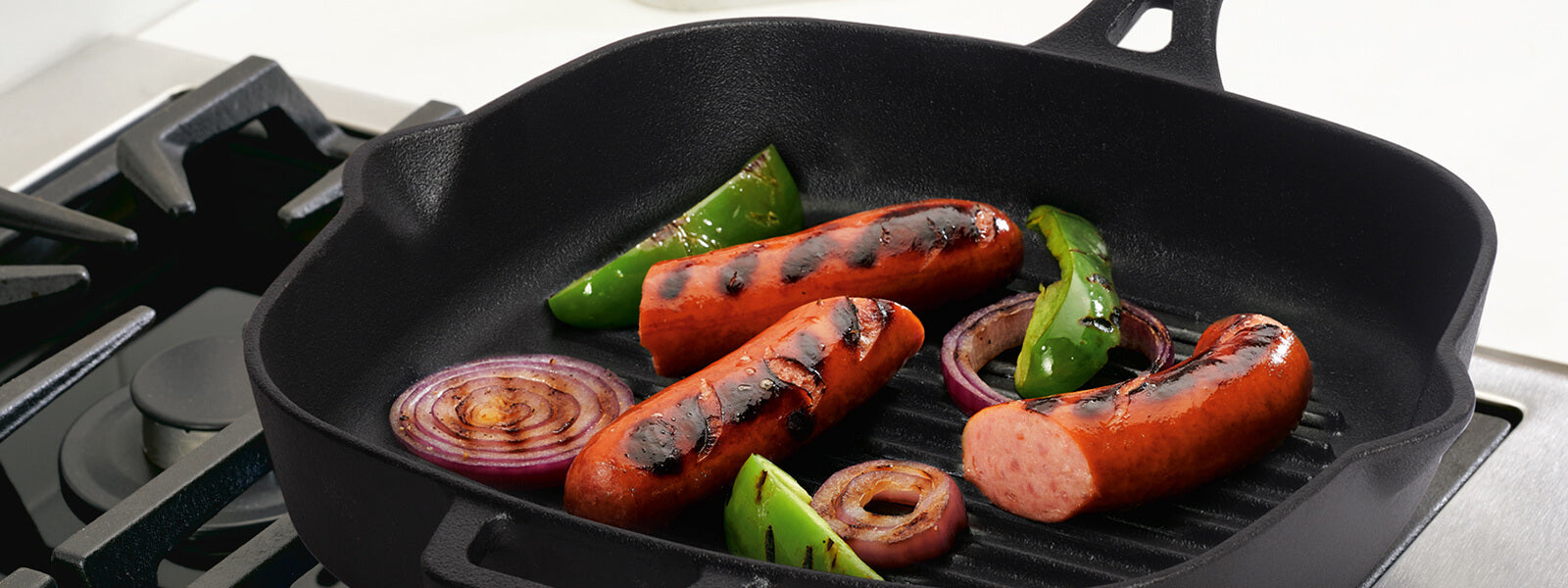
A-Z Guide To Cast Iron Cookware; Use & Utility
2 Items
Benefits of Using Nonstick Cookware for Weight Management
2 Items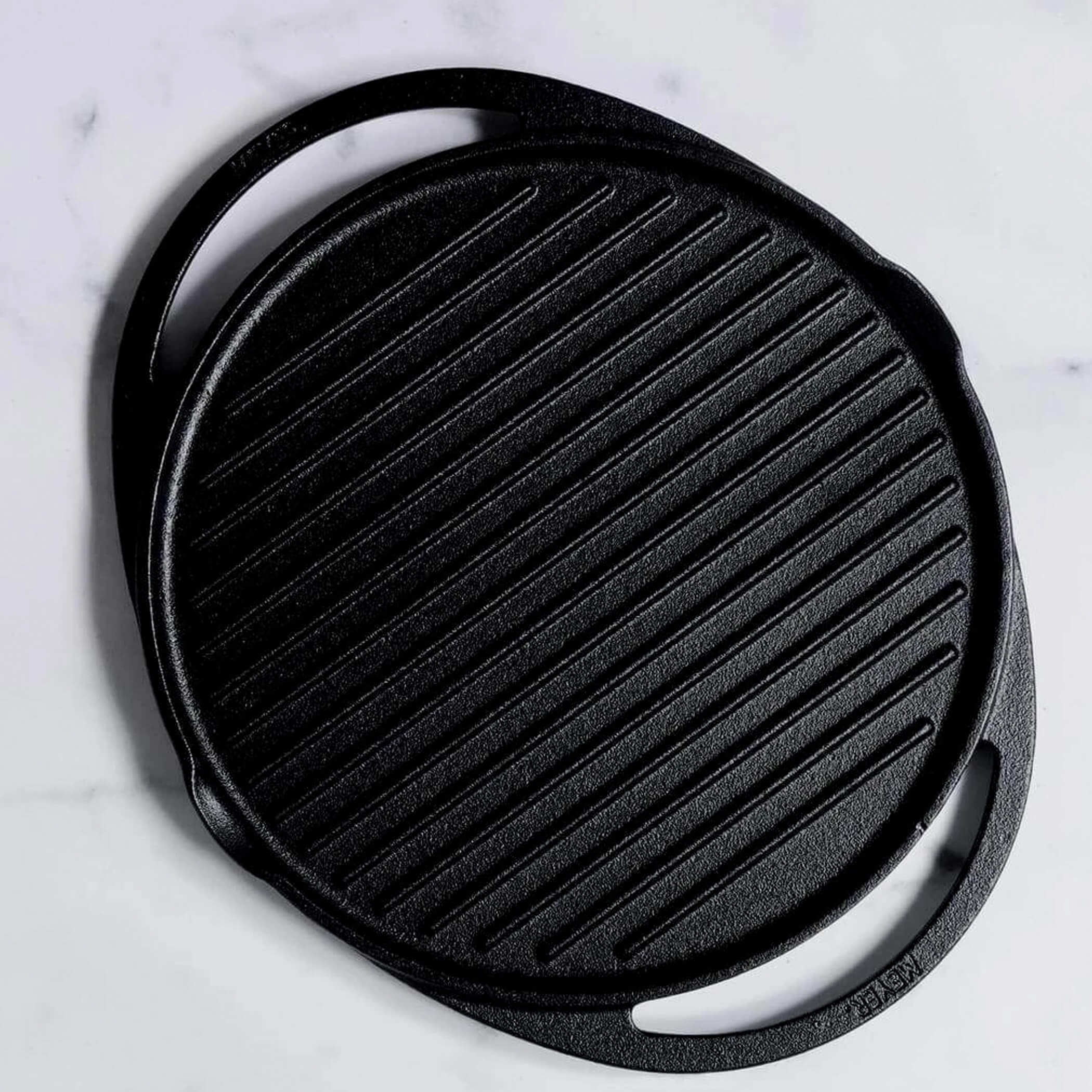


Leave a comment