



In an Indian kitchen, the humble kadai is one of the most versatile and frequently used cookware pieces. Whether you’re deep frying crispy pakoras or sautéing spices for a rich curry base, the kadai plays a central role in shaping both texture and flavour.
However, not all kadais perform equally across cooking styles. The requirements for deep frying and sautéing are quite different, and choosing the right kadai for each can significantly improve your cooking results, efficiency, and even safety.
Table of Contents
- 1. Understanding the Difference
- 2. What Makes a Kadai Ideal for Deep Frying?
- 3. Best Kadai Materials for Deep Frying
- 4. What Makes a Kadai Ideal for Sautéing?
- 5. Best Kadai Materials for Sautéing
- 6. Can One Kadai Do Both?
- 7. Choosing the Right Kadai for Your Kitchen
- 8. Why Choose Meyer Kadai for Everyday Indian Cooking?
- 9. Final Thoughts
Understanding the Difference: Deep Frying vs Sautéing
Before selecting the right kadai, it’s important to understand how these two cooking methods differ.
Deep frying involves submerging food completely in hot oil, usually at high temperatures. It requires stable heat retention, sufficient depth, and safety in handling large volumes of oil.
Sautéing, on the other hand, uses minimal oil and involves cooking ingredients quickly over medium to high heat. It requires responsive heat control and a surface that prevents excessive sticking.
Because these methods demand different performance characteristics, the ideal kadai for one may not be the best for the other.

What Makes a Kadai Ideal for Deep Frying?
Deep frying is all about maintaining consistent oil temperature and ensuring safety during cooking.
1. Deep and Wide Shape
A kadai with high walls and ample depth is essential for deep frying. It allows oil to circulate properly and prevents splashing when food is added.
The curved sides also help in:
-
Even heat distribution
-
Easy stirring and turning
-
Better oil management
2. Excellent Heat Retention
For deep frying, maintaining a stable oil temperature is critical. If the temperature drops suddenly, food absorbs excess oil and becomes soggy.
Materials like:
-
Cast iron
-
Heavy-gauge stainless steel (triply)
are ideal because they retain heat well and recover temperature quickly after adding food.
3. Stability and Weight
A heavier kadai provides better stability when handling hot oil. It reduces the risk of tipping and ensures safer cooking.
This is especially important when frying in larger quantities.
4. Durability Under High Heat
Deep frying involves sustained high temperatures. The kadai must be able to withstand this without warping or degrading over time.
High-quality kadais from Meyer are designed to handle such conditions, offering durability and consistent performance.
Best Kadai Materials for Deep Frying
Cast iron is one of the best choices for deep frying due to its superior heat retention. It keeps oil temperature stable, resulting in evenly fried, crispy food.
It is ideal for:
-
Pakoras
-
Pooris
-
Samosas
-
Vadas
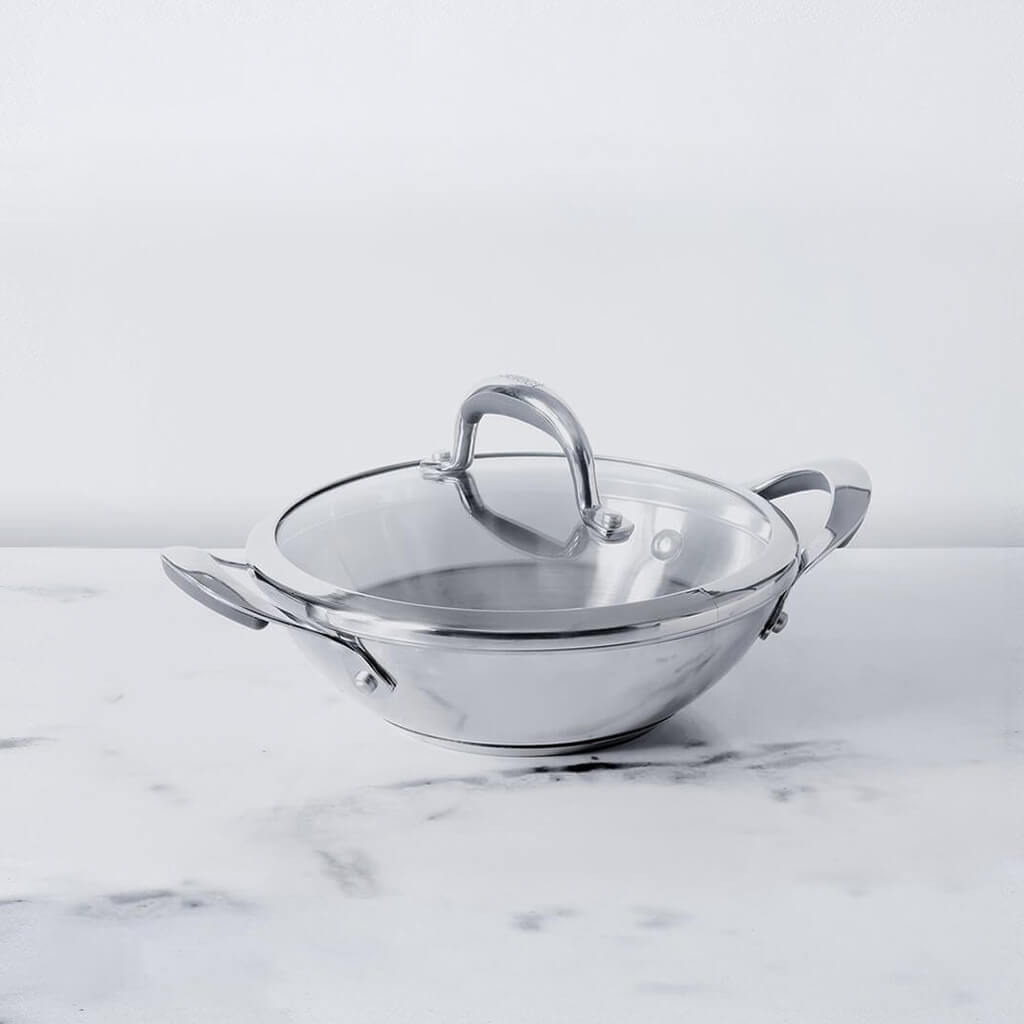
Triply stainless steel combines durability with even heat distribution. Its aluminium core ensures uniform heating, while the stainless steel surface remains non-reactive.
It is a great option for those who want:
-
Lower maintenance than cast iron
-
Consistent frying results
-
Long-term durability
What Makes a Kadai Ideal for Sautéing?
Sautéing focuses on quick cooking, flavour development, and control over heat.
1. Quick Heat Responsiveness
Unlike deep frying, sautéing requires cookware that responds quickly to temperature changes.
This allows you to:
-
Prevent burning spices
-
Control browning
-
Adjust heat instantly
2. Moderate Depth with Wide Base
A kadai for sautéing should have:
-
A wide base for better contact with heat
-
Slightly curved sides for easy stirring
This ensures that ingredients cook evenly without overcrowding.
3. Reduced Sticking
Since sautéing uses less oil, the cooking surface plays a crucial role.
Non-stick or well-finished stainless steel kadais help:
-
Prevent sticking
-
Make cooking easier for beginners
-
Simplify cleaning
Best Kadai Materials for Sautéing
Non-stick kadais are perfect for everyday sautéing. They require less oil and make cooking and cleaning effortless.
They are ideal for:
-
Sabzis
-
Masala bases
-
Stir-fried vegetables
Stainless Steel Kadai
Stainless steel kadais are excellent for sautéing when used with proper technique. They allow better browning and flavour development compared to non-stick surfaces.
They are ideal for:
-
Gravies
-
Onion-tomato masalas
-
Dishes requiring caramelisation
span>Can One Kadai Do Both?
Many home cooks prefer a single kadai that can handle both deep frying and sautéing. While this is possible, it requires choosing the right material and construction.
A triply stainless steel kadai is one of the most versatile options. It offers:
-
Even heat distribution for sautéing
-
Sufficient heat retention for frying
-
Durability for daily use
However, for best results, having separate kadais for each purpose can enhance cooking efficiency and outcomes.
Choosing the Right Kadai for Your Kitchen
When selecting a kadai, consider:
Your Cooking Style
If you fry frequently, prioritise heat retention and depth. If you sauté more often, focus on responsiveness and ease of use.
Frequency of Use
Daily cooking requires durable and low-maintenance cookware.
Heat Source Compatibility
Ensure the kadai works well on your cooktop, whether gas or induction.
Ease of Maintenance
Choose a material that fits your lifestyle—cast iron requires seasoning, while non-stick and stainless steel are easier to maintain.
Why Choose Meyer Kadai for Everyday Indian Cooking?
When it comes to selecting the right kadai, performance is only part of the equation. What truly enhances your cooking experience is cookware that is thoughtfully designed for real Indian kitchen needs—from high-heat frying to everyday sautéing.
Meyer brings this understanding into every kadai it crafts, combining material innovation with practical design. Whether you're preparing a quick sabzi or deep frying festive snacks, Meyer kadais are built to support a wide range of cooking styles with consistency and ease.
Here’s what sets them apart:
-
Engineered for Even Heating: Carefully designed bases ensure uniform heat distribution, helping prevent burnt spices and uneven cooking—especially important for Indian recipes.
-
Material Versatility: From cast iron for deep frying to non-stick for easy sautéing and stainless steel for balanced performance, Meyer offers options suited to every cooking need.
-
Built for Daily Use: Durable construction ensures that the kadai withstands frequent cooking, high temperatures, and long hours in the kitchen without losing performance.
-
User-Friendly Design: Thoughtful features like comfortable handles, balanced weight, and easy maintenance make everyday cooking more convenient.
-
Modern Kitchen Compatibility: Designed to work seamlessly across gas and induction cooktops, making them suitable for evolving kitchen setups.
With Meyer kadais, you’re not just choosing cookware—you’re investing in a solution that adapts to your cooking style, simplifies your routine, and consistently delivers better results.
Final Thoughts
Choosing the best kadai for deep frying vs sautéing depends on how you cook and what you cook most often.
Deep frying demands heat retention, stability, and depth—making cast iron and triply stainless steel excellent choices. Sautéing requires responsiveness, control, and ease—making non-stick and stainless steel ideal options.
While a versatile kadai can handle both tasks, understanding these differences helps you make a smarter, more informed decision.
With the right kadai in your kitchen, you can elevate your cooking—ensuring better textures, richer flavours, and a more enjoyable cooking experience every day.
MORE FROM BLOG
Top Collections

7 Delicious Recipes You Can Prepare in Your Cast Iron Kadai
2 Items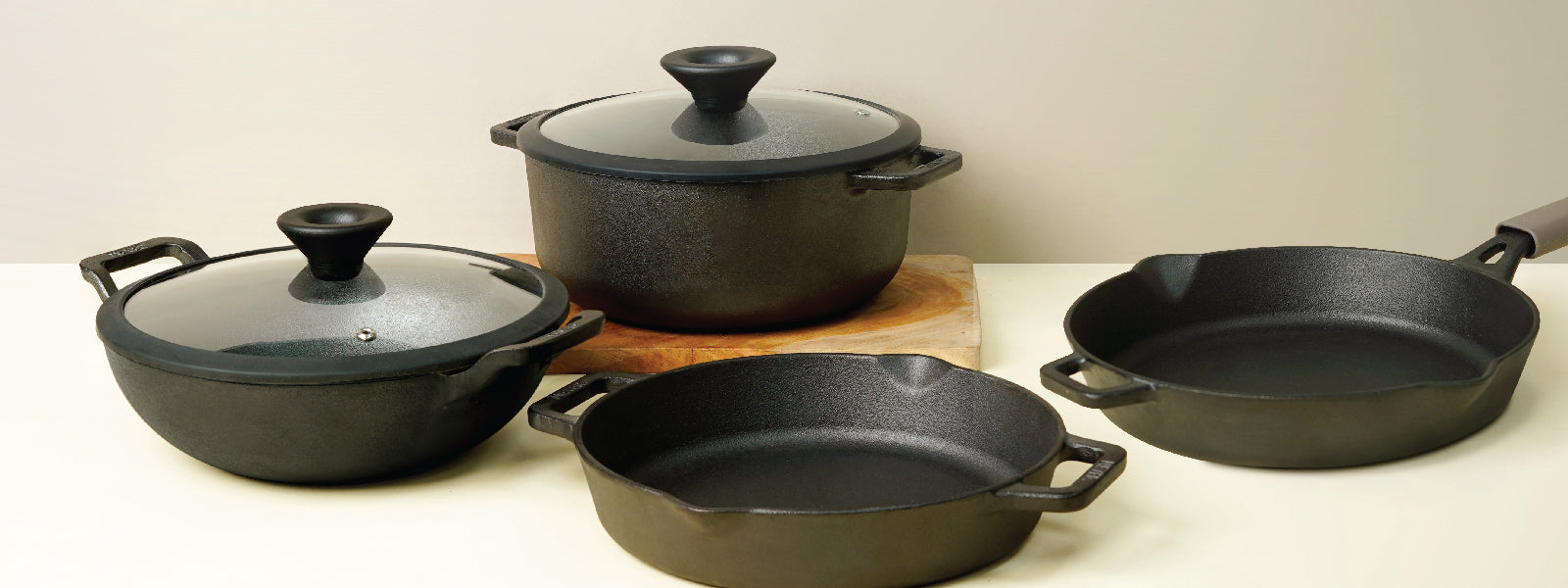
Benefits and Recipes for Cooking with a Cast Iron Kadai with Lid
2 Items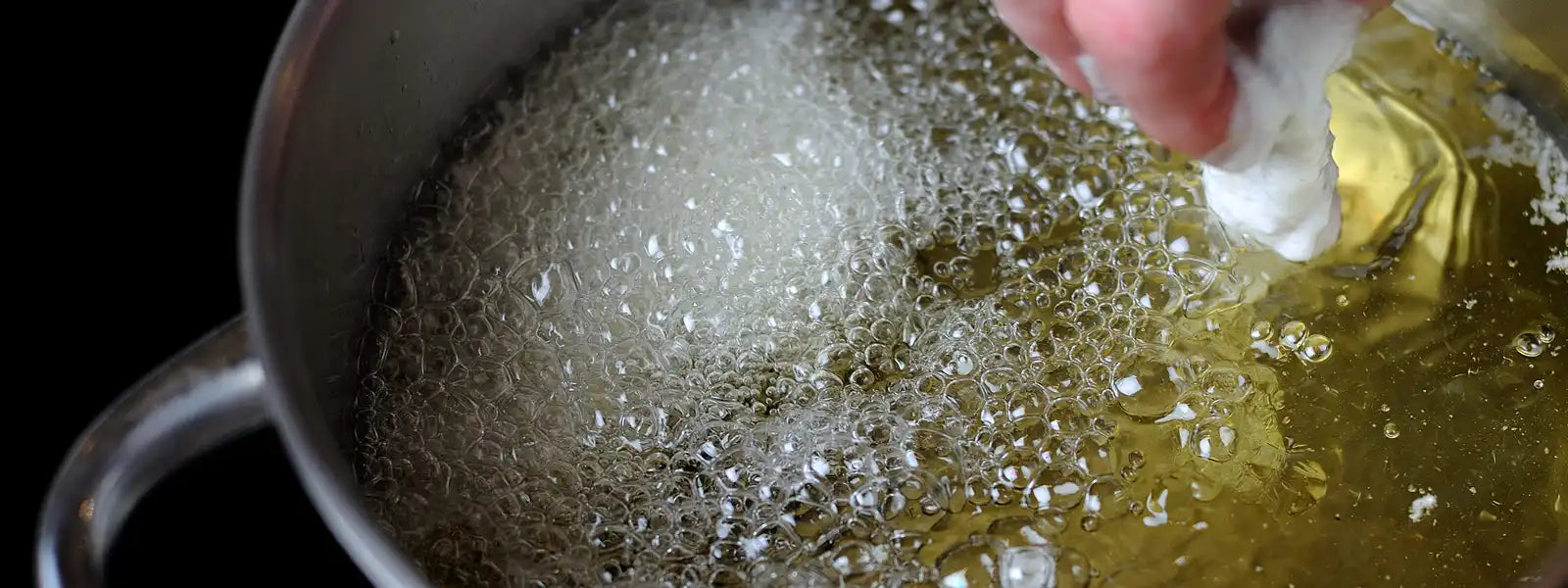
Best Stainless Steel Kadai for Deep Frying
2 Items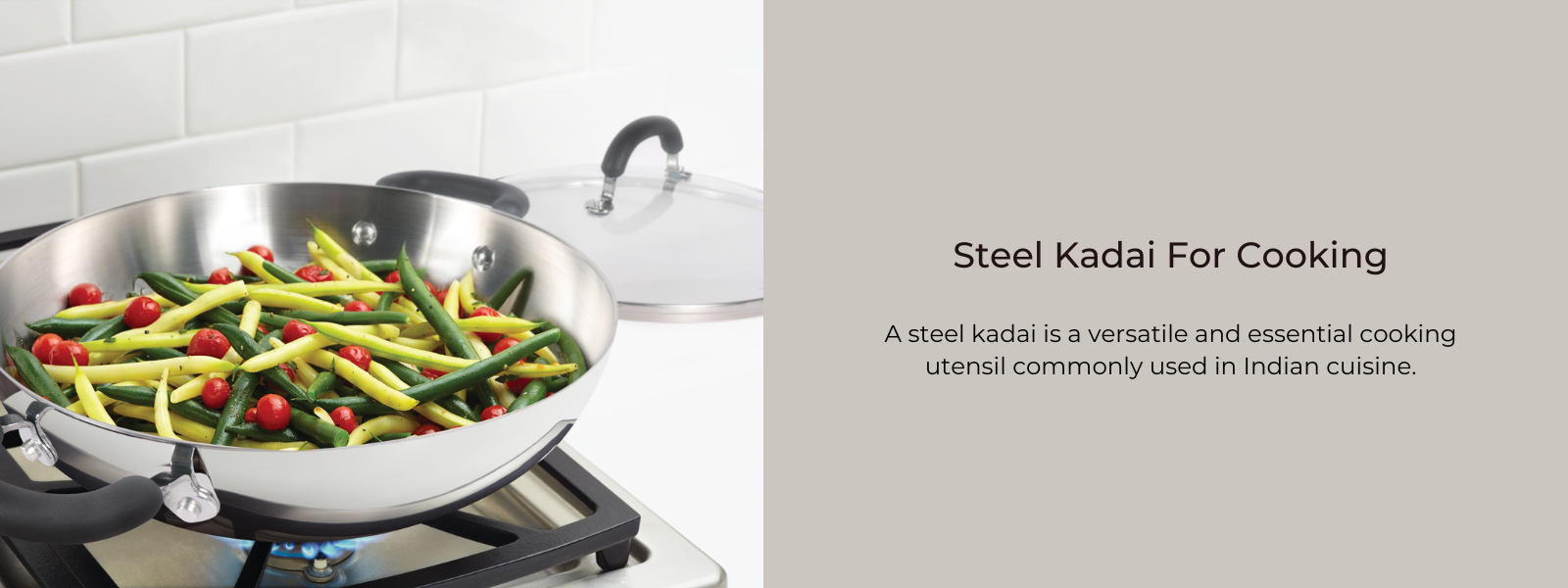
Steel Kadai For Cooking: Versatile Cookware For Indian Meals
2 Items
Choosing the Right Kadai Size: A Guide to Meyer’s 3-Piece Kadai Set
2 Items


Leave a comment