



In every Indian kitchen, one cookware essential quietly takes centre stage—the kadai. It is where spices bloom in hot oil, onions turn golden, gravies thicken to perfection, and festive treats come alive. Whether you are preparing a simple weekday sabzi or an elaborate Sunday meal, the kadai becomes your most trusted companion. But with so many material options available today, choosing the right one can feel confusing. Should you go for traditional cast iron, modern non-stick, or versatile stainless steel?
The answer lies not in choosing the “best” one universally, but in understanding what works best for your cooking habits, preferences, and lifestyle. Each material brings something unique to your kitchen, and when chosen thoughtfully, it can significantly enhance the way you cook every day.
Table of Contents
Understanding the Role of a Kadai in Indian Cooking
Indian cooking is deeply rooted in technique. It is not just about ingredients, but how those ingredients are treated—slow-cooked, sautéed, tempered, or fried. A kadai is specially designed with deep, curved sides that allow for continuous stirring, even heat distribution, and better control over cooking. This shape makes it ideal for everything from tossing vegetables to simmering curries and frying snacks.
Because of this versatility, the material of your kadai becomes extremely important. It determines how heat is distributed, how much oil you need, how flavours develop, and even how easy the cooking process feels.
href="https://www.potsandpans.in/collections/kadais" target="_blank" rel="noopener">

Cast Iron Kadai: Rooted in Tradition, Built for Flavour
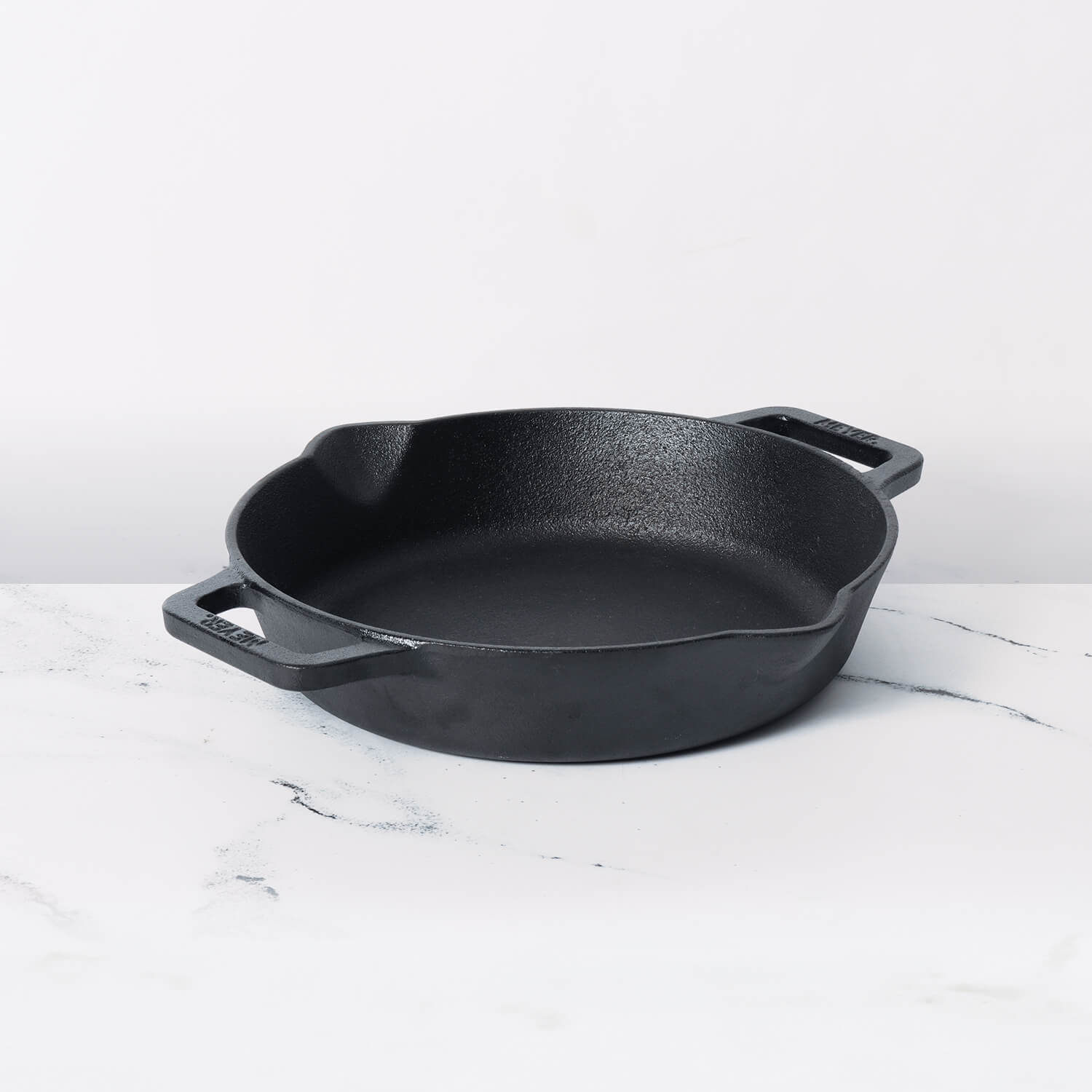
A cast iron kadai is often associated with traditional Indian kitchens, where cooking was slow, intentional, and rich in flavour. This material is known for its ability to retain heat for long periods, which means once it is heated, it maintains a steady temperature throughout the cooking process. This is especially beneficial for dishes that require consistent heat, such as deep frying or slow-cooked gravies.
When you cook in a cast iron kadai, you begin to notice a difference in taste over time. The surface gradually develops a natural seasoning that enhances flavours and creates a unique depth in your dishes. This makes it particularly suitable for recipes that involve roasting spices or cooking masalas until they release their oils.
However, cast iron does demand a certain level of care. It needs to be seasoned regularly to maintain its non-stick properties and prevent rusting. It is also heavier compared to other materials, which may take some getting used to. But for those who enjoy authentic cooking and don’t mind a little maintenance, cast iron becomes a lifelong kitchen companion.
Meyer’s cast iron kadais are thoughtfully designed to bridge the gap between tradition and modern convenience. Pre-seasoned and crafted for even heat distribution, they offer all the benefits of classic cast iron while being more user-friendly for today’s kitchens.
Non-Stick Kadai: Designed for Effortless Everyday Cooking
As lifestyles have become faster and more convenience-driven, non-stick cookware has found a permanent place in modern kitchens. A non-stick kadai is all about making cooking easier, quicker, and less messy. Its smooth coated surface prevents food from sticking, which means you can cook with significantly less oil and still achieve great results.
This makes non-stick kadais especially appealing for beginners or those who prefer light, everyday meals. Preparing dishes like sautéed vegetables, paneer, or even simple gravies becomes much more manageable when you don’t have to worry about food sticking to the surface or burning easily.
wants is to spend time scrubbing cookware. Non-stick kadais can usually be cleaned with minimal effort, making them ideal for daily use.
That said, non-stick cookware does require mindful handling. It performs best at moderate heat levels and should not be exposed to very high temperatures for extended periods. Using wooden or silicone utensils helps preserve the coating, ensuring the kadai lasts longer.
Meyer’s non-stick kadais are built with advanced, toxin-free coatings that prioritize both safety and performance. They allow you to cook with less oil while maintaining the taste and texture of your dishes, making them a practical addition to any kitchen.
Stainless Steel Kadai: The Perfect Balance of Durability and Versatility
For those looking for a dependable, all-purpose kadai, stainless steel is often the preferred choice. It is known for its strength, durability, and ability to handle a wide variety of cooking styles. Unlike cast iron, it does not require seasoning, and unlike non-stick, it does not rely on a coating. This makes it a low-maintenance option that fits seamlessly into everyday cooking.
Stainless steel kadais are particularly valued for their non-reactive nature. This means you can cook acidic ingredients like tomatoes, tamarind, or lemon-based gravies without worrying about altering the taste or quality of your food. This makes it an excellent choice for Indian cuisine, where such ingredients are commonly used.
Modern stainless steel kadais, especially those with tri-ply construction, offer improved heat distribution. This ensures that your food cooks evenly, reducing the chances of hotspots or uneven browning. With the right preheating technique and oil usage, you can also minimise sticking and achieve excellent cooking results.
Meyer’s tri-ply stainless steel kadais are designed to deliver consistent performance. With layered construction for even heating and options that are nickel-free, they combine durability with health-conscious design—making them ideal for families that cook regularly.
hoosing What Works for You
When deciding which kadai to bring into your kitchen, it helps to think about how you cook on a daily basis. If you enjoy preparing traditional dishes that require time, patience, and depth of flavour, cast iron can be incredibly rewarding. If your focus is on quick meals with minimal effort and oil, non-stick offers unmatched convenience. And if you want a reliable, versatile option that can handle almost anything, stainless steel is a dependable choice.
In reality, many well-equipped kitchens do not rely on just one type of kadai. Instead, they include a combination that allows flexibility across different cooking styles. This approach ensures that you are always using the right tool for the right dish, which ultimately improves both efficiency and results.
The Meyer Advantage in Modern Kitchens
Choosing the right cookware brand is just as important as choosing the right material. Meyer has established itself as a trusted name by combining thoughtful design, advanced technology, and a deep understanding of cooking needs.
Each Meyer kadai is crafted to enhance performance while ensuring safety and durability. From cast iron pieces that honour traditional cooking methods to non-stick options that simplify daily routines and stainless steel designs that offer unmatched versatility, Meyer creates cookware that adapts to your lifestyle.
The brand’s focus on quality materials, ergonomic design, and compatibility with modern cooktops ensures that every cooking experience feels seamless and enjoyable. This makes Meyer an ideal choice for both new and experienced home cooks.
Final Thoughts
The search for the best kadai for Indian cooking ultimately comes down to what suits your kitchen and your cooking style. There is no single answer, because every home cooks differently, and every dish has its own requirements.
What truly matters is choosing cookware that supports your cooking journey—whether that means achieving rich, traditional flavours, preparing quick and healthy meals, or managing everyday cooking with ease. With the right kadai in hand, cooking becomes less of a task and more of an experience to enjoy.
By investing in thoughtfully designed cookware from Meyer, you are not just buying a utensil—you are building a kitchen that is equipped for every meal, every occasion, and every memory waiting to be created.
MORE FROM BLOG
Top Collections

7 Delicious Recipes You Can Prepare in Your Cast Iron Kadai
2 Items
Best Stainless Steel Kadai for Deep Frying
2 Items
Steel Kadai For Cooking: Versatile Cookware For Indian Meals
2 Items
Choosing the Right Kadai Size: A Guide to Meyer’s 3-Piece Kadai Set
2 Items
How to Avoid Burnt Food in Your Kadai in 2025
2 Items


Leave a comment