



Yes, cast iron can be used daily for Indian cooking—and in fact, it is one of the most compatible cookware materials for the way Indian food is prepared. For generations, Indian kitchens relied on heavy iron utensils for everyday meals, not occasional use. The renewed popularity of cast iron today is less about nostalgia and more about its unmatched performance, safety, and suitability for Indian cooking habits.
Cast iron is often misunderstood as cookware meant only for slow cooking or special dishes. In reality, it was historically the everyday cookware of Indian kitchens, used morning to night for rotis, sabzis, dals, and curries. Its growing popularity today reflects a return to practicality rather than trend.
When used correctly, cast iron is not only suitable for daily Indian cooking—it thrives on regular use.
Table of Contents
- 1. Why Daily Use Makes Cast Iron Better
- 2. Designed for Indian Cooking Techniques
- 3. How Cast Iron Supports Better Digestion
- 4. Daily Cooking with Less Oil, Not More
- 5. Simple Cleaning and Care for Everyday Use
- 6. Cast Iron for Everyday Indian Meals
- 7. When to Balance Cast Iron with Other Cookware
- 8. A Long-Term Investment for Indian Homes
- 9. Conclusion
Why Daily Use Makes Cast Iron Better
Daily cooking actually strengthens cast iron. Unlike non-stick cookware, which deteriorates when used frequently, cast iron develops a natural seasoning layer that improves with every meal cooked. Indian cooking, with its regular use of oil, ghee, tempering, and spices, naturally maintains this seasoning. Over time, the cooking surface becomes smoother, food releases more easily, and the need for excessive oil reduces. This is why cooks who use cast iron daily often find it easier to manage than those who use it occasionally. Modern pre-seasoned cookware such as Meyer’s cast iron range provides a strong base, making daily use accessible even for first-time users.

Designed for Indian Cooking Techniques
Indian cooking techniques are particularly well suited to cast iron. The frequent shift between high heat and low flame is handled effortlessly by this material. During tadka, cast iron holds oil at a steady temperature, allowing spices like cumin, mustard seeds, garlic, and chillies to bloom fully without burning. When the flame is reduced for simmering dals or curries, the retained heat allows the food to cook gently and evenly. This stability reduces the risk of scorching at the base and eliminates the need for constant supervision, which is especially helpful in everyday home cooking.
Meyer Pre-Seasoned Cast Iron Dutch Oven with Glass Lid, 26cm
How Cast Iron Supports Better Digestion
From a digestive perspective, cast iron supports the way Indian meals are meant to be cooked. Lentils, vegetables, and spice-based gravies benefit from slow, even heat that allows ingredients to soften fully and flavours to integrate properly. Cast iron’s consistent temperature prevents half-cooked textures and harsh spice notes, resulting in meals that feel lighter and more balanced, particularly important for children, elders, and those with sensitive digestion.
Daily Cooking with Less Oil, Not More
A common misconception is that cast iron requires more oil. In daily practice, the opposite is true. As the seasoning strengthens through regular cooking, food sticks less and releases more cleanly. Sabzis cook evenly with minimal oil, rotis and dosas require only light greasing, and shallow frying becomes more controlled. This makes cast iron a practical choice for households aiming to cook healthier meals without sacrificing taste.
Simple Cleaning and Care for Everyday Use
Cleaning cast iron after daily use is simpler than often assumed. When washed soon after cooking with warm water and dried thoroughly, the cookware remains in excellent condition. A light wipe of oil after drying helps maintain the seasoning and keeps the pan ready for the next meal. This routine takes little time and is often quicker than cleaning delicate non-stick cookware that requires careful handling.
Cast Iron for Everyday Indian Meals
In terms of everyday cooking, cast iron adapts effortlessly to Indian meals. It performs equally well for morning breakfasts like dosas and cheelas, afternoon sabzis and dals, and evening gravies or rice preparations. Modern designs, such as Meyer’s pre-seasoned cast iron frypans and Dutch ovens, are created with daily use in mind, offering balanced weight, stable bases, and comfortable handling compared to older, heavier versions.
When to Balance Cast Iron with Other Cookware
While cast iron can be used daily, balance remains important. Extremely acidic dishes cooked for long durations, especially those heavy in tomatoes or vinegar, are best rotated occasionally with stainless steel cookware. This ensures both flavour integrity and long-term maintenance of the seasoning, without reducing the role of cast iron in everyday cooking.
A Long-Term Investment for Indian Homes
From a long-term perspective, cast iron offers unmatched value. It does not peel, chip, or lose effectiveness over time. With proper daily use, it can last for decades, making it one of the most sustainable cookware choices for Indian kitchens where cooking is a daily ritual rather than an occasional activity.
Conclusion: Why Cast Iron Belongs in Everyday Indian Cooking
Cast iron is not demanding cookware—it simply thrives on being used. Indian cooking naturally supports its performance, maintenance, and longevity. When incorporated into everyday routines, cast iron becomes more intuitive, more reliable, and more rewarding. With thoughtfully designed, pre-seasoned options like Meyer’s cast iron cookware, daily Indian cooking feels grounded, confident, and deeply satisfying, allowing traditional wisdom to meet modern convenience without compromise.
MORE FROM BLOG
Top Collections

Cast Iron Cookware: Why It’s Perfect for Outdoor Cooking
2 Items
Cast Iron Vs Stainless Steel Cookware: Which one should you pick?
2 Items
Cast Iron vs. Stainless Steel: Which is Better for Your Kitchen?
2 Items
Does cast iron make food taste better?
2 Items
Enameled Cast Iron Vs Cast Iron. Which is better?
2 Items
How to Clean and Care for Enameled Cast Iron?
2 Items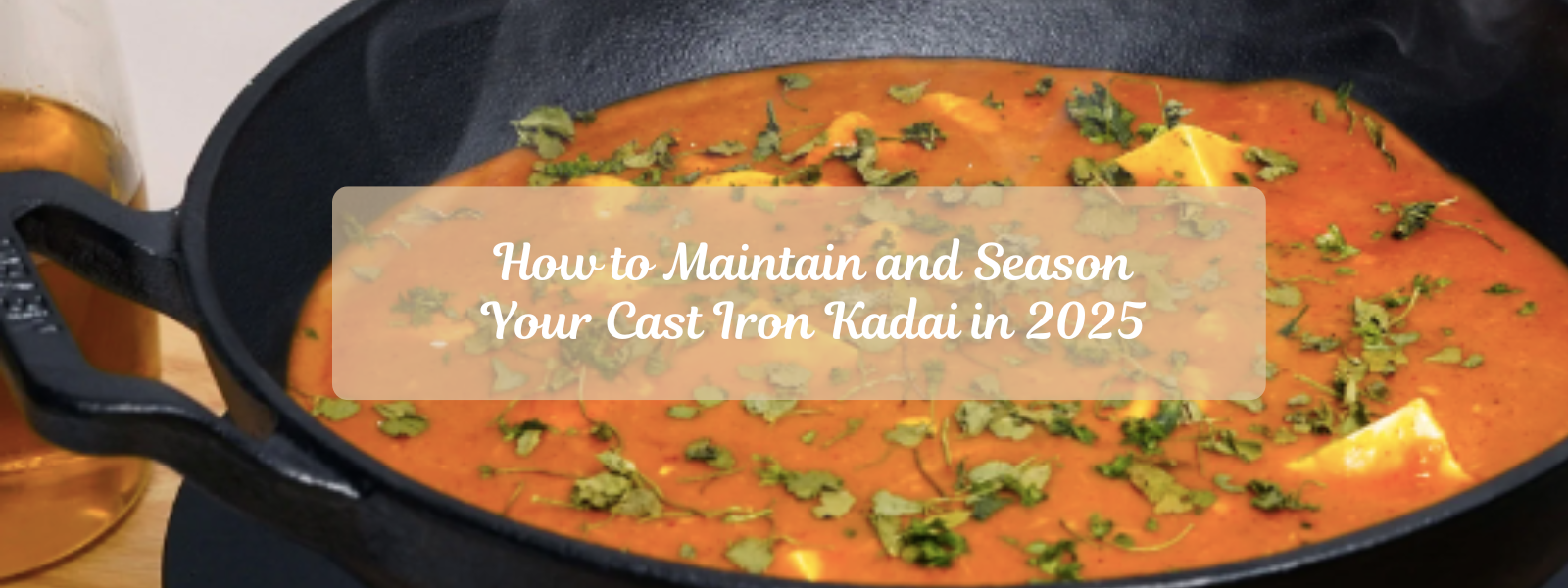
How to Maintain and Season Your Cast Iron Kadai in 2025
2 Items


Leave a comment