



Cast iron cookware has become increasingly popular in Indian kitchens due to its durability, heat retention, and ability to develop natural non-stick properties over time. From crispy dosas to perfectly roasted aloo and bhindi, cast iron handles high-heat cooking beautifully.
However, one common concern many home cooks have is:
Can cast iron be used for acidic Indian dishes like tomato gravy, sambar, or tamarind-based curries?
The short answer is yes — but with certain precautions.
Understanding how cast iron reacts to acidic ingredients is essential to using it safely and maintaining its seasoning layer for long-term performance.
Let’s explore this in detail.
Table of Contents
- 1. Why Acidic Foods Raise Questions in Cast Iron Cookin
- 2. When It Is Safe to Cook Tomato Gravy in Cast Iron
- 3. When You Should Avoid Acidic Cooking in Cast Iron
- 4. What Happens If You Cook Acidic Food Too Early?
- 5. How to Safely Cook Tomato Gravy in Cast Iron
- 6. Is Cast Iron the Best Choice for Tomato-Based Indian Cooking?
- 7. Advantages of Using Pre-Seasoned Cast Iron
- 8. Long-Term Outlook: Does Acid Ruin Cast Iron?
- 9. Final Verdict
Why Acidic Foods Raise Questions in Cast Iron Cooking
Cast iron cookware does not have a synthetic coating. Instead, it relies on a layer of polymerized oil called seasoning. This seasoning forms when oil is heated beyond its smoke point and bonds to the iron surface, creating:
-
A protective barrier
-
Improved food release
-
Rust resistance
-
Better cooking performance
Tomatoes, tamarind, curd, kokum, and vinegar are acidic ingredients commonly used in Indian cuisine. Acid can react with bare iron if the seasoning layer is weak or underdeveloped.
When seasoning is thin, acidic foods may:
- Strip or weaken the seasoning
- Cause metallic taste
- Lighten dark patina
- Increase sticking
- Create dull grey patches
But this does not mean cast iron and tomato gravy are incompatible. It simply means timing and pan condition matter.

When It Is Safe to Cook Tomato Gravy in Cast Iron
1. When the Cast Iron Is Well-Seasoned
A properly seasoned cast iron pan can comfortably handle tomato-based dishes.
Signs of strong seasoning include:
- Deep black or dark brown surface
- Smooth, slightly glossy finish
- Minimal sticking during cooking
- Even oil distribution
If your cast iron has been used regularly for 15–30 cooking sessions, especially for sautéing and frying, it is generally stable enough for moderate acidic cooking.
Cookware like Meyer Pre-Seasoned Cast Iron Cookware comes with a factory-applied seasoning layer that provides a stronger starting point compared to raw cast iron. This reduces the break-in period and makes occasional tomato cooking safer earlier in its lifecycle.
2. For Short Cooking Duration
Quick tomato-based recipes are usually safe, such as:
-
Tomato-onion masala base
-
Paneer bhurji
-
Egg bhurji
-
Shakshuka-style eggs
-
Quick tomato sauté
If cooking time is limited to 10–20 minutes, a well-seasoned cast iron pan can handle it without significant impact.
3. When You Do Not Store Food in the Pan
The biggest mistake is storing acidic food inside cast iron after cooking.
Extended exposure — especially overnight — increases the chance of seasoning breakdown and metallic taste.
Always transfer tomato gravy to a separate container once cooking is complete.
When You Should Avoid Acidic Cooking in Cast Iron
While cast iron is versatile, certain situations require caution.
Avoid tomato-heavy cooking if:
- The pan is brand new
- Seasoning is patchy or light brown
- You recently scrubbed off seasoning
- You are planning long simmering (45–60 minutes)
Long-cooked dishes such as:
-
Butter chicken-style tomato gravies
-
Makhani sauces
-
Tamarind-heavy sambar
-
Vindaloo
-
Rasam
can gradually weaken seasoning if done frequently in cast iron.
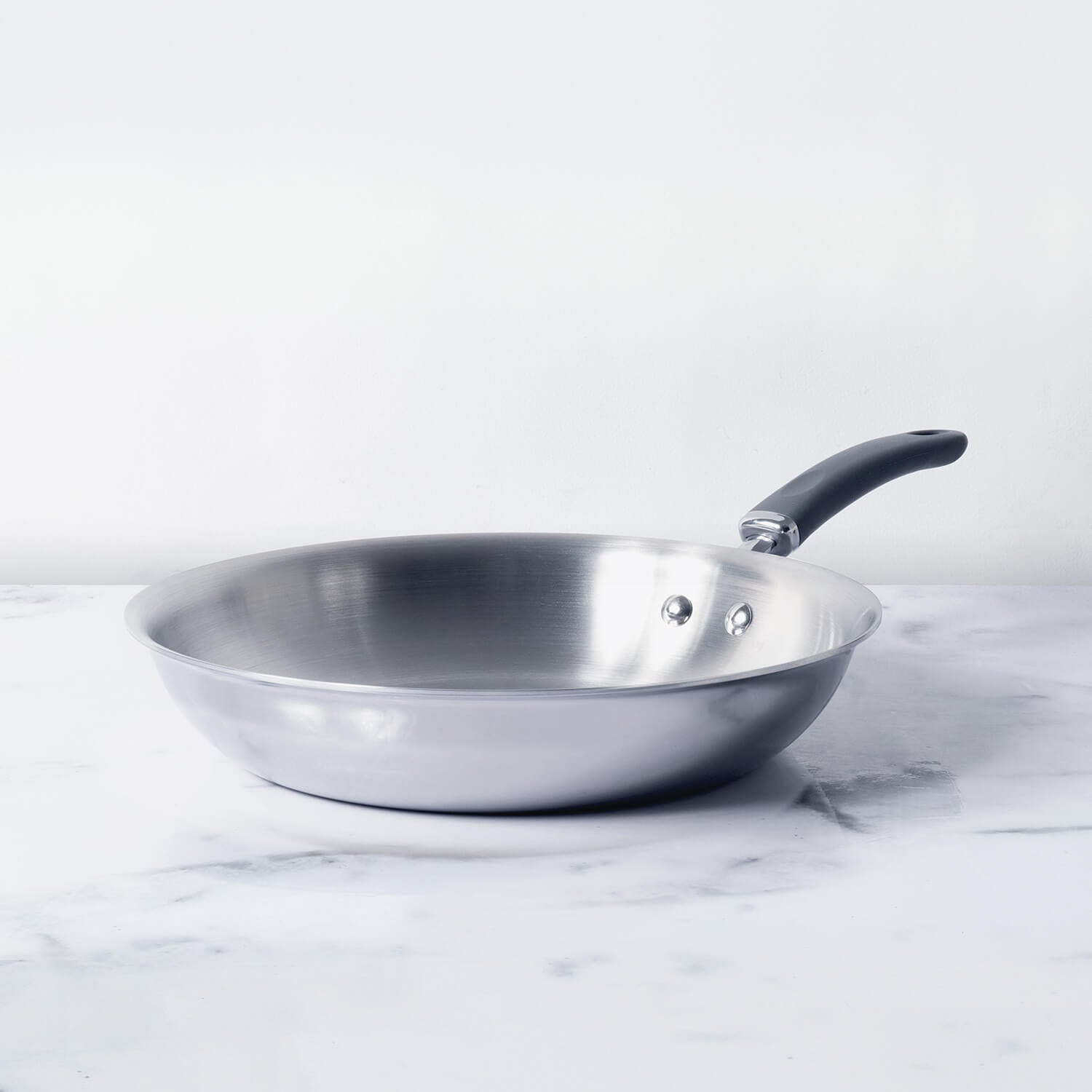
In such cases, stainless steel cookware may be a more suitable choice for extended simmering.
What Happens If You Cook Acidic Food Too Early?
If acidic dishes are cooked in newly seasoned cast iron, you may notice:
-
Slight metallic flavor
-
Grey streaks on the surface
-
Sticky patches next time you cook
-
Reduced smoothness
This is not permanent damage. It simply means the seasoning layer has thinned and needs rebuilding.
You can restore performance by:
-
Cooking non-acidic foods
-
Applying a thin oil coat
-
Heating the pan gently to reinforce seasoning
Cast iron is forgiving and can always be re-seasoned.
How to Safely Cook Tomato Gravy in Cast Iron
If you want to confidently cook acidic Indian dishes in cast iron, follow these steps:
Step 1: Build Strong Seasoning First
Cook 15–20 meals like:
- Aloo fry
- Bhindi
- Parathas
- Paneer
- Stir-fried vegetables
before attempting long acidic cooking.
Step 2: Use Moderate Heat
High heat can burn off seasoning layers. Medium heat works best.
Step 3: Avoid Prolonged Simmering Initially
If making tomato gravy, sauté in cast iron but consider transferring to another vessel for extended simmering during early stages.
Step 4: Clean Gently
After cooking acidic dishes:
-
Rinse with warm water
-
Avoid harsh detergents
-
Dry thoroughly
-
Apply a light oil coat
These steps maintain seasoning integrity.
Does Cast Iron React With Tomatoes?
Technically, yes.
Cast Iron can react with acidic foods if exposed directly. However, in a properly seasoned pan, the oil-based seasoning layer acts as a buffer, preventing direct contact.
Some minimal iron transfer into food may occur, which is generally harmless and sometimes considered beneficial. However, noticeable metallic taste indicates seasoning weakness.
Is Cast Iron the Best Choice for Tomato-Based Indian Cooking?
Cast iron excels at:
- High-heat searing
- Shallow frying
- Dosas and parathas
- Stir-frying
- Roasting vegetables
For long-simmered, highly acidic gravies, stainless steel cookware may offer easier maintenance.
Many experienced cooks use a hybrid approach:
-
Sauté masala in cast iron
-
Transfer to stainless steel for prolonged simmering
This combines flavor development with seasoning protection.
Advantages of Using Pre-Seasoned Cast Iron
High-quality pre-seasoned options such as Meyer Pre-Seasoned Cast Iron Cookware provide:
-
Thicker initial seasoning
-
Faster stabilization
-
Reduced metallic reactivity
-
Better early-stage performance
This makes occasional tomato gravies more manageable even in relatively new cookware.
However, even pre-seasoned pans benefit from gradual exposure to acidic cooking.
Long-Term Outlook: Does Acid Ruin Cast Iron?
No. Acid does not permanently ruin cast iron.
Worst-case scenario:
-
Seasoning weakens
-
Surface lightens
-
Performance dips temporarily
But seasoning can always be rebuilt.
Unlike synthetic non-stick coatings that degrade irreversibly, cast iron improves with continued care and usage.
Final Verdict
Yes, cast iron can be used for acidic Indian dishes like tomato gravy — provided the pan is well-seasoned and cooking time is moderate.
Avoid prolonged simmering in newly seasoned pans.
Do not store acidic food in cast iron.
Maintain proper cleaning and oiling habits.
With a stable seasoning layer — especially in cookware like Meyer Pre-Seasoned Cast Iron Cookware — occasional tomato-based cooking is completely manageable.
Cast iron rewards patience. Once properly seasoned, it becomes a durable, versatile companion capable of handling most Indian cooking techniques with confidence.
MORE FROM BLOG
Top Collections

7 Delicious Recipes You Can Prepare in Your Cast Iron Kadai
2 Items
Add Enamelled Cast Iron Dosa Tawa to your kitchen this Diwali
2 Items
How To Season Cast Iron Cookware?
2 Items
A-Z Guide To Cast Iron Cookware; Use & Utility
2 Items
Best Cast Iron Appe Tawa For Paniyaram
2 Items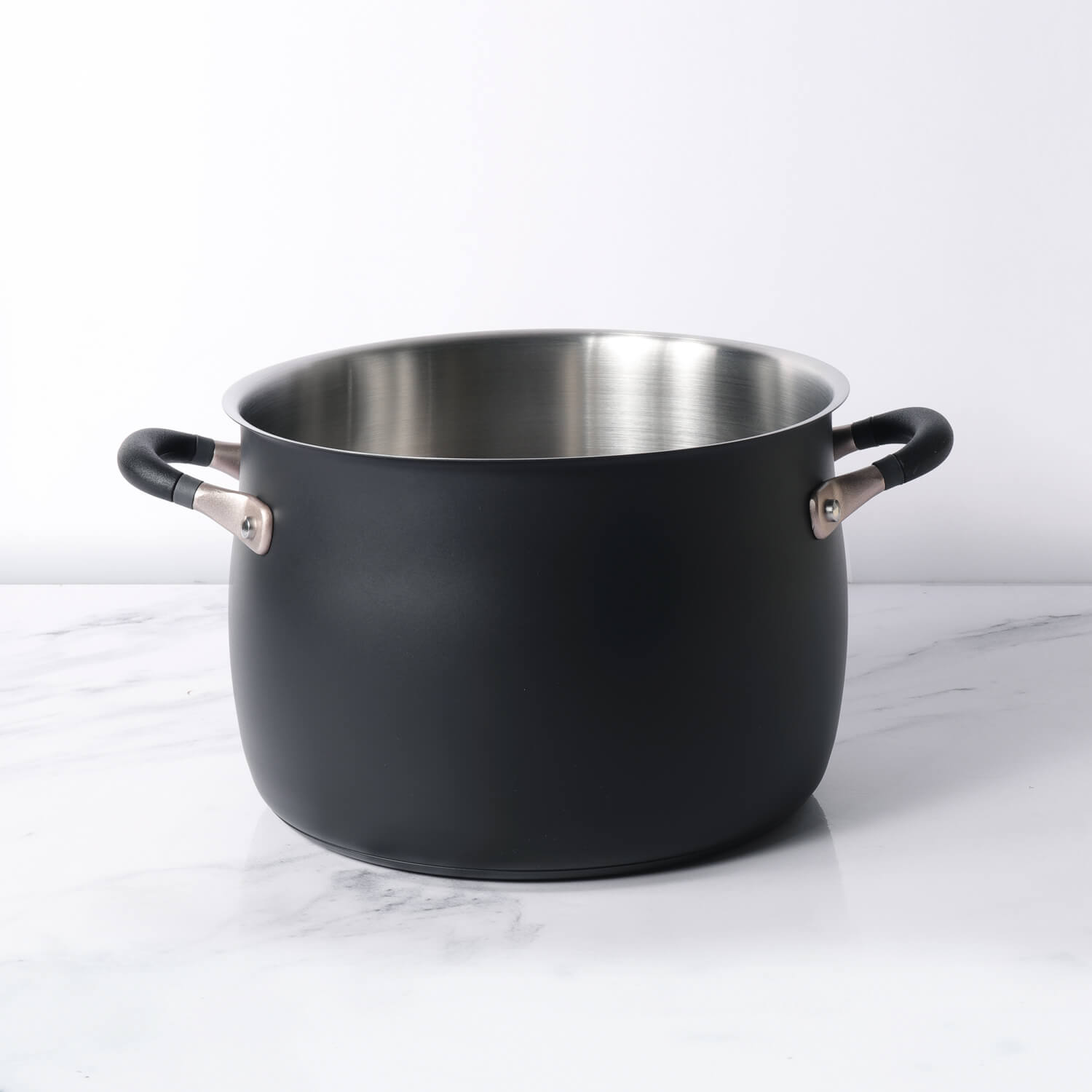


Leave a comment