



Clay pot cooking is making a powerful comeback in modern kitchens—and for good reason. Long before stainless steel and nonstick cookware existed, clay pots were the foundation of slow, nourishing, and flavour-rich meals. Today, as home cooks seek healthier, more mindful ways of cooking, this ancient method is finding fresh relevance with modern techniques and tools.
From rustic dals to slow-simmered curries, clay pot cooking brings together tradition, nutrition, and flavour in a way few methods can match.
Table of Contents
- 1. Why Clay Pot Cooking Is Returning to Modern Kitchens
- 2. How Clay Pots Cook Differently
- 3. Modern Adaptations of Clay Pot Cooking
- 4. When Clay Pot Cooking Works Best—and When It Doesn’t
- 5. Complementing Clay Cooking with Modern Cookware
- 6. Health Benefits of Clay Pot Cooking
- 7. Caring for Clay Pots the Modern Way
- 8. Conclusion
Why Clay Pot Cooking Is Returning to Modern Kitchens
The renewed interest in clay cookware is driven by a shift toward:
- Natural, chemical-free cooking
- Slow food and mindful meal preparation
- Enhanced flavour through gentle heat
- Nutrient retention and moisture locking
Unlike metal cookware, clay heats slowly and evenly, allowing ingredients to cook in their own juices. This results in deeper flavours, softer textures, and food that feels wholesome and comforting.

How Clay Pots Cook Differently
Clay is porous, which allows steam and heat to circulate naturally during cooking. This creates a unique environment where:
-
Spices bloom gradually
-
Vegetables retain moisture
-
Proteins cook without drying out
-
Oil usage is naturally reduced
This makes clay pot cooking especially suited for Indian gravies, lentils, vegetables, and one-pot meals.
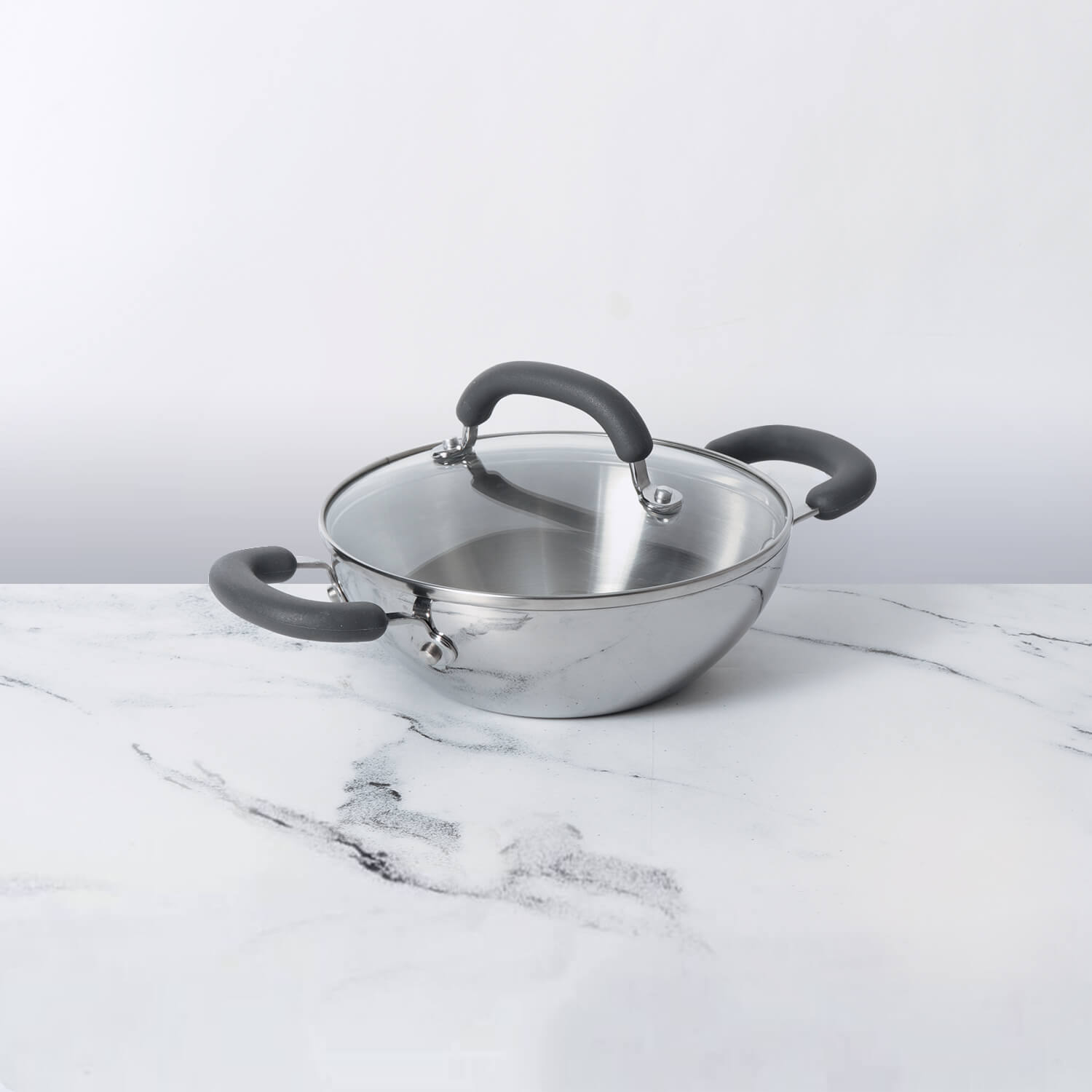
Circulon Clad Stainless Steel Casserole
Modern Adaptations of Clay Pot Cooking
While traditional clay cooking was done over wood fires, today’s kitchens have adapted the method beautifully.
Gas & Controlled Flame Cooking
Clay pots work best on low to medium heat. Using a flame diffuser or slow heating prevents cracking and ensures longevity.
Oven-Based Clay Cooking
Many modern recipes adapt clay pot techniques for oven use—perfect for slow-cooked vegetables, baked dals, and casseroles.
Hybrid Cooking Methods
Home cooks often start dishes in stainless steel or tri-ply cookware for tempering spices, then transfer to clay pots for slow cooking—combining control with tradition.
When Clay Pot Cooking Works Best—and When It Doesn’t
Ideal For:
-
Dal, sambhar, rasam
-
Vegetable curries
-
Slow-cooked rice dishes
-
Stews and broths
Less Ideal For:
-
High-heat stir-frying
-
Quick searing
-
Deep frying
This is why many modern kitchens balance clay cookware with durable stainless steel and cast iron for flexibility.
Complementing Clay Cooking with Modern Cookware
To make clay cooking practical in everyday kitchens, pairing it with high-performance cookware is key.
-
Tri-ply stainless steel cookware (such as Meyer Trivantage) offers precise heat control for tadka and sautéing before slow cooking.
-
Cast iron cookware provides the heat retention needed for finishing dishes or serving them hot at the table.
-
Stainless steel saucepans help with boiling, blanching, and pre-cooking ingredients efficiently.
This thoughtful combination allows home cooks to enjoy the best of both worlds—ancient wisdom with modern convenience.
Health Benefits of Clay Pot Cooking
Clay pot cooking is often associated with:
-
Reduced oil usage
-
Better digestion
-
Enhanced mineral interaction
-
Natural cooling properties
While clay cookware itself doesn’t replace nutrition, the slow, gentle cooking process preserves nutrients and makes meals lighter and easier to digest.
Caring for Clay Pots the Modern Way
To ensure durability:
- Season the pot before first use
- Avoid sudden temperature changes
- Always cook on low to medium heat
- Hand wash and air dry completely
With proper care, clay pots can last for years and become an integral part of your kitchen routine.
Conclusion
Clay pot cooking is not a trend—it’s a return to thoughtful, intentional cooking. In a fast-paced world, it reminds us to slow down, savour flavours, and reconnect with time-honoured methods.
When paired wisely with modern cookware, clay pots fit seamlessly into contemporary kitchens—bringing warmth, depth, and authenticity to everyday meals.
Ancient methods. Modern kitchens. Timeless flavour.
MORE FROM BLOG
Top Collections
Best Non-Stick Cookware Sets For Your Kitchen
2 Items
Best Non Stick Roti Tawa Price: Cookware For Everyone
2 Items
Black Beans: Winter Legume for Protein and Fiber
2 Items
Cast iron Vs Non-stick cookware: Which one is good for you?
2 Items
Does cast iron make food taste better?
2 Items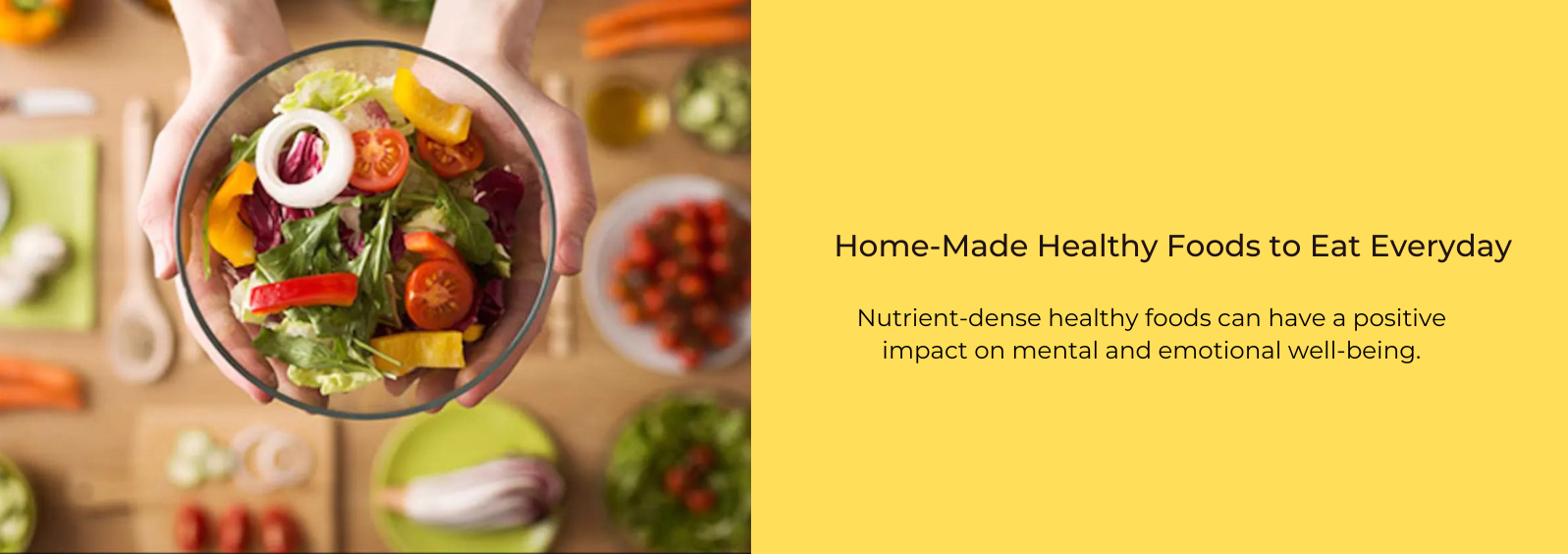
Easy and Delicious Home-Made Healthy Foods to Eat Everyday
2 Items


Leave a comment